Chitchak Natthaphong, Stewart Alyssa B, Traiperm Paweena
Department of Plant Science, Faculty of Science, Mahidol University, Bangkok 10400, Thailand.
Plants (Basel). 2022 Aug 8;11(15):2068. doi: 10.3390/plants11152068.
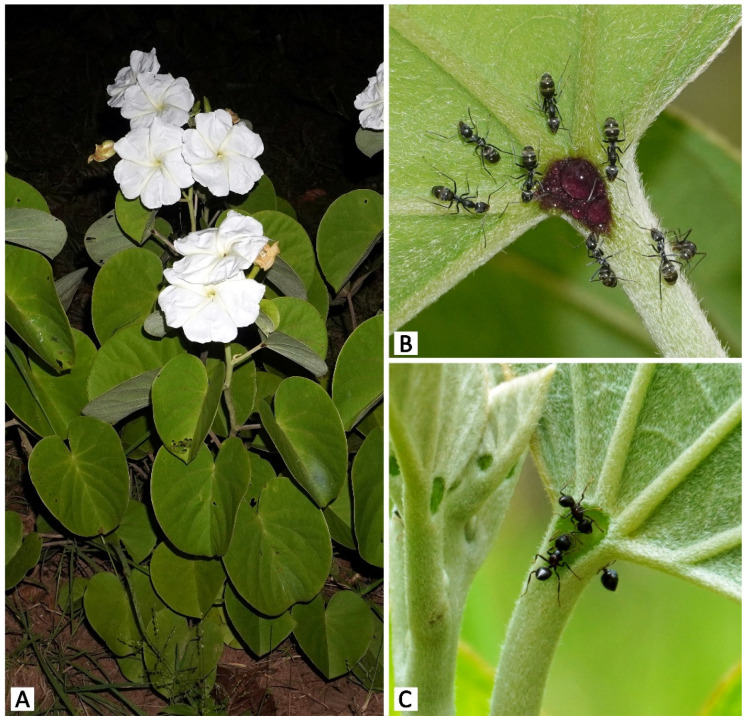
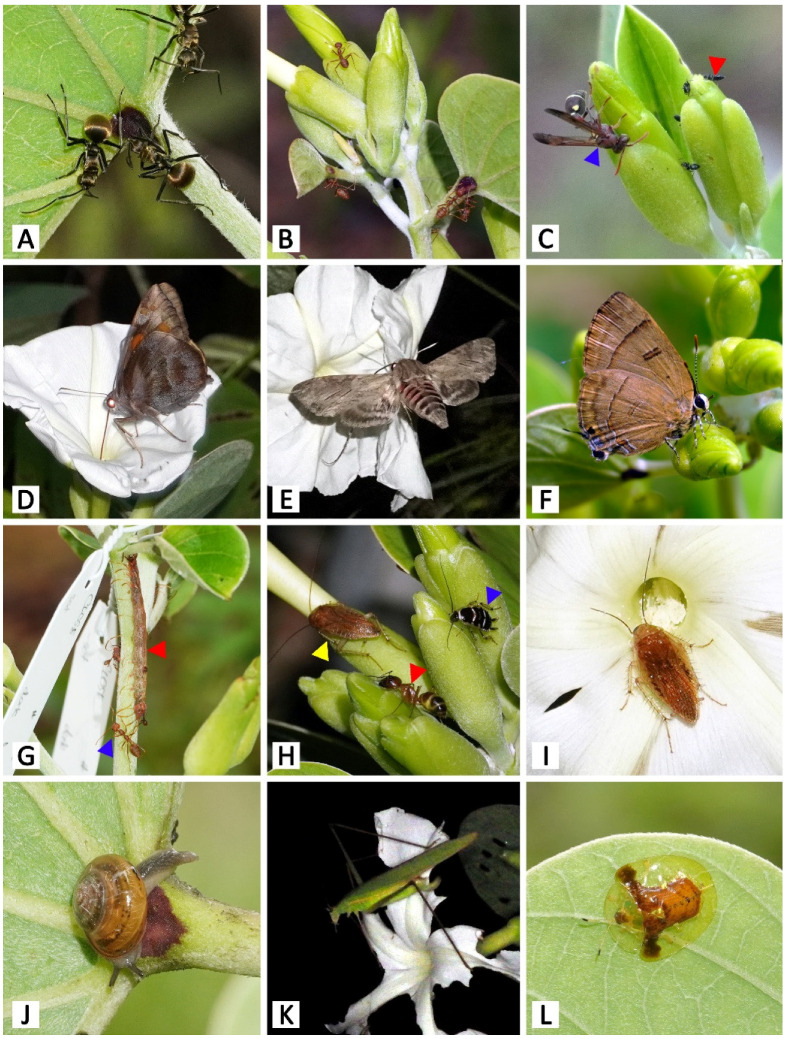
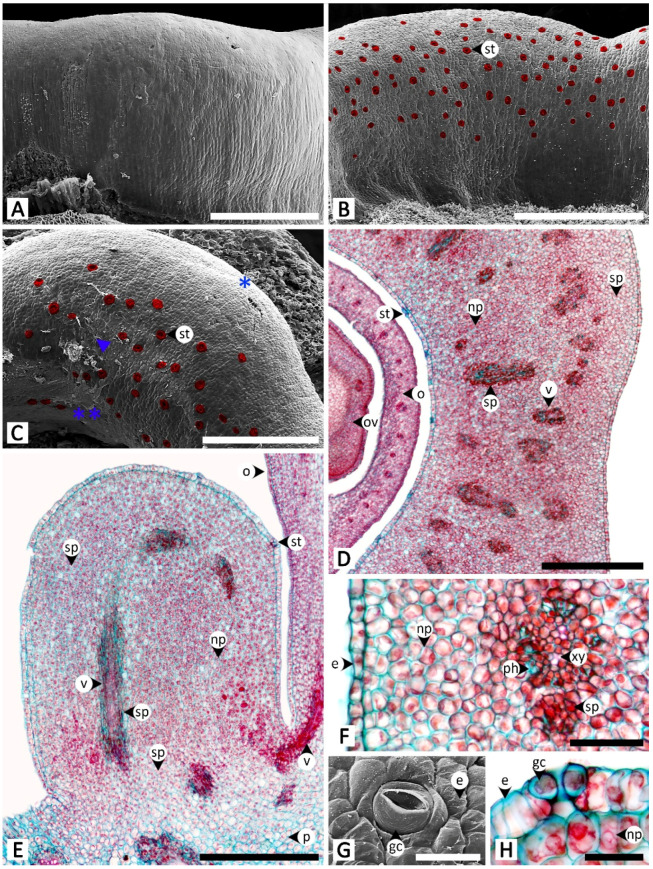
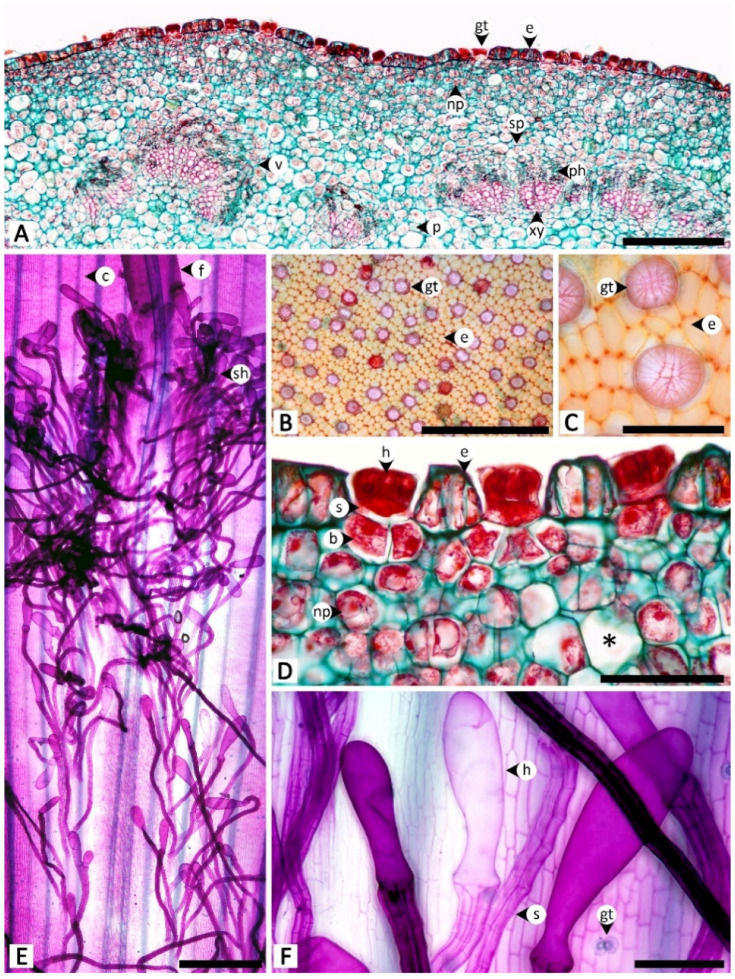
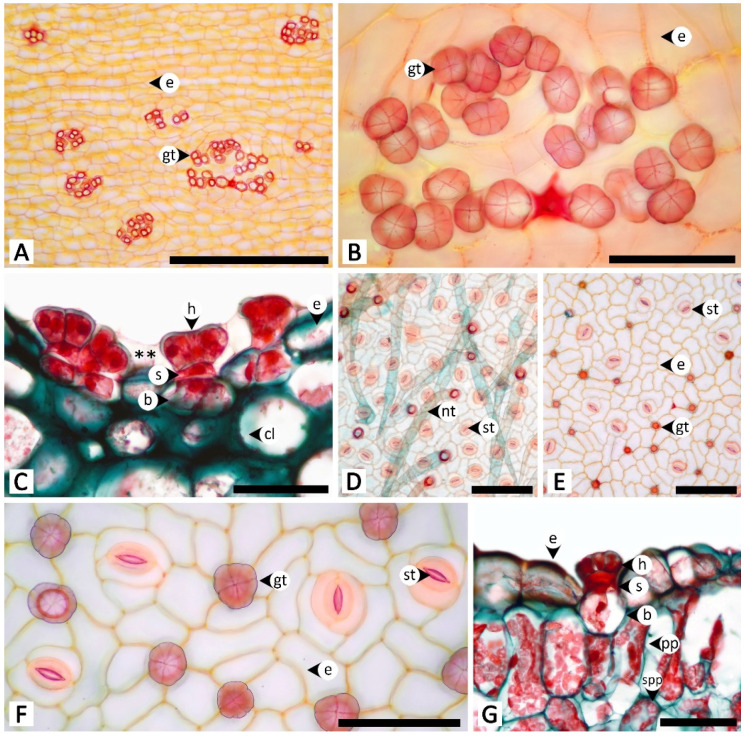
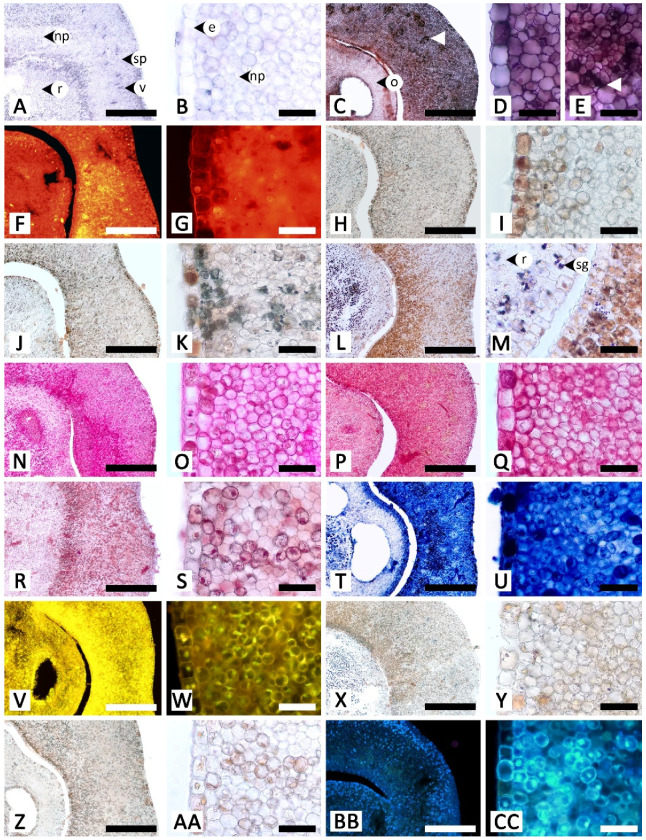
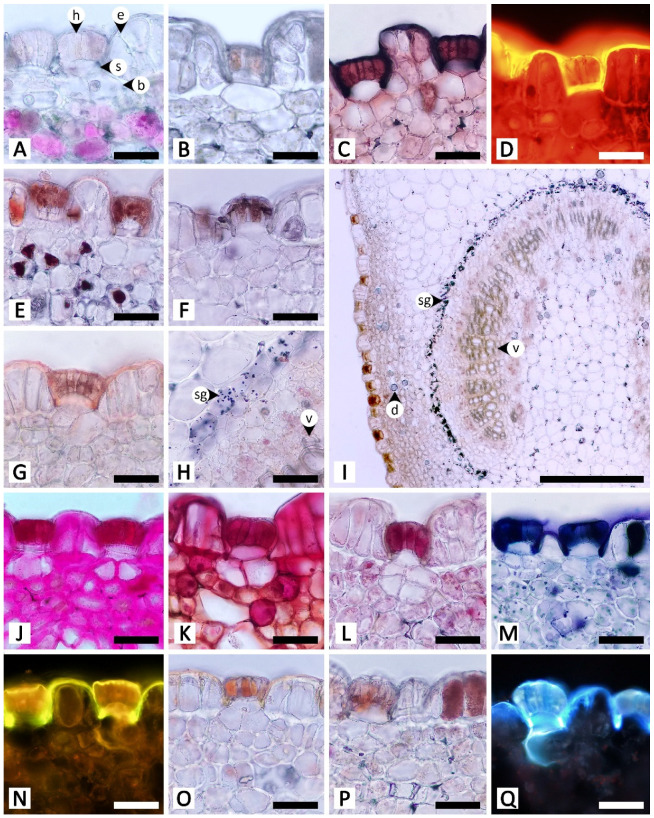
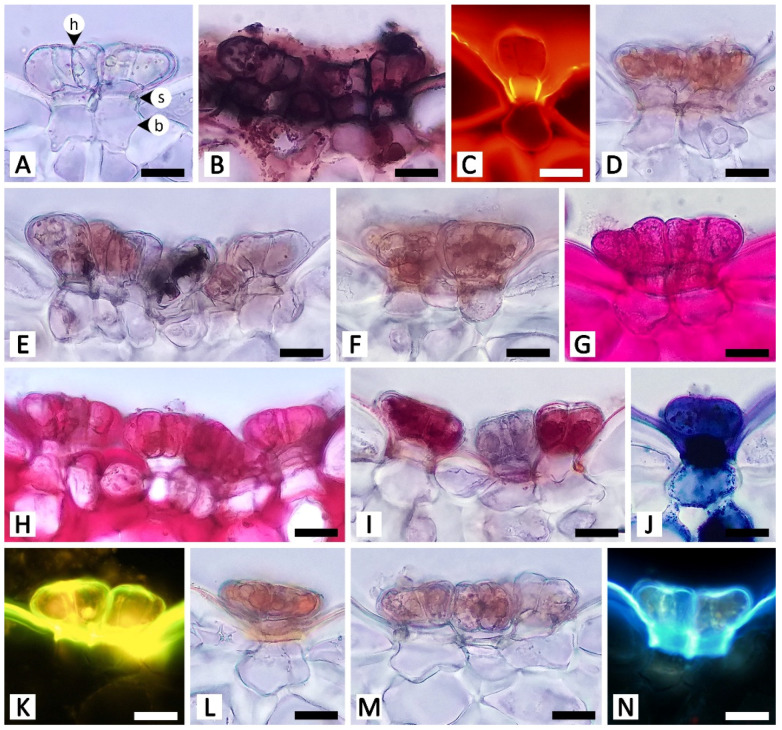
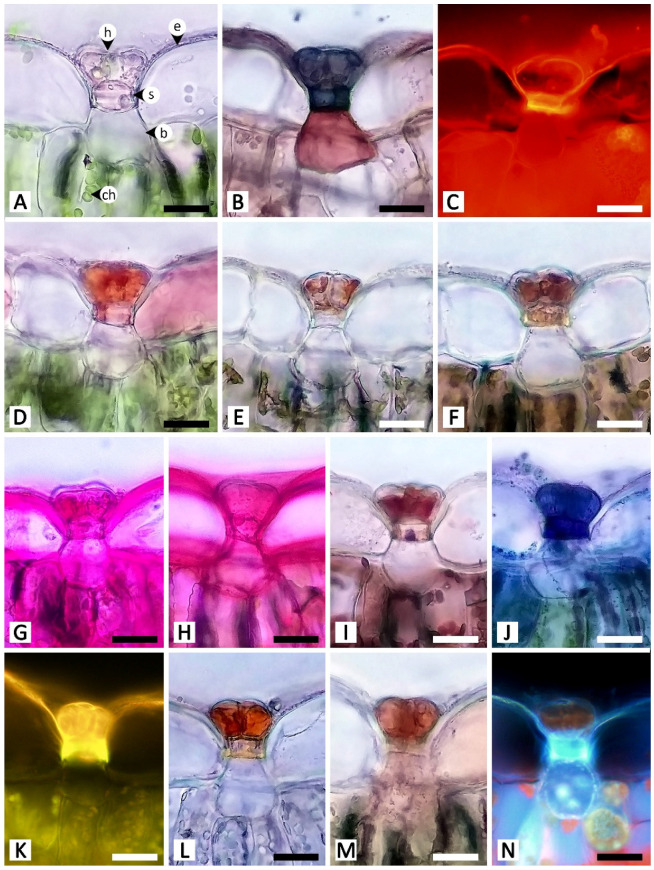
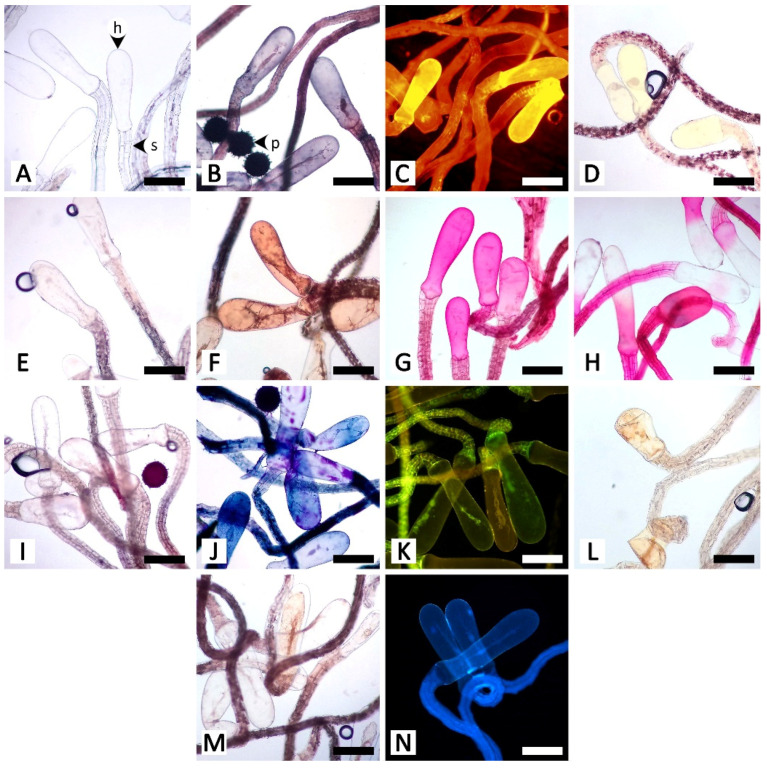
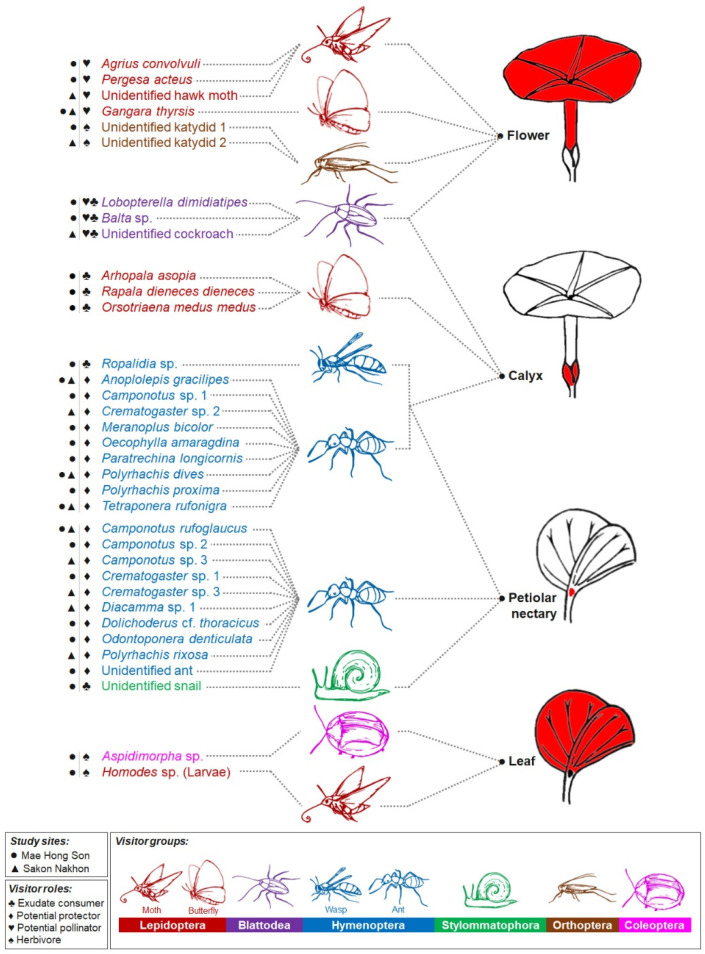
Plants have evolved numerous secretory structures that fulfill diverse roles and shape their interactions with other organisms. (Roxb.) Choisy (Convolvulaceae) is one species that possesses various external secretory organs hypothesized to be ecologically important. This study, therefore, aimed to investigate five secretory structures (nectary disc, petiolar nectaries, calycinal glands, staminal hairs, and foliar glands) using micromorphology, anatomy, histochemistry, and field observations of plant-animal interactions in order to assess the functional contributions of these structures. Results show that the nectary disc and petiolar nectaries are complex working units consisting of at least epidermis and ground tissue, while the other structures are glandular trichomes. Various groups of metabolites (lipids, phenolic compounds, polysaccharides, terpenoids, flavonoids, and alkaloids) were detected in all structures, while starch grains were only found in the nectary disc, petiolar nectaries, and their adjacent tissues. Integrating preliminary observation of animal visitors with micromorphological, anatomical, and histochemical results, two hypotheses are proposed: (I) nectary disc and staminal hairs are important for pollination as they potentially attract and reward floral visitors, and (II) petiolar nectaries, calycinal glands, and foliar glands contribute to plant defense. Specifically, petiolar nectaries and calycinal glands provide protection from herbivores via guard ants, while calycinal and foliar glands may use plant metabolites to help prevent tissue damage from dehydration and insolation.
植物进化出了众多分泌结构,这些结构发挥着多样的作用,并塑造了它们与其他生物的相互作用。(旋花科)月光花(Choisy)就是一种拥有多种外部分泌器官的植物,据推测这些器官在生态方面具有重要意义。因此,本研究旨在通过微观形态学、解剖学、组织化学以及对植物与动物相互作用的实地观察,来研究五种分泌结构(蜜盘、叶柄蜜腺、萼腺体、雄蕊毛和叶腺体),以评估这些结构的功能作用。结果表明,蜜盘和叶柄蜜腺是由至少表皮和基本组织组成的复杂工作单元,而其他结构是腺毛。在所有结构中都检测到了各类代谢物(脂质、酚类化合物、多糖、萜类化合物、黄酮类化合物和生物碱),而淀粉粒仅在蜜盘、叶柄蜜腺及其相邻组织中发现。综合对动物访客的初步观察以及微观形态学、解剖学和组织化学结果,提出了两个假设:(I)蜜盘和雄蕊毛对授粉很重要,因为它们可能吸引并回报访花者;(II)叶柄蜜腺、萼腺体和叶腺体有助于植物防御。具体而言,叶柄蜜腺和萼腺体通过护卫蚁保护植物免受食草动物侵害,而萼腺体和叶腺体可能利用植物代谢物来帮助防止组织因脱水和日晒而受损。