Nour Shaimaa A, El-Sayed Ghada M, Taie Hanan A A, Emam Maha T H, El-Sayed Ahmed F, Salim Rasha G
Chemistry of Natural and Microbial Products Department, Pharmaceutical and Drug Industries Research Institute, National Research Centre, 33 El-Bohouth St. (Former El-Tahrir St.), Dokki, Cairo, 12622, Egypt.
Microbial Genetic Department, Biotechnology Research Institute, National Research Centre, 33 El-Bohouth St. (Former El-Tahrir St.), Dokki, Cairo, 12622, Egypt.
J Genet Eng Biotechnol. 2022 Aug 12;20(1):121. doi: 10.1186/s43141-022-00390-9.
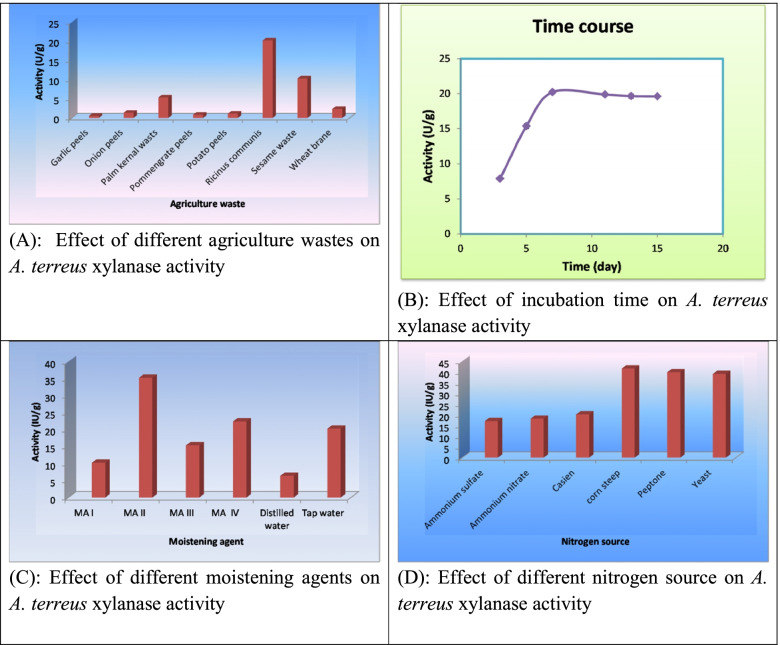
The production of industrial enzymes such as xylanase using sufficient cost-effective substrates from potent microorganisms is considered economically feasible. Studies have reported castor cake (Ricinus communis) as the most potent and inexpensive alternative carbon source for production of xylanase C by using Aspergillus terreus (A. terreus).
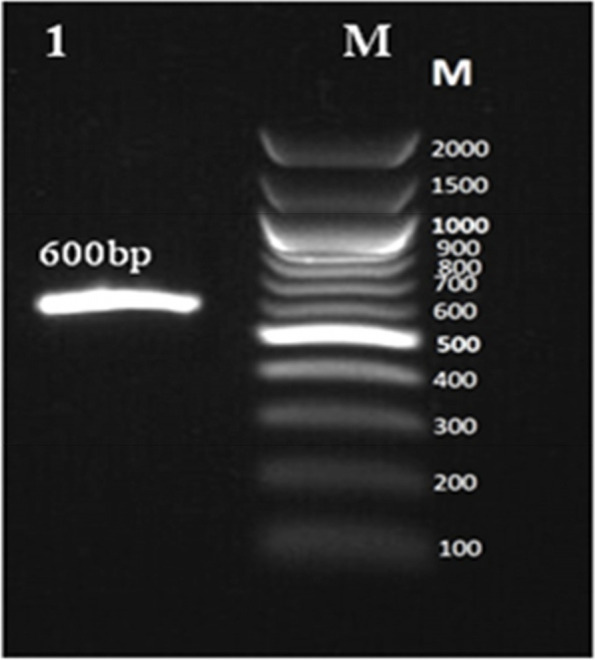
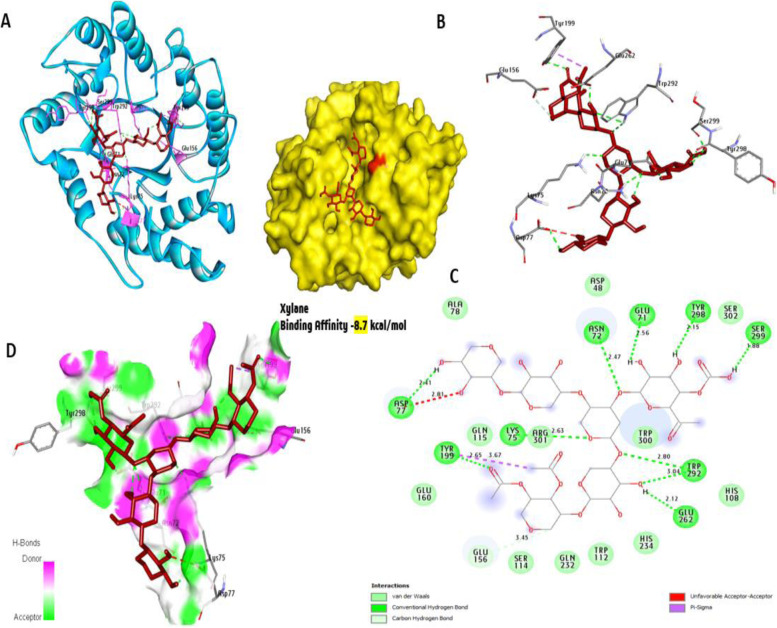
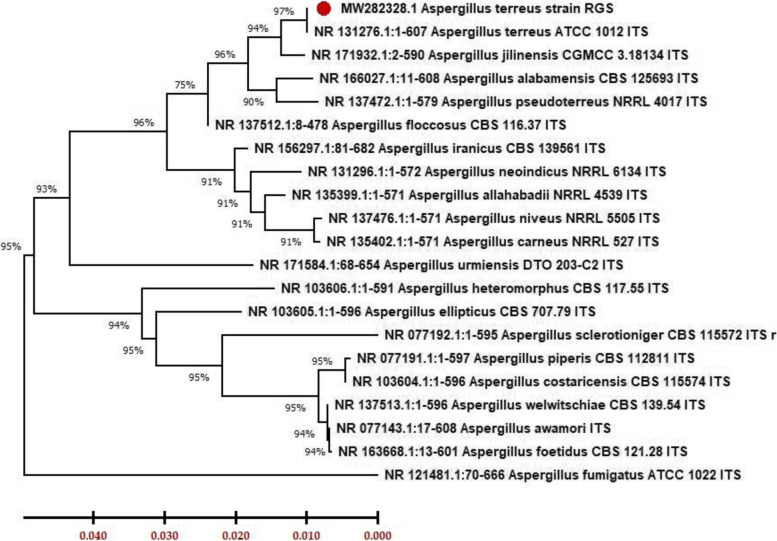
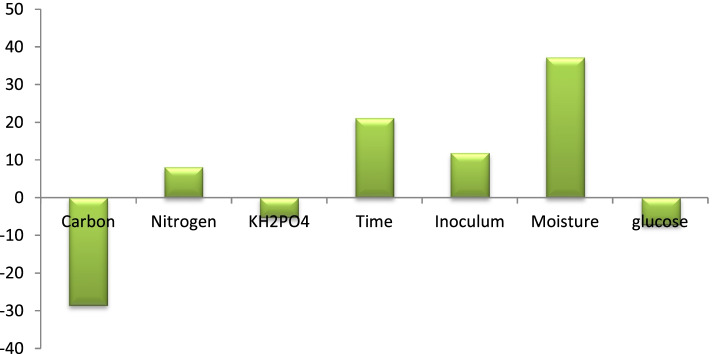
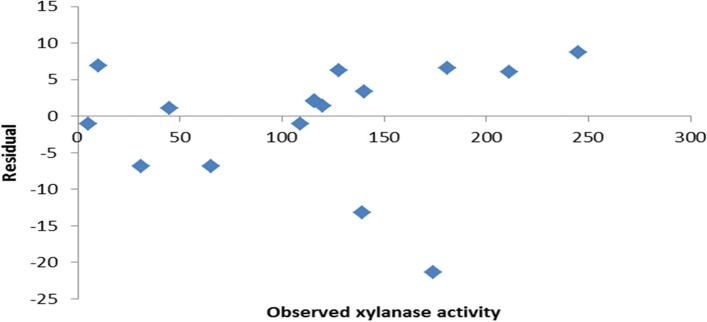
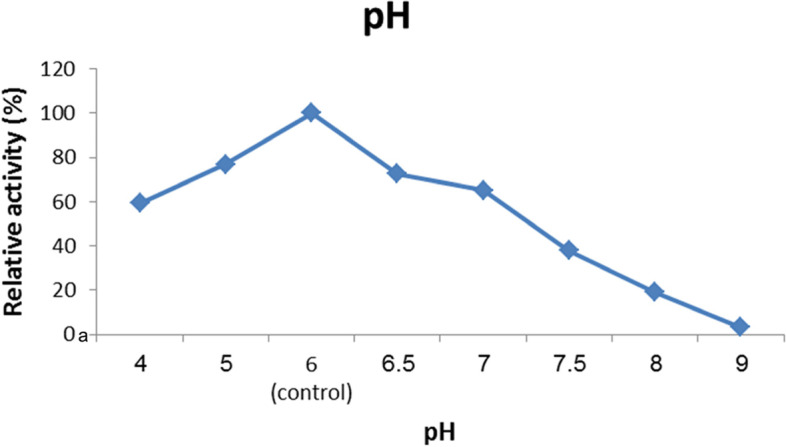
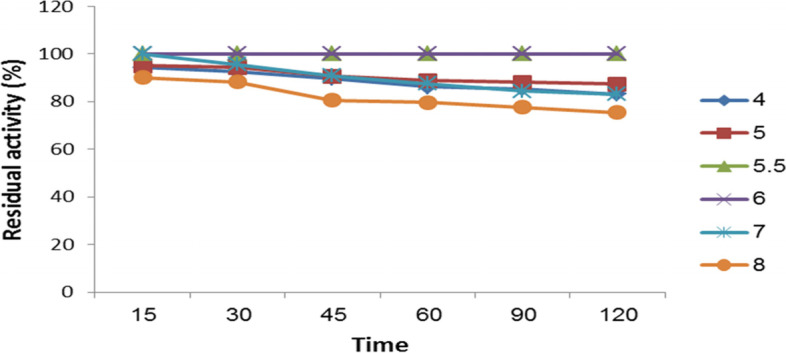
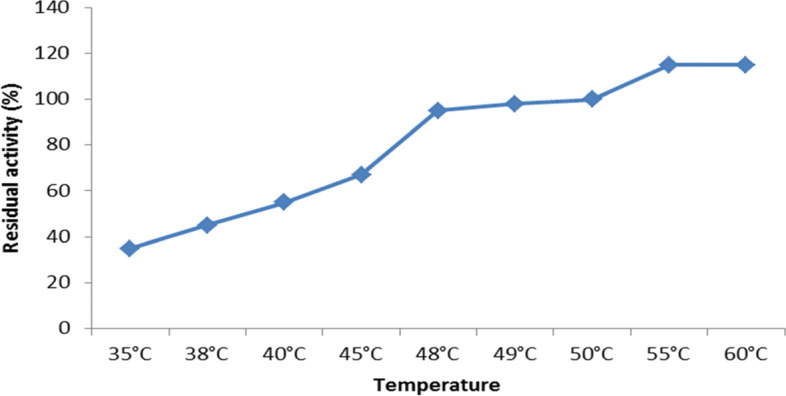
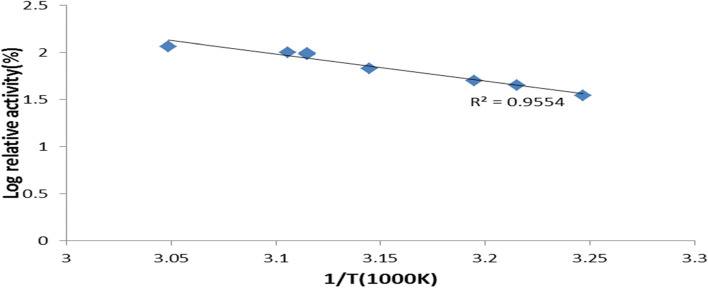
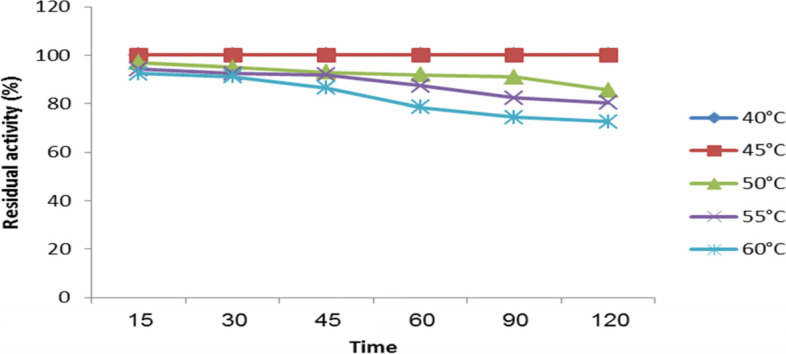
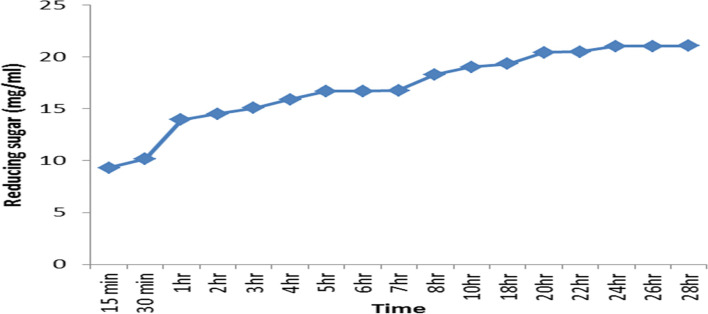
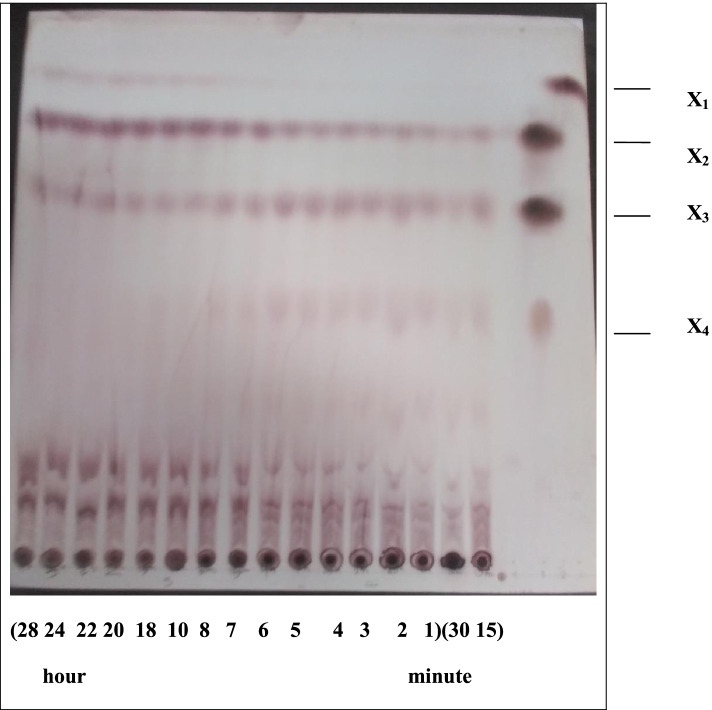
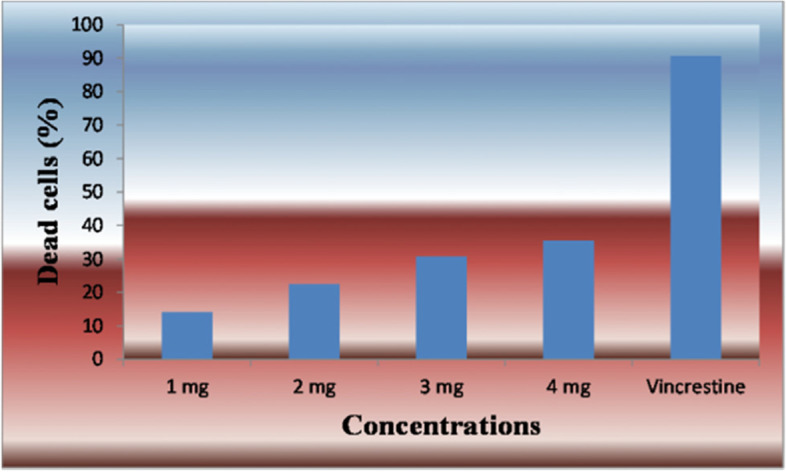
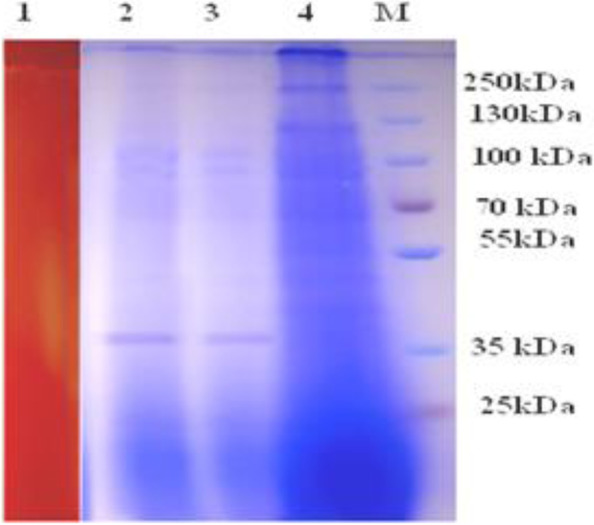
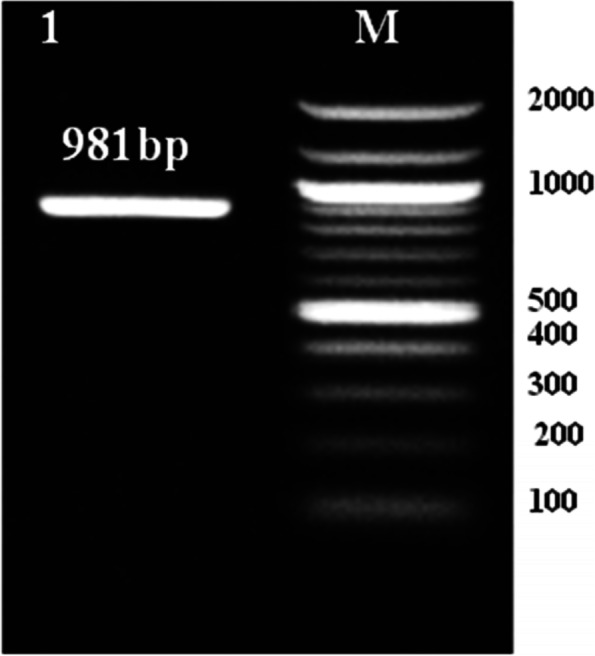
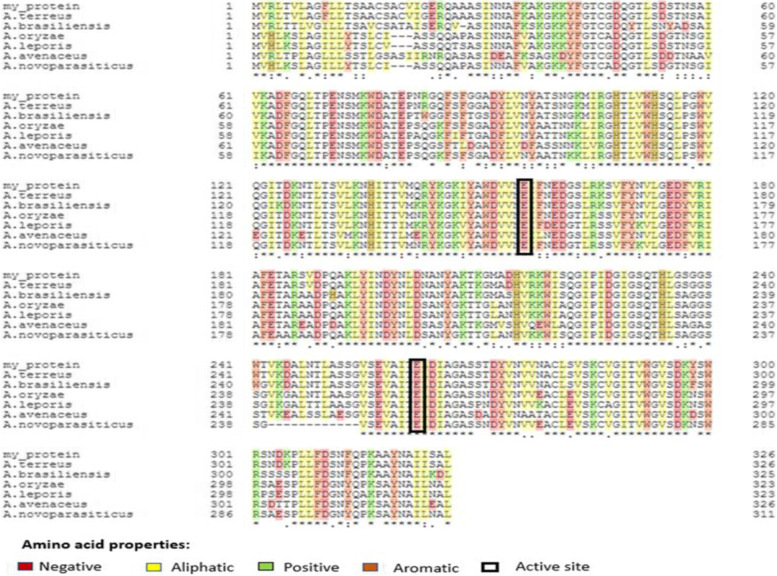
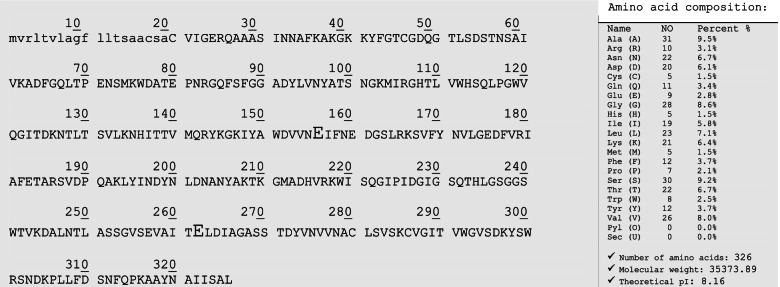
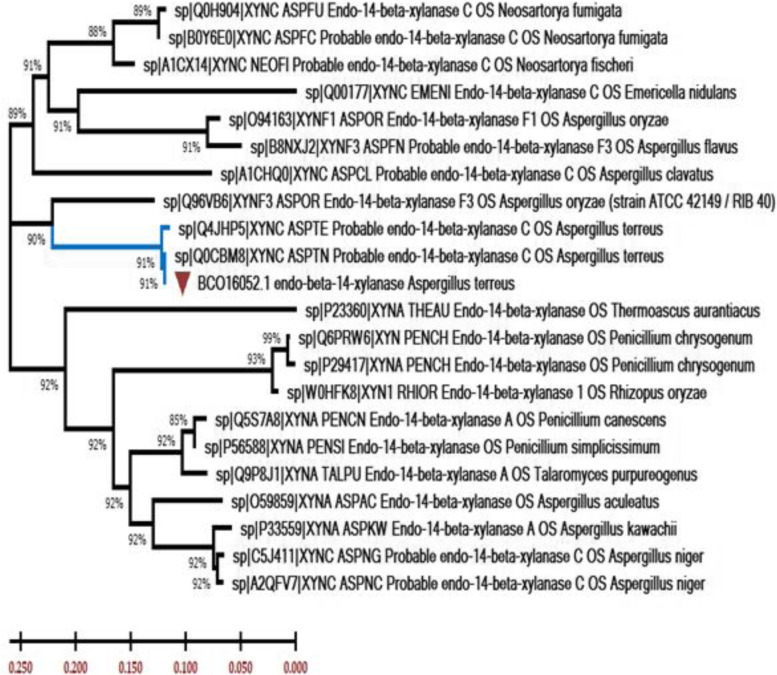
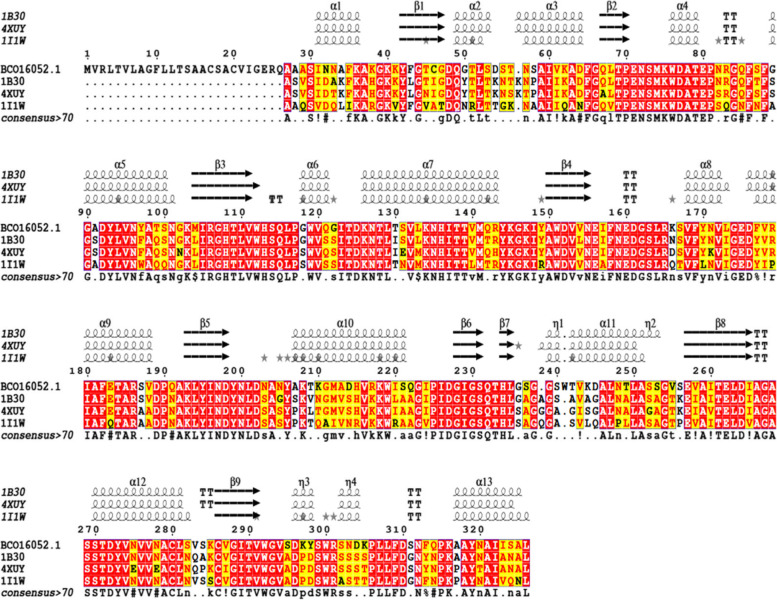
A. terreus strain RGS Eg-NRC, a local isolate from agro-wastes, was first identified by sequencing the internal transcribed spacer region of a nuclear DNA encoding gene cluster deposited in GenBank (accession number MW282328). Before optimization of xylanase production, A. terreus produced 20.23 U/g of xylanase after 7 days using castor cake as a substrate in a solid-state fermentation (SSF) system that was employed to achieve ricin detoxification and stimulate xylanase production. Physicochemical parameters for the production of xylanase were optimized by using a one-variable-at-a-time approach and two statistical methods (two-level Plackett-Burman design and central composite design, CCD). The maximum xylanase yield after optimization was increased by 12.1-fold (245 U/g). A 60-70% saturation of ammonium sulfate resulted in partially purified xylanase with a specific activity of 3.9 IU/mg protein. At 60 °C and pH 6, the partially purified xylanase had the highest activity, and the activation energy (Ea) was 23.919 kJmol. Subsequently, antioxidant capacity and cytotoxicity tests in normal Ehrlich ascites carcinoma human cells demonstrated xylooligosaccharides produced by the xylanase degradation of xylan as a potent antioxidant and moderate antitumor agent. Further investigations with sodium dodecyl sulfate polyacrylamide gel electrophoresis then determined the molecular weight of partially purified xylanase C to be 36 kDa. Based on the conserved regions, observations revealed that xylanase C belonged to the glycosyl hydrolase family 10. Next, the xylanase-encoding gene (xynC), which has an open reading frame of 981 bp and encodes a protein with 326 amino acids, was isolated, sequenced, and submitted to the NCBI GenBank database (accession number LC595779.1). Molecular docking analysis finally revealed that Glu156, Glu262, and Lys75 residues were involved in the substrate-binding and protein-ligand interaction site of modeled xylanase, with a binding affinity of -8.7 kcal. mol CONCLUSION: The high production of safe and efficient xylanase could be achieved using economical materials such as Ricinus communis.
利用来自高效微生物的足够经济高效的底物生产木聚糖酶等工业酶被认为在经济上是可行的。研究报道蓖麻饼(蓖麻)是通过土曲霉生产木聚糖酶C最有效的且廉价的替代碳源。
首先通过对保存在GenBank中的编码基因簇的核DNA的内部转录间隔区进行测序,鉴定了从农业废弃物中分离得到的土曲霉菌株RGS Eg-NRC(登录号MW282328)。在优化木聚糖酶生产之前,土曲霉在固态发酵(SSF)系统中以蓖麻饼为底物培养7天后,木聚糖酶产量为20.23 U/g,该系统用于实现蓖麻毒素解毒并刺激木聚糖酶的产生。采用一次改变一个变量的方法和两种统计方法(二级Plackett-Burman设计和中心复合设计,CCD)对木聚糖酶生产的理化参数进行了优化。优化后木聚糖酶的最大产量提高了12.1倍(245 U/g)。60 - 70%饱和度的硫酸铵使部分纯化的木聚糖酶的比活性达到3.9 IU/mg蛋白质。在60℃和pH 6条件下,部分纯化的木聚糖酶活性最高,活化能(Ea)为23.919 kJ/mol。随后,在正常艾氏腹水癌人细胞中的抗氧化能力和细胞毒性测试表明,木聚糖酶降解木聚糖产生的低聚木糖是一种有效的抗氧化剂和中度抗肿瘤剂。进一步用十二烷基硫酸钠聚丙烯酰胺凝胶电泳进行研究,确定部分纯化的木聚糖酶C的分子量为36 kDa。基于保守区域的观察表明,木聚糖酶C属于糖基水解酶家族10。接下来,分离、测序了编码木聚糖酶的基因(xynC),其开放阅读框为981 bp,编码一个含有326个氨基酸的蛋白质,并提交到NCBI GenBank数据库(登录号LC595779.1)。分子对接分析最终表明,Glu156、Glu262和Lys75残基参与了模拟木聚糖酶的底物结合和蛋白质 - 配体相互作用位点,结合亲和力为-8.7 kcal/mol。
使用蓖麻等经济材料可以实现安全高效的木聚糖酶的高产。