Vanderbilt Brain Institute, Vanderbilt University, Nashville, Tennessee.
Department of Psychiatry and Behavioral Sciences, Northwestern University Feinberg School of Medicine, Chicago, Illinois.
Biol Psychiatry. 2022 Nov 1;92(9):739-749. doi: 10.1016/j.biopsych.2022.05.012. Epub 2022 May 17.
Stress-related disorders are among the most prevalent psychiatric disorders, characterized by excess fear and enhanced avoidance of trauma triggers. Elucidating the mechanisms regulating temporally distinct aspects of innate and conditioned fear responses could facilitate novel therapeutic development for stress-related disorders. One potential target that has recently emerged is the endocannabinoid system, which has been reported to mediate the physiological response to stress and represents an important substrate underlying individual differences in stress susceptibility.
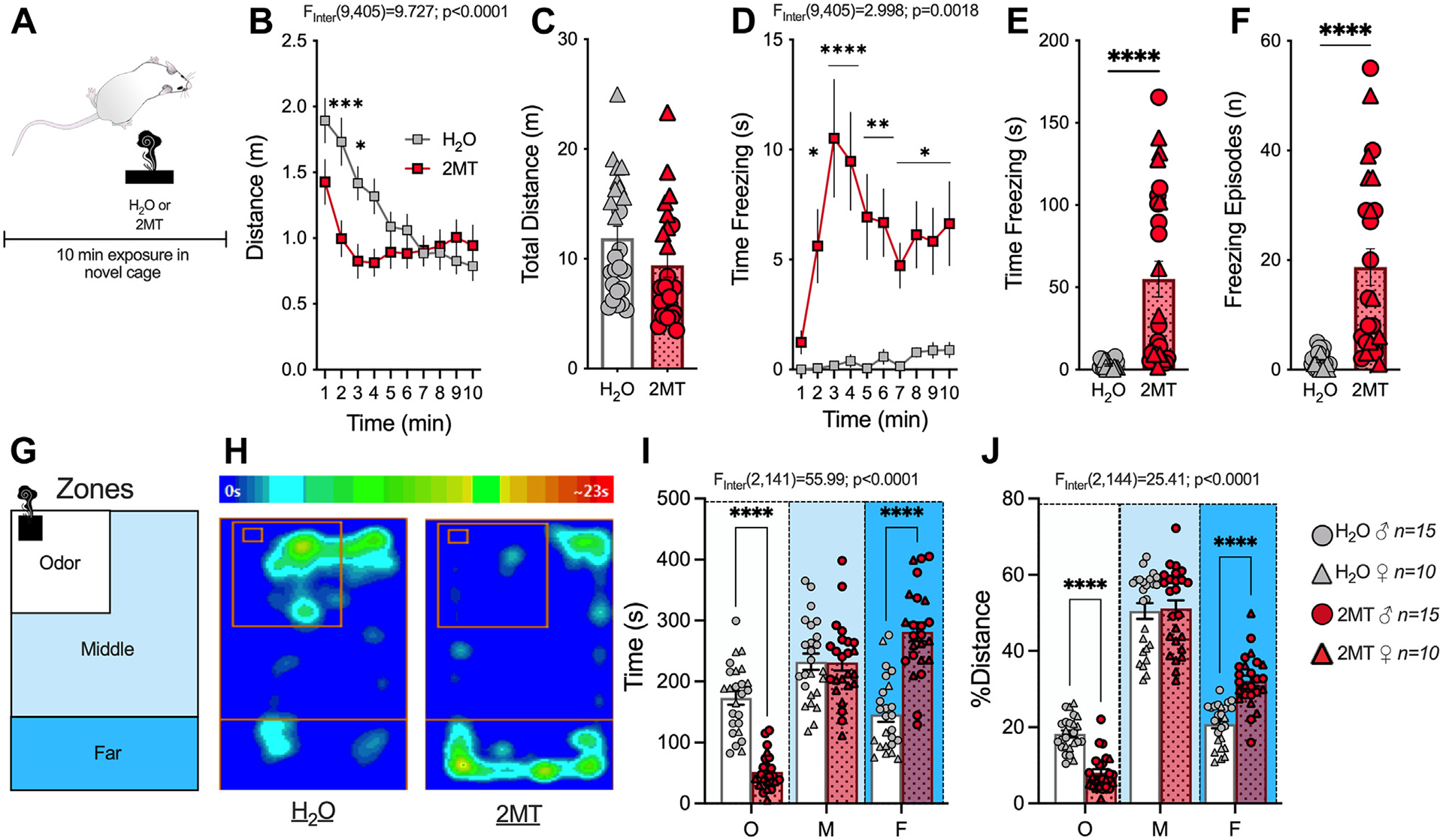
Here, we exposed male and female CD-1 mice to an innate predator stressor, 2MT (2-methyl-2-thiazoline), to investigate the ability of endocannabinoid signaling to modulate temporally distinct innate and conditioned fear behaviors.
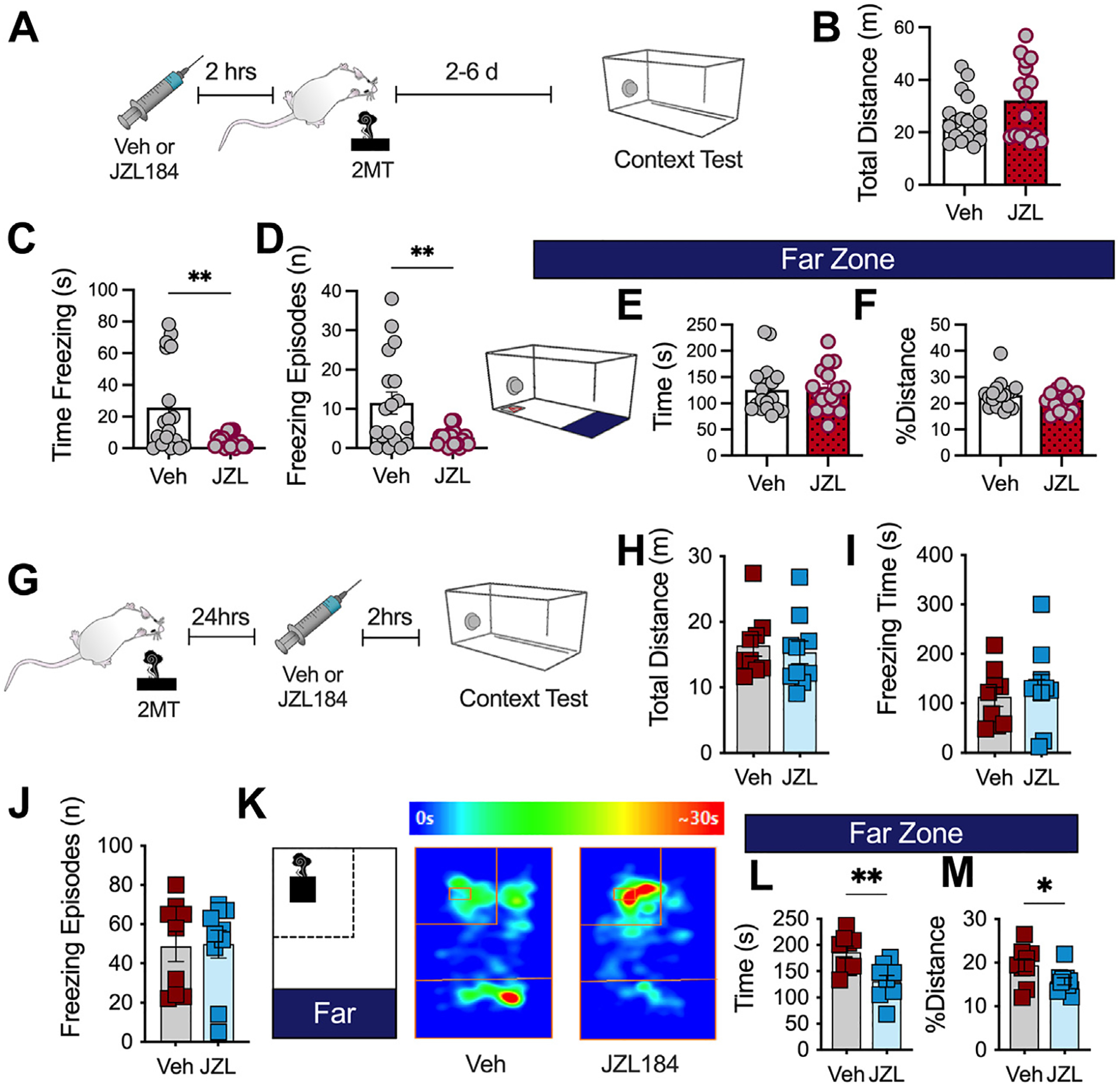
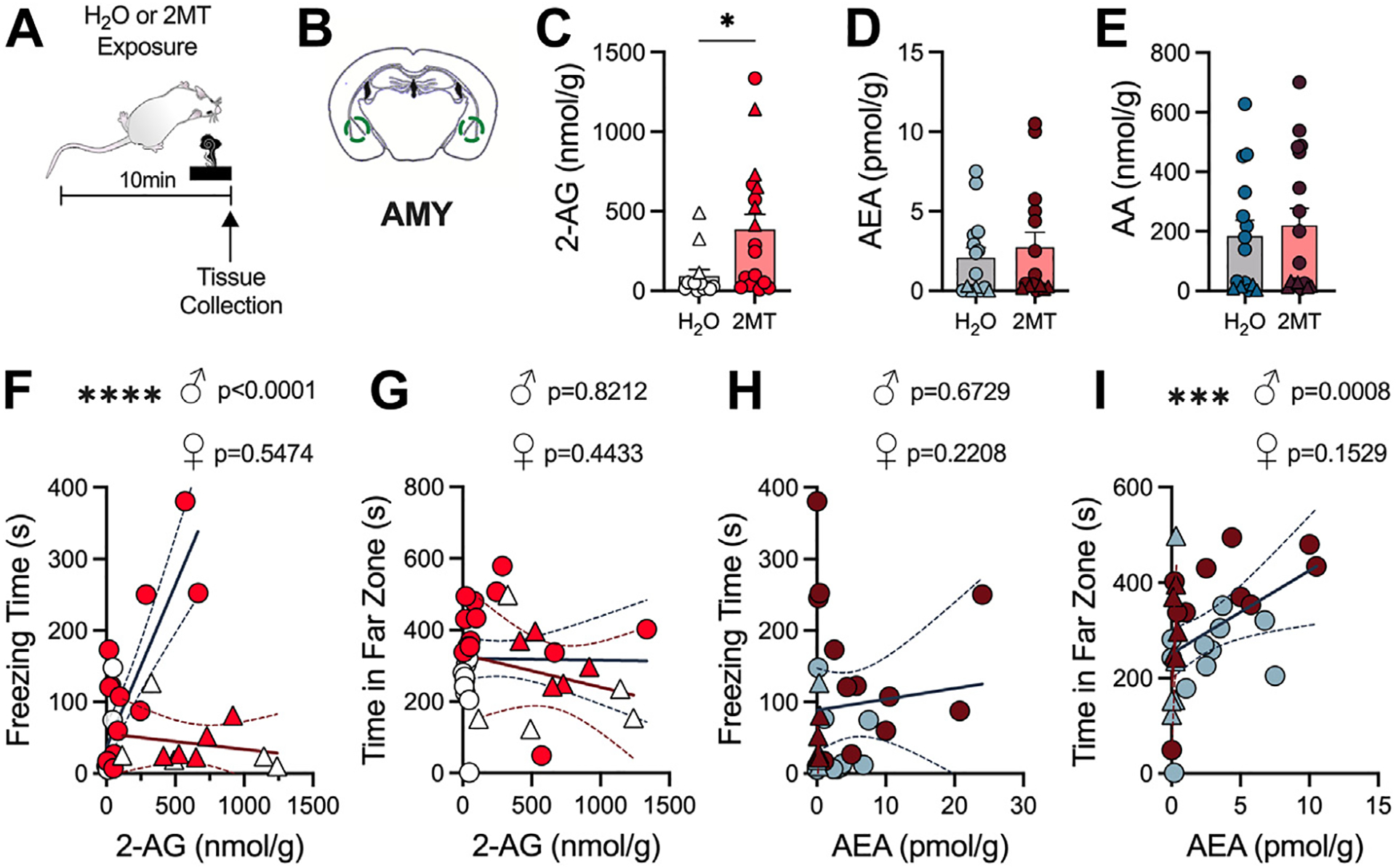
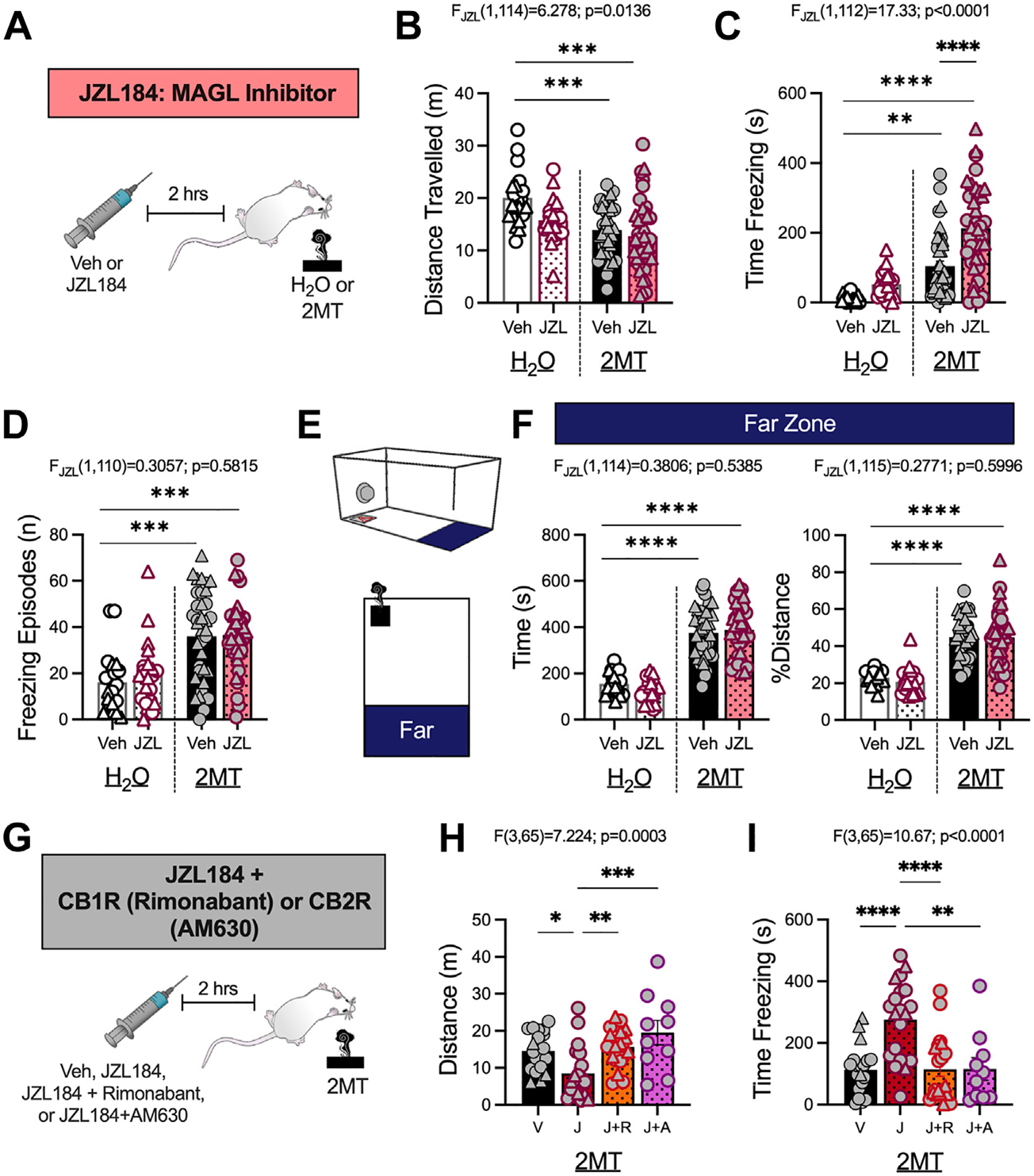
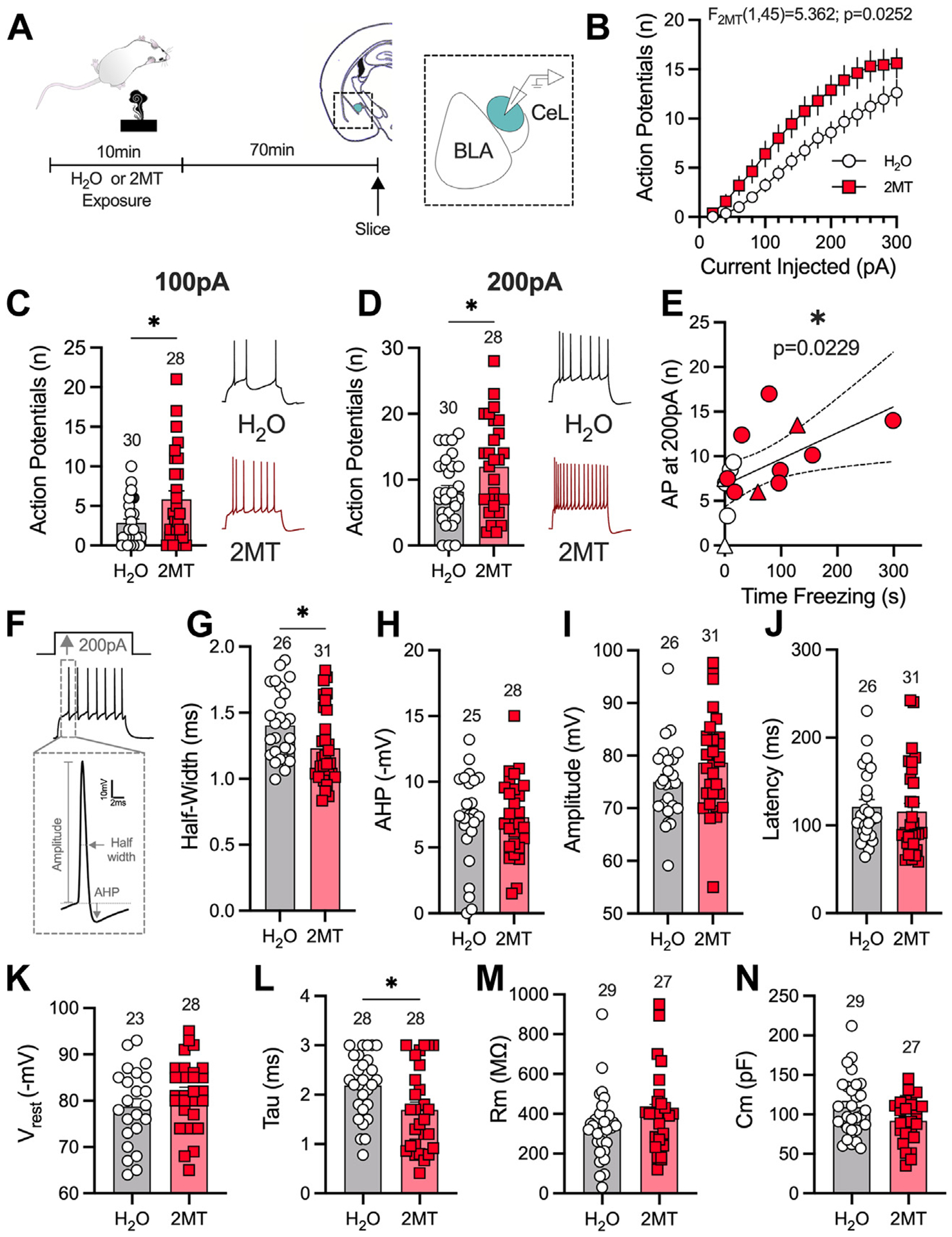
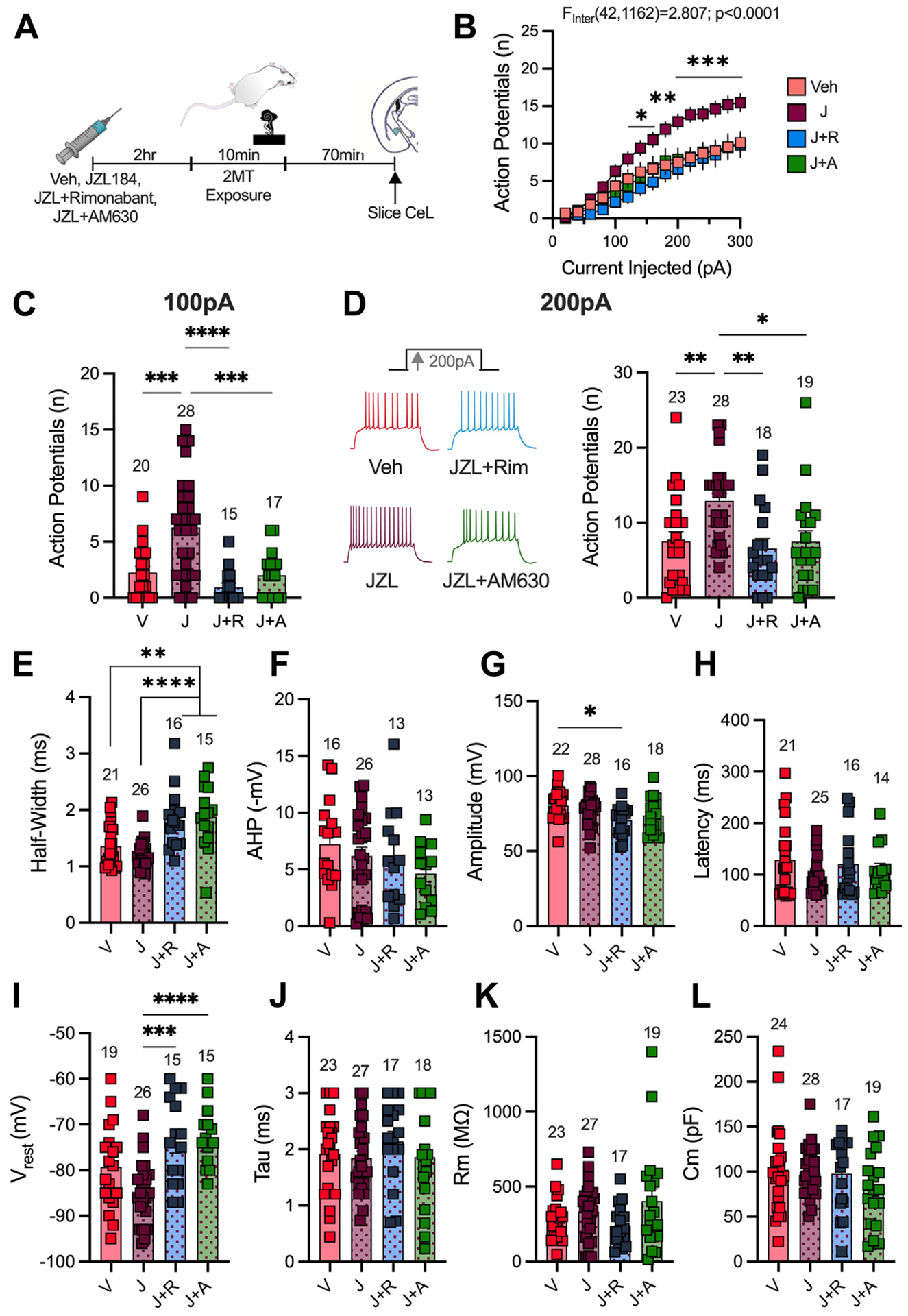
We found that 2MT exposure increased amygdala 2-AG (2-arachidonoylglycerol) content and selectively increased excitability in central, but not basolateral, amygdala neurons. We also found that pharmacological 2-AG augmentation during stress exposure exacerbated both acute freezing responses and central amygdala hyperexcitability via cannabinoid receptor type 1- and type 2-dependent mechanisms. Finally, 2-AG augmentation during stress exposure reduced long-term contextual conditioned freezing, and 2-AG augmentation 24 hours after stress exposure reduced conditioned avoidance behavior.
Our findings demonstrate a bidirectional effect of 2-AG augmentation on innate and conditioned fear behavior, with enhancement of 2-AG levels during stress promoting innate fear responses but ultimately resulting in long-term conditioned fear reduction. These data could reconcile contradictory data on the role of 2-AG in the regulation of innate and conditioned fear-related behavioral responses.
与压力相关的障碍是最常见的精神障碍之一,其特征是过度恐惧和增强对创伤触发因素的回避。阐明调节先天和条件性恐惧反应的时间上不同方面的机制,可以促进针对与压力相关的障碍的新型治疗方法的开发。最近出现的一个潜在靶点是内源性大麻素系统,据报道该系统介导了对压力的生理反应,并且是个体对压力易感性差异的重要基础。
在这里,我们使雄性和雌性 CD-1 小鼠暴露于先天捕食者应激源 2MT(2-甲基-2-噻唑啉),以研究内源性大麻素信号传导调节先天和条件性恐惧行为的时间上不同方面的能力。
我们发现,2MT 暴露增加了杏仁核中的 2-AG(2-花生四烯酸甘油)含量,并选择性地增加了中央但不是基底杏仁核神经元的兴奋性。我们还发现,在应激暴露期间,2-AG 的药理学增强通过大麻素受体 1 型和 2 型依赖性机制加剧了急性冻结反应和中央杏仁核的过度兴奋。最后,应激暴露期间的 2-AG 增强减少了长期的情境条件性冻结,而应激后 24 小时的 2-AG 增强减少了条件性回避行为。
我们的研究结果表明,2-AG 增强对先天和条件性恐惧行为具有双向作用,应激期间 2-AG 水平的增强促进了先天恐惧反应,但最终导致长期条件性恐惧反应的减少。这些数据可以调和关于 2-AG 在调节先天和条件性恐惧相关行为反应中的作用的矛盾数据。