Department of Applied Health Sciences, Division of Physiotherapy, Hochschule für Gesundheit (University of Applied Sciences), Gesundheitscampus 6-8, 44801, Bochum, Germany.
Center for Muscle and Bone Research, Charité - University Medicine Berlin, Hindenburgdamm 30, 12203, Berlin, Germany.
BMC Musculoskelet Disord. 2022 Aug 13;23(1):772. doi: 10.1186/s12891-022-05684-0.
Astronauts have a higher risk of cervical intervertebral disc herniation. Several mechanisms have been attributed as causative factors for this increased risk. However, most of the previous studies have examined potential causal factors for lumbar intervertebral disc herniation only. Hence, we aim to conduct a study to identify the various changes in the cervical spine that lead to an increased risk of cervical disc herniation after spaceflight.
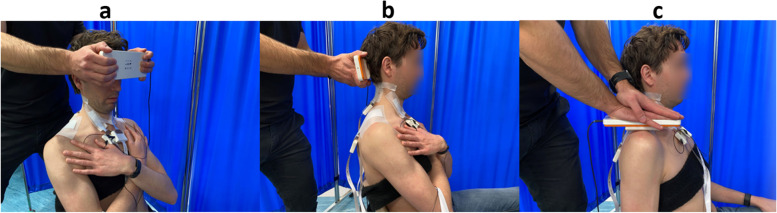
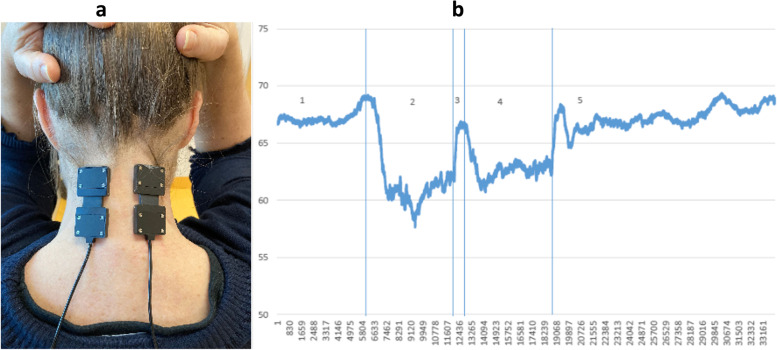
A cohort study with astronauts will be conducted. The data collection will involve four main components: a) Magnetic resonance imaging (MRI); b) cervical 3D kinematics; c) an Integrated Protocol consisting of maximal and submaximal voluntary contractions of the neck muscles, endurance testing of the neck muscles, neck muscle fatigue testing and questionnaires; and d) dual energy X-ray absorptiometry (DXA) examination. Measurements will be conducted at several time points before and after astronauts visit the International Space Station. The main outcomes of interest are adaptations in the cervical discs, muscles and bones.
Astronauts are at higher risk of cervical disc herniation, but contributing factors remain unclear. The results of this study will inform future preventive measures for astronauts and will also contribute to the understanding of intervertebral disc herniation risk in the cervical spine for people on Earth. In addition, we anticipate deeper insight into the aetiology of neck pain with this research project.
German Clinical Trials Register, DRKS00026777. Registered on 08 October 2021.
宇航员患颈椎间盘突出症的风险较高。有几种机制被认为是导致这种风险增加的原因。然而,大多数先前的研究仅检查了腰椎间盘突出症的潜在因果因素。因此,我们旨在进行一项研究,以确定导致航天飞行后颈椎间盘突出症风险增加的颈椎各种变化。
将对宇航员进行队列研究。数据收集将包括四个主要部分:a)磁共振成像(MRI);b)颈椎 3D 运动学;c)包括颈部肌肉最大和次最大自主收缩、颈部肌肉耐力测试、颈部肌肉疲劳测试和问卷调查的综合方案;以及 d)双能 X 射线吸收法(DXA)检查。将在宇航员访问国际空间站前后的几个时间点进行测量。主要观察结果是颈椎间盘、肌肉和骨骼的适应性变化。
宇航员患颈椎间盘突出症的风险较高,但促成因素尚不清楚。本研究的结果将为宇航员提供未来的预防措施,并有助于了解地球上人们颈椎间盘突出症的风险。此外,我们预计通过这个研究项目可以更深入地了解颈部疼痛的病因。
德国临床试验注册处,DRKS00026777。注册于 2021 年 10 月 8 日。