Hölscher Christian
Academy of Chinese Medical Sciences, Henan University of Chinese Medicine, Zhengzhou, China.
Front Synaptic Neurosci. 2022 Jul 27;14:955258. doi: 10.3389/fnsyn.2022.955258. eCollection 2022.
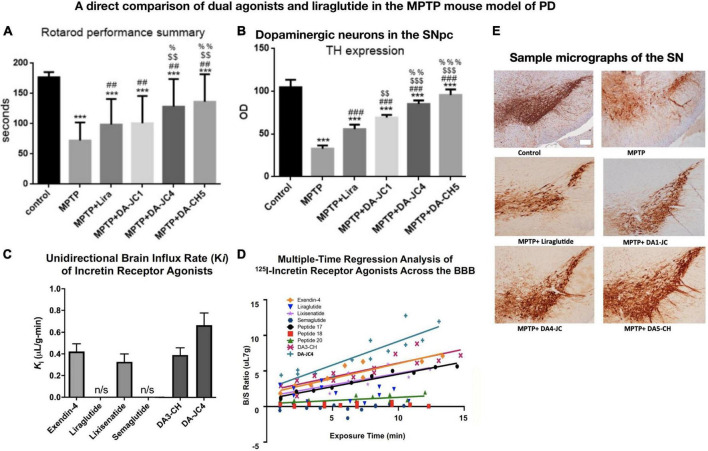
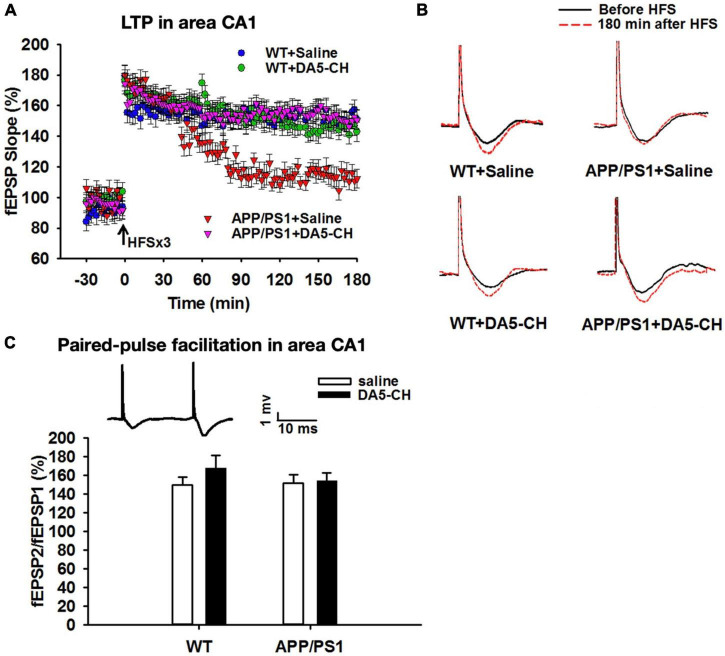
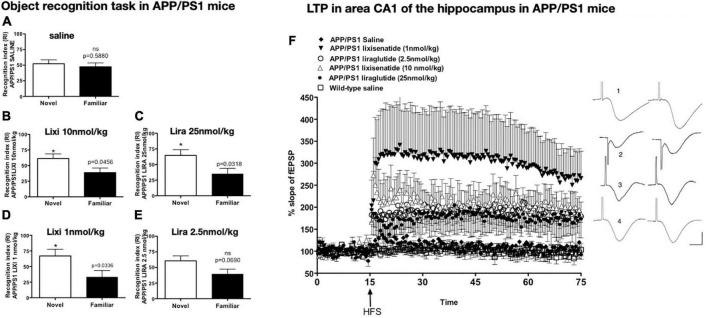
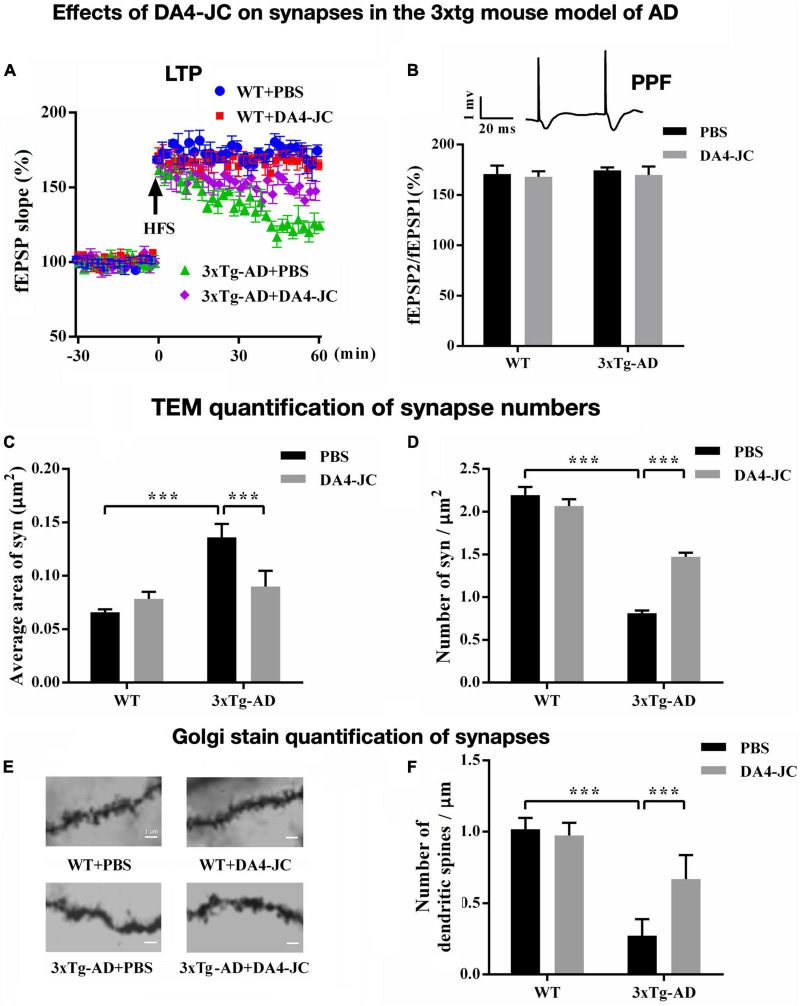
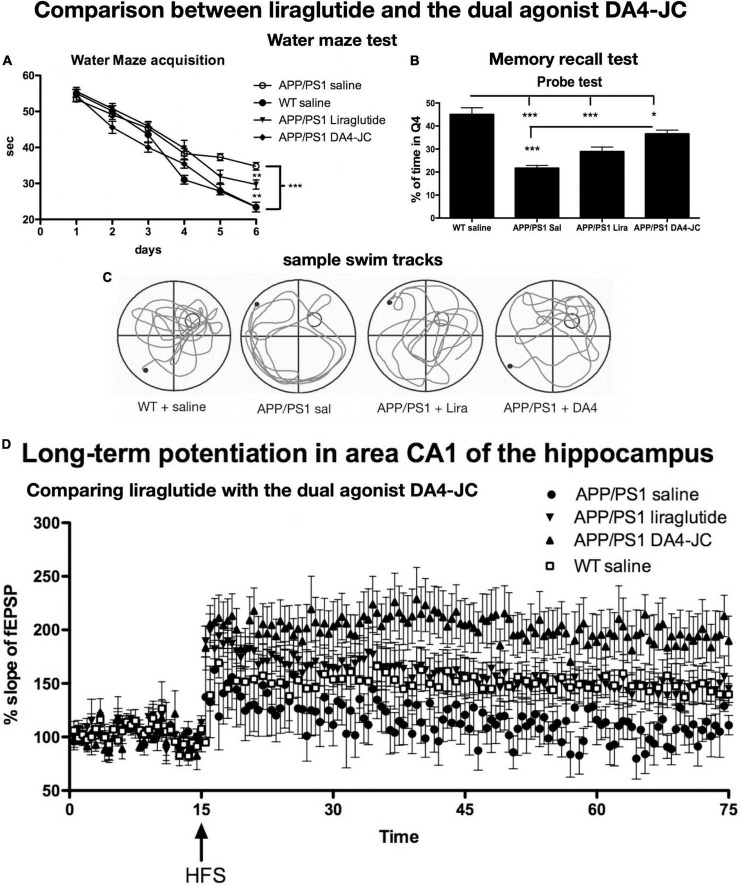
Glucagon-like peptide 1 (GLP-1) and glucose-dependent insulinotropic peptide (GIP) are peptide hormones and growth factors. A major pathological feature of both Alzheimer's dis-ease (AD) and Parkinson's disease (PD) is the loss of synaptic transmission in the cortex in AD and the loss of dopaminergic synapses in the nigra-striatal dopaminergic projection. Several studies demonstrate that GLP-1 and GIP receptor agonists protect synapses and synaptic transmission from the toxic events that underlie AD and PD. In a range of AD animal models, treatment with GLP-1, GIP, or dual-GLP-1/GIP receptor agonists effectively protected cognition, synaptic trans-mission, long-term potentiation (LTP), and prevented the loss of synapses and neurons. In PD models, dopaminergic production resumed and synapses became functional again. Importantly, the GLP-1 receptor agonists exendin-4 and liraglutide have shown good protective effects in clinical trials in AD and PD patients. Studies show that growth factors and peptide drugs that can cross the blood-brain barrier (BBB) better are more potent than those that do not cross the BBB. We therefore developed dual-GLP-1/GIP receptor agonists that can cross the BBB at an enhanced rate and showed superior protective properties on synapses in animal models of AD and PD.
胰高血糖素样肽1(GLP-1)和葡萄糖依赖性促胰岛素多肽(GIP)是肽类激素和生长因子。阿尔茨海默病(AD)和帕金森病(PD)的一个主要病理特征是,AD患者大脑皮质的突触传递丧失,PD患者黑质-纹状体多巴胺能投射中的多巴胺能突触丧失。多项研究表明,GLP-1和GIP受体激动剂可保护突触和突触传递免受引发AD和PD的毒性事件影响。在一系列AD动物模型中,用GLP-1、GIP或双GLP-1/GIP受体激动剂进行治疗可有效保护认知、突触传递、长时程增强(LTP),并防止突触和神经元丧失。在PD模型中,多巴胺能生成恢复,突触再次发挥功能。重要的是,GLP-1受体激动剂艾塞那肽-4和利拉鲁肽在AD和PD患者的临床试验中显示出良好的保护作用。研究表明,能够更好地穿过血脑屏障(BBB)的生长因子和肽类药物比不能穿过血脑屏障的药物更有效。因此,我们开发了能够以更快速度穿过血脑屏障的双GLP-1/GIP受体激动剂,并在AD和PD动物模型中对突触显示出卓越的保护特性。