Department of Microbiology and Immunology, Medical College of Wisconsin, Milwaukee, Wisconsin, USA.
Versiti Blood Research Institute, Milwaukee, Wisconsin, USA.
mBio. 2022 Aug 30;13(4):e0210722. doi: 10.1128/mbio.02107-22. Epub 2022 Aug 15.
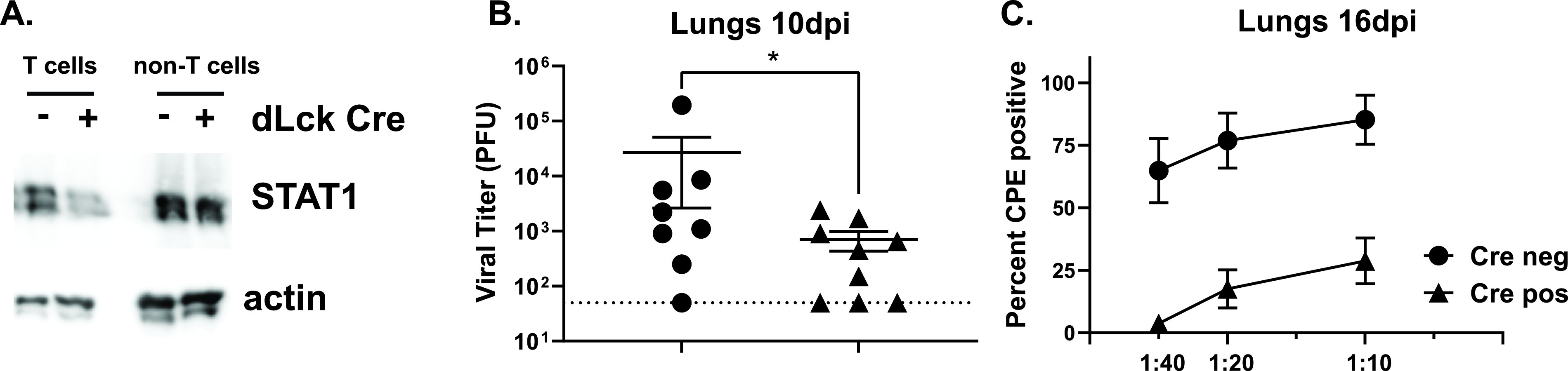
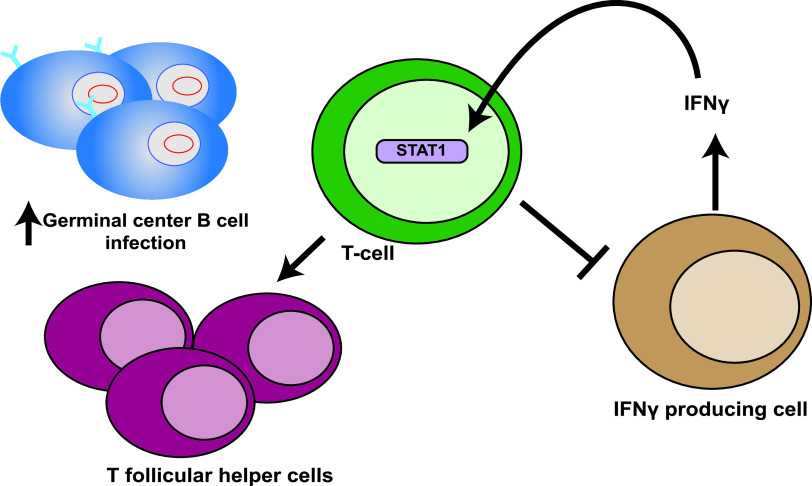
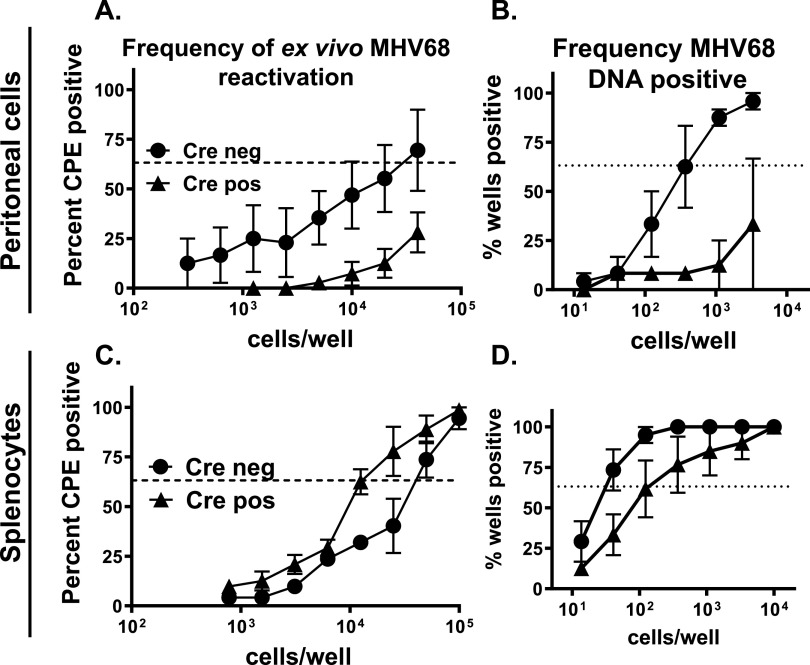
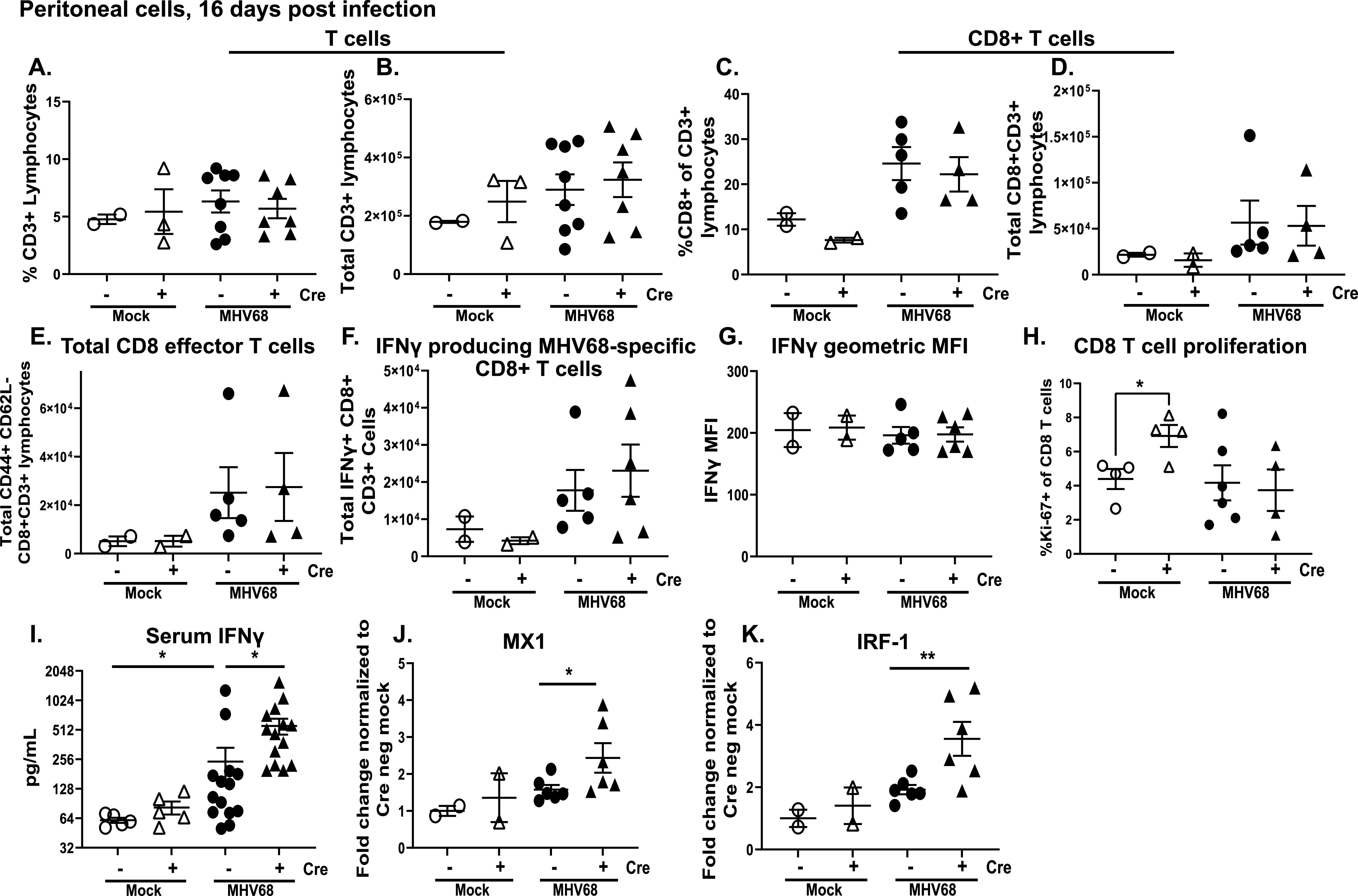
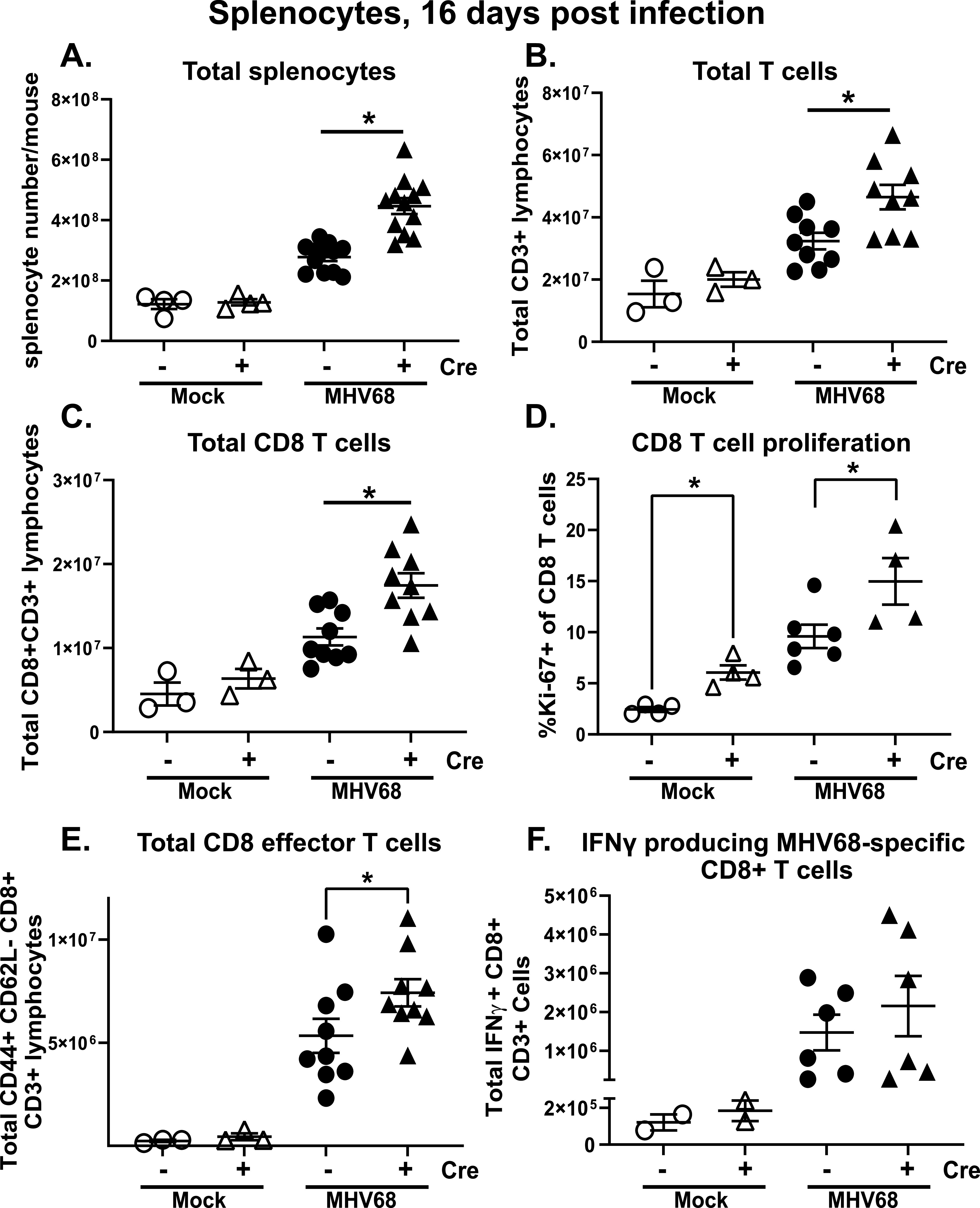
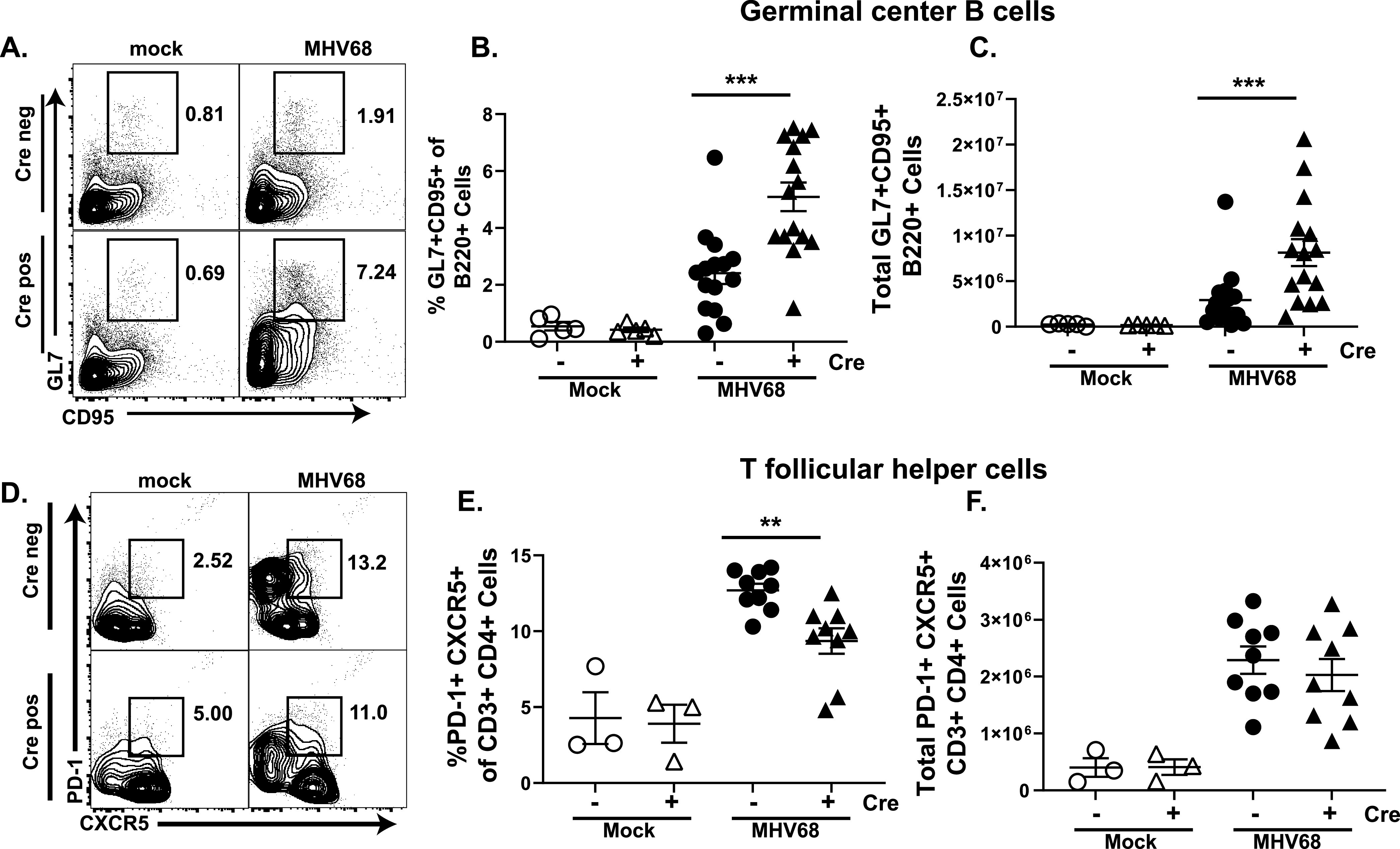
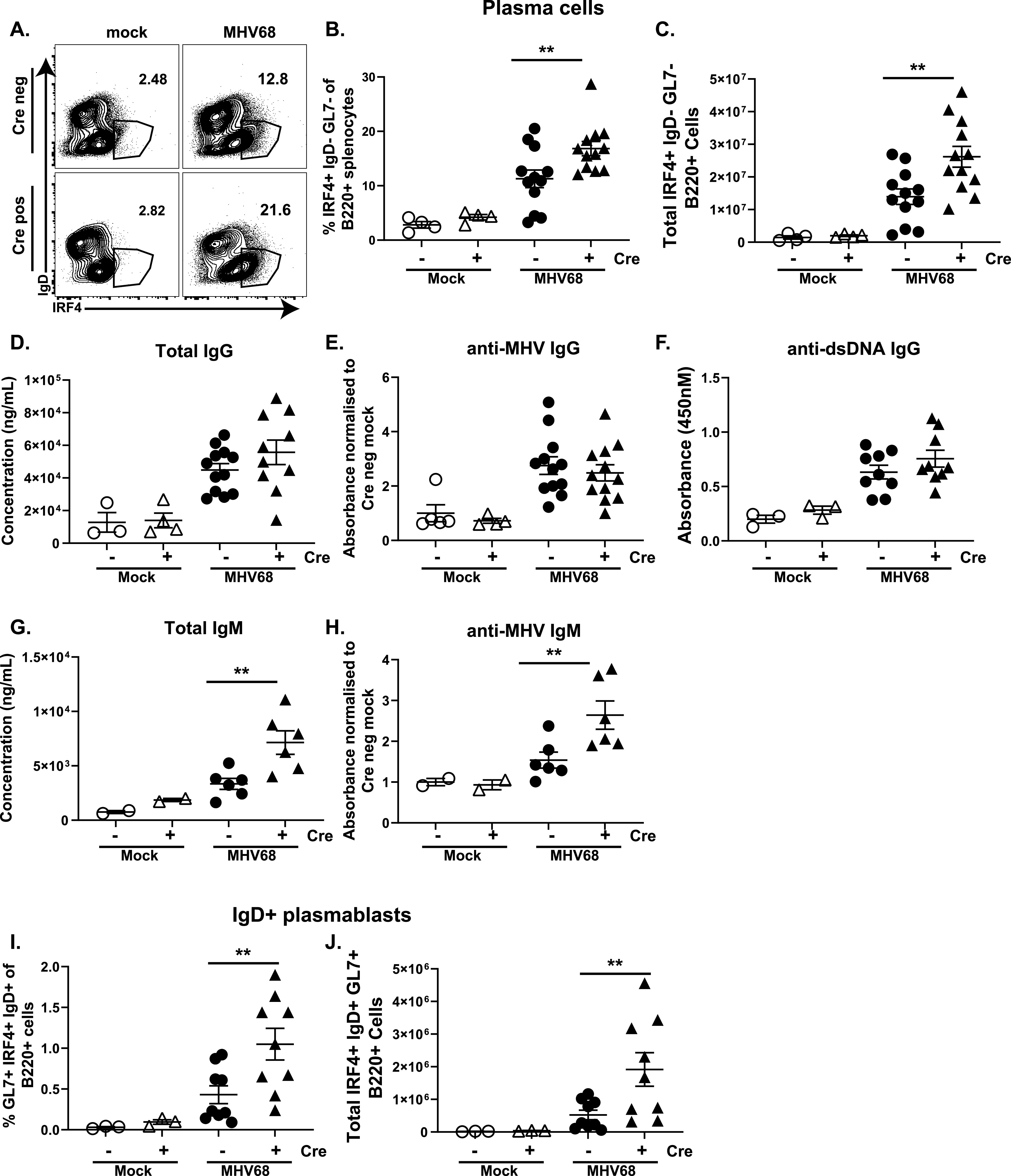
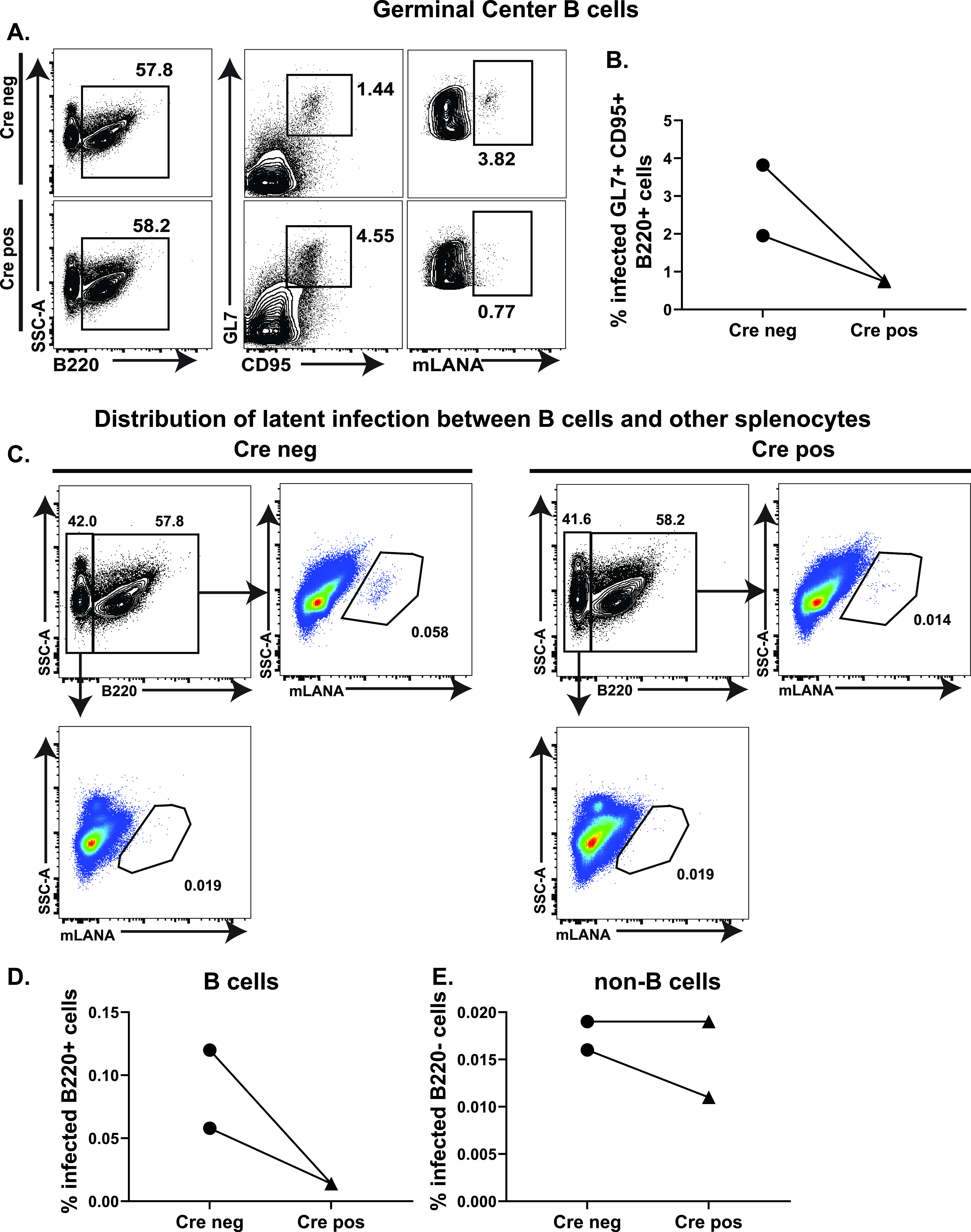
Gammaherpesviruses establish lifelong infections in most vertebrate species, including humans and rodents, and are associated with cancers, including B cell lymphomas. While type I and II interferon (IFN) systems of the host are critical for the control of acute and chronic gammaherpesvirus infection, the cell type-specific role(s) of IFN signaling during infection is poorly understood and is often masked by the profoundly altered viral pathogenesis in the hosts with global IFN deficiencies. STAT1 is a critical effector of all classical IFN responses along with its involvement in other cytokine signaling pathways. In this study, we defined the effect of T cell-specific STAT1 deficiency on the viral and host parameters of infection with murine gammaherpesvirus 68 (MHV68). MHV68 is a natural rodent pathogen that, similar to human gammaherpesviruses, manipulates and usurps B cell differentiation to establish a lifelong latent reservoir in B cells. Specifically, germinal center B cells host the majority of latent MHV68 reservoir in the lymphoid organs, particularly at the peak of viral latency. Unexpectedly, T cell-specific STAT1 expression, while limiting the overall expansion of the germinal center B cell population during chronic infection, rendered these B cells more effective at hosting the latent virus reservoir. Further, T cell-specific STAT1 expression in a wild type host limited circulating levels of IFNγ, with corresponding increases in lytic MHV68 replication and viral reactivation. Thus, our study unveils an unexpected proviral role of T cell-specific STAT1 expression during gammaherpesvirus infection of a natural intact host. Interferons (IFNs) represent a major antiviral host network vital to the control of multiple infections, including acute and chronic gammaherpesvirus infections. Ubiquitously expressed STAT1 plays a critical effector role in all classical IFN responses. This study utilized a mouse model of T cell-specific STAT1 deficiency to define cell type-intrinsic role of STAT1 during natural gammaherpesvirus infection. Unexpectedly, T cell-specific loss of STAT1 led to better control of acute and persistent gammaherpesvirus replication and decreased establishment of latent viral reservoir in B cells, revealing a surprisingly diverse proviral role of T cell-intrinsic STAT1.
γ疱疹病毒在包括人类和啮齿动物在内的大多数脊椎动物物种中建立终身感染,并与癌症有关,包括 B 细胞淋巴瘤。虽然宿主的 I 型和 II 型干扰素 (IFN) 系统对控制急性和慢性 γ疱疹病毒感染至关重要,但 IFN 信号在感染过程中的细胞类型特异性作用尚不清楚,并且通常被宿主中广泛 IFN 缺陷导致的病毒发病机制的深刻改变所掩盖。STAT1 是所有经典 IFN 反应的关键效应因子,同时也参与其他细胞因子信号通路。在这项研究中,我们定义了 T 细胞特异性 STAT1 缺陷对小鼠 γ疱疹病毒 68 (MHV68) 感染的病毒和宿主参数的影响。MHV68 是一种天然的啮齿动物病原体,与人类 γ疱疹病毒类似,它操纵和篡夺 B 细胞分化,在 B 细胞中建立终身潜伏储库。具体来说,生发中心 B 细胞是淋巴器官中潜伏 MHV68 储库的主要宿主,特别是在病毒潜伏高峰期。出乎意料的是,T 细胞特异性 STAT1 表达虽然限制了慢性感染期间生发中心 B 细胞群体的总体扩增,但使这些 B 细胞更有效地容纳潜伏病毒储库。此外,野生型宿主中的 T 细胞特异性 STAT1 表达限制了循环 IFNγ 的水平,相应地增加了裂解性 MHV68 的复制和病毒再激活。因此,我们的研究揭示了在天然完整宿主的 γ疱疹病毒感染过程中,T 细胞特异性 STAT1 表达的意外辅助病毒作用。干扰素 (IFN) 代表一个主要的抗病毒宿主网络,对多种感染(包括急性和慢性 γ疱疹病毒感染)的控制至关重要。广泛表达的 STAT1 在所有经典 IFN 反应中发挥关键效应因子作用。本研究利用 T 细胞特异性 STAT1 缺陷的小鼠模型来定义 STAT1 在天然 γ疱疹病毒感染中的细胞类型固有作用。出乎意料的是,T 细胞特异性 STAT1 的缺失导致急性和持续性 γ疱疹病毒复制的更好控制,并减少了 B 细胞中潜伏病毒储库的建立,揭示了 T 细胞内在 STAT1 的惊人多样化辅助病毒作用。