Tsujinaka Shingo, Kakizawa Nao, Hatsuzawa Yuuri, Maemoto Ryo, Matsuzawa Natsumi, Tamaki Sawako, Takayama Yuji, Miyakura Yasuyuki, Rikiyama Toshiki
Surgery, Saitama Medical Center, Jichi Medical University, Saitama, JPN.
Surgery, Saitama Medical Center, Jichi Medical Univeristy, Saitama, JPN.
Cureus. 2022 Aug 20;14(8):e28193. doi: 10.7759/cureus.28193. eCollection 2022 Aug.
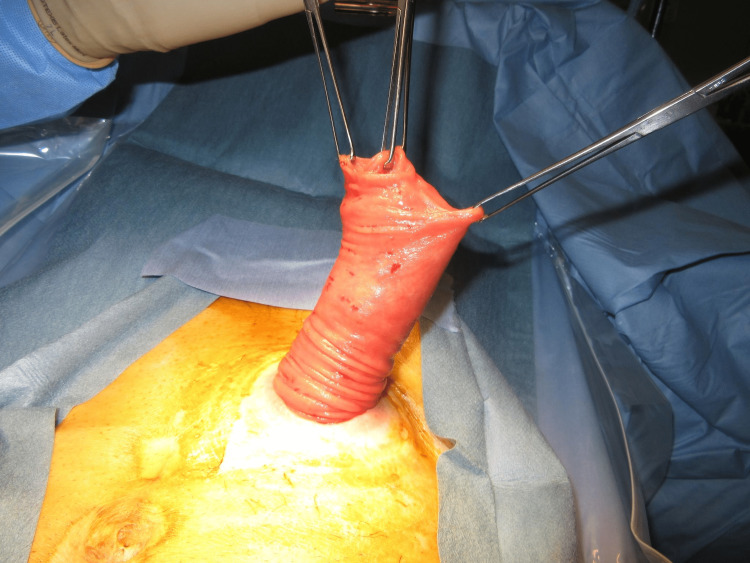
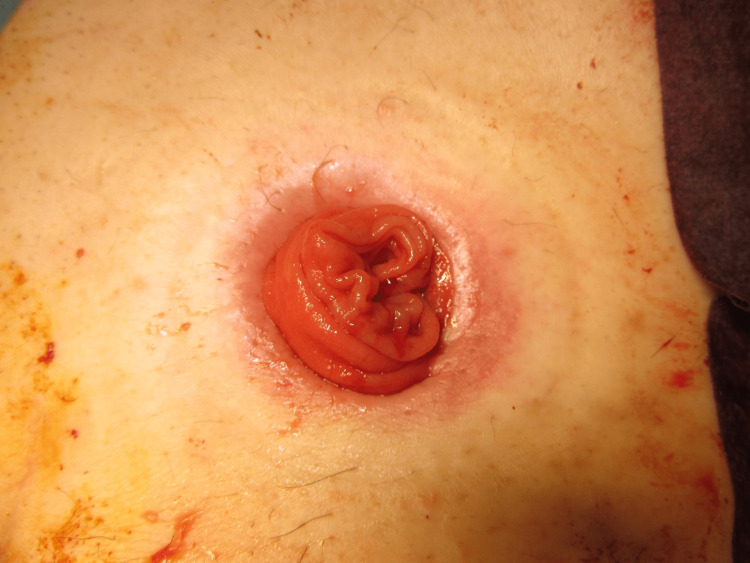
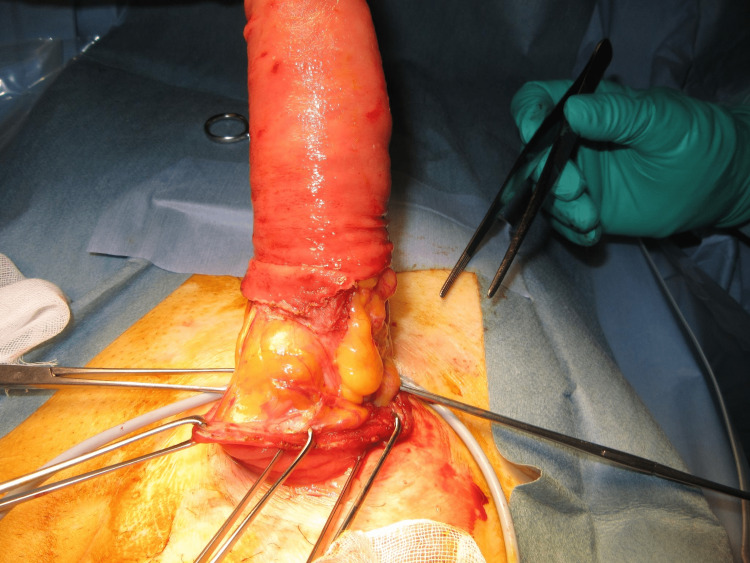
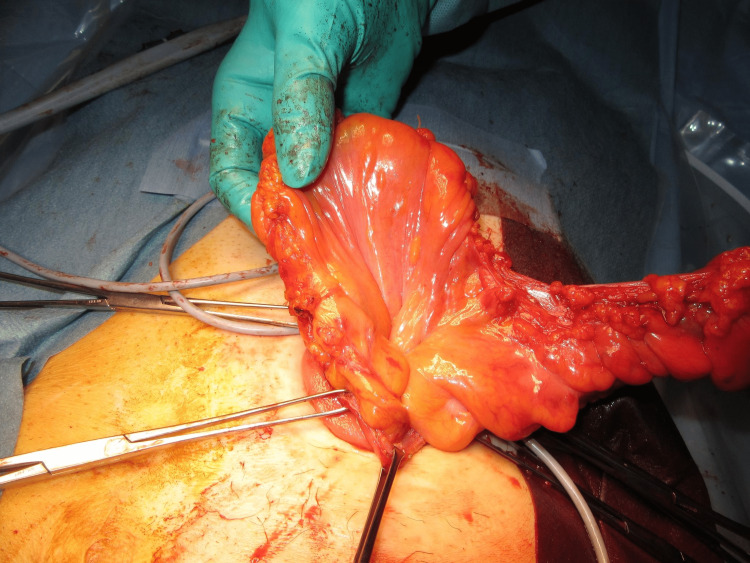
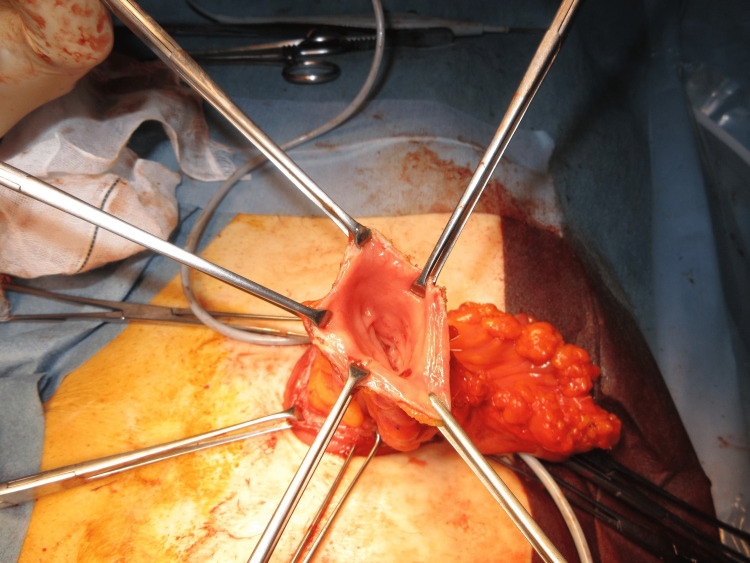
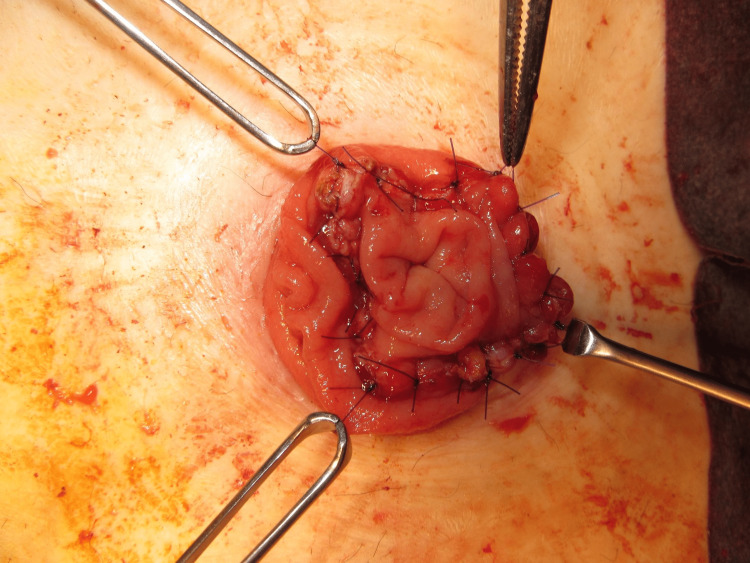
Stomal prolapse (SP) is characterized by full-thickness protrusion of the bowel through the stoma site. The surgical procedures for SP include local repair, abdominal wall fixation, and stoma relocation. However, previous reports were mostly case reports or case series with a small number of patients and lacked long-term results. A modified Altemeier technique (MAT) has been used for the local repair of SP in our institution, and this study aimed to evaluate its mid-term efficacy.
We reviewed patients who underwent MAT for SP between August 2013 and December 2020. The variables included patient characteristics, type of stoma, indications of stoma creation, the time interval from stoma creation to prolapse, site of prolapse, reasons for SP surgery, perioperative variables, complications during SP surgery, and length of follow-up. Recurrence of SP was defined as the need for change in stoma care or re-protrusion of the stoma by more than 5 cm in length.
Ten patients were included in this study. The median age at the time of SP surgery was 71.5 years. The indications of stoma creation included unresectable or recurrent intra-abdominal malignancies in four patients, diverting ileostomy with rectal cancer surgery in two, transverse colon cancer in one, gastric and rectal cancer in one, rectovaginal fistula in one, and non-occlusive mesenteric ischemia in one. The median interval from stoma creation to prolapse was 2.5 months. Six patients underwent elective SP surgery, and four patients underwent emergency surgery for incarcerated prolapse. The median operative time was 75.5 min. Postoperative complications that included transient mucosal ischemia and subcutaneous abscess occurred in one patient. There were four recurrences (40%), and the median time interval from surgery to recurrence was 4.5 months. Two patients underwent repeated MAT, one of whom underwent stomal reversal with laparotomy for re-recurrence. The median follow-up duration was 19 months.
MAT for SP is associated with a high recurrence rate in mid-term follow-up.
造口脱垂(SP)的特征是肠管全层经造口部位突出。SP的外科手术方法包括局部修复、腹壁固定和造口移位。然而,既往报道大多为病例报告或小样本病例系列,缺乏长期结果。在我们机构,改良的阿尔特迈尔技术(MAT)已用于SP的局部修复,本研究旨在评估其中期疗效。
我们回顾了2013年8月至2020年12月期间接受MAT治疗SP的患者。变量包括患者特征、造口类型、造口创建指征、从造口创建到脱垂的时间间隔、脱垂部位、SP手术的原因、围手术期变量、SP手术期间的并发症以及随访时间。SP复发定义为需要改变造口护理或造口再次突出超过5厘米。
本研究纳入10例患者。SP手术时的中位年龄为71.5岁。造口创建指征包括4例不可切除或复发性腹内恶性肿瘤、2例直肠癌手术行转流性回肠造口、1例横结肠癌、1例胃癌和直肠癌、1例直肠阴道瘘以及1例非闭塞性肠系膜缺血。从造口创建到脱垂的中位间隔时间为2.5个月。6例患者接受了择期SP手术,4例患者因嵌顿性脱垂接受了急诊手术。中位手术时间为75.5分钟。1例患者出现术后并发症,包括短暂性黏膜缺血和皮下脓肿。有4例复发(40%),从手术到复发的中位时间间隔为4.5个月。2例患者接受了重复MAT,其中1例因再次复发接受了剖腹造口还纳术。中位随访时间为19个月。
中期随访显示,MAT治疗SP的复发率较高。