UOC di Ematologia, Azienda Ospedaliera Regionale "San Carlo", Potenza, Italy.
UO di Medicina Trasfusionale, Azienda Ospedaliera Regionale "San Carlo", Potenza, Italy.
Front Immunol. 2022 Aug 8;13:892331. doi: 10.3389/fimmu.2022.892331. eCollection 2022.
In immunocompromised patients, SARS-CoV-2 mRNA vaccine has been used in Italy from the beginning of the vaccination campaign, but several studies have shown that the serological response of onco-hematological patients was reduced compared to healthy subjects, due to the state of immunosuppression because of both underlying disease and administered therapy.
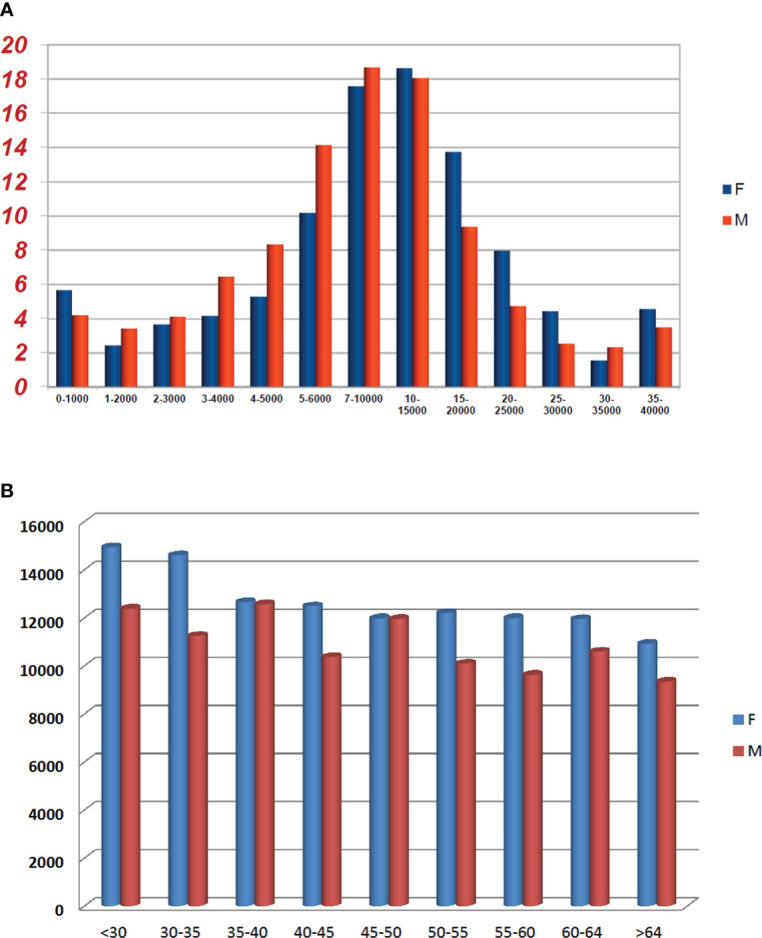
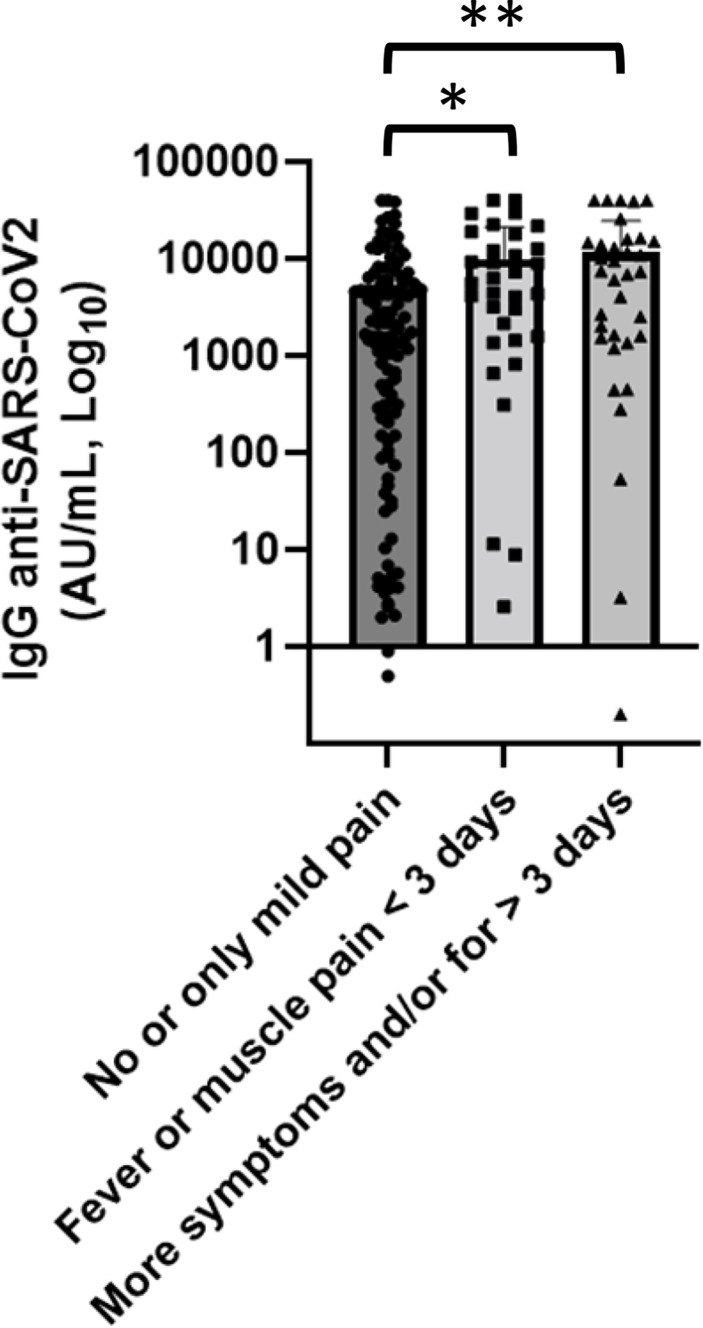
We evaluated the association of anti-SARS-CoV-2 spike IgG titers in 215 hematological patients with clinical and demographic variables to verify if it was possible to identify predictive parameters of serological response, as well as using a control group, consisting of healthy health workers of San Carlo Hospital in Potenza. Anti-SARS-CoV2 IgG titers were evaluated after 30-45 days post second dose vaccine using chemiluminescent microparticle immunoassay technology.
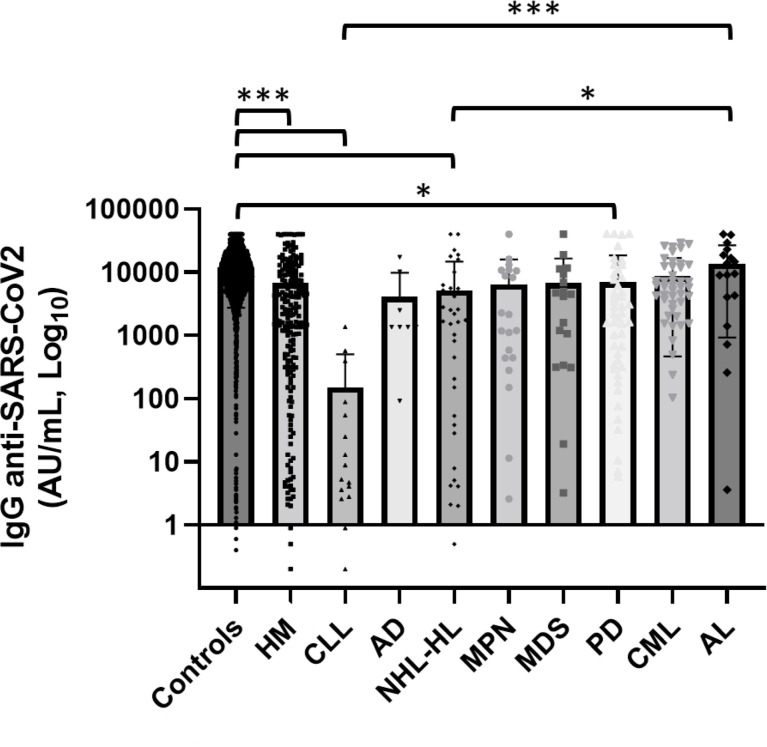
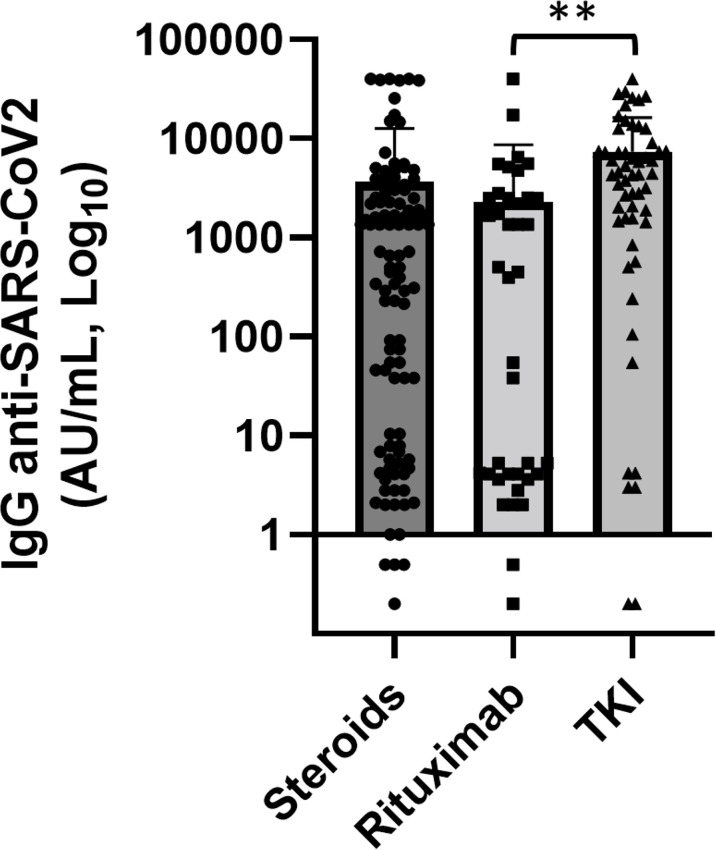
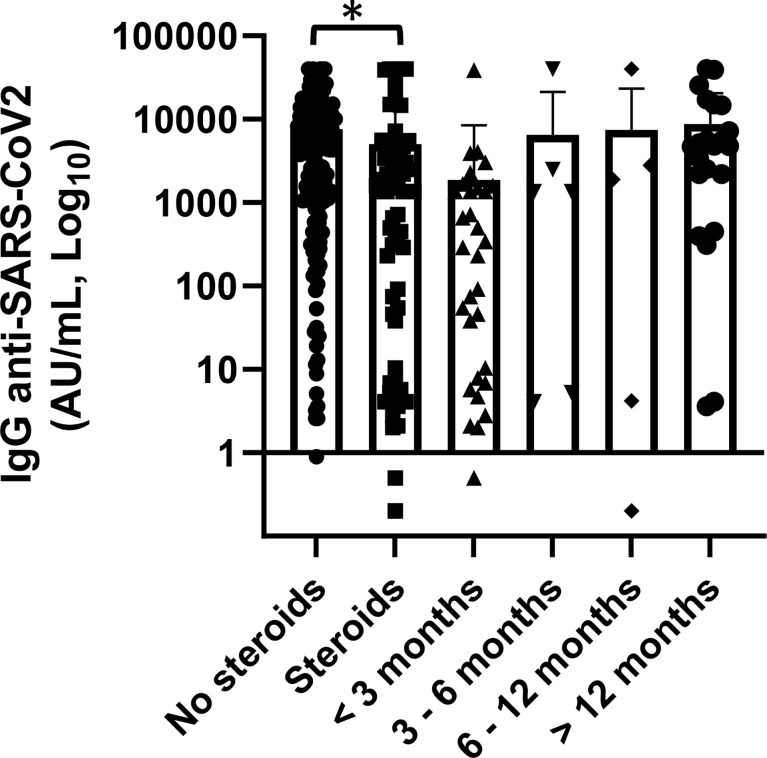
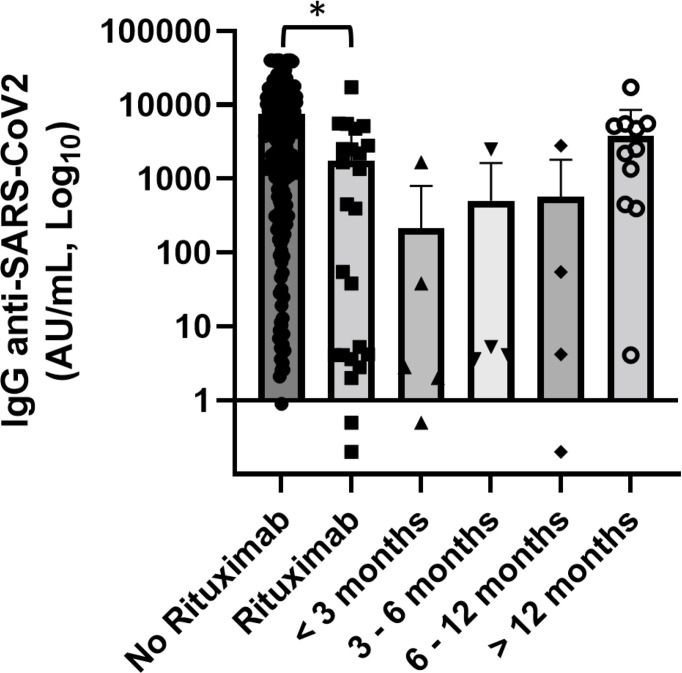
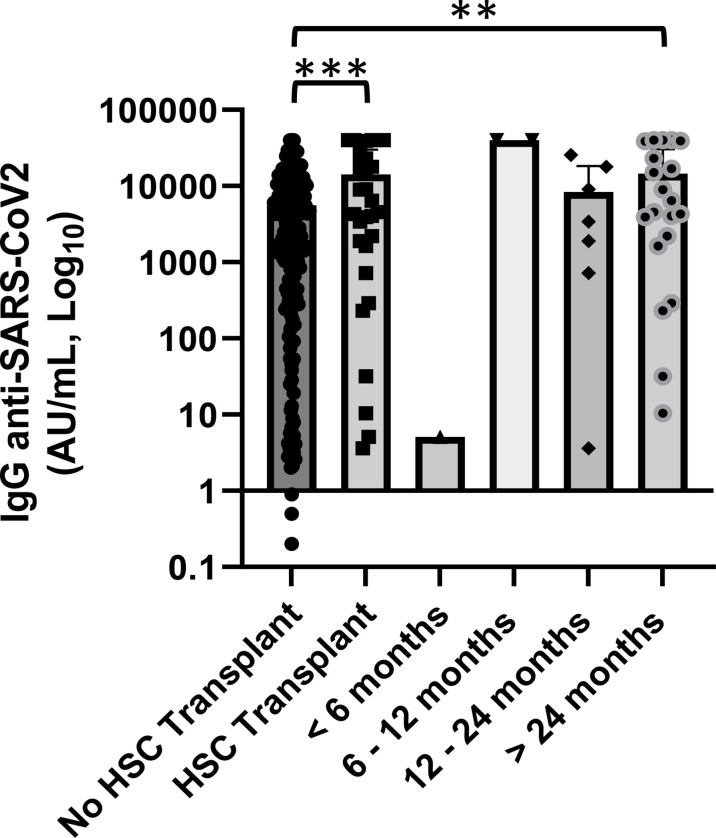
Patients with hematological malignancies, compared with the control arm, had both a mean concentration of anti-SARS-CoV-2 IgG significantly lower and a seroconversion rate numerically lower. All chronic lymphatic leukemia patients showed levels of antibody titer below the mean concentration, also in only clinical surveillance patients. Comparing serological response in hematological malignancies, only acute leukemia patients who were off therapy had the highest seroconversion rate among the patients' cohorts and a mean antibody concentration greater than the control arm. Patients treated with steroids and rituximab showed a lower level of anti-SARS-CoV-2 spike IgG. Differences in anti-spike IgG levels among chronic myeloid leukemia patients stratified according to tyrosine kinase inhibitor therapy and molecular response were observed, and they could have interesting implications on the evaluation of the effects of these drugs on the immune system, but having not reached statistical significance at the moment. The cohort of patients who received a stem cell transplant was very heterogeneous because it included different hematological malignancies and different types of transplant; however, a mean concentration of anti-SARS-CoV2 IgG greater than the control arm was reported. Indeed, among patients who performed a transplant for over 6 months only one had a spike IgG concentration below the cutoff.
Our data confirm reduced serological response in hematological patients after anti-SARS-CoV-2 vaccination. However, we found a great diversity of SARS-CoV-2 antibody response according to types of pathologies and therapies.
在免疫功能低下的患者中,意大利从疫苗接种计划开始就使用了 SARS-CoV-2 mRNA 疫苗,但多项研究表明,与健康受试者相比,肿瘤血液病患者的血清学反应降低,这是由于基础疾病和治疗导致的免疫抑制状态。
我们评估了 215 名血液病患者的抗 SARS-CoV-2 刺突 IgG 滴度与临床和人口统计学变量的关系,以验证是否可以确定血清学反应的预测参数,同时使用了包括波坦扎圣卡罗医院健康卫生工作者的对照组。使用化学发光微粒子免疫分析技术,在第二剂疫苗接种后 30-45 天评估抗 SARS-CoV2 IgG 滴度。
与对照组相比,患有血液恶性肿瘤的患者抗 SARS-CoV-2 IgG 的平均浓度显著较低,且血清转化率数值较低。所有慢性淋巴细胞白血病患者的抗体滴度均低于平均浓度,仅在临床监测患者中也是如此。比较血液恶性肿瘤中的血清学反应,只有接受治疗的急性白血病患者在患者队列中具有最高的血清转化率,且抗体浓度大于对照组。接受类固醇和利妥昔单抗治疗的患者抗 SARS-CoV-2 刺突 IgG 水平较低。根据酪氨酸激酶抑制剂治疗和分子反应对慢性髓系白血病患者进行分层,观察到抗刺突 IgG 水平的差异,并且它们可能对评估这些药物对免疫系统的影响具有重要意义,但目前尚未达到统计学意义。接受干细胞移植的患者队列非常多样化,因为它包括不同的血液恶性肿瘤和不同类型的移植;然而,报告了抗 SARS-CoV2 IgG 的平均浓度大于对照组。事实上,在接受移植超过 6 个月的患者中,只有 1 人的刺突 IgG 浓度低于截止值。
我们的数据证实了 SARS-CoV-2 疫苗接种后血液病患者血清学反应降低。然而,我们发现根据疾病类型和治疗方法,SARS-CoV-2 抗体反应存在很大差异。