• 文献检索
  • 文档翻译
  • 深度研究
  • 学术资讯
  • Suppr Zotero 插件Zotero 插件
  • 邀请有礼
  • 套餐&价格
  • 历史记录
应用&插件
Suppr Zotero 插件Zotero 插件浏览器插件Mac 客户端Windows 客户端微信小程序
定价
高级版会员购买积分包购买API积分包
服务
文献检索文档翻译深度研究API 文档MCP 服务
关于我们
关于 Suppr公司介绍联系我们用户协议隐私条款
关注我们

Suppr 超能文献

核心技术专利:CN118964589B侵权必究
粤ICP备2023148730 号-1Suppr @ 2026

文献检索

告别复杂PubMed语法,用中文像聊天一样搜索,搜遍4000万医学文献。AI智能推荐,让科研检索更轻松。

立即免费搜索

文件翻译

保留排版,准确专业,支持PDF/Word/PPT等文件格式,支持 12+语言互译。

免费翻译文档

深度研究

AI帮你快速写综述,25分钟生成高质量综述,智能提取关键信息,辅助科研写作。

立即免费体验

从中国贺兰山麓东部分离的苹果酸-乳酸细菌的鉴定与特性分析

Identification and Characterization of Malolactic Bacteria Isolated from the Eastern Foothills of Helan Mountain in China.

作者信息

Sun Jingxian, Ge Yuzi, Gu Xiaobo, Li Ruyi, Ma Wen, Jin Gang

机构信息

School of Agriculture, Ningxia University, Yinchuan 750021, China.

School of Food and Wine, Ningxia University, Yinchuan 750021, China.

出版信息

Foods. 2022 Aug 15;11(16):2455. doi: 10.3390/foods11162455.

DOI:10.3390/foods11162455
PMID:36010455
原文链接:https://pmc.ncbi.nlm.nih.gov/articles/PMC9407436/
Abstract

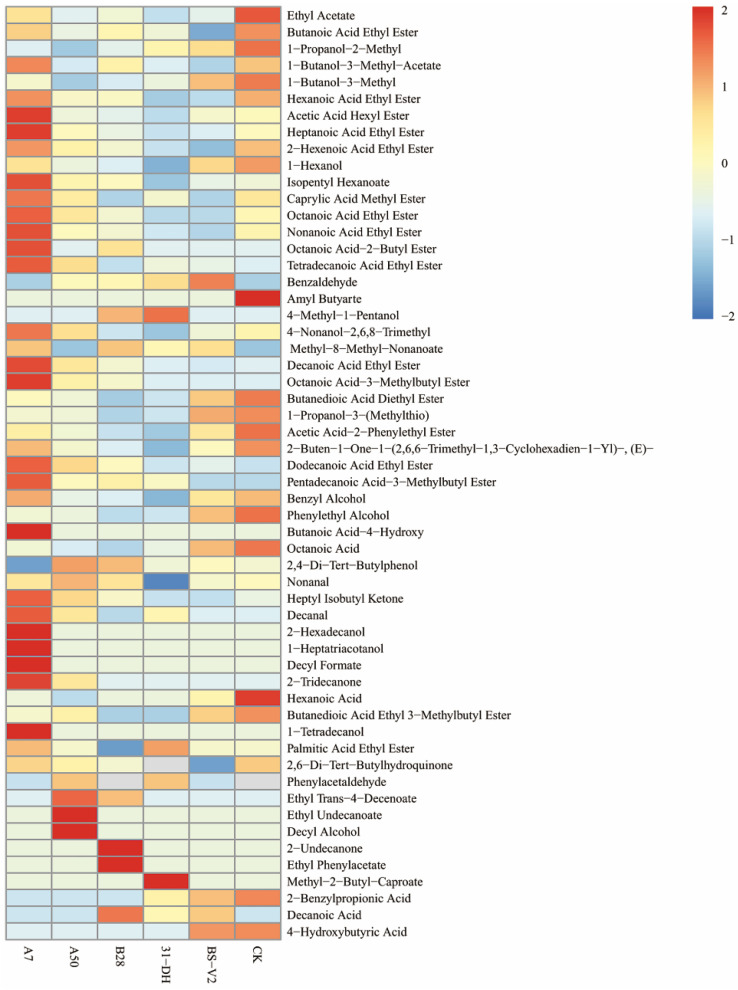
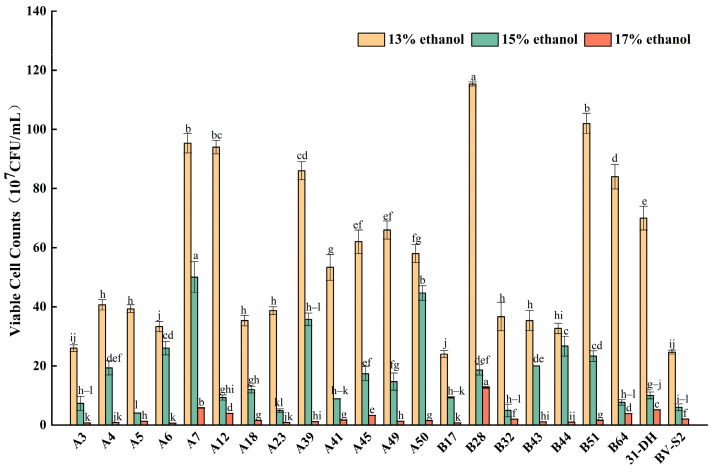
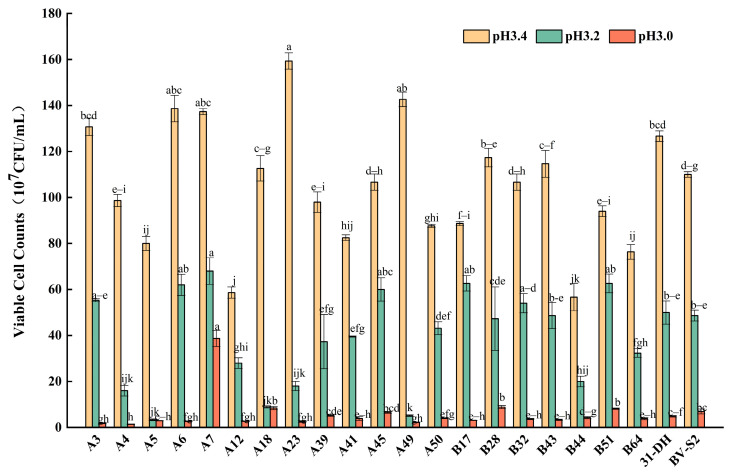
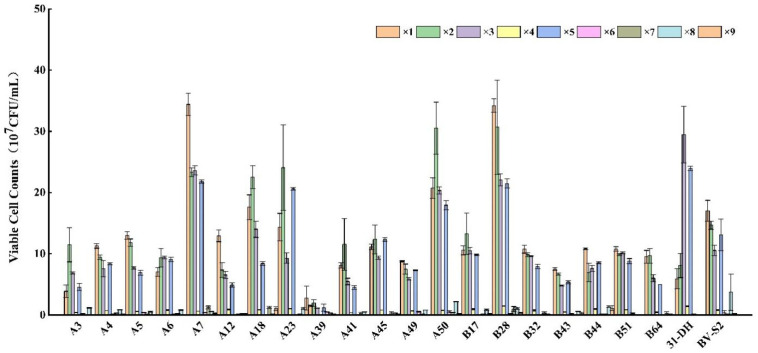
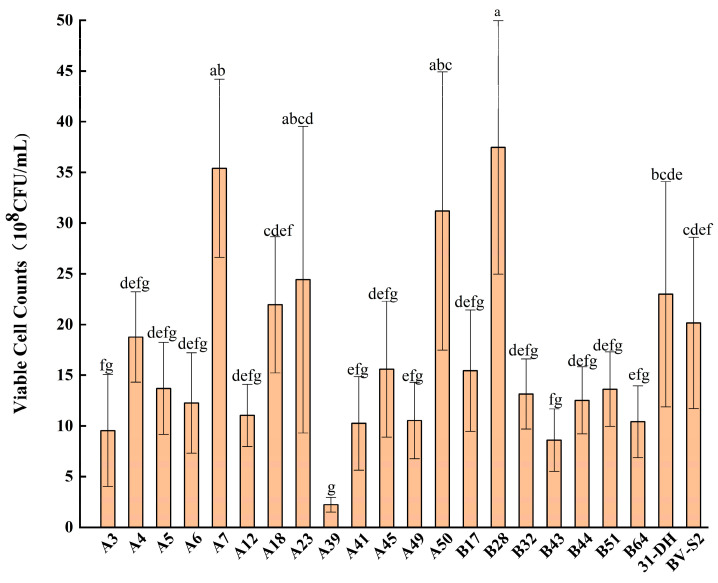
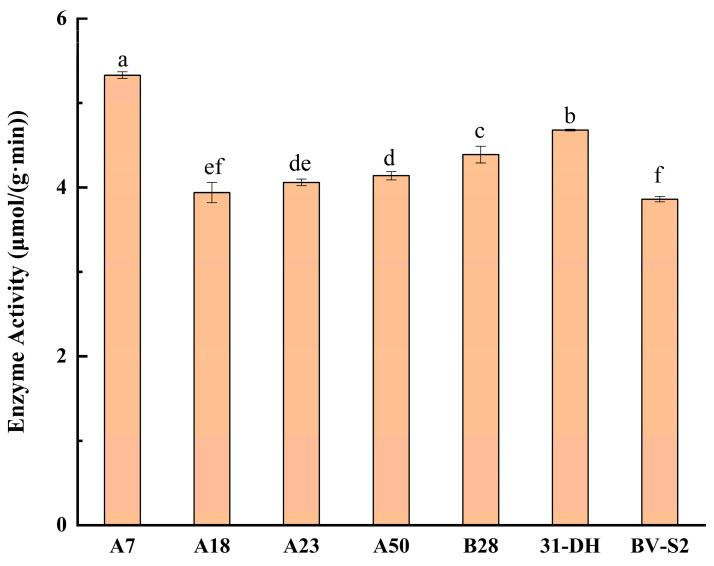
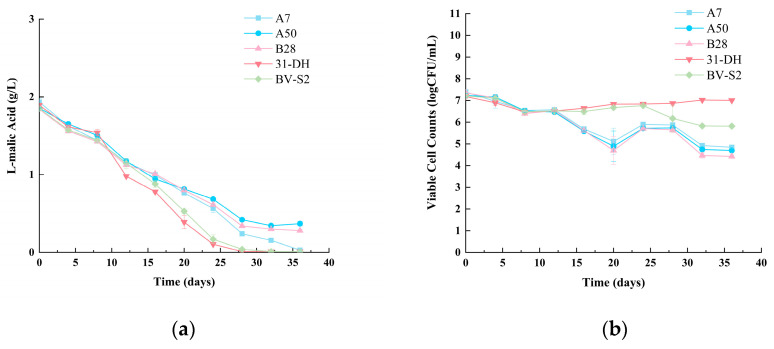
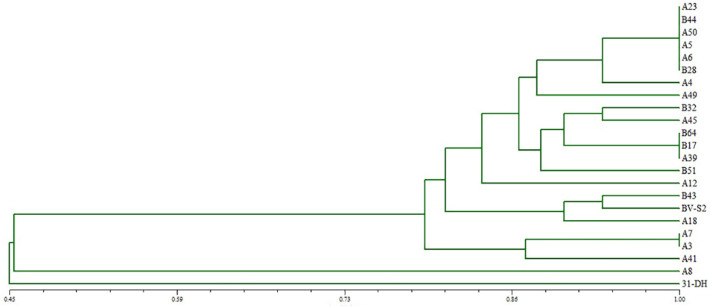
Malolactic fermentation (MLF) converts malic acid into lactic acid by lactic acid bacteria (LAB). MLF may affect potential wine quality impact as global warming intensifies, and the alcohol in the wine increases, which threatens MLF. is considered a new generation of MLF starter because of the ability of high ethanol tolerance and good enological characteristics. In this research, 132 LAB strains were isolated from the eastern foothills of Helan Mountain in Ningxia, China. Twenty-one higher ethanol tolerance isolates were obtained by 15% (/) ethanol preliminary screening. They were identified by 16S rRNA sequencing and differentiated by randomly amplified polymorphic DNA (RAPD). Stress factors include ethanol, pH, and SO, and the combination of stresses was used to screen stress-tolerance strains. β-D-glucosidase activity, MLF performance, and biogenic amine content were tested to evaluate the enological characteristics. GC-MS detected the volatile components of the wine after MLF. The results showed that twenty strains were identified as , and one strain was . Especially, the strains of A7, A18, A23, A50, and B28 showed strong resistance to high ethanol, low pH, and high SO. A7, A50, and B28 showed better β-D-glucosidase activity and thus were inoculated into cabernet sauvignon wines whose ethanol content was 14.75% (/) to proceed MLF. A7 finished MLF in 36 d, while the control strains 31-DH and BV-S2 finished MLF in 24 d and 28 d, respectively. Nevertheless, A50 and B28 did not finish MLF in 36 d. The data showed that A7 brought a more volatile aroma than control. Notably, the esters and terpenes in the wine increased. These results demonstrated the potential applicability of A7 as a new MLF starter culture, especially for high-ethanol wines.

摘要

苹果酸-乳酸发酵(MLF)是由乳酸菌(LAB)将苹果酸转化为乳酸的过程。随着全球变暖加剧以及葡萄酒中酒精含量增加,这可能会对潜在的葡萄酒品质产生影响,进而威胁到MLF。由于具有高乙醇耐受性和良好的酿酒学特性,[具体菌株名称未提及]被认为是新一代的MLF发酵剂。在本研究中,从中国宁夏贺兰山麓东部分离出132株LAB菌株。通过15%(体积分数)乙醇初步筛选获得了21株具有较高乙醇耐受性的分离株。通过16S rRNA测序对它们进行鉴定,并通过随机扩增多态性DNA(RAPD)进行区分。应激因素包括乙醇、pH值和二氧化硫,采用应激因素组合来筛选耐应激菌株。测试了β-D-葡萄糖苷酶活性、MLF性能和生物胺含量以评估酿酒学特性。气相色谱-质谱联用仪(GC-MS)检测了MLF后葡萄酒的挥发性成分。结果表明,鉴定出20株为[具体菌株名称未提及],1株为[具体菌株名称未提及]。特别是,A7、A18、A23、A50和B28菌株对高乙醇、低pH值和高二氧化硫表现出较强的抗性。A7、A50和B28表现出较好的β-D-葡萄糖苷酶活性,因此将它们接种到乙醇含量为14.75%(体积分数)的赤霞珠葡萄酒中进行MLF。A7在36天内完成了MLF,而对照菌株31-DH和BV-S2分别在24天和28天内完成了MLF。然而,A50和B28在36天内未完成MLF。数据表明,A7带来的挥发性香气比对照更多。值得注意的是,葡萄酒中的酯类和萜类物质增加。这些结果证明了A7作为一种新型MLF发酵剂培养物的潜在适用性,特别是对于高乙醇含量的葡萄酒。
https://cdn.ncbi.nlm.nih.gov/pmc/blobs/6cdc/9407436/b9c65dcc199e/foods-11-02455-g009.jpg
https://cdn.ncbi.nlm.nih.gov/pmc/blobs/6cdc/9407436/c43095a941fd/foods-11-02455-g001.jpg
https://cdn.ncbi.nlm.nih.gov/pmc/blobs/6cdc/9407436/79cf2fda04e8/foods-11-02455-g002.jpg
https://cdn.ncbi.nlm.nih.gov/pmc/blobs/6cdc/9407436/a1a9be442652/foods-11-02455-g003.jpg
https://cdn.ncbi.nlm.nih.gov/pmc/blobs/6cdc/9407436/7a024ec4fbae/foods-11-02455-g004.jpg
https://cdn.ncbi.nlm.nih.gov/pmc/blobs/6cdc/9407436/6fdfd4578a90/foods-11-02455-g005.jpg
https://cdn.ncbi.nlm.nih.gov/pmc/blobs/6cdc/9407436/f6cdf04e977f/foods-11-02455-g006.jpg
https://cdn.ncbi.nlm.nih.gov/pmc/blobs/6cdc/9407436/b17791c41125/foods-11-02455-g007.jpg
https://cdn.ncbi.nlm.nih.gov/pmc/blobs/6cdc/9407436/e4f0e25e78dd/foods-11-02455-g008.jpg
https://cdn.ncbi.nlm.nih.gov/pmc/blobs/6cdc/9407436/b9c65dcc199e/foods-11-02455-g009.jpg
https://cdn.ncbi.nlm.nih.gov/pmc/blobs/6cdc/9407436/c43095a941fd/foods-11-02455-g001.jpg
https://cdn.ncbi.nlm.nih.gov/pmc/blobs/6cdc/9407436/79cf2fda04e8/foods-11-02455-g002.jpg
https://cdn.ncbi.nlm.nih.gov/pmc/blobs/6cdc/9407436/a1a9be442652/foods-11-02455-g003.jpg
https://cdn.ncbi.nlm.nih.gov/pmc/blobs/6cdc/9407436/7a024ec4fbae/foods-11-02455-g004.jpg
https://cdn.ncbi.nlm.nih.gov/pmc/blobs/6cdc/9407436/6fdfd4578a90/foods-11-02455-g005.jpg
https://cdn.ncbi.nlm.nih.gov/pmc/blobs/6cdc/9407436/f6cdf04e977f/foods-11-02455-g006.jpg
https://cdn.ncbi.nlm.nih.gov/pmc/blobs/6cdc/9407436/b17791c41125/foods-11-02455-g007.jpg
https://cdn.ncbi.nlm.nih.gov/pmc/blobs/6cdc/9407436/e4f0e25e78dd/foods-11-02455-g008.jpg
https://cdn.ncbi.nlm.nih.gov/pmc/blobs/6cdc/9407436/b9c65dcc199e/foods-11-02455-g009.jpg

相似文献

1
Identification and Characterization of Malolactic Bacteria Isolated from the Eastern Foothills of Helan Mountain in China.从中国贺兰山麓东部分离的苹果酸-乳酸细菌的鉴定与特性分析
Foods. 2022 Aug 15;11(16):2455. doi: 10.3390/foods11162455.
2
Preparation and Application of Directed Vat Set Indigenous Freeze-Drying Q19 Starter in Winemaking.酿酒中定向罐组式本土冻干Q19酵母的制备与应用
Foods. 2023 Mar 1;12(5):1053. doi: 10.3390/foods12051053.
3
Malolactic fermentation of lactic acid bacteria isolated from southern Brazilian red wine.从巴西南部红酒中分离出的乳酸菌的苹果酸-乳酸发酵。
World J Microbiol Biotechnol. 2023 May 19;39(8):201. doi: 10.1007/s11274-023-03645-w.
4
Impact of indigenous and species co-culture on Cabernet Sauvignon wine malolactic fermentation: Kinetic parameters, color and aroma.本土微生物与品种共培养对赤霞珠葡萄酒苹果酸-乳酸发酵的影响:动力学参数、色泽和香气
Food Chem X. 2024 Apr 9;22:101369. doi: 10.1016/j.fochx.2024.101369. eCollection 2024 Jun 30.
5
Advantages of Using Blend Cultures of Native and Strains to Induce Malolactic Fermentation of Patagonian Malbec Wine.使用本地菌株与其他菌株的混合培养物诱导巴塔哥尼亚马尔贝克葡萄酒进行苹果酸乳酸发酵的优势。
Front Microbiol. 2018 Sep 6;9:2109. doi: 10.3389/fmicb.2018.02109. eCollection 2018.
6
Characterization and technological properties of Oenococcus oeni strains from wine spontaneous malolactic fermentations: a framework for selection of new starter cultures.从葡萄酒自然苹果酸-乳酸发酵中分离的酒香酵母菌株的特性及工艺特性:选择新的 starters 培养物的框架。
J Appl Microbiol. 2010 Jan;108(1):285-98. doi: 10.1111/j.1365-2672.2009.04428.x.
7
Effect of malolactic fermentation by Pediococcus damnosus on the composition and sensory profile of Albariño and Caiño white wines.有害片球菌进行的苹果酸乳酸发酵对阿尔巴利诺白葡萄酒和凯尼奥白葡萄酒成分及感官特征的影响。
J Appl Microbiol. 2014 Mar;116(3):586-95. doi: 10.1111/jam.12392. Epub 2013 Nov 28.
8
Application and validation of autochthonous Lactobacillus plantarum starter cultures for controlled malolactic fermentation and its influence on the aromatic profile of cherry wines.本地植物乳杆菌发酵剂在樱桃酒苹果酸-乳酸发酵控制中的应用与验证及其对樱桃酒香气特征的影响
Food Microbiol. 2016 May;55:16-24. doi: 10.1016/j.fm.2015.11.016. Epub 2015 Nov 26.
9
Patagonian red wines: selection of Lactobacillus plantarum isolates as potential starter cultures for malolactic fermentation.巴塔哥尼亚红葡萄酒:植物乳杆菌分离株的选择作为苹果酸-乳酸发酵的潜在起始培养物。
World J Microbiol Biotechnol. 2013 Sep;29(9):1537-49. doi: 10.1007/s11274-013-1337-x. Epub 2013 Apr 2.
10
Isolation and Characterization of High-Ethanol-Tolerance Lactic Acid Bacteria from Australian Wine.从澳大利亚葡萄酒中分离和鉴定高乙醇耐受性乳酸菌
Foods. 2022 Apr 25;11(9):1231. doi: 10.3390/foods11091231.

引用本文的文献

1
Application of Strain Selection Technology in Alcoholic Beverages: A Review.菌株筛选技术在酒精饮料中的应用:综述
Foods. 2024 May 1;13(9):1396. doi: 10.3390/foods13091396.
2
A Review on Wine Flavour Profiles Altered by Bottle Aging.瓶陈对葡萄酒风味的影响综述
Molecules. 2023 Sep 8;28(18):6522. doi: 10.3390/molecules28186522.
3
Malolactic Fermentation: New Approaches to Old Problems.苹果酸-乳酸发酵:旧问题的新解决方法

本文引用的文献

1
Isolation and Characterization of High-Ethanol-Tolerance Lactic Acid Bacteria from Australian Wine.从澳大利亚葡萄酒中分离和鉴定高乙醇耐受性乳酸菌
Foods. 2022 Apr 25;11(9):1231. doi: 10.3390/foods11091231.
2
Wine aroma profile modification by Oenococcus oeni strains from Rioja Alavesa region: selection of potential malolactic starters.由里奥哈阿拉韦萨地区的酒香酵母菌株对葡萄酒香气特征的修饰:潜在的苹果酸-乳酸发酵起始剂的选择。
Int J Food Microbiol. 2021 Oct 16;356:109324. doi: 10.1016/j.ijfoodmicro.2021.109324. Epub 2021 Jul 3.
3
Glycosidically bound aroma precursors in fruits: A comprehensive review.
Microorganisms. 2022 Nov 29;10(12):2363. doi: 10.3390/microorganisms10122363.
水果中糖苷键结合的香气前体:全面综述。
Crit Rev Food Sci Nutr. 2022;62(1):215-243. doi: 10.1080/10408398.2020.1813684. Epub 2020 Sep 3.
4
Short communication: Antimicrobial potential of Lactobacillus plantarum strains isolated from Slovak raw sheep milk cheeses.短篇通讯:从斯洛伐克新鲜绵羊奶干酪中分离出的植物乳杆菌菌株的抗菌潜力。
J Dairy Sci. 2020 Aug;103(8):6900-6903. doi: 10.3168/jds.2019-17862. Epub 2020 Jun 26.
5
with Functional Properties: An Approach to Increase Safety and Shelf-Life of Fermented Foods.具有功能特性:一种提高发酵食品安全性和保质期的方法。
Biomed Res Int. 2018 May 28;2018:9361614. doi: 10.1155/2018/9361614. eCollection 2018.
6
Acetaldehyde released by Lactobacillus plantarum enhances accumulation of pyranoanthocyanins in wine during malolactic fermentation.植物乳杆菌释放的乙醛可增强苹果酸-乳酸发酵过程中葡萄酒中吡喃花色素苷的积累。
Food Res Int. 2018 Jun;108:254-263. doi: 10.1016/j.foodres.2018.03.032. Epub 2018 Mar 12.
7
Changes in the volatile profile of Pinot noir wines caused by Patagonian Lactobacillus plantarum and Oenococcus oeni strains.由巴塔哥尼亚植物乳杆菌和酒香酵母菌株引起的黑皮诺葡萄酒挥发性成分的变化。
Food Res Int. 2018 Apr;106:22-28. doi: 10.1016/j.foodres.2017.12.032. Epub 2017 Dec 14.
8
Sub-optimal pH Preadaptation Improves the Survival of Strains and the Malic Acid Consumption in Wine-Like Medium.亚最佳pH值预适应提高了菌株的存活率以及在类葡萄酒培养基中苹果酸的消耗。
Front Microbiol. 2017 Mar 22;8:470. doi: 10.3389/fmicb.2017.00470. eCollection 2017.
9
Lactobacillus plantarum and Its Probiotic and Food Potentialities.植物乳杆菌及其益生菌和食品潜力。
Probiotics Antimicrob Proteins. 2017 Jun;9(2):111-122. doi: 10.1007/s12602-017-9264-z.
10
Linking wine lactic acid bacteria diversity with wine aroma and flavour.将葡萄酒乳酸菌多样性与葡萄酒香气和风味联系起来。
Int J Food Microbiol. 2017 Feb 21;243:16-27. doi: 10.1016/j.ijfoodmicro.2016.11.025. Epub 2016 Nov 30.