Gómez Carmela, Garcia-Navas Rósula, Baltanás Fernando C, Fuentes-Mateos Rocío, Fernández-Medarde Alberto, Calzada Nuria, Santos Eugenio
Centro de Investigación del Cáncer, Instituto de Biología Molecular y Celular del Cáncer, CSIC-University of Salamanca and CIBERONC, 37007 Salamanca, Spain.
Instituto de Biomedicina de Sevilla (IBiS), Hospital Universitario Virgen del Rocío, CSIC, Universidad de Sevilla, 41013 Seville, Spain.
Cancers (Basel). 2022 Aug 11;14(16):3893. doi: 10.3390/cancers14163893.
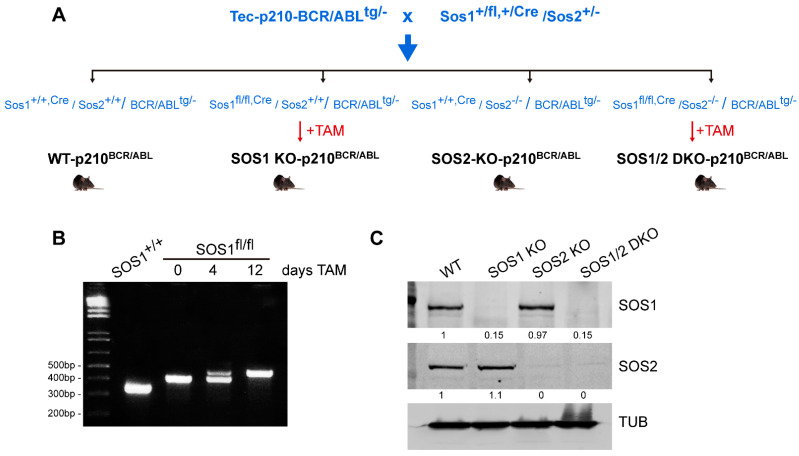
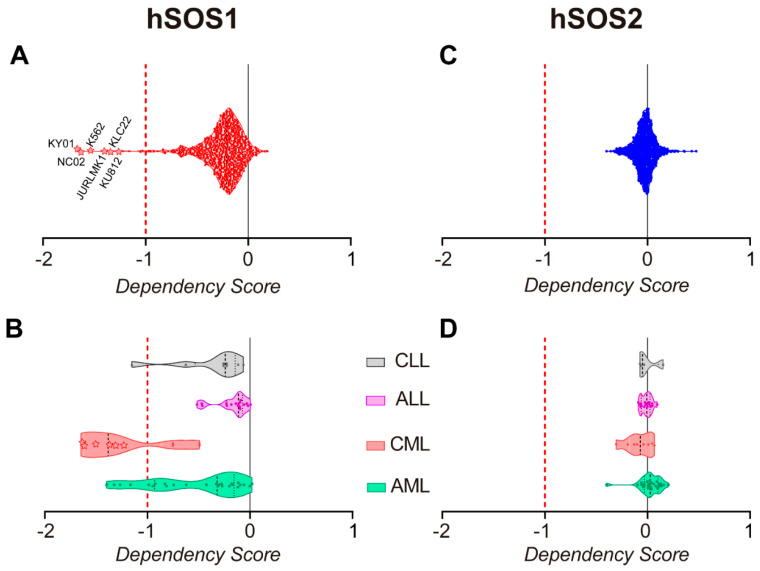
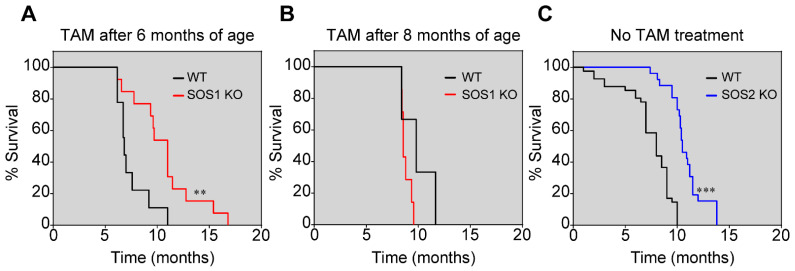
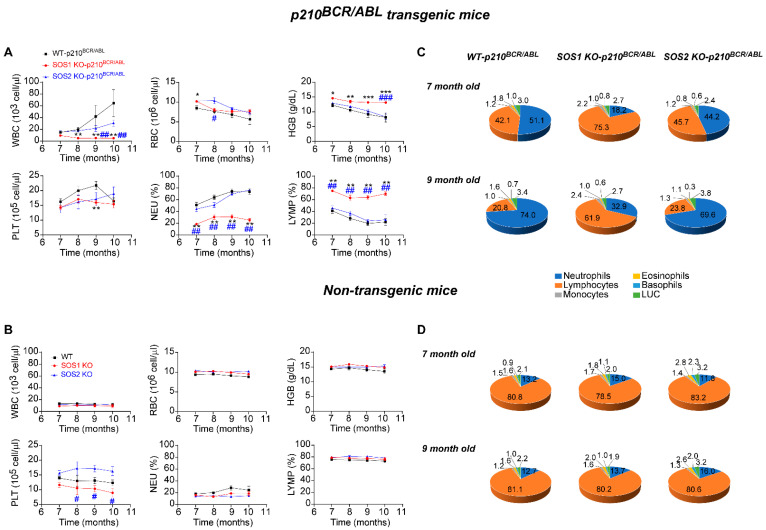
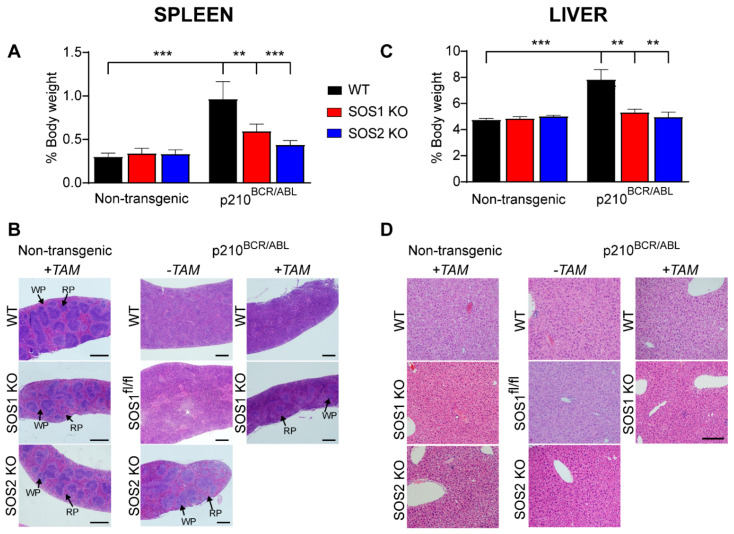
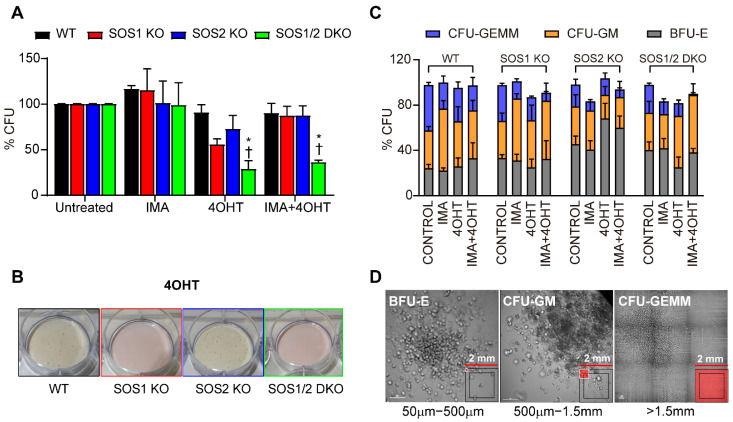
We showed previously that the ABL-mediated phosphorylation of SOS1 promotes RAC activation and contributes to BCR-ABL leukemogenesis, suggesting the relevant role of SOS1 in the pathogenesis of CML. To try and obtain direct experimental evidence of the specific mechanistic implication of SOS1 in CML development, here, we combined a murine model of CML driven by a p210 transgene with our tamoxifen-inducible SOS1/2-KO system in order to investigate the phenotypic impact of the direct genetic ablation of SOS1 or SOS2 on the pathogenesis of CML. Our observations showed that, in contrast to control animals expressing normal levels of SOS1 and SOS2 or to single SOS2-KO mice, p210 transgenic mice devoid of SOS1 presented significantly extended survival curves and also displayed an almost complete disappearance of the typical hematological alterations and splenomegaly constituting the hallmarks of CML. SOS1 ablation also resulted in a specific reduction in the proliferation and the total number of colony-forming units arising from the population of bone marrow stem/progenitor cells from p210 transgenic mice. The specific blockade of CML development caused by SOS1 ablation in p210 mice indicates that SOS1 is critically required for CML pathogenesis and supports the consideration of this cellular GEF as a novel, alternative bona fide therapeutic target for CML treatment in the clinic.
我们之前表明,ABL介导的SOS1磷酸化促进RAC激活并有助于BCR-ABL白血病发生,这表明SOS1在慢性粒细胞白血病(CML)发病机制中具有相关作用。为了尝试获得SOS1在CML发展中特定机制影响的直接实验证据,在此,我们将由p210转基因驱动的CML小鼠模型与我们的他莫昔芬诱导型SOS1/2基因敲除系统相结合,以研究SOS1或SOS2直接基因敲除对CML发病机制的表型影响。我们的观察结果表明,与表达正常水平SOS1和SOS2的对照动物或单SOS2基因敲除小鼠相比,缺乏SOS1的p210转基因小鼠呈现出显著延长的生存曲线,并且还显示出构成CML特征的典型血液学改变和脾肿大几乎完全消失。SOS1基因敲除还导致p210转基因小鼠骨髓干/祖细胞群体产生的集落形成单位的增殖和总数特异性降低。p210小鼠中SOS1基因敲除对CML发展的特异性阻断表明,SOS1是CML发病机制所必需的,并支持将这种细胞鸟嘌呤核苷酸交换因子(GEF)视为临床上CML治疗的一种新的、替代性的真正治疗靶点。