Karthäuser Johannes, Biziks Vladimirs, Frauendorf Holm, Mai Carsten, Militz Holger
Department of Wood Biology and Wood Products, Georg-August University of Goettingen, Buesgenweg 4, 37077 Goettingen, Germany.
Surfactor Germany GmbH, Braunschweiger Str. 23 b, 38170 Schoeppenstedt, Germany.
Polymers (Basel). 2022 Aug 18;14(16):3383. doi: 10.3390/polym14163383.
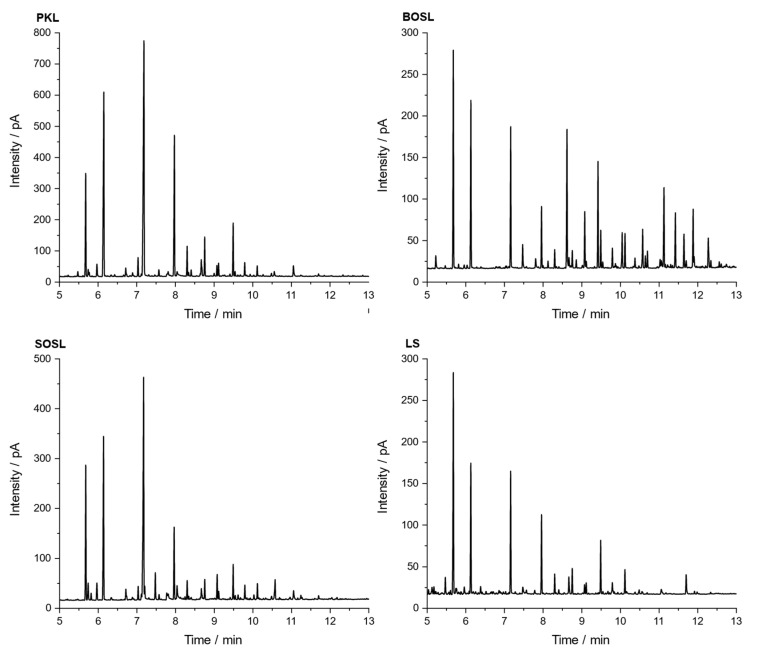
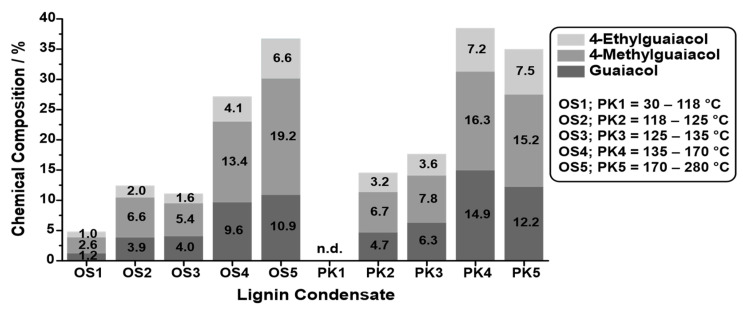
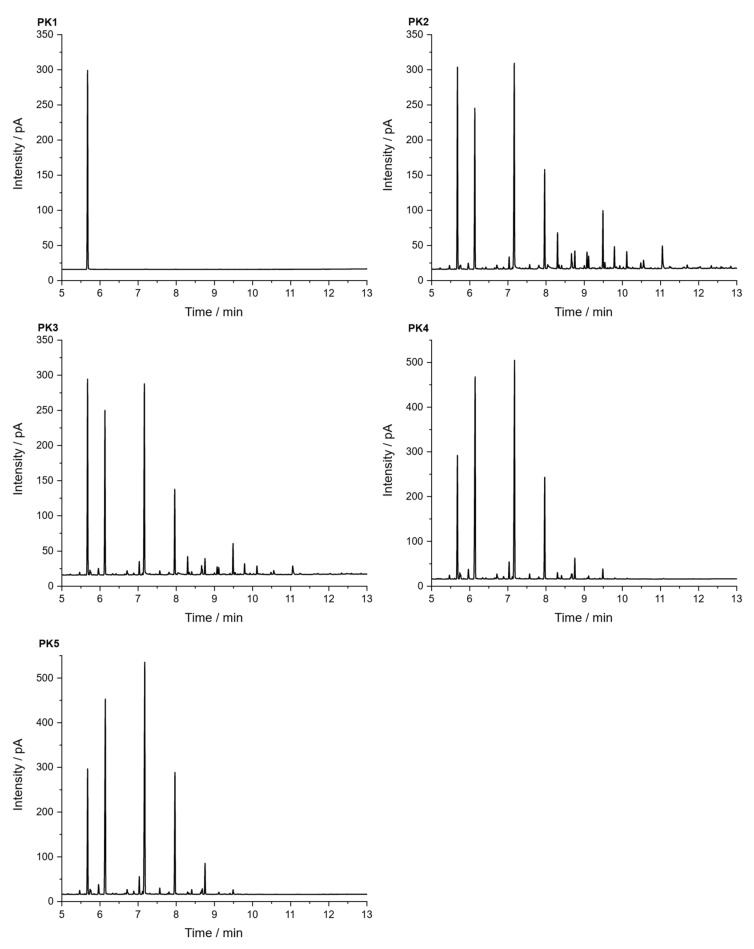
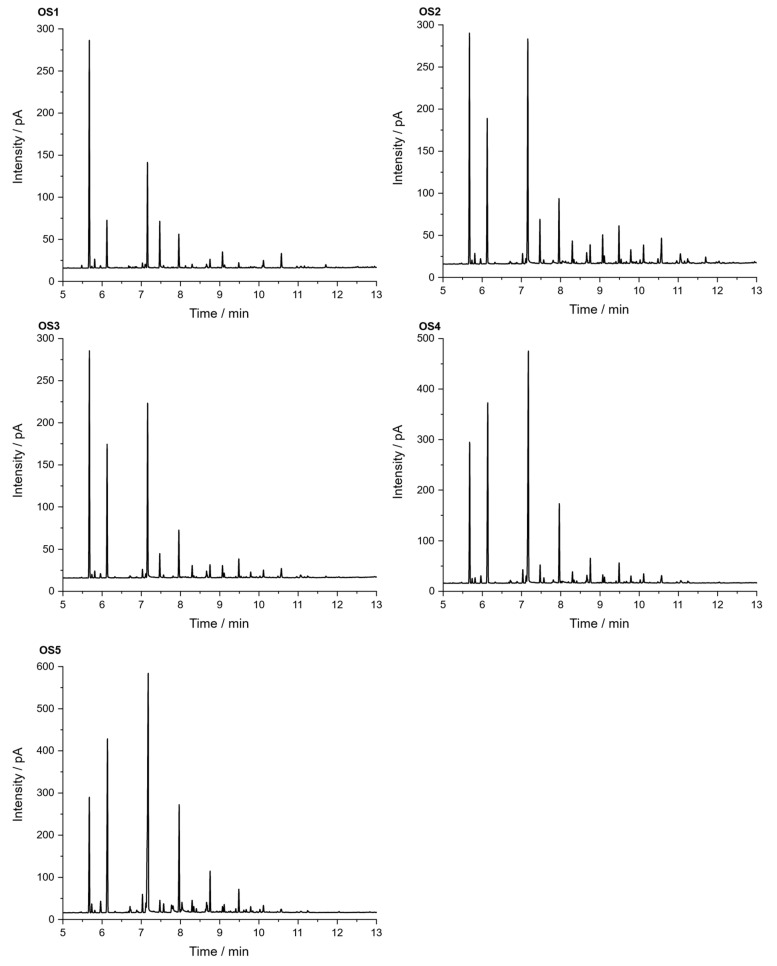
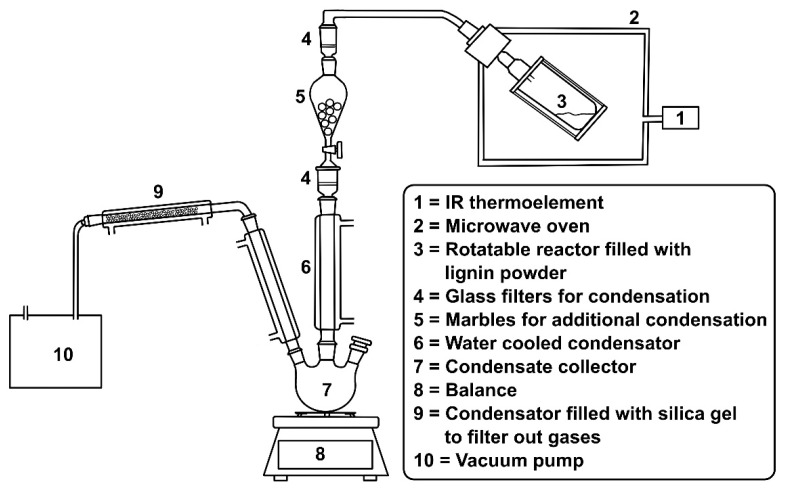
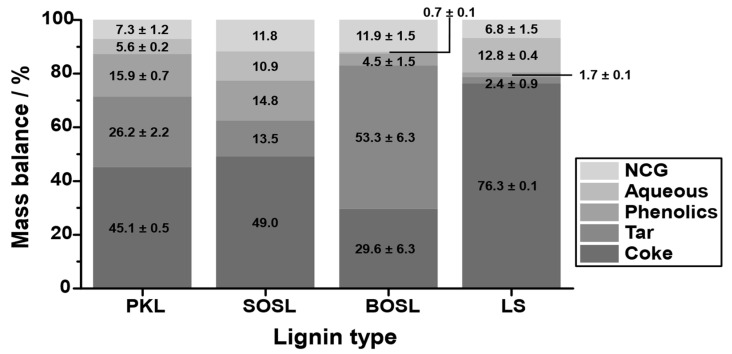
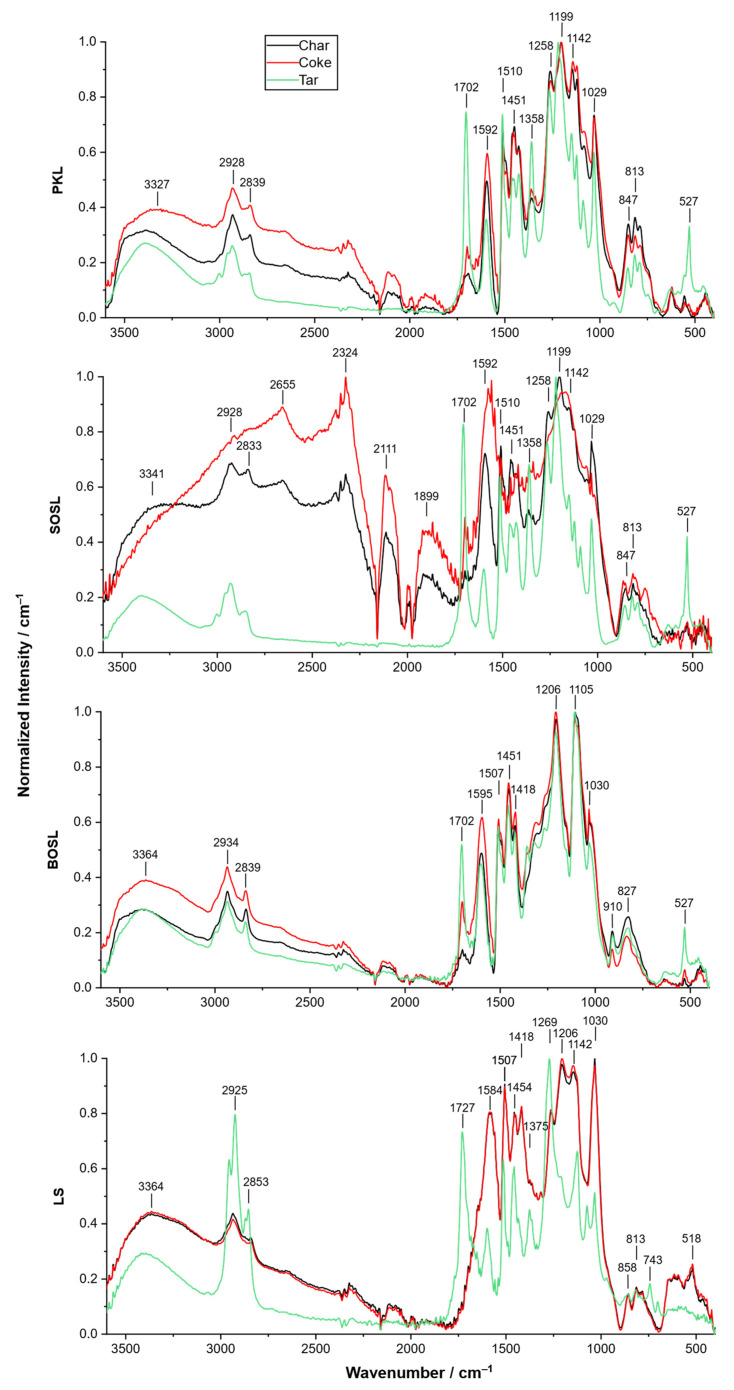
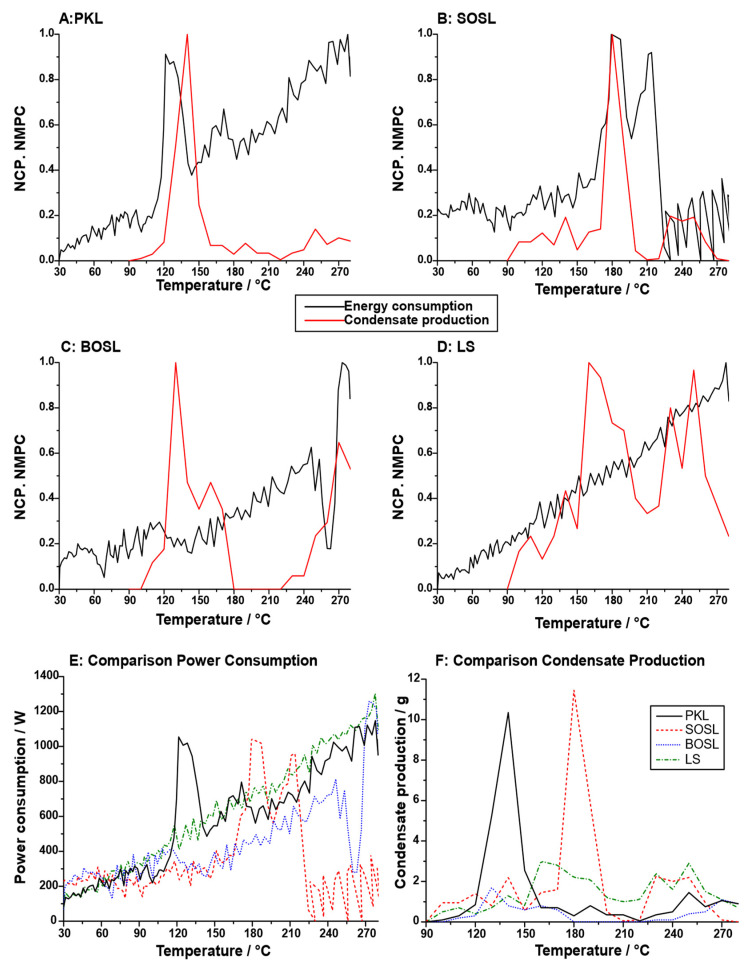
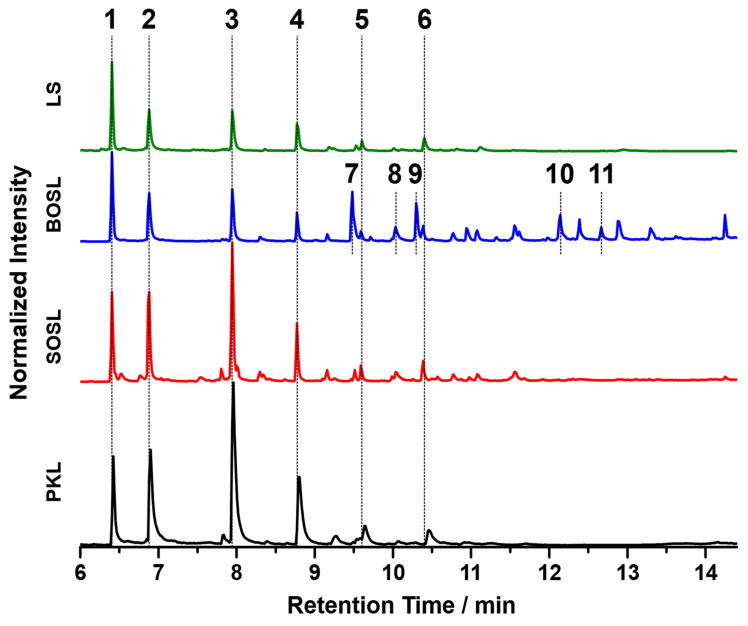
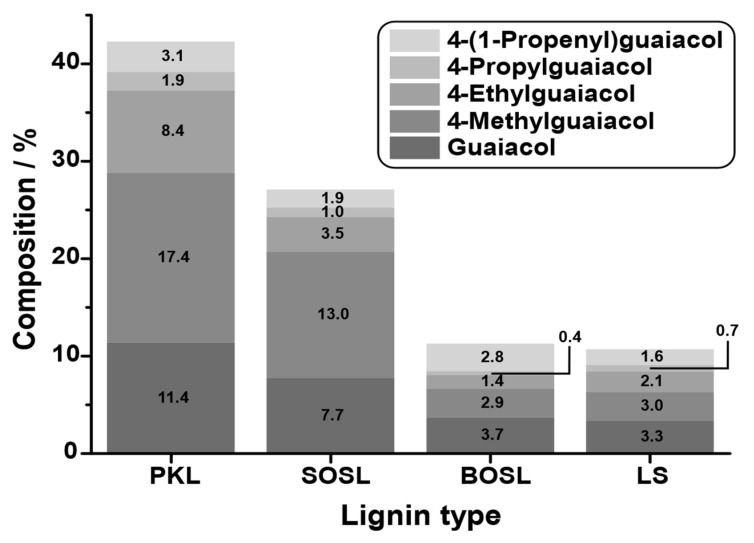
Cleavage by microwave-assisted pyrolysis is a way to obtain higher-value organic chemicals from technical lignins. In this report, pine kraft lignin (PKL), spruce and beech organosolv lignin (SOSL and BOSL), and calcium lignosulfonates from spruce wood (LS) were pyrolyzed at temperatures between 30 and 280 °C using vacuum low-temperature, microwave-assisted pyrolysis. The mass balance, energy consumption, condensation rate, and pressure changes of the products during the pyrolysis process were recorded. Phenolic condensates obtained at different temperatures during pyrolysis were collected, and their chemical composition was determined by GC-MS and GC-FID. The origin of the technical lignin had a significant influence on the pyrolysis products. Phenolic condensates were obtained in yields of approximately 15% (PKL and SOSL) as well as in lower yields of 4.5% (BOSL) or even 1.7% (LS). The main production of the phenolic condensates for the PKL and SOSL occurred at temperatures of approximately 140 and 180 °C, respectively. The main components of the phenolic fraction of the three softwood lignins were guaiacol, 4-methylguaiacol, 4-ethylguaiacol, and other guaiacol derivatives; however, the quantity varied significantly depending on the lignin source. Due to the low cleavage temperature vacuum, low-temperature, microwave-assisted pyrolysis could be an interesting approach to lignin conversion.
微波辅助热解裂解是从工业木质素中获取高价值有机化学品的一种方法。在本报告中,使用真空低温微波辅助热解,在30至280°C的温度下对松木硫酸盐木质素(PKL)、云杉和山毛榉有机溶剂木质素(SOSL和BOSL)以及云杉木的木质素磺酸钙(LS)进行热解。记录了热解过程中产物的质量平衡、能量消耗、冷凝率和压力变化。收集了热解过程中不同温度下获得的酚类缩合物,并通过气相色谱 - 质谱联用仪(GC - MS)和气相色谱 - 火焰离子化检测器(GC - FID)测定其化学成分。工业木质素的来源对热解产物有显著影响。酚类缩合物的产率约为15%(PKL和SOSL),而BOSL的产率较低,为4.5%,LS甚至为1.7%。PKL和SOSL的酚类缩合物主要分别在约140°C和180°C的温度下产生。三种软木木质素酚类组分的主要成分是愈创木酚、4 - 甲基愈创木酚、4 - 乙基愈创木酚和其他愈创木酚衍生物;然而,其数量因木质素来源的不同而有显著差异。由于裂解温度低,真空低温微波辅助热解可能是一种有趣的木质素转化方法。