Human Motor Neurophysiology and Neuromodulation Lab, National Brain Research Centre (NBRC), Manesar, Haryana, India.
Human Motor Control Section, National Institute of Neurological Disorders and Stroke (NINDS), National Institutes of Health, Bethesda, Maryland, United States of America.
PLoS One. 2022 Aug 26;17(8):e0270949. doi: 10.1371/journal.pone.0270949. eCollection 2022.
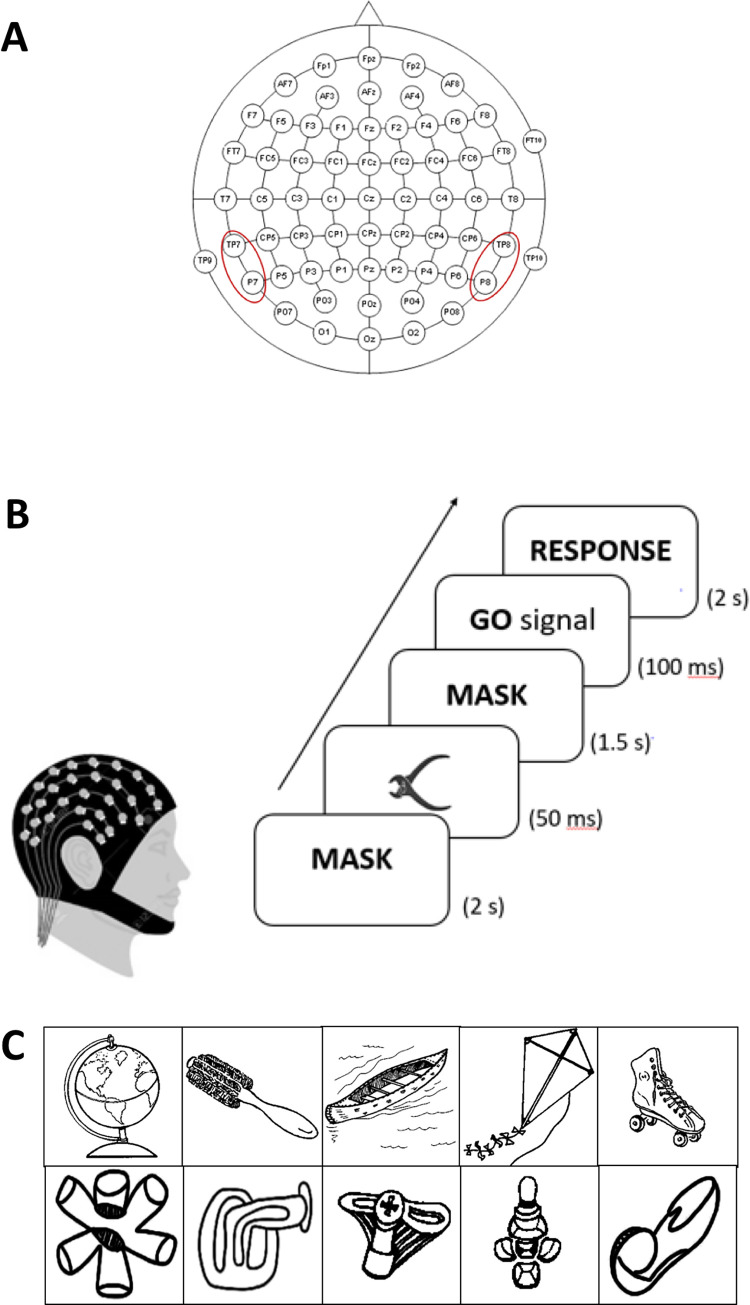
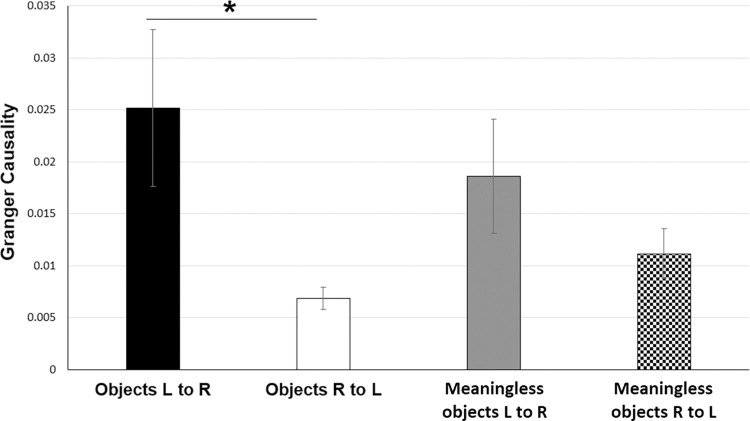
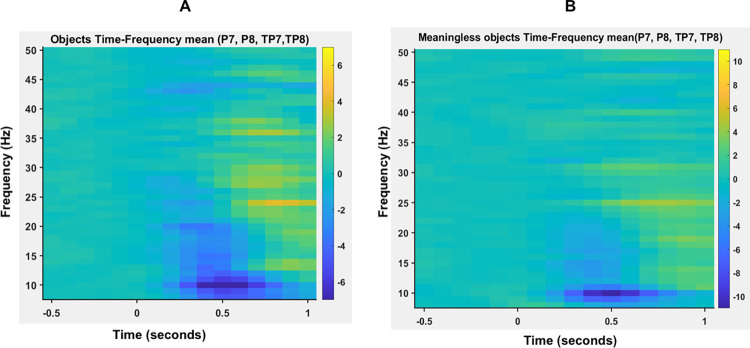
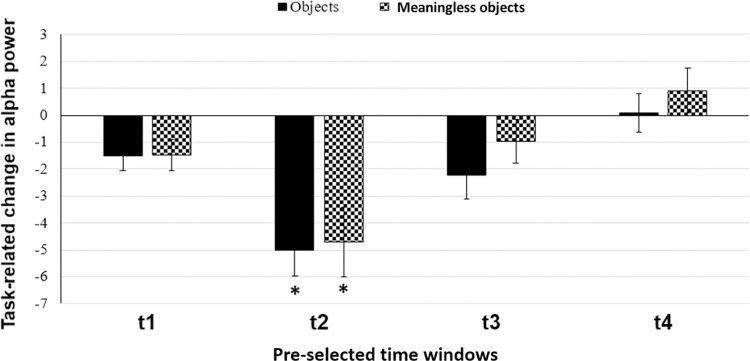
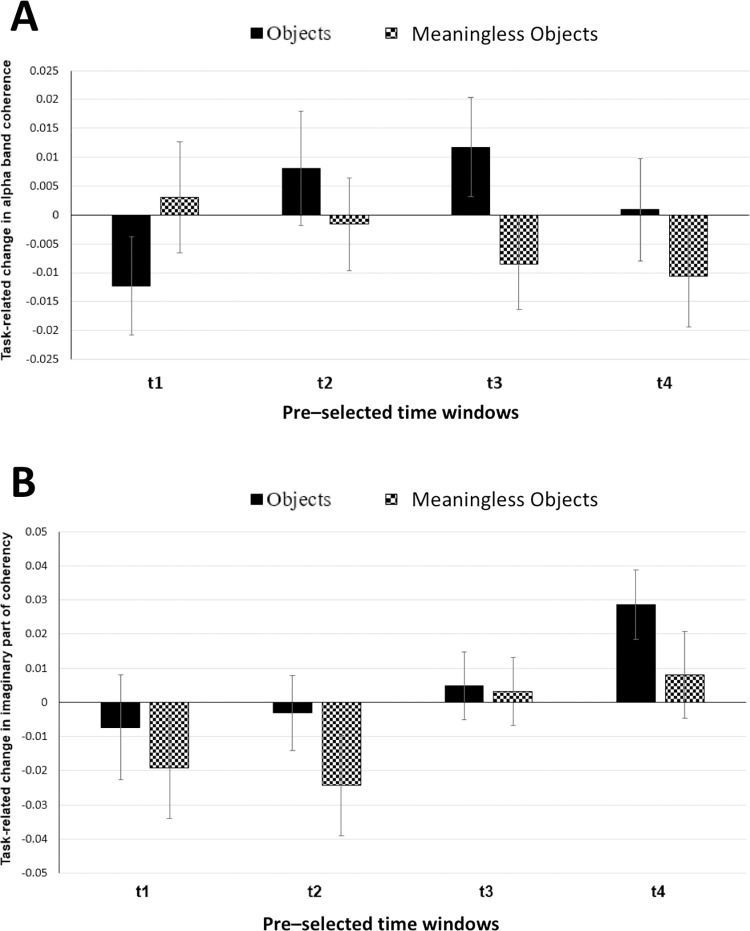
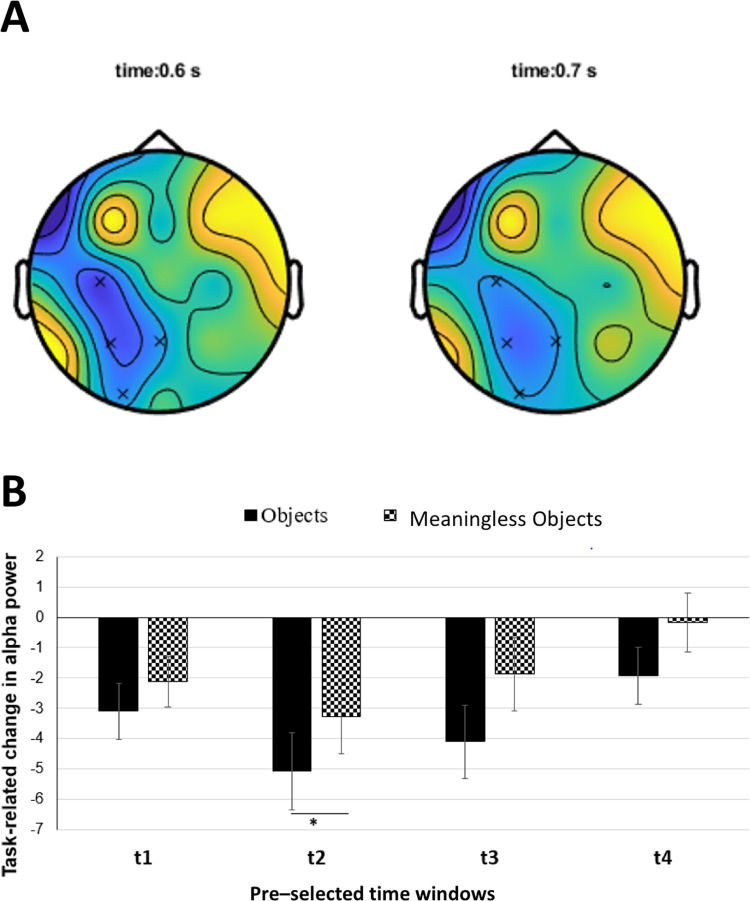
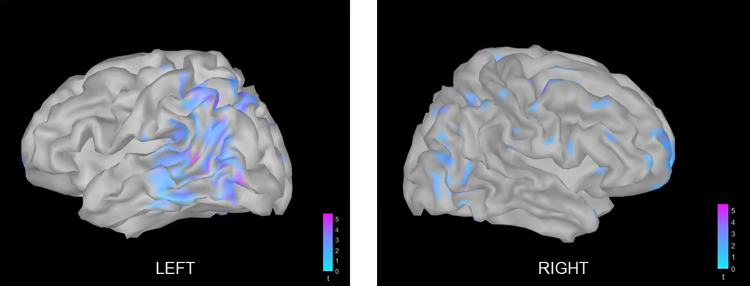
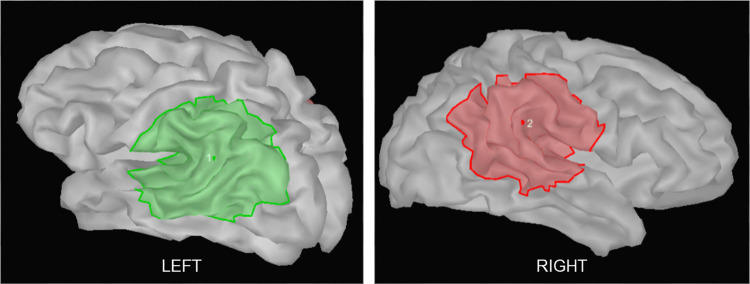
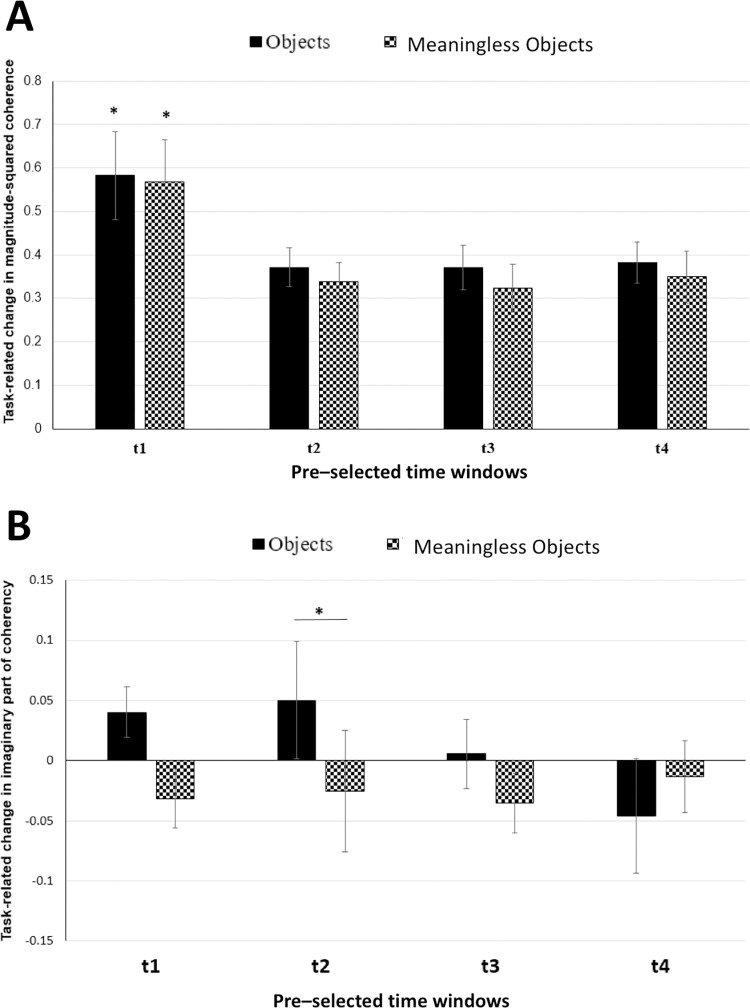
Functional integration between two hemispheres is crucial for perceptual binding to occur when visual stimuli are presented in the midline of the visual field. Mima and colleagues (2001) showed using EEG that midline object recognition was associated with task-related decrease in alpha band power (alpha desynchronisation) and a transient increase in interhemispheric coherence. Our objective in the current study was to replicate the results of Mima et al. and to further evaluate interhemispheric effective connectivity during midline object recognition in source space. We recruited 11 healthy adult volunteers and recorded EEG from 64 channels while they performed a midline object recognition task. Task-related power and coherence were estimated in sensor and source spaces. Further, effective connectivity was evaluated using Granger causality. While we were able to replicate the alpha desynchronisation associated with midline object recognition, we could not replicate the coherence results of Mima et al. The data-driven approach that we employed in our study localised the source of alpha desynchronisation over the left occipito-temporal region. In the alpha band, we further observed significant increase in imaginary part of coherency between bilateral occipito-temporal regions during object recognition. Finally, Granger causality analysis between the left and right occipito-temporal regions provided an insight that even though there is bidirectional interaction, the left occipito-temporal region may be crucial for integrating the information necessary for object recognition. The significance of the current study lies in using high-density EEG and applying more appropriate and robust measures of connectivity as well as statistical analysis to validate and enhance our current knowledge on the neural basis of midline object recognition.
两个半球之间的功能整合对于视觉刺激呈现在视野中线时发生的知觉绑定至关重要。Mima 及其同事(2001 年)使用 EEG 表明,中线物体识别与与任务相关的α频段功率降低(α去同步化)和半球间相干性的短暂增加有关。我们在当前研究中的目的是复制 Mima 等人的结果,并进一步在源空间评估中线物体识别期间的半球间有效连通性。我们招募了 11 名健康成年志愿者,在他们执行中线物体识别任务时,从 64 个通道记录 EEG。在传感器和源空间中估计与任务相关的功率和相干性。进一步,使用格兰杰因果关系评估有效连通性。虽然我们能够复制与中线物体识别相关的α去同步化,但我们无法复制 Mima 等人的相干性结果。我们在研究中采用的数据驱动方法将α去同步化的源定位于左枕颞区。在α频段,我们进一步观察到在物体识别过程中双侧枕颞区之间相干性的虚部显著增加。最后,左和右枕颞区之间的格兰杰因果关系分析提供了一个见解,即尽管存在双向相互作用,但左枕颞区可能对于整合对象识别所需的信息至关重要。当前研究的意义在于使用高密度 EEG 并应用更适当和稳健的连通性测量方法以及统计分析来验证和增强我们对中线物体识别的神经基础的现有知识。