He Renke, Liu Rui, Wu Haiyan, Yu Jiaen, Jiang Zhaoying, Huang Hefeng
International Institutes of Medicine, The Fourth Affiliated Hospital, Zhejiang University School of Medicine, Yiwu, China.
Department of Reproductive Endocrinology, Women's Hospital, School of Medicine, Zhejiang University, Hangzhou, China.
Front Genet. 2022 Aug 12;13:850892. doi: 10.3389/fgene.2022.850892. eCollection 2022.
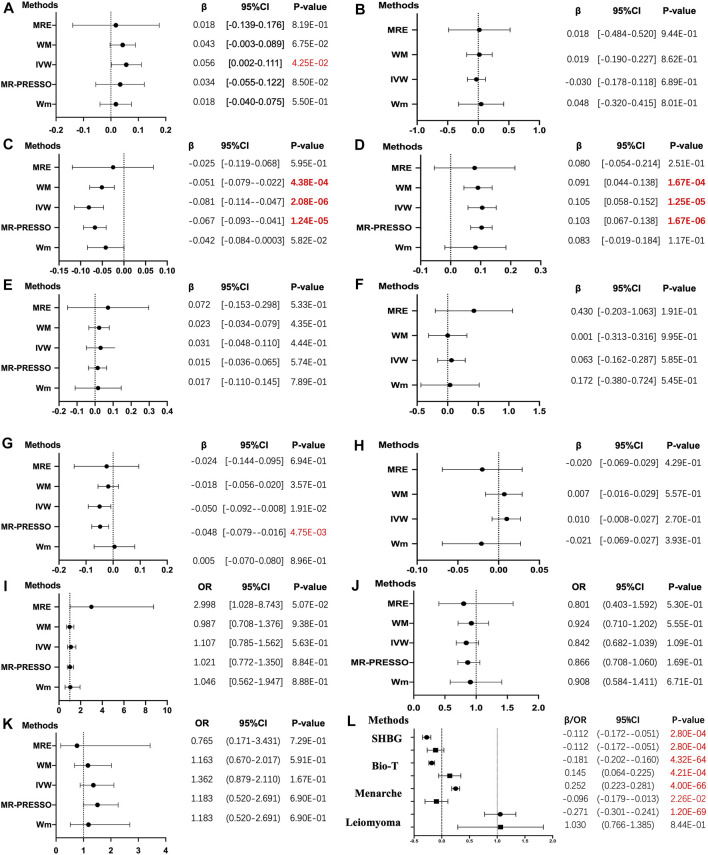
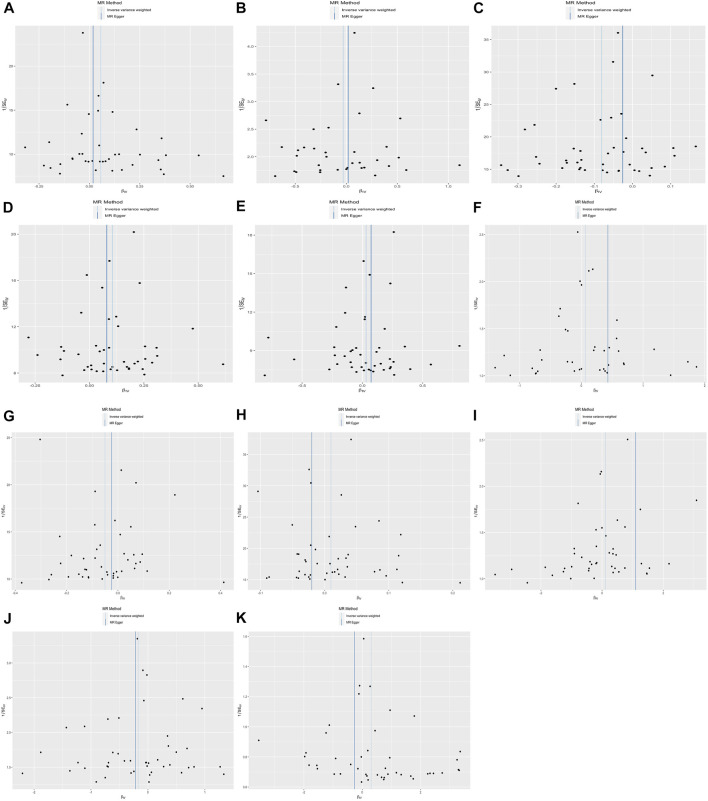
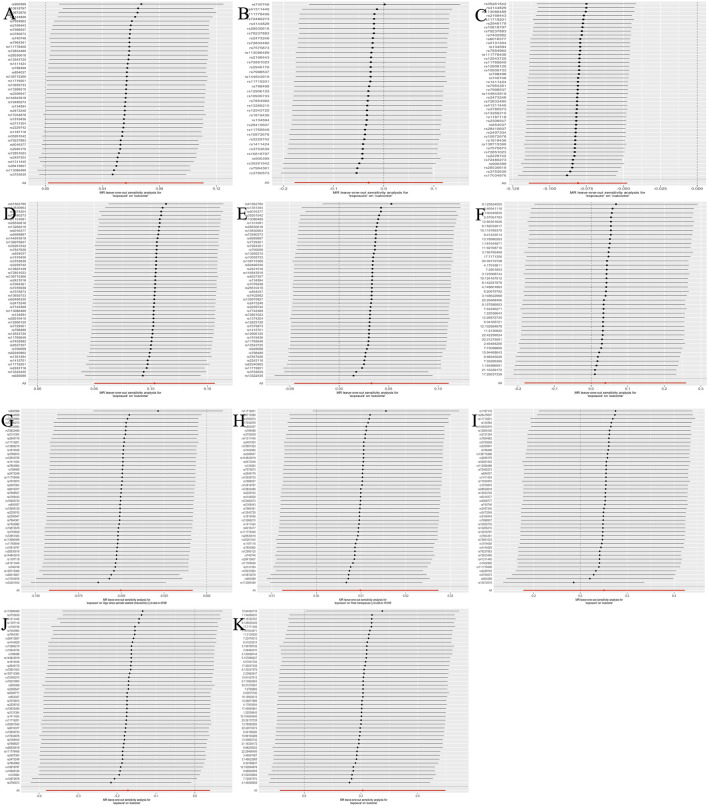
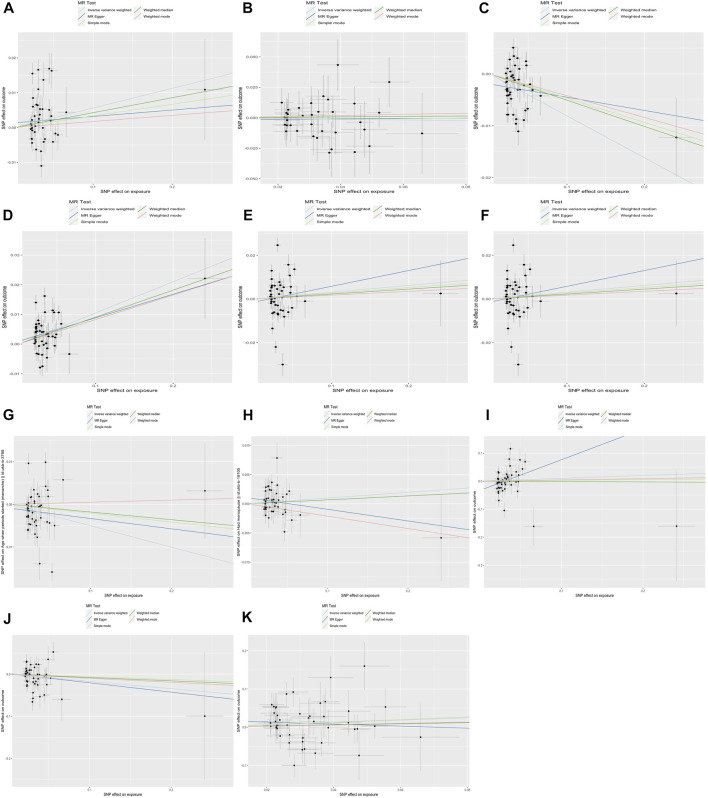
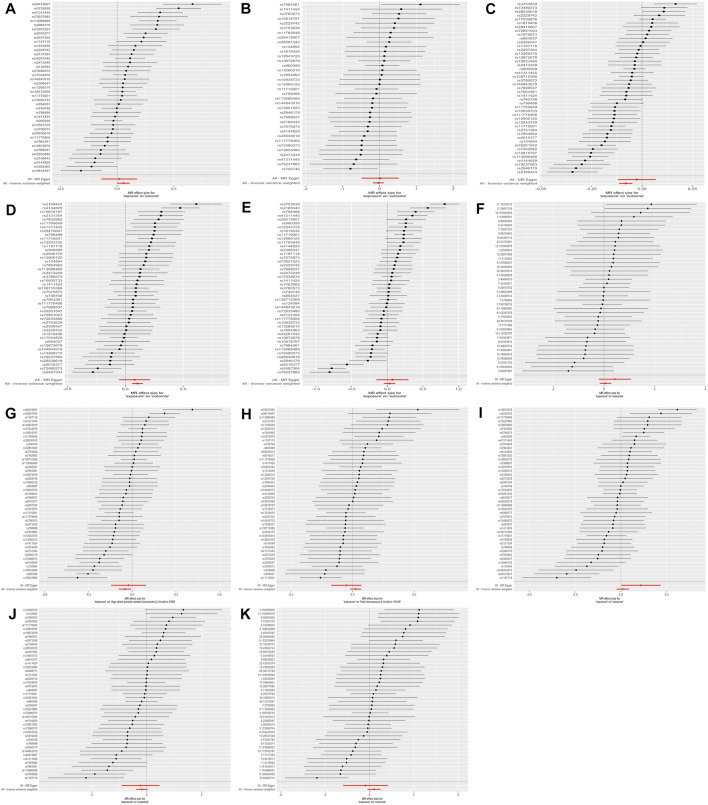
A large meta-analysis indicated a more pronounced association between lower birth weight (BW) and diseases in women but less concern about the causality between BW and female-related phenotypes and diseases. Mendelian randomization (MR) analysis was used to estimate the causal relationship between two traits or diseases using summary datasets from genome-wide association studies. Exposure instrumental variables are variants that are strongly associated with traits and are tested using four different statistical methods, including the inverse variance weighting, MR-Egger, weighted median, and weighted mode in MR analysis. Next, sensitivity analysis and horizontal pleiotropy were assessed using leave-one-out and MR-PRESSO packages. The body mass index (BMI) in adulthood was determined by BW (corrected β = 0.071, = 3.19E-03). Lower BW could decrease the adult sex hormone-binding globulin (SHBG) level (β = -0.081, = 2.08E-06), but it resulted in increased levels of bioavailable testosterone (bio-T) (β = 0.105, = 1.25E-05). A potential inverse effect was observed between BW and menarche (corrected β = -0.048, = 4.75E-03), and no causal association was confirmed between BW and the risk of endometriosis, leiomyoma, and polycystic ovary syndrome. Our results suggest that BW may play an important role and demonstrates a significant direct influence on female BMI, SHBG and bio-T levels, and menarche.
一项大型荟萃分析表明,低出生体重(BW)与女性疾病之间的关联更为显著,但人们对BW与女性相关表型及疾病之间的因果关系关注较少。孟德尔随机化(MR)分析用于利用全基因组关联研究的汇总数据集估计两个性状或疾病之间的因果关系。暴露工具变量是与性状强烈相关的变异,并在MR分析中使用四种不同的统计方法进行检验,包括逆方差加权法、MR-Egger法、加权中位数法和加权众数法。接下来,使用留一法和MR-PRESSO软件包评估敏感性分析和水平多效性。成年后的体重指数(BMI)由BW决定(校正β = 0.071,P = 3.19E-03)。较低的BW会降低成年女性性激素结合球蛋白(SHBG)水平(β = -0.081,P = 2.08E-06),但会导致生物可利用睾酮(bio-T)水平升高(β = 0.105,P = 1.25E-05)。在BW与初潮之间观察到潜在的反向效应(校正β = -0.048,P = 4.75E-03),并且未证实BW与子宫内膜异位症、平滑肌瘤和多囊卵巢综合征风险之间存在因果关联。我们的结果表明,BW可能发挥重要作用,并对女性BMI、SHBG和bio-T水平以及初潮产生显著的直接影响。