Clemens Elene A, Holbrook Beth C, McNeilly Brendan, Kanekiyo Masaru, Graham Barney S, Alexander-Miller Martha A
Department of Microbiology and Immunology, Wake Forest University School of Medicine, Winston-Salem, USA.
Vaccine Research Center, NIAID, NIH, Bethesda, USA.
NPJ Vaccines. 2022 Aug 29;7(1):102. doi: 10.1038/s41541-022-00523-8.
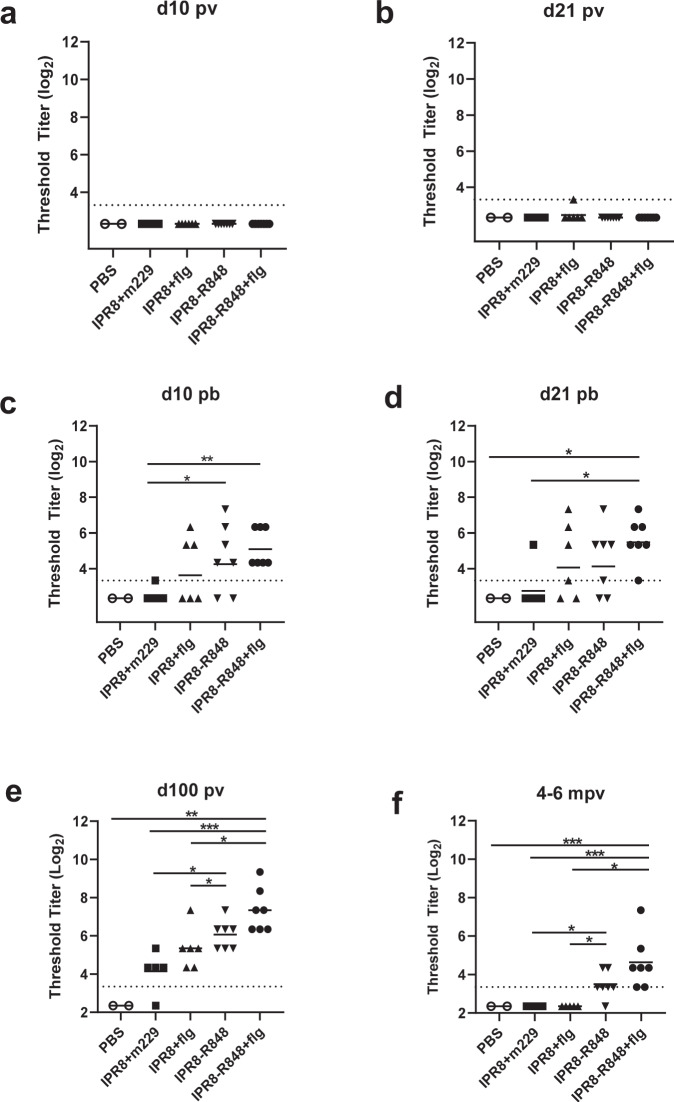
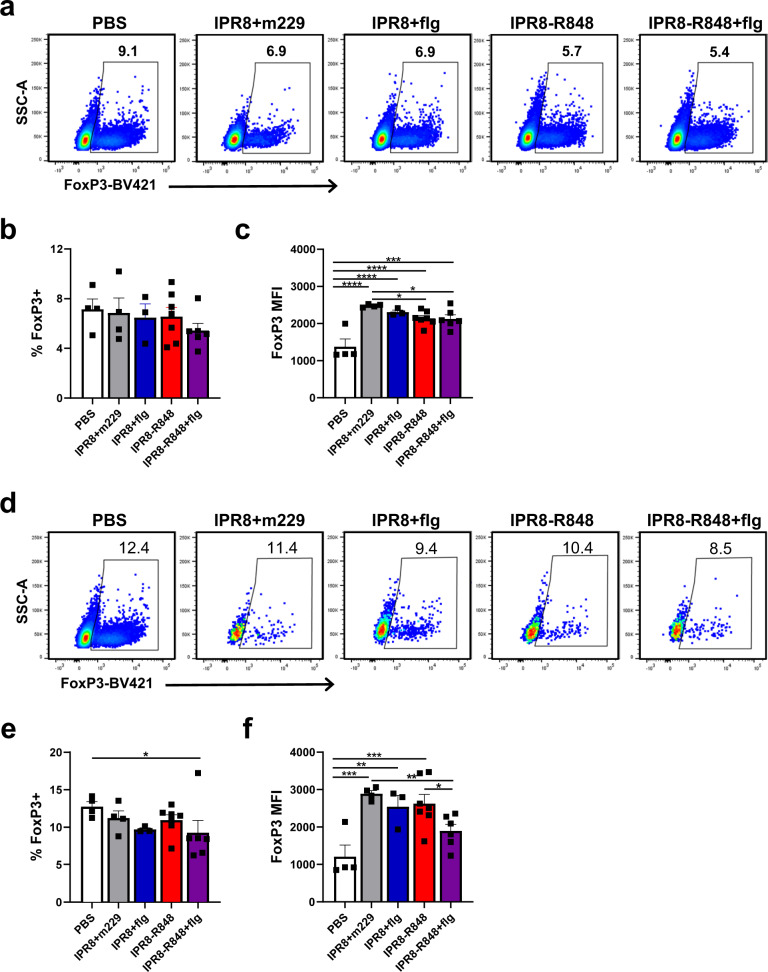
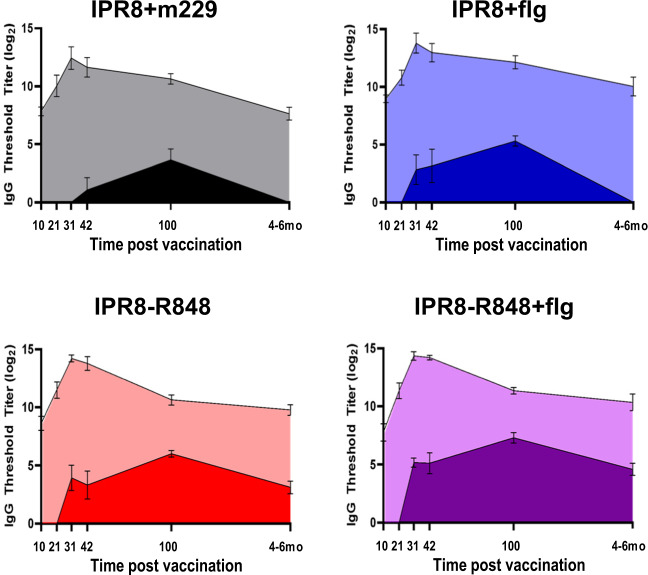
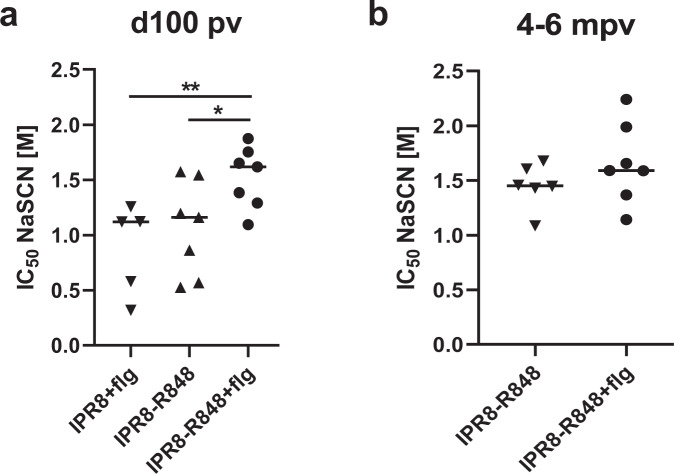
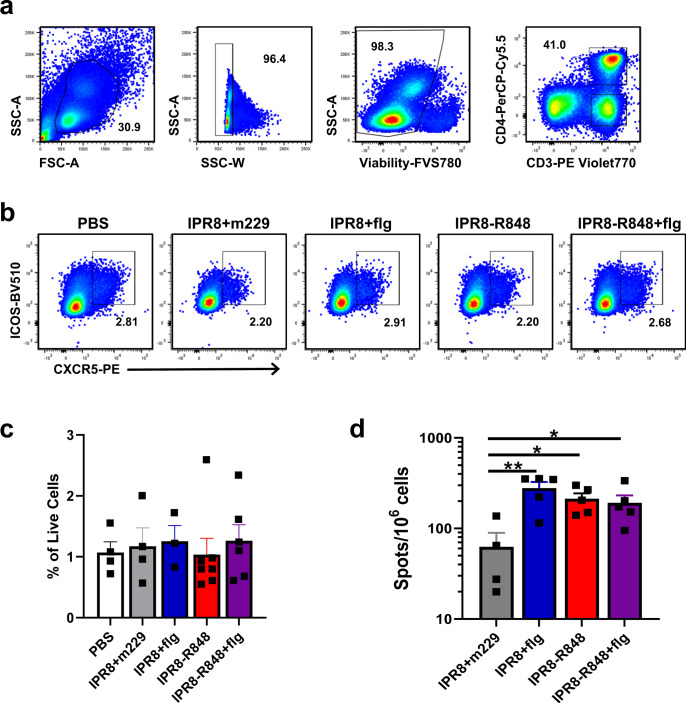
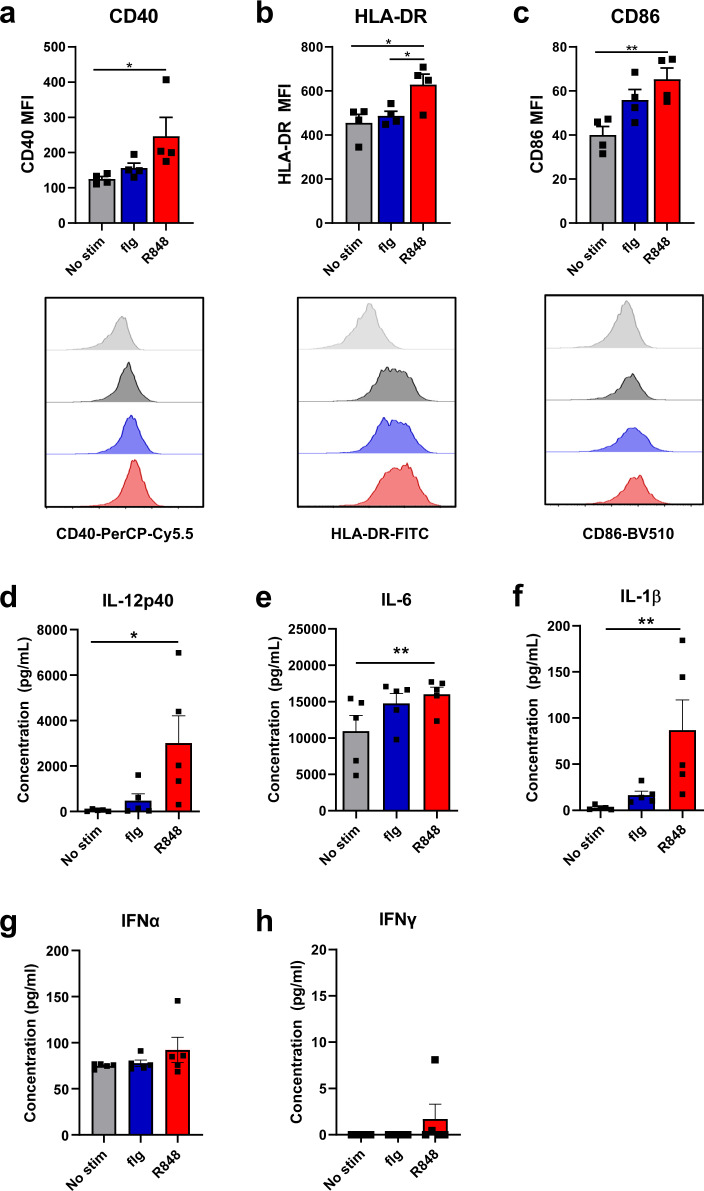
The newborn immune system is characterized by diminished immune responses that leave infants vulnerable to virus-mediated disease and make vaccination more challenging. Optimal vaccination strategies for influenza A virus (IAV) in newborns should result in robust levels of protective antibodies, including those with broad reactivity to combat the variability in IAV strains across seasons. The stem region of the hemagglutinin (HA) molecule is a target of such antibodies. Using a nonhuman primate model, we investigate the capacity of newborns to generate and maintain antibodies to the conserved stem region following vaccination. We find adjuvanting an inactivated vaccine with the TLR7/8 agonist R848 is effective in promoting sustained HA stem-specific IgG. Unexpectedly, HA stem-specific antibodies were generated with a distinct kinetic pattern compared to the overall response. Administration of R848 was associated with increased influenza-specific T follicular helper cells as well as Tregs with a less suppressive phenotype, suggesting adjuvant impacts multiple cell types that have the potential to contribute to the HA-stem response.
新生儿免疫系统的特点是免疫反应减弱,这使得婴儿易患病毒介导的疾病,并使疫苗接种更具挑战性。针对新生儿甲型流感病毒(IAV)的最佳疫苗接种策略应能产生强大水平的保护性抗体,包括那些具有广泛反应性以对抗不同季节IAV毒株变异性的抗体。血凝素(HA)分子的茎区是这类抗体的靶点。我们使用非人灵长类动物模型,研究新生儿在接种疫苗后产生并维持针对保守茎区抗体的能力。我们发现,用TLR7/8激动剂R848佐剂灭活疫苗可有效促进持续的HA茎特异性IgG产生。出乎意料的是,与总体反应相比,HA茎特异性抗体的产生具有独特的动力学模式。R848的给药与流感特异性T滤泡辅助细胞以及具有较低抑制表型的调节性T细胞增加有关,这表明佐剂影响多种可能有助于HA茎反应的细胞类型。