Department of Urology, Second Affiliated Hospital of Dalian Medical University, China.
Department of Biochemistry, Institute of Glycobiology, Dalian Medical University, China.
Mol Oncol. 2022 Oct;16(20):3666-3688. doi: 10.1002/1878-0261.13307. Epub 2022 Sep 2.
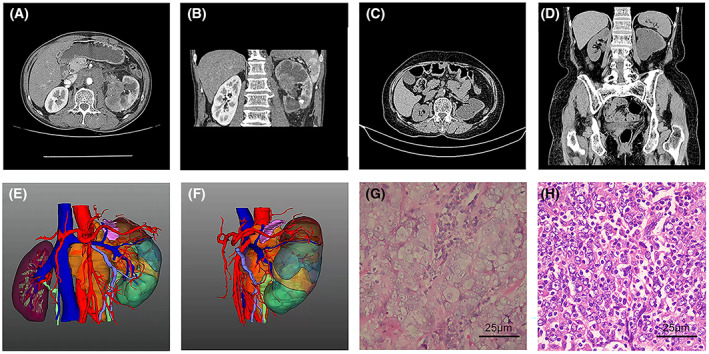
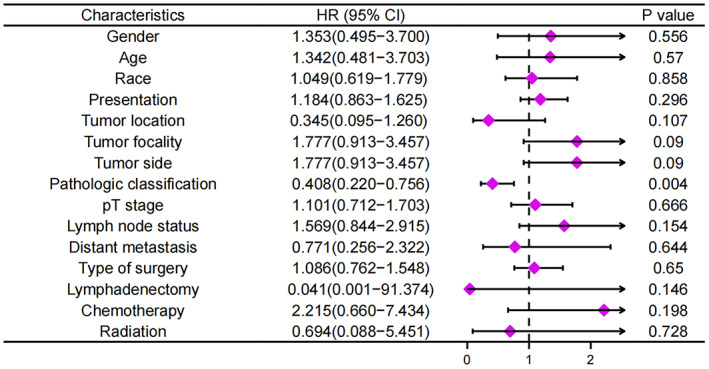
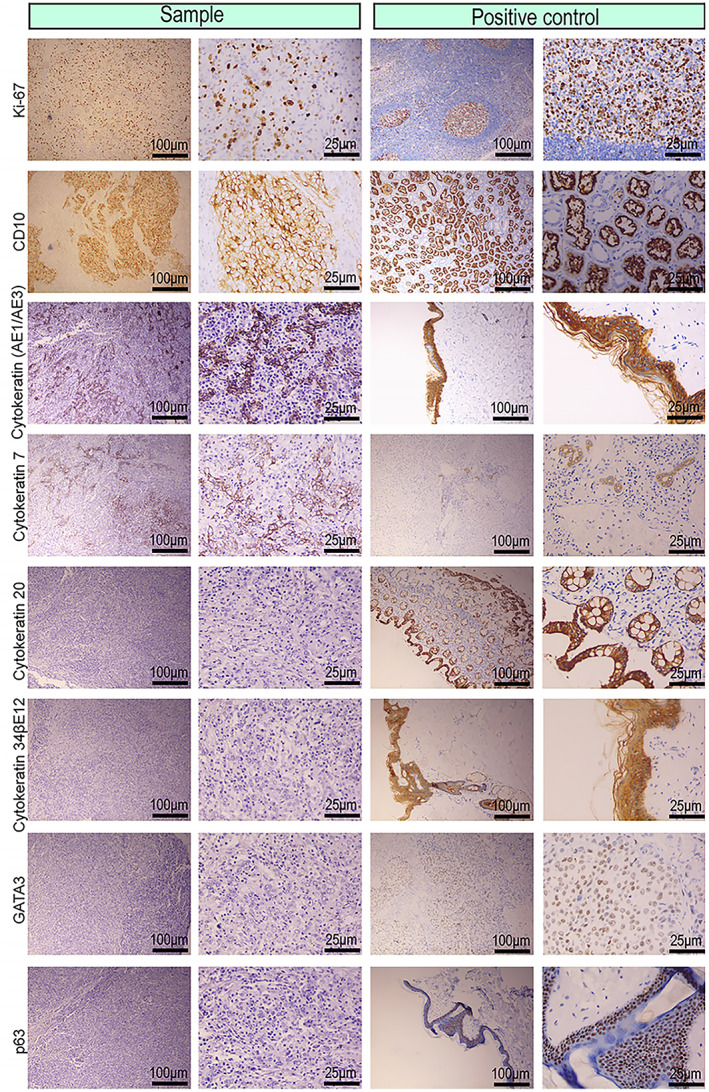
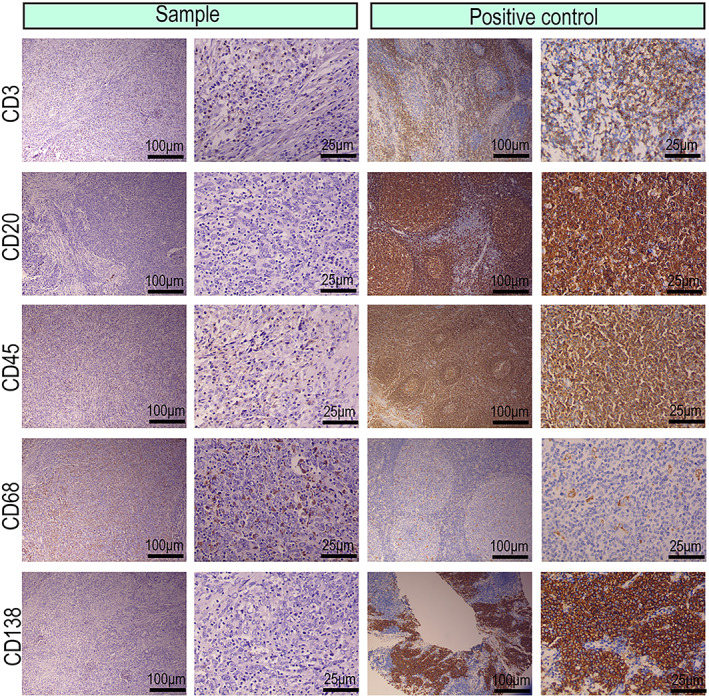
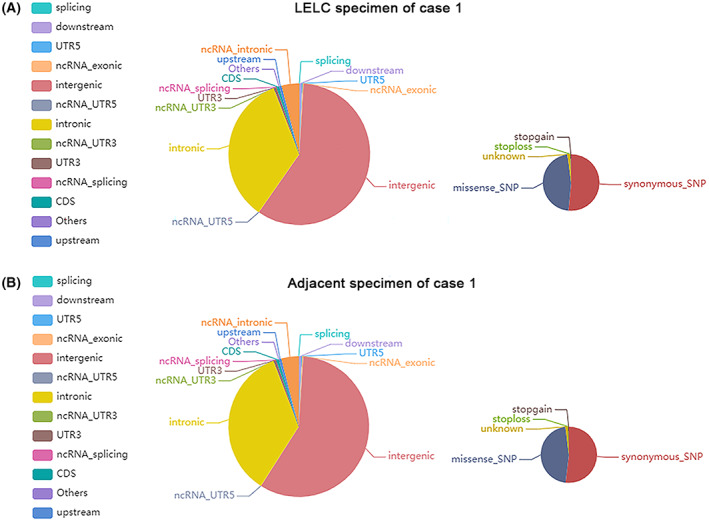
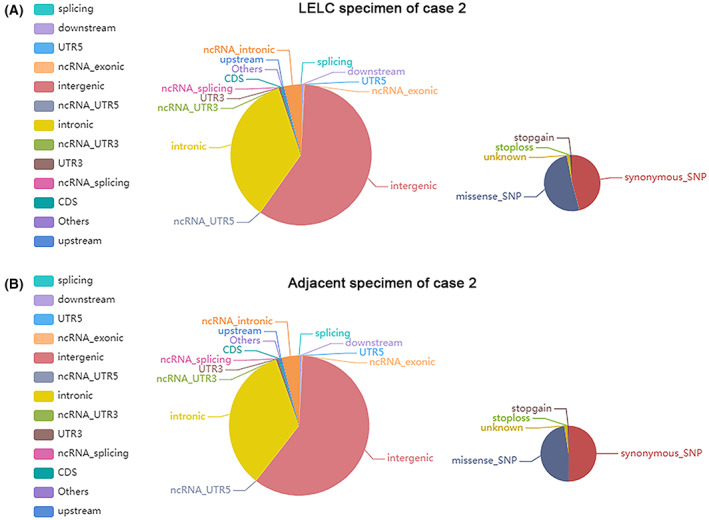
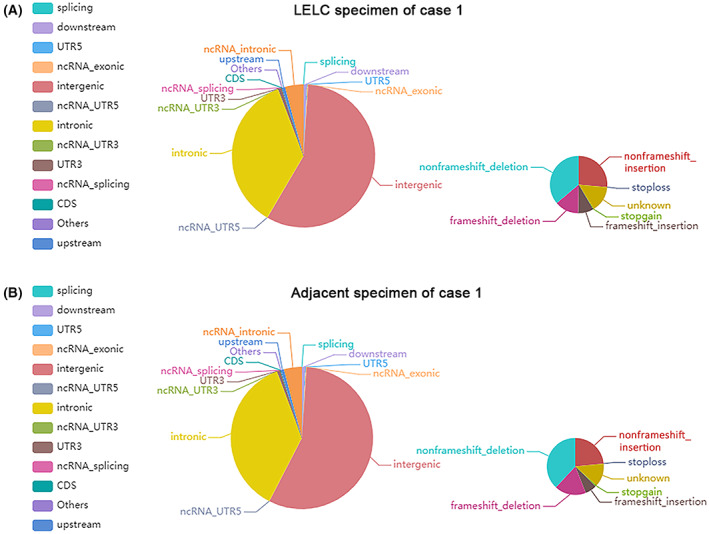
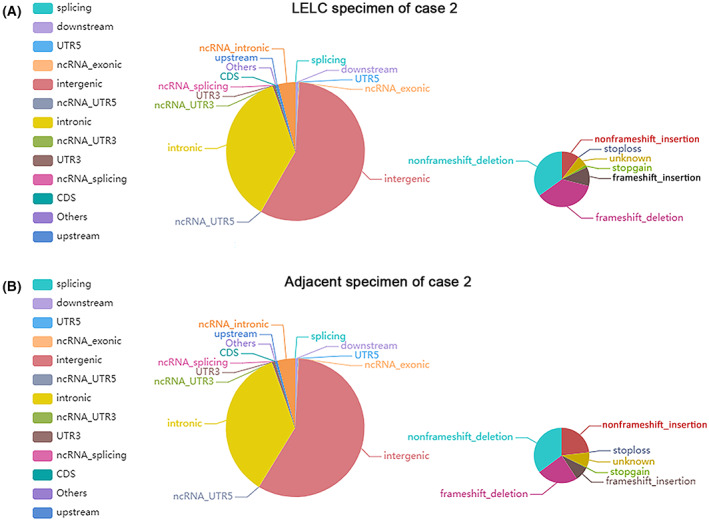
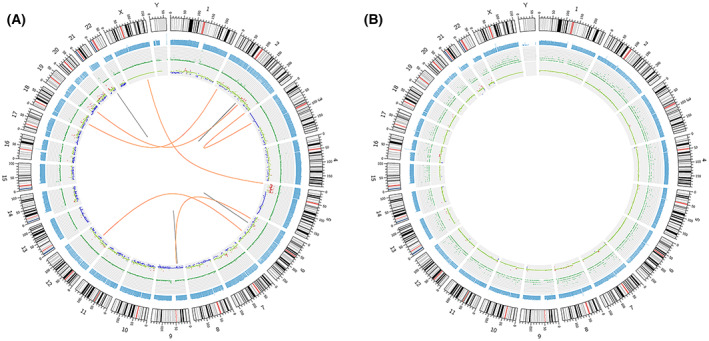
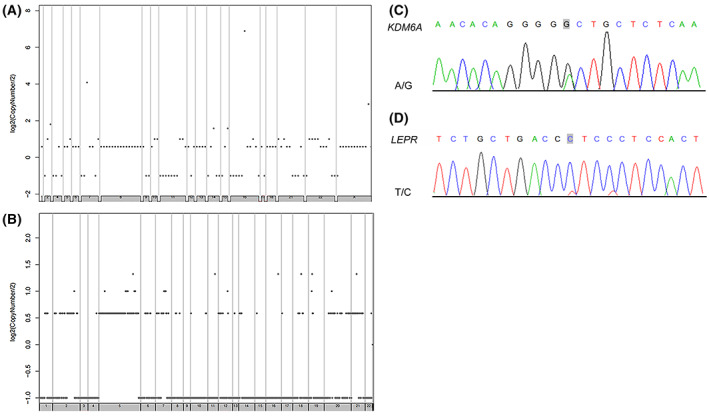
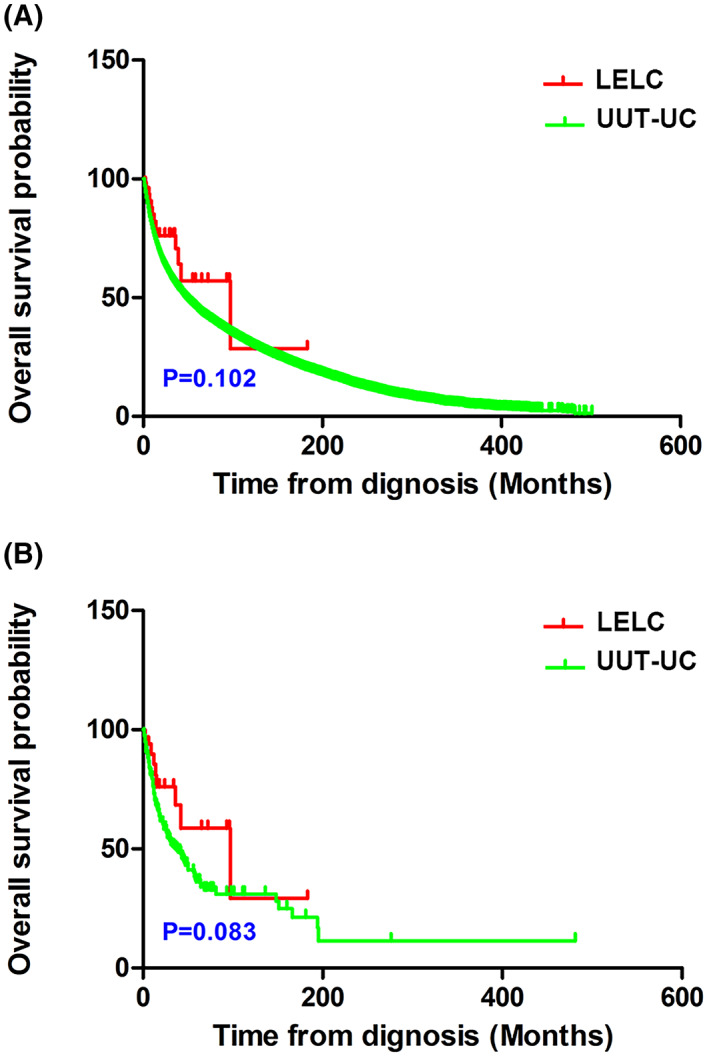
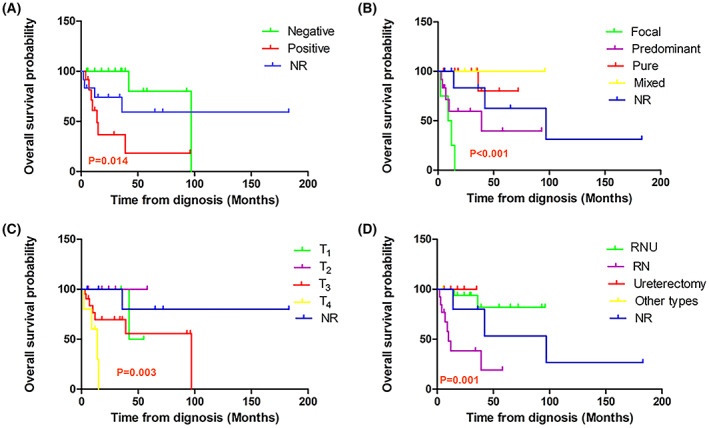
The genetic features of primary lymphoepithelioma-like carcinoma (LELC) of the upper urinary tract have not been systematically explored. In this study, tumor mutation profiling was performed using whole-genome sequencing in two patients with LELC of the renal pelvis. Novel candidate variants relevant to known disease genes were selected using rare-variant burden analysis. Subsequently, a population-based study was performed using the Surveillance, Epidemiology, and End Results (SEER), PubMed, MEDLINE, Embase, and Scopus databases to explore clinical features and prognostic risk factors. Immunohistochemical analysis revealed seven positive cytokeratin-associated markers in tumor cells and five positive lymphocyte-associated markers in and around the tumor area. Sub-sequently, we identified KDM6A as the susceptibility gene and LEPR as the driver gene by Sanger sequencing in case 2 of LELC of the renal pelvis. Three mutation sites of the existing targeted drugs were screened: CA9, a therapeutic target for zonisamide; ARVCF, a therapeutic target for bupropion; and PLOD3, a therapeutic target for vitamin C. In a population-based study, patients with primary LELC of the upper urinary tract had clinical outcomes similar to those of patients with primary upper urinary tract urothelial carcinoma (UUT-UC) before and after propensity score matching at 1 : 5. Focal subtype was an independent prognostic factor for the overall survival of patients with LELC of the upper urinary tract. The carcinogenesis of primary LELC may be due to different genetic variations, including single-nucleotide variants, insertion and deletions, structural variations, and repeat regions, which may provide the basis for clinical diagnosis and treatment. The prognosis of LELC in the upper urinary tract is similar to that of UUT-UC. We suggest that the focal subtype can serve as a prognostic factor for LELC of the upper urinary tract; however, further studies are required to confirm this.
原发性上尿路淋巴上皮样癌(LELC)的遗传特征尚未得到系统研究。本研究对 2 例肾盂 LELC 患者进行了全基因组测序肿瘤突变分析,采用罕见变异负担分析选择与已知疾病基因相关的候选变异。随后,我们利用 SEER、PubMed、MEDLINE、Embase 和 Scopus 数据库进行了一项基于人群的研究,以探讨临床特征和预后危险因素。免疫组织化学分析显示肿瘤细胞中有 7 种阳性细胞角蛋白相关标志物,肿瘤区域及其周围有 5 种阳性淋巴细胞相关标志物。随后,我们通过对肾盂 LELC 病例 2 的 Sanger 测序,鉴定出 KDM6A 为易感基因,LEPR 为驱动基因。筛选了三种现有靶向药物的突变位点:CA9,佐米曲坦的治疗靶点;ARVCF,安非他酮的治疗靶点;PLOD3,维生素 C 的治疗靶点。在一项基于人群的研究中,在以 1:5 的比例进行倾向评分匹配后,原发性上尿路 LELC 患者与原发性上尿路尿路上皮癌(UUT-UC)患者的临床结局相似。局灶型是上尿路 LELC 患者总生存期的独立预后因素。原发性上尿路 LELC 的发生可能是由于不同的遗传变异,包括单核苷酸变异、插入和缺失、结构变异和重复区域,这可能为临床诊断和治疗提供依据。上尿路 LELC 的预后与 UUT-UC 相似。我们建议局灶型可作为上尿路 LELC 的预后因素;然而,需要进一步的研究来证实这一点。