Department of Engineering, Physics and Mathematics, Institute of Chemistry, São Paulo State University-UNESP, Av. Prof. Francisco Degni, 55 - Jardim Quitandinha, Araraquara, São Paulo, 14800-900, Brazil.
Departament of Mechanics, Minas Gerais Federal Institute of Education, Science and Technology, IFMG, Congonhas, Brazil.
Environ Sci Pollut Res Int. 2023 Jan;30(4):8835-8852. doi: 10.1007/s11356-022-22786-3. Epub 2022 Sep 2.
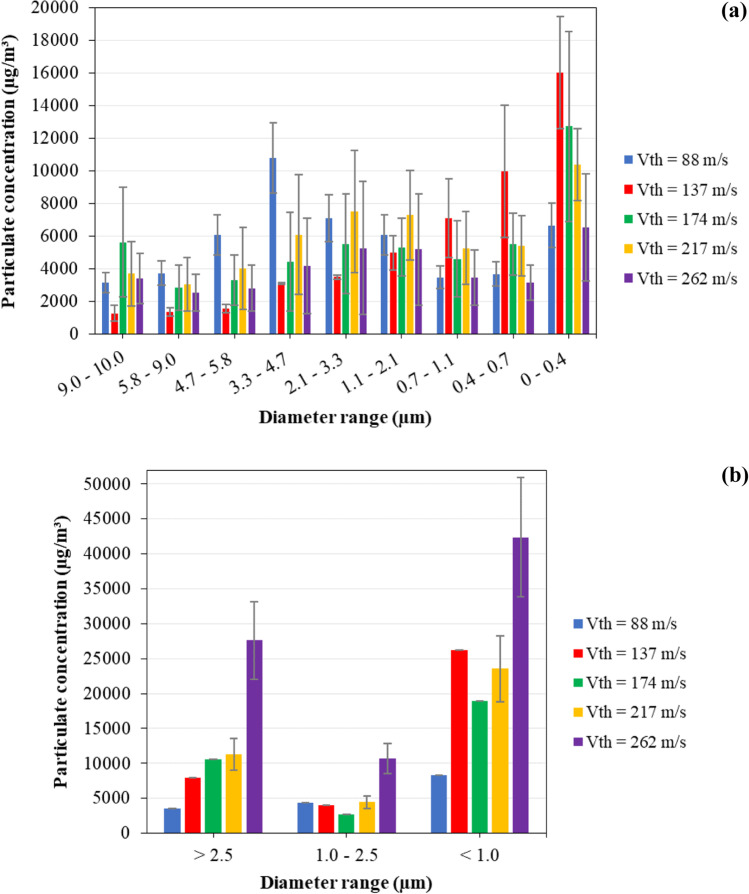
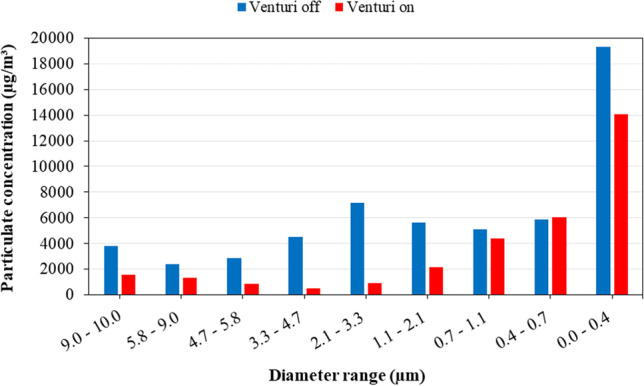
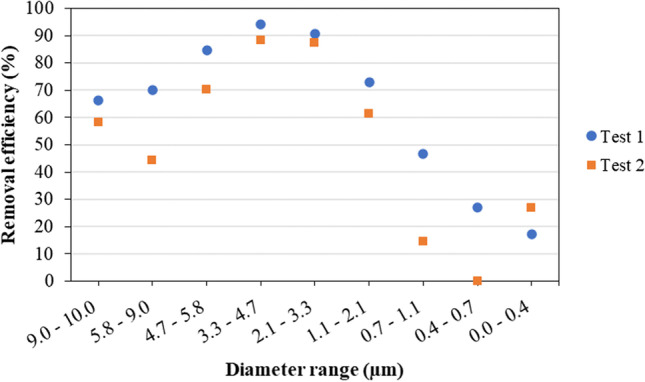
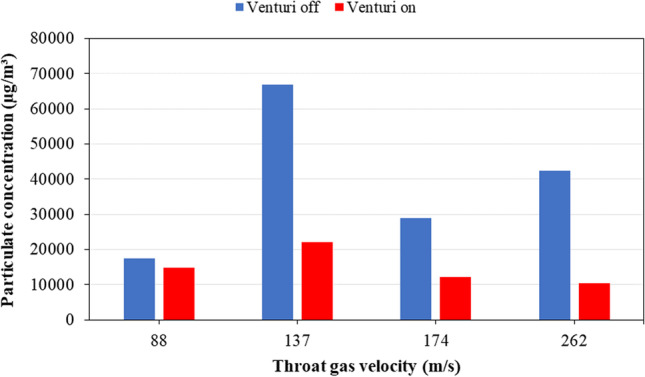
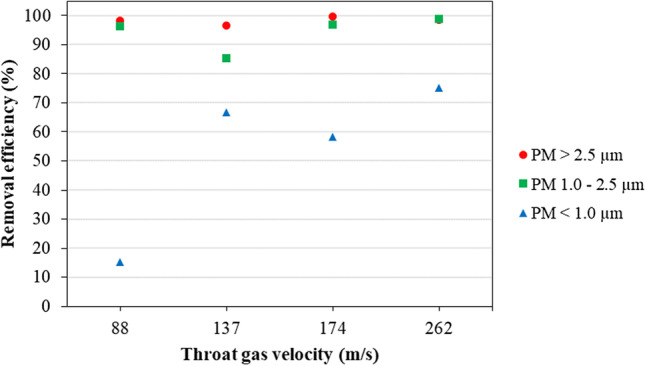
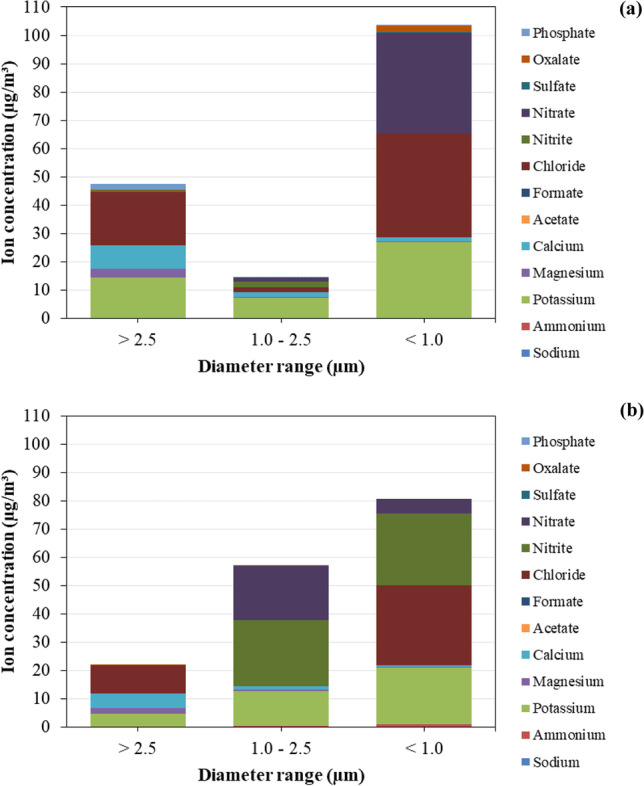
Energy demand has increased worldwide, and biomass burning is one of the solutions most used by industries, especially in countries that have a great potential in agriculture, such as Brazil. However, these energy sources generate pollutants, consisting of particulate matter (PM) with a complex chemical composition, such as sugarcane bagasse (SB) burning. Controlling these emissions is necessary; therefore, the aim was to evaluate PM collection using a rectangular Venturi scrubber (RVS), and its effects on the composition of the PM emitted. Considering the appropriate use of biomass as an industrial fuel and the emerging need for a technique capable of efficiently removing pollutants from biomass burning, this study shows the control of emissions as an innovation in a situation such as the industrial one with the use of a Venturi scrubber in fine particle collection, in addition to using portable and representative isokinetic sampling equipment of these particles. The pilot-scale simulation of the biomass burning process, the representative sampling of fine particles and obtaining parameters to control pollutant emissions for a Venturi scrubber, meets the current situation of concern about air quality. The average collection efficiency values were 96.6% for PM, 85.5% for PM, and 66.9% for PM. The ionic analysis for PM filters showed potassium, chloride, nitrate, and nitrite at concentrations ranging from 20.12 to 36.5 μg/m. As the ethanol and sugar plants will continue to generate electricity with sugarcane bagasse burning, emission control technologies and cost-effective and efficient portable samplers are needed to monitor particulate materials and improve current gas cleaning equipment projects.
能源需求在全球范围内不断增长,生物质燃烧是工业界最常用的解决方案之一,尤其是在农业资源丰富的国家,如巴西。然而,这些能源会产生污染物,包括具有复杂化学成分的颗粒物(PM),如甘蔗渣(SB)燃烧。控制这些排放物是必要的;因此,本研究的目的是评估使用矩形文丘里洗涤器(RVS)收集 PM 的效果,以及其对 PM 排放成分的影响。考虑到生物质作为工业燃料的合理利用以及新兴的需要一种能够有效去除生物质燃烧污染物的技术,本研究展示了在工业环境中使用文丘里洗涤器控制排放作为一种创新,此外还使用便携式和代表性等动采样设备来收集这些颗粒。生物质燃烧过程的中试模拟、细颗粒的代表性采样以及获得用于文丘里洗涤器的污染物排放控制参数,满足了当前对空气质量的关注。PM 的平均收集效率值为 96.6%,PM 的平均收集效率值为 85.5%,PM 的平均收集效率值为 66.9%。PM 过滤器的离子分析显示,钾、氯、硝酸盐和亚硝酸盐的浓度范围为 20.12 至 36.5μg/m。随着乙醇和糖厂将继续使用甘蔗渣燃烧发电,需要采用具有成本效益和高效的便携式采样器来监测颗粒物并改进当前的气体净化设备项目。