Health Research Board - Neonatal Encephalopathy PhD Training Network (NEPTuNE), Trinity College Dublin, Dublin, Ireland
Health Research Board-Trials Methodology Research Network (HRB-TMRN), Galway, Ireland.
BMJ Paediatr Open. 2022 Jul;6(1). doi: 10.1136/bmjpo-2022-001550. Epub 2022 Jul 25.
To identify the outcomes considered important to parents or caregivers of infants diagnosed with neonatal encephalopathy, hypoxic ischaemic encephalopathy or birth asphyxia in high-income and low- to middle-income countries (LMiCs), as part of the outcome-identification process in developing a core outcome set (COS) for the treatment of neonatal encephalopathy.
A qualitative study involving 25 semistructured interviews with parents or other family members (caregivers) of infants who were diagnosed with, and treated for, neonatal encephalopathy, hypoxic ischaemic encephalopathy or birth asphyxia.
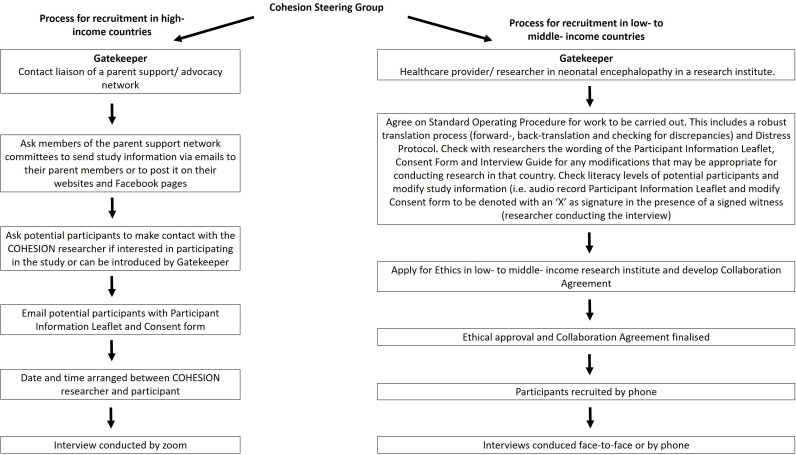
Interviews were conducted in high-income countries (HiCs) (n=11) by Zoom video conferencing software and in LMiCs (n=14) by phone or face to face.
Parents identified 54 outcomes overall, which mapped to 16 outcome domains. The domains identified were neurological outcomes, respiratory outcomes, gastrointestinal outcomes, cardiovascular outcomes, motor development, cognitive development, development (psychosocial), development (special senses), cognitive development, development (speech and social), other organ outcomes, survival/living outcomes, long-term disability, hospitalisation, parent-reported outcomes and adverse events.
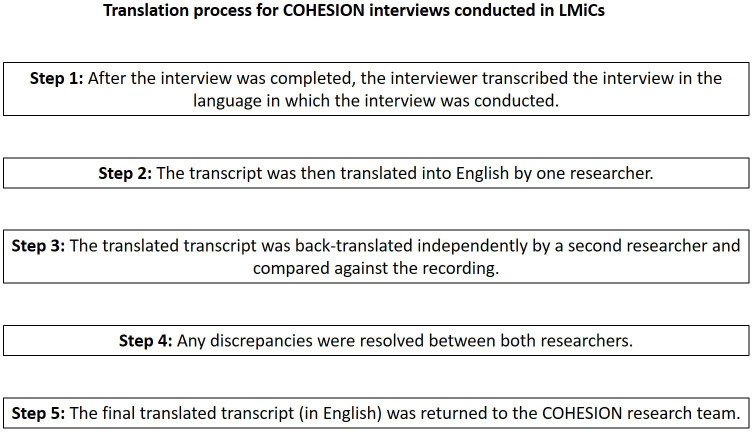
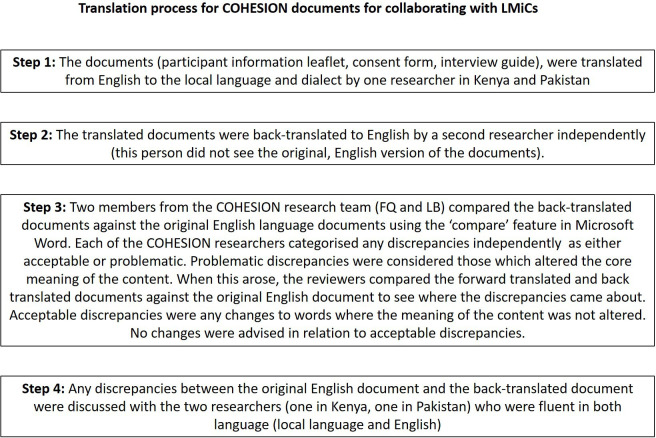
This study provides insight into the outcomes that parents of infants diagnosed with neonatal encephalopathy have identified as the most important, to be considered in the process of developing a COS for the treatment of neonatal encephalopathy. We also provide description of the processes employed to ensure the inclusion of participants from LMiCs as well as HiCs.
确定高收入国家和中低收入国家(LMICs)中患有新生儿脑病、缺氧缺血性脑病或窒息的婴儿的父母或照顾者认为重要的结局,作为制定新生儿脑病治疗核心结局集(COS)过程中的结局识别部分。
一项定性研究,涉及 25 名对半结构化访谈的父母或婴儿的其他家庭成员(照顾者)进行,这些婴儿被诊断为新生儿脑病、缺氧缺血性脑病或窒息,并接受了治疗。
访谈在高收入国家(HiCs)(n=11)通过 Zoom 视频会议软件进行,在中低收入国家(LMICs)(n=14)通过电话或面对面进行。
父母总共确定了 54 个结果,映射到 16 个结果领域。确定的领域包括神经学结果、呼吸结果、胃肠道结果、心血管结果、运动发育、认知发育、发育(心理社会)、发育(特殊感觉)、认知发育、发育(言语和社会)、其他器官结果、生存/生活结果、长期残疾、住院、父母报告的结果和不良事件。
本研究深入了解了被诊断为新生儿脑病的婴儿的父母认为最重要的结果,这些结果将在制定新生儿脑病治疗核心结局集的过程中考虑。我们还描述了确保纳入来自 LMICs 和 HiCs 的参与者的过程。