Department of Laboratory Medicine, Semmelweis University, H-1089 Budapest, Hungary.
Hereditary Tumours Research Group, Hungarian Academy of Sciences-Semmelweis University, H-1089 Budapest, Hungary.
J Clin Endocrinol Metab. 2022 Nov 23;107(11):3066-3079. doi: 10.1210/clinem/dgac496.
DNA demethylation and inhibitory effects of aspirin on pituitary cell proliferation have been demonstrated.
Our aim was to clarify the molecular mechanisms behind the aspirin-related effects in pituitary cells.
DNA methylome and whole transcriptome profile were investigated in RC-4B/C and GH3 pituitary cell lines upon aspirin treatment. Effects of aspirin and a demethylation agent, decitabine, were further tested in vitro. PTTG1 expression in 41 human PitNET samples and whole genome gene and protein expression data of 76 PitNET and 34 control samples (available in Gene Expression Omnibus) were evaluated.
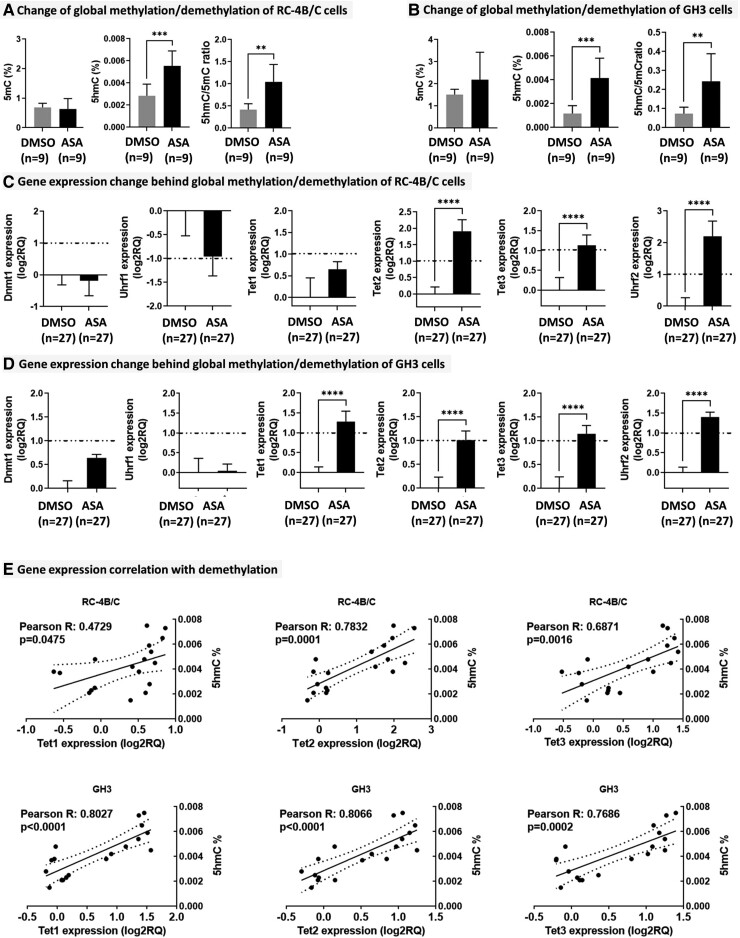
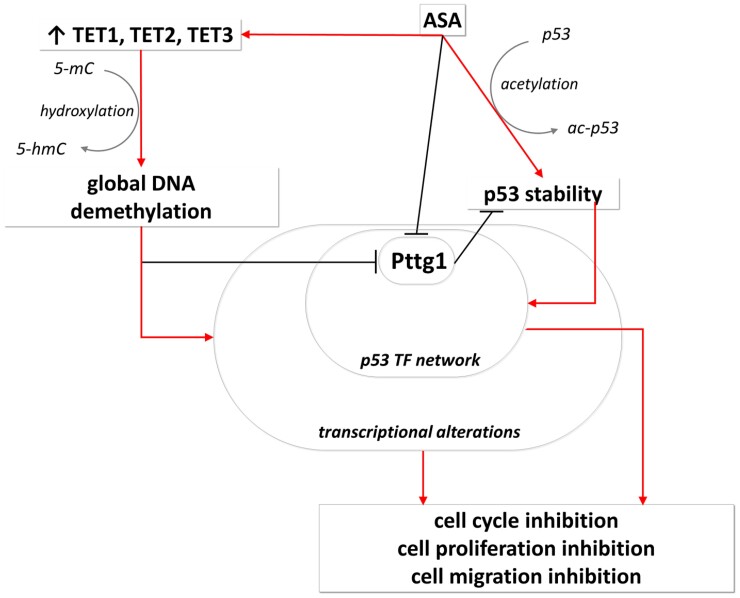
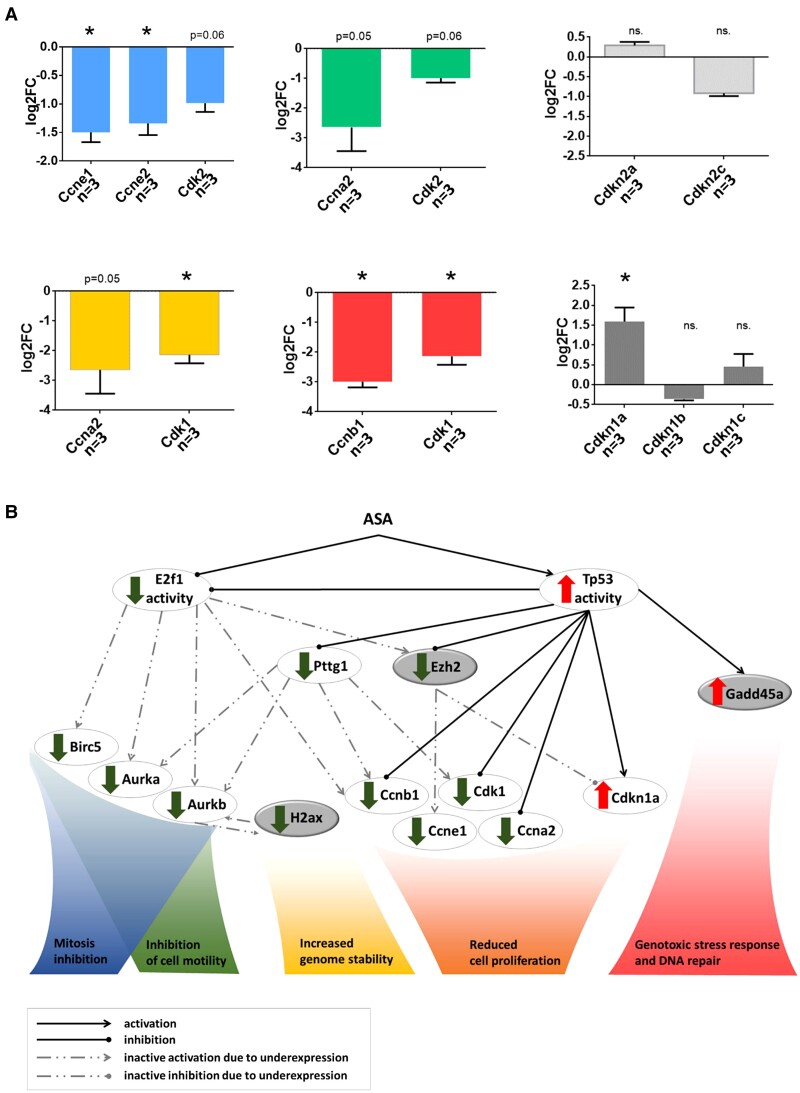
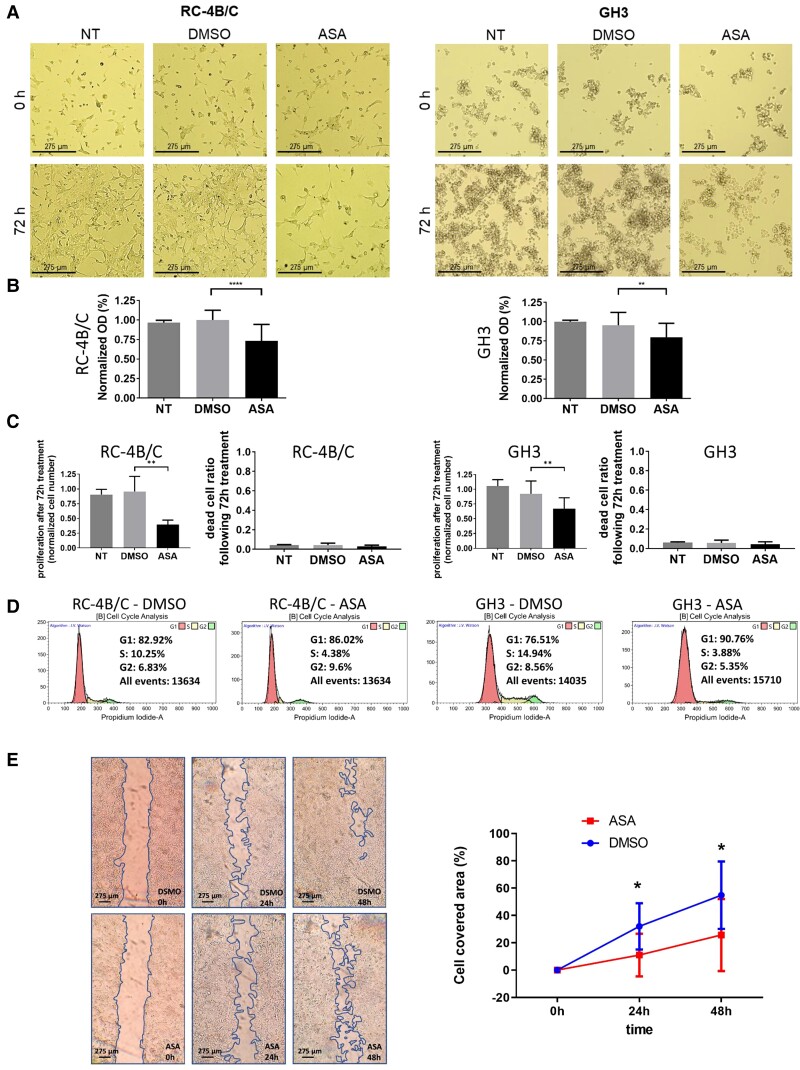
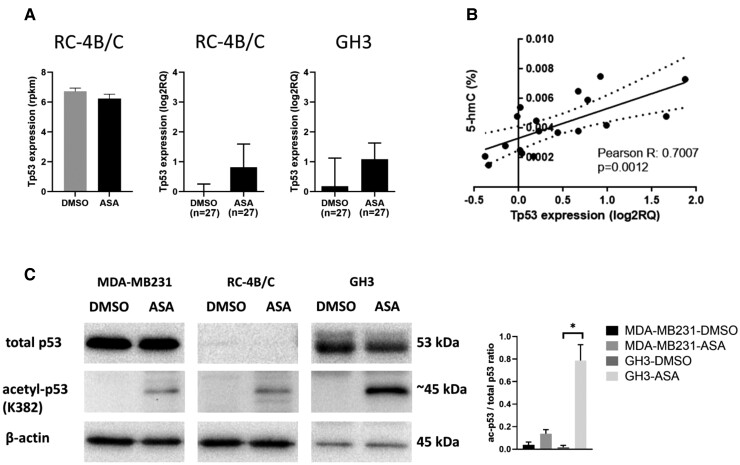
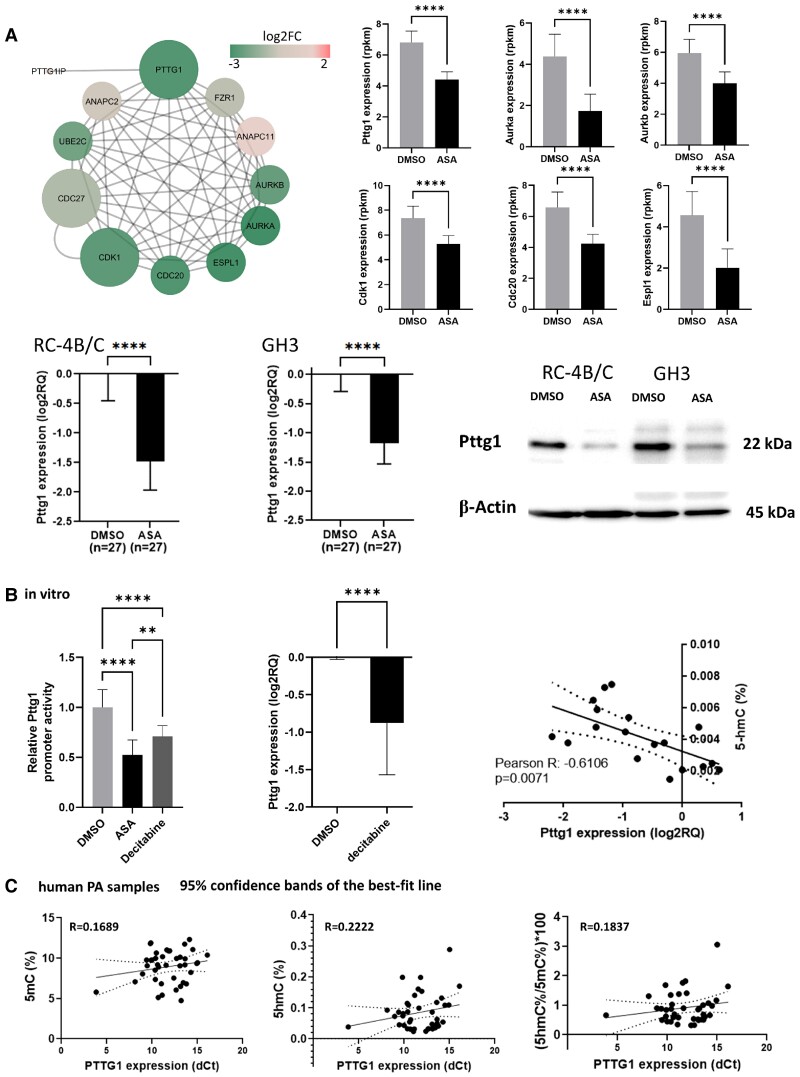
Aspirin induced global DNA demethylation and consequential transcriptome changes. Overexpression of Tet enzymes and their cofactor Uhrf2 were identified behind the increase of 5-hydroxymethylcytosine (5hmC). Besides cell cycle, proliferation, and migration effects that were validated by functional experiments, aspirin increased Tp53 activity through p53 acetylation and decreased E2f1 activity. Among the p53 controlled genes, Pttg1 and its interacting partners were downregulated upon aspirin treatment by inhibiting Pttg1 promoter activity. 5hmC positively correlated with Tet1-3 and Tp53 expression, and negatively correlated with Pttg1 expression, which was reinforced by the effect of decitabine. Additionally, high overlap (20.15%) was found between aspirin-regulated genes and dysregulated genes in PitNET tissue samples.
A novel regulatory network has been revealed, in which aspirin regulated global demethylation, Tp53 activity, and Pttg1 expression along with decreased cell proliferation and migration. 5hmC, a novel tissue biomarker in PitNET, indicated aspirin antitumoral effect in vitro as well. Our findings suggest the potential beneficial effect of aspirin in PitNET.
已证实 DNA 去甲基化和阿司匹林对垂体细胞增殖的抑制作用。
我们旨在阐明阿司匹林对垂体细胞作用的分子机制。
在 RC-4B/C 和 GH3 垂体细胞系中,研究阿司匹林处理后 DNA 甲基组和全转录组谱。进一步在体外测试阿司匹林和去甲基化剂地西他滨的作用。评估了 41 个人 PitNET 样本中的 PTTG1 表达以及 76 个 PitNET 和 34 个对照样本(可在基因表达综合数据库中获得)的全基因组基因和蛋白质表达数据。
阿司匹林诱导了全基因组 DNA 去甲基化和随后的转录组变化。鉴定出 Tet 酶及其共因子 Uhrf2 的过表达是 5-羟甲基胞嘧啶(5hmC)增加的原因。除了通过功能实验验证的细胞周期、增殖和迁移作用外,阿司匹林还通过 p53 乙酰化增加了 Tp53 活性,并降低了 E2f1 活性。在 p53 控制的基因中,Pttg1 及其相互作用伙伴在阿司匹林处理后通过抑制 Pttg1 启动子活性而下调。5hmC 与 Tet1-3 和 Tp53 表达呈正相关,与 Pttg1 表达呈负相关,地西他滨的作用加强了这一相关性。此外,在 PitNET 组织样本中,阿司匹林调节的基因与失调基因之间存在高度重叠(20.15%)。
揭示了一个新的调控网络,其中阿司匹林调节了全基因组去甲基化、Tp53 活性和 Pttg1 表达,同时降低了细胞增殖和迁移。5hmC 是 PitNET 的一种新的组织生物标志物,也表明了阿司匹林在体外的抗肿瘤作用。我们的发现提示了阿司匹林在 PitNET 中的潜在有益作用。