Zhong Yu, Huo Hong, Dai Shuqi, Li Su
Department of Pharmacy, Cancer Hospital of China Medical University, Liaoning Cancer Hospital & Institute, Shenyang, China.
Department of Pharmaceutics, School of Pharmacy, China Medical University, Shenyang, China.
Front Oncol. 2022 Aug 18;12:964779. doi: 10.3389/fonc.2022.964779. eCollection 2022.
Hepatocellular carcinoma is a pathological type of liver cancer and accounts for the majority of primary liver cancers. We conducted a meta-analysis to evaluate the efficacy and safety of immune checkpoint inhibitors in combination with antiangiogenic drugs in the treatment of hepatocellular carcinoma.
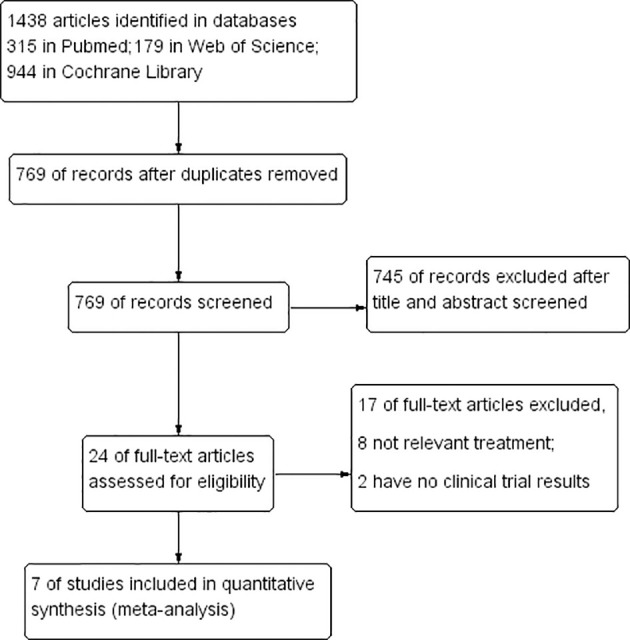
We searched scientific literature databases and clinical trials databases through May 2022 for required studies. Progression-free survival was taken as the main outcome, and overall survival, response rate and adverse events as secondary outcomes. These data were extracted, combined and used for meta-analysis to compare the treatment effect and safety of immune checkpoint inhibitors combined with antiangiogenic drugs in patients with advanced/unresectable/metastatic hepatocellular carcinoma.
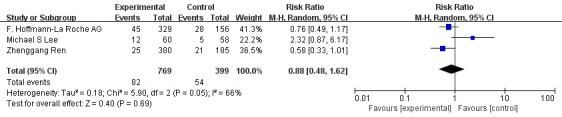
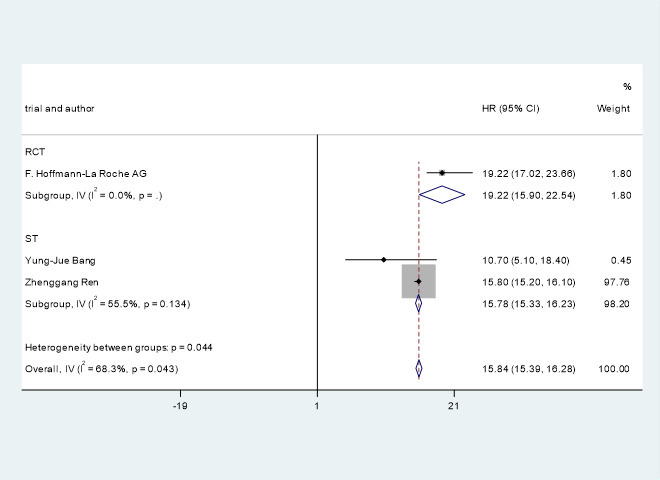
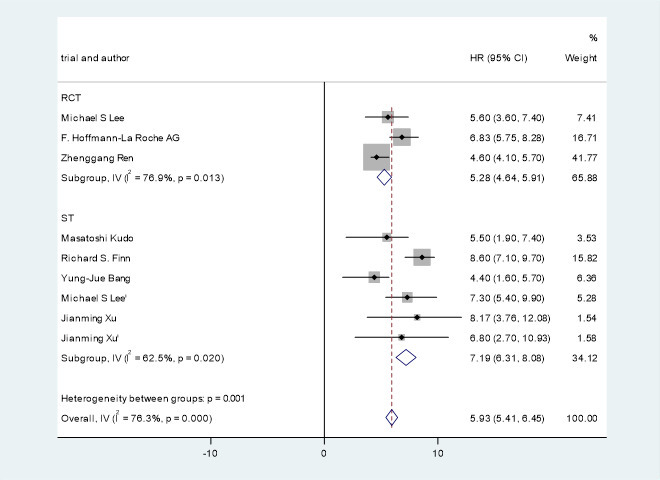
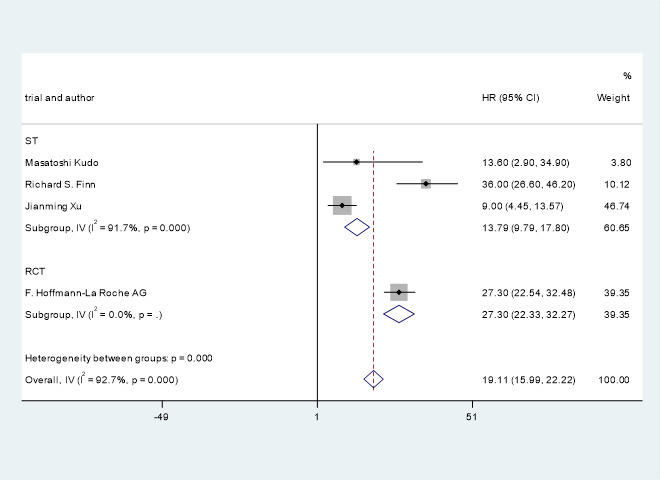
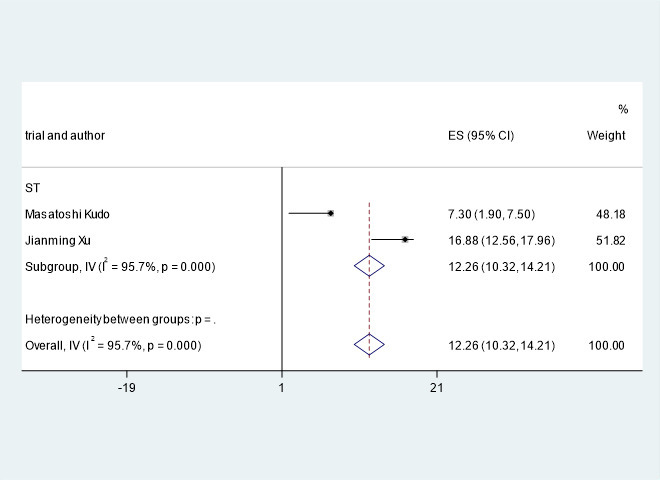
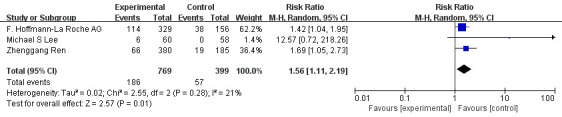
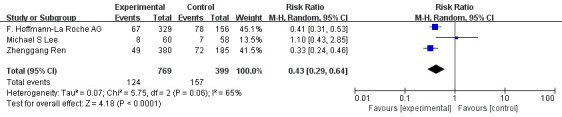
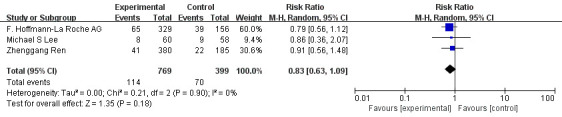
This study included 3 randomized controlled trials and 6 single-arm trials of immune checkpoint inhibitors in combination with antiangiogenic drugs in hepatocellular carcinoma. Meta-analysis showed that compared with single use, combination of the two can significantly improve PFS (HR=5.93, 95% CI=5.41, 6.45) and OS (HR=15.84, 95% CI=15.39, 16.28). The ORR and DOR of patients with combination therapy were HR=19.11, 95% CI=15.99, 22.22 and HR=12.26, 95% CI=10.32, 14.21, respectively. Common adverse reactions to combination therapy included hypertension (26.8%), diarrhea (23.6%), fatigue (23.8%), decreased appetite (22.8%), hypothyroidism (9.9%), and rash (14.5%).
In the treatment of advanced/unresectable/metastatic hepatocellular carcinoma, immune checkpoint inhibitors combined with antiangiogenic drugs achieved better survival benefits than alone. In addition, the combination therapy has tolerable safety.
肝细胞癌是肝癌的一种病理类型,占原发性肝癌的大多数。我们进行了一项荟萃分析,以评估免疫检查点抑制剂联合抗血管生成药物治疗肝细胞癌的疗效和安全性。
我们检索了截至2022年5月的科学文献数据库和临床试验数据库,以获取所需研究。无进展生存期作为主要结局,总生存期、缓解率和不良事件作为次要结局。提取这些数据并进行合并,用于荟萃分析,以比较免疫检查点抑制剂联合抗血管生成药物在晚期/不可切除/转移性肝细胞癌患者中的治疗效果和安全性。
本研究纳入了3项免疫检查点抑制剂联合抗血管生成药物治疗肝细胞癌的随机对照试验和6项单臂试验。荟萃分析表明,与单用相比,两者联合可显著改善无进展生存期(HR=5.93,95%CI=5.41,6.45)和总生存期(HR=15.84,95%CI=15.39,16.28)。联合治疗患者的客观缓解率和缓解持续时间的HR分别为19.11(95%CI=15.99,22.22)和12.26(95%CI=10.32,14.21)。联合治疗的常见不良反应包括高血压(26.8%)、腹泻(23.6%)、疲劳(23.8%)、食欲减退(22.8%)、甲状腺功能减退(9.9%)和皮疹(14.5%)。
在晚期/不可切除/转移性肝细胞癌的治疗中,免疫检查点抑制剂联合抗血管生成药物比单独使用具有更好的生存获益。此外,联合治疗具有可耐受的安全性。