Brigham and Women's Hospital and Harvard Medical School Division of Preventive Medicine, Osher Center for Integrative Medicine, 900 Commonwealth Avenue, 3rd Floor, Boston, MA, 02215, USA.
Osher Clinical Center for Integrative Medicine, Brigham and Women's Healthcare Center, 850 Boylston Street, Suite 422, Chestnut Hill, MA, 02445, USA.
BMC Musculoskelet Disord. 2022 Sep 5;23(1):844. doi: 10.1186/s12891-022-05783-y.
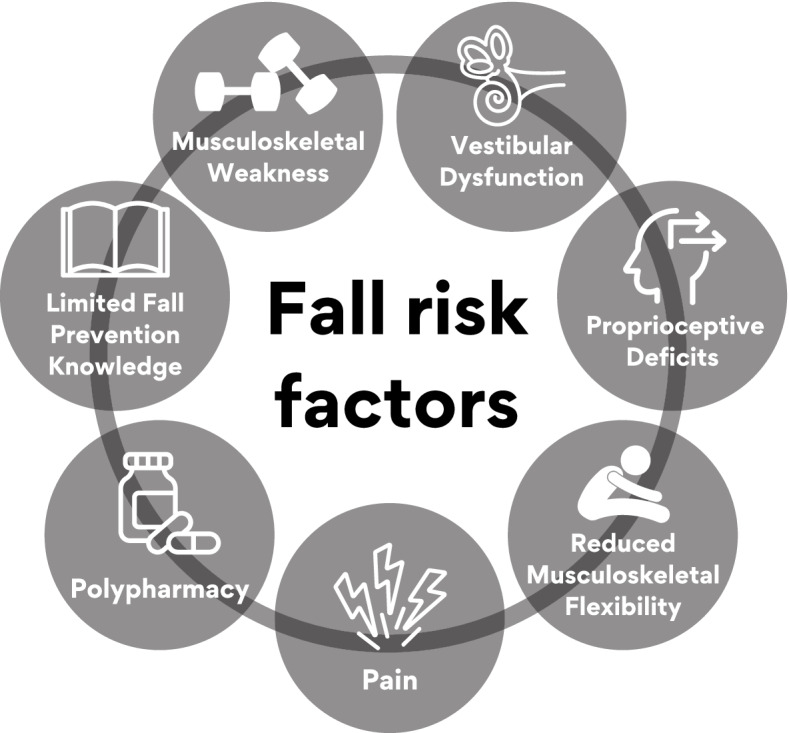
Falls in older adults are a significant and growing public health concern. There are multiple risk factors associated with falls that may be addressed within the scope of chiropractic training and licensure. Few attempts have been made to summarize existing evidence on multimodal chiropractic care and fall risk mitigation. Therefore, the broad purpose of this review was to summarize this research to date. BODY: Systematic review was conducted following PRISMA guidelines. Databases searched included PubMed, Embase, Cochrane Library, PEDro, and Index of Chiropractic Literature. Eligible study designs included randomized controlled trials (RCT), prospective non-randomized controlled, observational, and cross-over studies in which multimodal chiropractic care was the primary intervention and changes in gait, balance and/or falls were outcomes. Risk of bias was also assessed using the 8-item Cochrane Collaboration Tool. The original search yielded 889 articles; 21 met final eligibility including 10 RCTs. One study directly measured the frequency of falls (underpowered secondary outcome) while most studies assessed short-term measurements of gait and balance. The overall methodological quality of identified studies and findings were mixed, limiting interpretation regarding the potential impact of chiropractic care on fall risk to qualitative synthesis.
Little high-quality research has been published to inform how multimodal chiropractic care can best address and positively influence fall prevention. We propose strategies for building an evidence base to inform the role of multimodal chiropractic care in fall prevention and outline recommendations for future research to fill current evidence gaps.
老年人跌倒已成为一个日益严重的公共卫生问题。有许多与跌倒相关的风险因素,可以在脊骨神经医学的培训和许可范围内进行处理。虽然已经有一些尝试来总结多模式脊骨神经医学治疗和降低跌倒风险的现有证据,但都不全面。因此,本次综述的主要目的是对迄今为止的研究进行总结。
按照 PRISMA 指南进行系统综述。检索的数据库包括 PubMed、Embase、Cochrane Library、PEDro 和 Chiropractic Literature 索引。合格的研究设计包括随机对照试验 (RCT)、前瞻性非随机对照、观察性和交叉研究,其中多模式脊骨神经医学治疗是主要干预措施,步态、平衡和/或跌倒变化是结果。还使用 8 项 Cochrane 协作工具评估偏倚风险。最初的搜索产生了 889 篇文章;最终符合条件的有 21 篇,包括 10 项 RCT。有一项研究直接测量了跌倒的频率(次要结局数据不足),而大多数研究评估了步态和平衡的短期测量。确定研究的整体方法学质量和结果参差不齐,限制了对脊骨神经医学治疗对跌倒风险的潜在影响的解释,只能进行定性综合。
很少有高质量的研究发表,无法告知多模式脊骨神经医学治疗如何最好地解决和积极影响跌倒预防。我们提出了建立循证基础的策略,以告知多模式脊骨神经医学治疗在跌倒预防中的作用,并概述了未来研究的建议,以填补当前证据空白。