McCartan Adam, Mackay Julia, Curran David, Mrsny Randall J
Department of Pharmacy & Pharmacology, University of Bath, Bath BA2 7AY, Avon, UK.
CMC Analytical, GlaxoSmithKline, Collegeville, PA 19426, USA.
Int J Pharm X. 2022 Aug 13;4:100125. doi: 10.1016/j.ijpx.2022.100125. eCollection 2022 Dec.
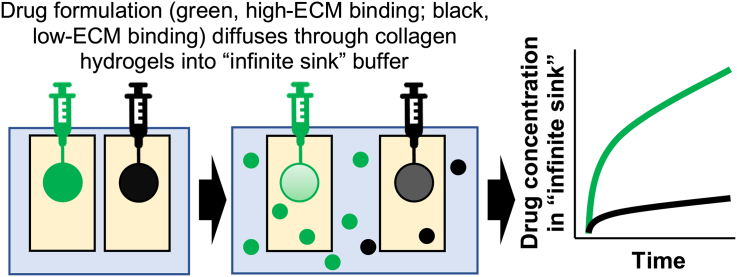
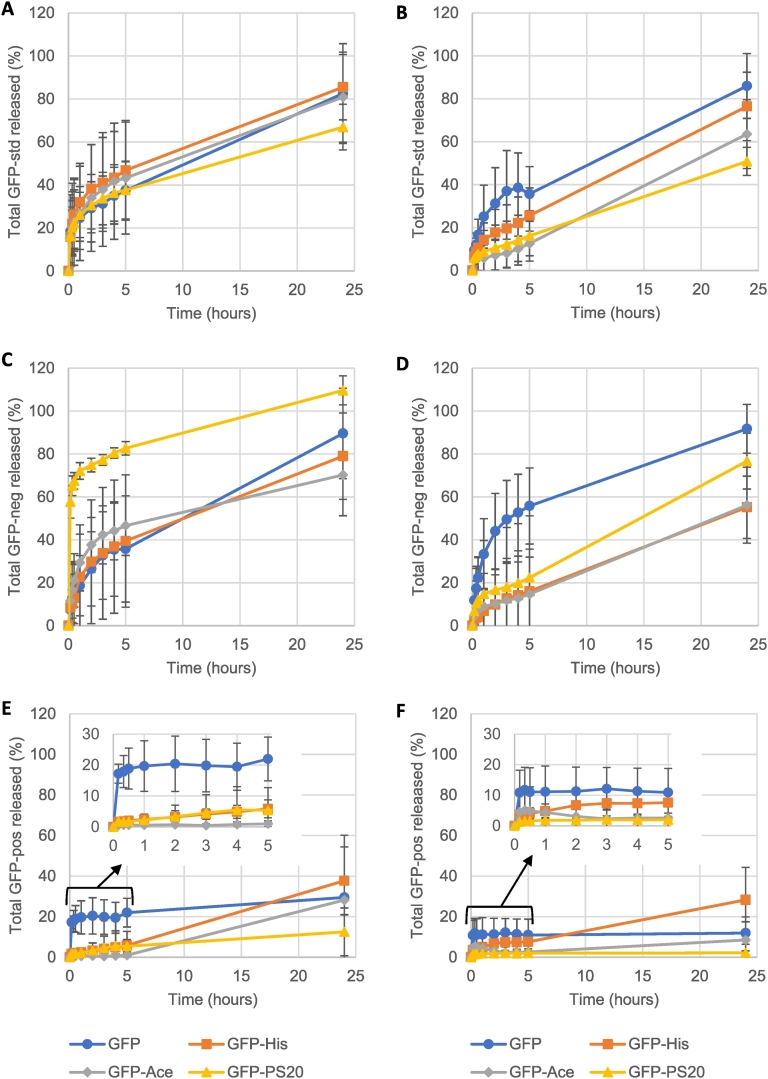
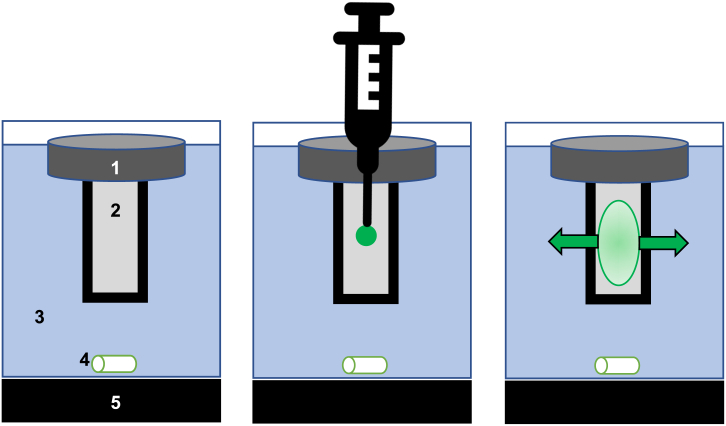
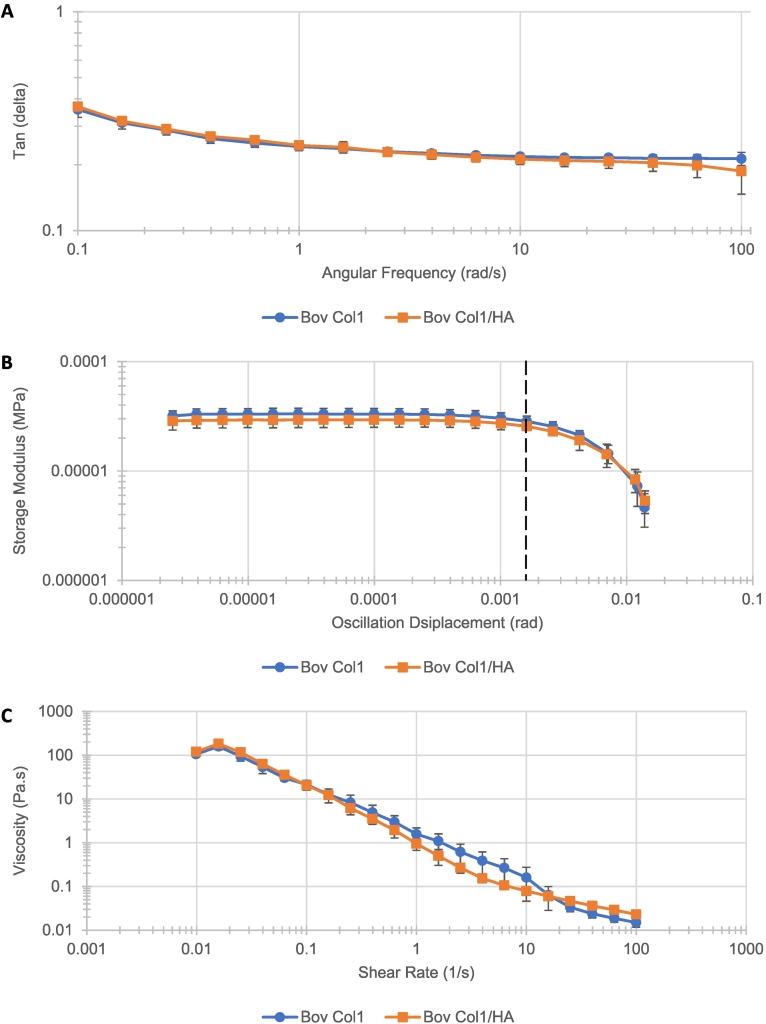
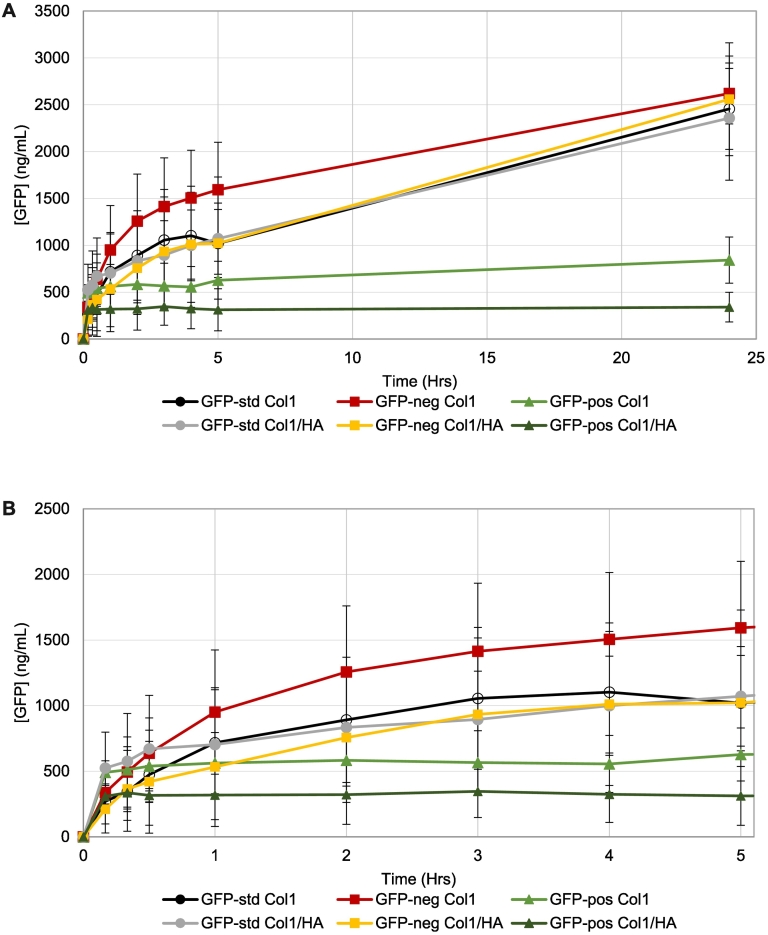
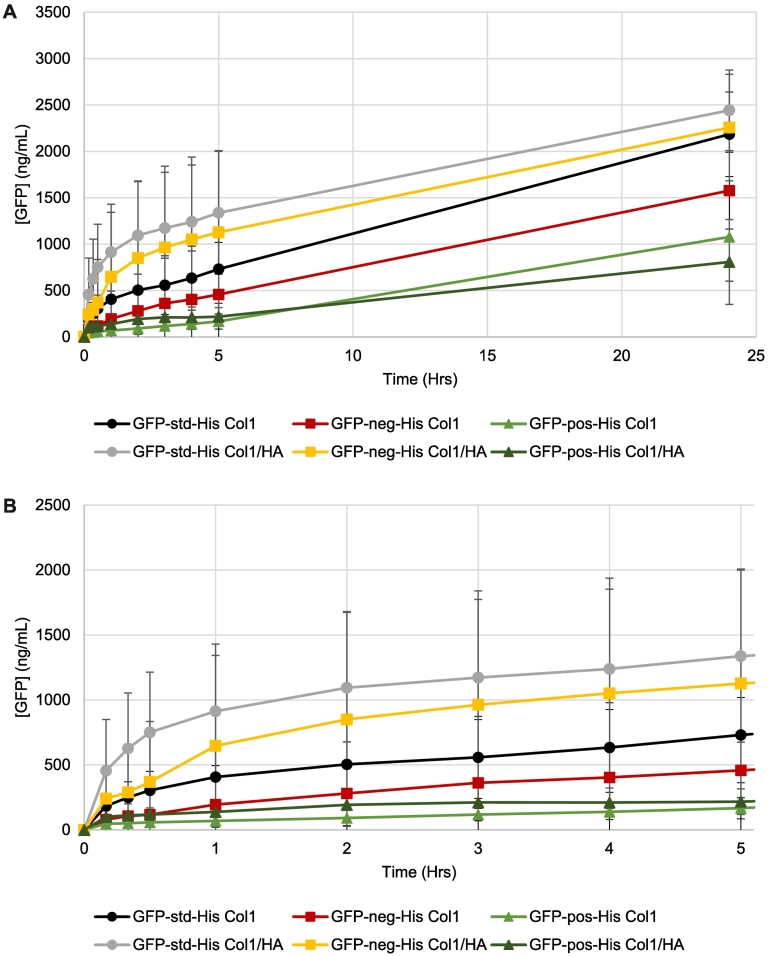
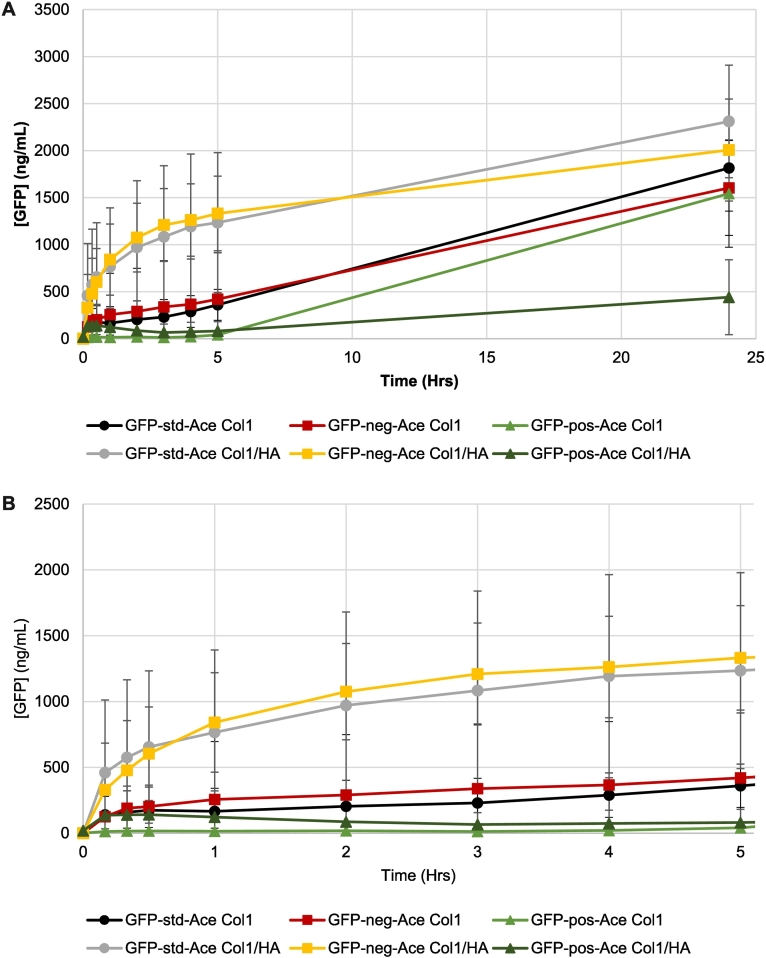
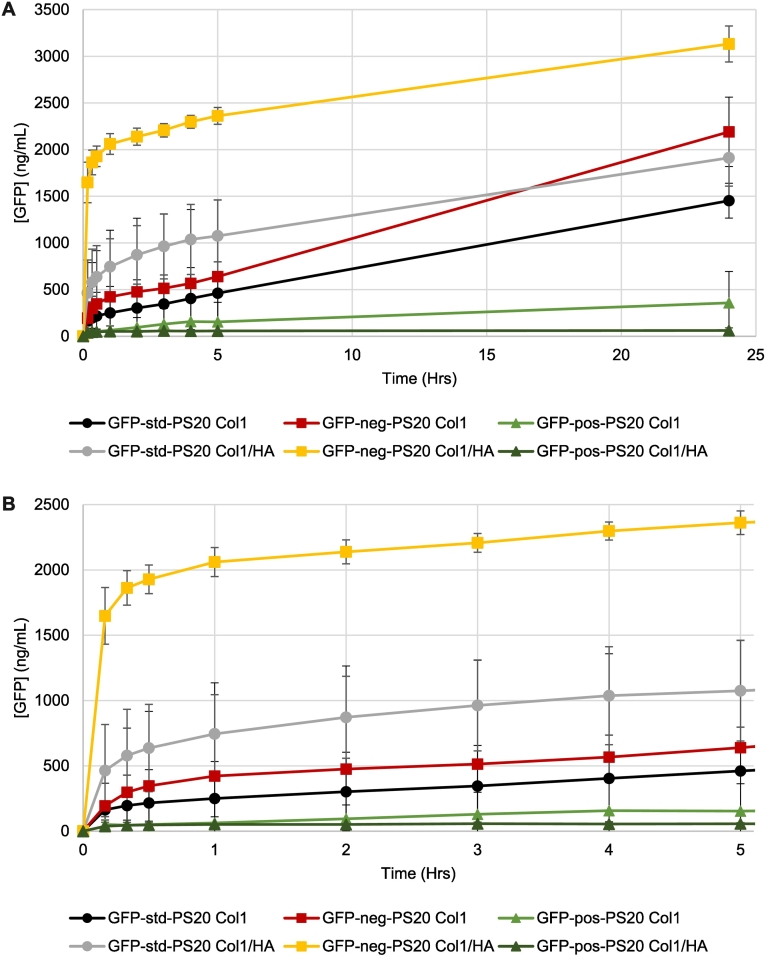
Parenteral administrations are a mainstay of clinical drug delivery. Intramuscular (IM) injections deposit drug directly into skeletal muscle bellies, providing rapid systemic uptake due to the highly vascularized nature of this site. The potential to inject particulate or non-aqueous materials have also made IM injections useful for long-acting formulations. These attributes have supported a plethora of medicines being approved for IM administration. Despite these many approvals across multiple pharmaceutical categories, mechanisms that control drug release from the injection site, and thus its pharmacokinetic properties, remain poorly understood. Several pre-clinical animals have been used to model IM drug fate in patients, but these approaches have not consistently predicted clinical outcomes. This lack of a predictive model and no standardized tools have limited the options of pharmaceutical scientists to rationally design formulations for IM delivery. Here, we describe a novel, tractable model informed by dominant extracellular matrix (ECM) components present at the IM injection site. Three charge variants of green florescent protein (GFP) and the impact of three common formulation components were examined in an initial test of this model. A strongly positively charged GFP was restricted in its release from hydrogels composed of ECM components type I collagen and hyaluronic acid compared to standard and strongly negatively charged GFP. Introduction of commonly used buffers (histidine or acetate) or the non-ionic surfactant polysorbate 20 altered the release properties of these GFP variants in a manner that was dependent upon ECM element composition. In sum, this imulator of ntrauscular njections, termed SIMI, demonstrated distinct release profiles of a protein biopharmaceutical surrogate that could be exploited to interrogate the impact of formulation components to expedite novel drug development and reduce current dependence on potentially non-predictive pre-clinical models.
胃肠外给药是临床药物递送的主要方式。肌肉注射(IM)将药物直接注入骨骼肌肌腹,由于该部位血管高度丰富,药物能迅速被全身吸收。注射颗粒状或非水性材料的可能性也使肌肉注射适用于长效制剂。这些特性使得大量药物被批准用于肌肉注射。尽管在多个药物类别中有许多此类批准,但控制药物从注射部位释放及其药代动力学特性的机制仍知之甚少。几种临床前动物已被用于模拟患者体内肌肉注射药物的转归,但这些方法并未始终如一地预测临床结果。缺乏预测模型和标准化工具限制了药物科学家合理设计肌肉注射制剂的选择。在此,我们描述了一种基于肌肉注射部位存在的主要细胞外基质(ECM)成分构建的新型、易处理的模型。在该模型的初步测试中,研究了绿色荧光蛋白(GFP)的三种电荷变体以及三种常见制剂成分的影响。与标准的和带强负电荷的GFP相比,带强正电荷的GFP从由I型胶原蛋白和透明质酸等ECM成分组成的水凝胶中的释放受到限制。引入常用缓冲液(组氨酸或乙酸盐)或非离子表面活性剂聚山梨酯20会以依赖于ECM成分组成的方式改变这些GFP变体的释放特性。总之,这种称为SIMI的肌肉注射模拟器展示了一种蛋白质生物制药替代物的独特释放曲线,可用于探究制剂成分的影响,以加速新型药物开发并减少目前对潜在不可预测的临床前模型的依赖。