State Key Laboratory of Pharmaceutical Biotechnology, Division of Sports Medicine and Adult Reconstructive Surgery, Department of Orthopedic Surgery, Nanjing Drum Tower Hospital, The Affiliated Hospital of Nanjing University Medical School, Nanjing 210008, Jiangsu, PR China.
Branch of National Clinical Research Center for Orthopedics, Sports Medicine and Rehabilitation, 210008, PR China.
Proc Natl Acad Sci U S A. 2022 Sep 13;119(37):e2203557119. doi: 10.1073/pnas.2203557119. Epub 2022 Sep 6.
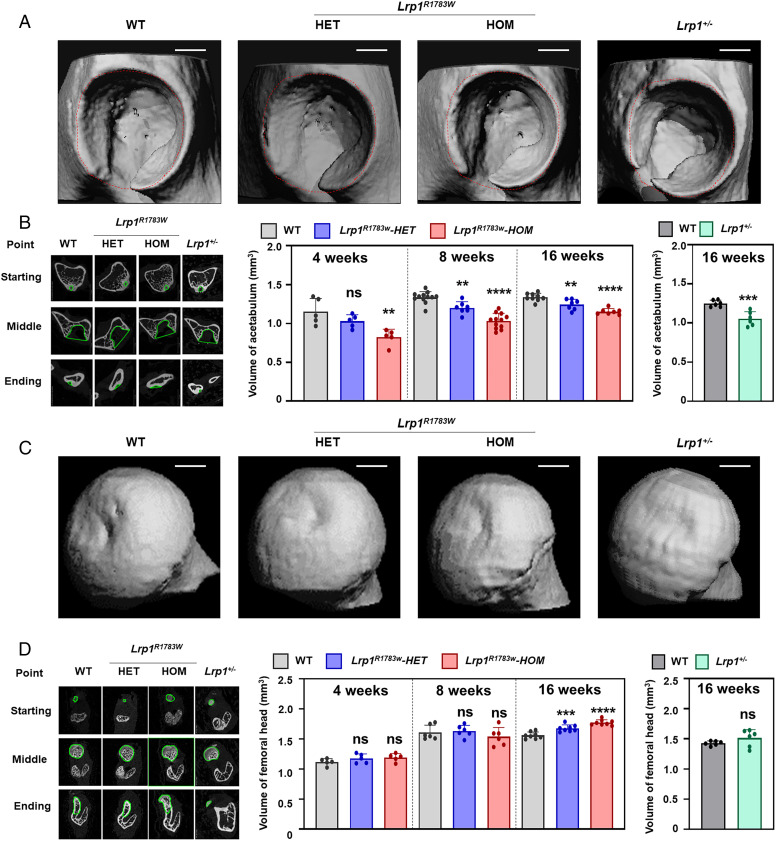
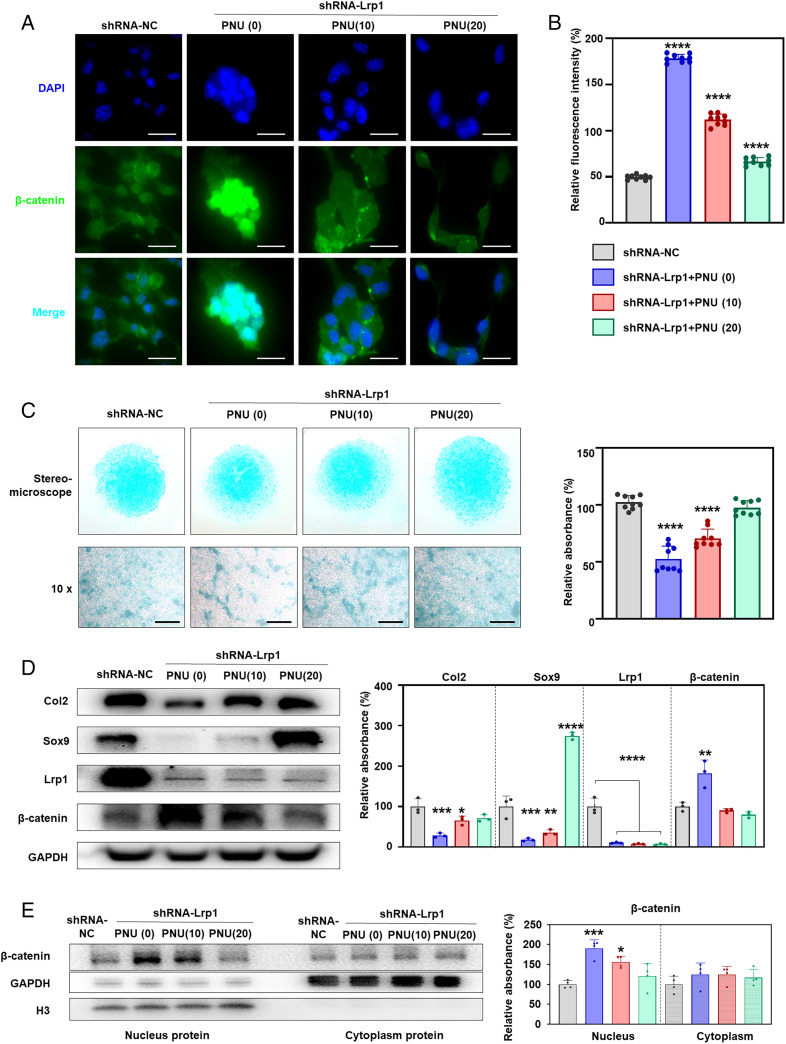
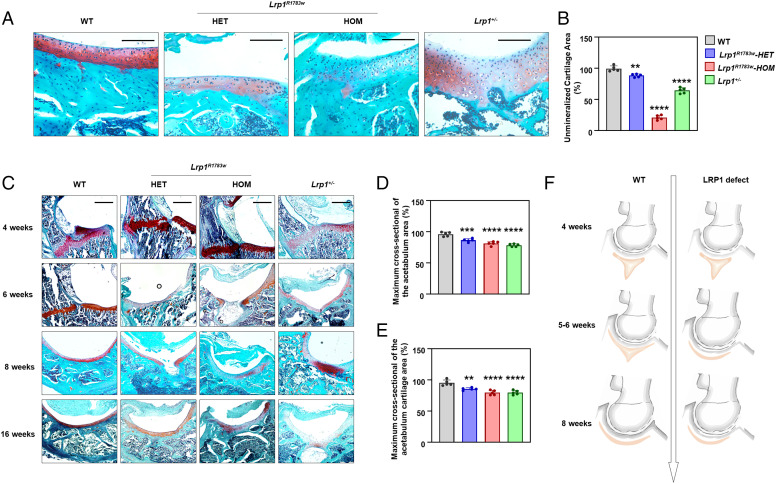
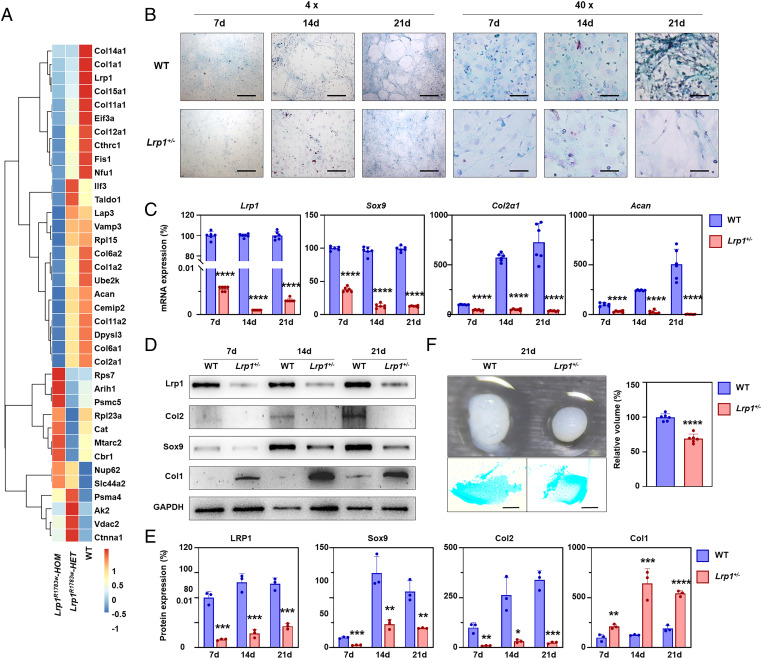
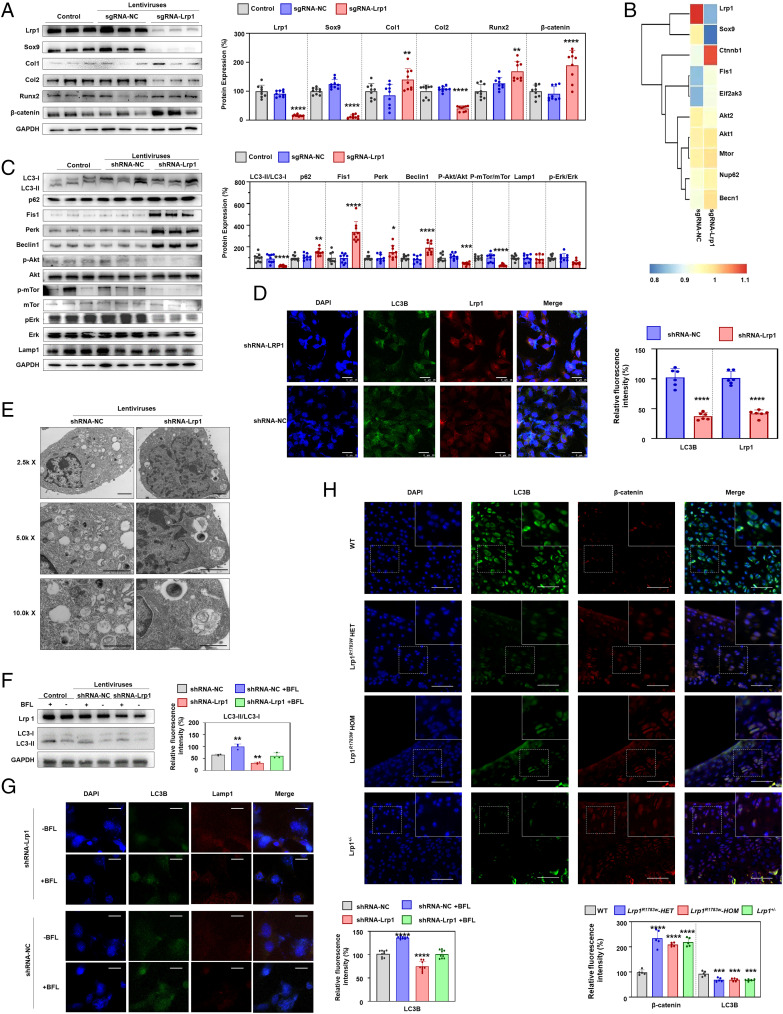
Developmental dysplasia of the hip (DDH) is one of the most common congenital skeletal malformations; however, its etiology remains unclear. Here, we conducted whole-exome sequencing in eight DDH families followed by targeted sequencing of 68 sporadic DDH patients. We identified likely pathogenic variants in the (low-density lipoprotein receptor-related protein 1) gene in two families and seven unrelated patients. All patients harboring the variants presented a typical DDH phenotype. The heterozygous knockout (KO) mouse () showed phenotypes recapitulating the human DDH phenotypes, indicating loss of function causes DDH. knockin mice with a missense variant corresponding to a human variant identified in DDH () also presented DDH phenotypes, which were milder in heterozygotes and severer in homozygotes than those of the KO mouse. The timing of triradiate cartilage development was brought forward 1 or 2 wk earlier in the LRP-deficient mice, which leads to malformation of the acetabulum and femoral head. Furthermore, deficiency caused a significant decrease of chondrogenic ability in vitro. During the chondrogenic induction of mice bone marrow stem cells and ATDC5 (an inducible chondrogenic cell line), Lrp1 deficiency caused decreased autophagy levels with significant β-catenin up-regulation and suppression of chondrocyte marker genes. The expression of chondrocyte markers was rescued by PNU-74654 (a β-catenin antagonist) in an shRNA-Lrp1-expressed ATDC5 cell. Our study reveals a critical role of LRP1 in the etiology and pathogenesis of DDH, opening an avenue for its treatment.
发育性髋关节发育不良(DDH)是最常见的先天性骨骼畸形之一,但病因仍不清楚。在这里,我们对 8 个 DDH 家系进行了全外显子组测序,然后对 68 例散发性 DDH 患者进行了靶向测序。我们在两个家系和七个无关患者中发现了 (低密度脂蛋白受体相关蛋白 1)基因中的可能致病变异。所有携带 变异体的患者均表现出典型的 DDH 表型。杂合子 敲除(KO)小鼠()表现出与人类 DDH 表型相吻合的表型,表明 功能丧失导致 DDH。具有对应于 DDH 中鉴定出的人类变异的错义变异的 敲入小鼠()也表现出 DDH 表型,杂合子的表型比 KO 小鼠的表型更轻,而纯合子的表型则更严重。在 LRP 缺陷小鼠中,三叶状软骨发育的时间提前了 1 或 2 周,导致髋臼和股骨头畸形。此外, 缺乏导致体外软骨形成能力显著下降。在小鼠骨髓干细胞和 ATDC5(可诱导的软骨细胞系)的软骨形成诱导过程中,Lrp1 缺乏导致自噬水平显著降低,β-连环蛋白上调,并抑制软骨细胞标志物基因的表达。在表达 shRNA-Lrp1 的 ATDC5 细胞中,PNU-74654(β-连环蛋白拮抗剂)可挽救软骨细胞标志物的表达。我们的研究揭示了 LRP1 在 DDH 的病因和发病机制中的关键作用,为其治疗开辟了新途径。