Hashem Majdi, AlMohaini Reem Abdulrahman, AlMedemgh Norah Ibrahim, AlHarbi Sara Abdulmajed, Alsaleem Lena Saleh
College of Medicine, Al-Imam Mohammad Ibn Saud Islamic University, Riyadh, Saudi Arabia.
Adv Orthop. 2022 Aug 29;2022:7122643. doi: 10.1155/2022/7122643. eCollection 2022.
Sciatica is a relatively common condition, with a lifetime incidence varying from 13% to 40%. The corresponding annual incidence of an episode of sciatica ranges from 1% to 5%. The exact cause of sciatica is unknown to this day; treatment methods and practices differ between individuals based on their cultural background, socioeconomic status, and religious beliefs. This study aimed to assess the knowledge and attitude toward sciatica pain among adults in Saudi Arabia.
A cross-sectional study was conducted among the adult population in Saudi Arabia. A self-administered questionnaire was distributed among the study population using an online survey. Questions were divided into four groups, each containing multiple questions covering the following aspects: demographic data, past medical history, and the assessment of knowledge and attitudes regarding sciatica.
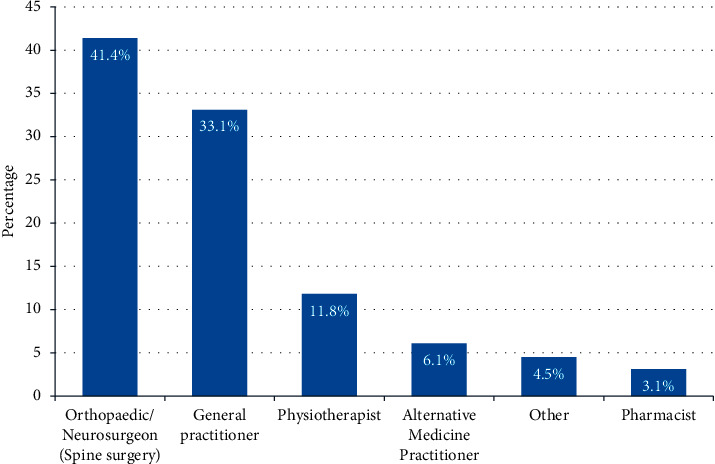
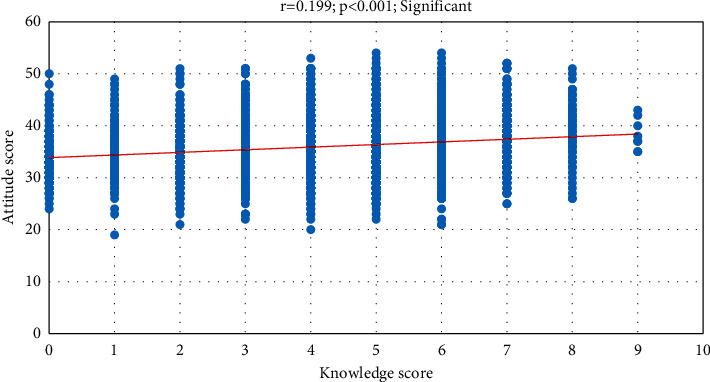
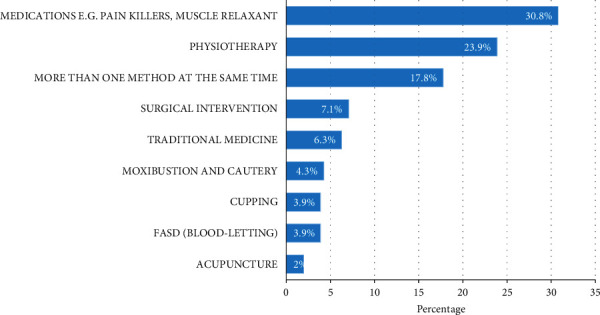
A total of 3,764 respondents were involved in this study, with an age range of 18-65 years old (females 59.8%). The mean knowledge score was 3.8 (SD 2.1), with the majority having poor knowledge (60.1%). The most common source of sciatica information was an orthopedic or a neurosurgeon, while the most common self-treatment used was painkiller medications (30.8%). The mean attitude score was 35.8 (SD 5.3), with most respondents having a neutral attitude (80.3%). The factors correlated with an increase in knowledge and attitude were having a bachelor's or higher degree and living in an urban area.
While the attitude of the adult population toward sciatica pain seems adequate, their knowledge was shown to be deficient. Furthermore, when comparing diagnosed individuals living in cities with those in rural areas, both knowledge and attitudes were shown to be better in individuals living in cities. Awareness programs by health institutions and healthcare professionals are needed to enhance patients knowledge. Various media can be utilized to enhance patients knowledge including social media platforms.
坐骨神经痛是一种相对常见的病症,终生发病率在13%至40%之间。坐骨神经痛发作的相应年发病率在1%至5%之间。时至今日,坐骨神经痛的确切病因仍不明确;基于文化背景、社会经济地位和宗教信仰,不同个体的治疗方法和实践也有所不同。本研究旨在评估沙特阿拉伯成年人对坐骨神经痛疼痛的认知和态度。
在沙特阿拉伯的成年人群中开展了一项横断面研究。通过在线调查向研究人群发放了一份自填式问卷。问题分为四组,每组包含多个问题,涵盖以下方面:人口统计学数据、既往病史以及对坐骨神经痛的知识和态度评估。
共有3764名受访者参与了本研究,年龄范围为18至65岁(女性占59.8%)。平均知识得分是3.8(标准差2.1),大多数人知识水平较差(60.1%)。坐骨神经痛信息最常见的来源是骨科医生或神经外科医生,而最常用的自我治疗方法是止痛药(30.8%)。平均态度得分是35.8(标准差5.3),大多数受访者态度中立(80.3%)。与知识和态度提升相关的因素是拥有学士或更高学位以及居住在城市地区。
虽然成年人群对坐骨神经痛疼痛的态度似乎尚可,但他们的知识却存在不足。此外,将城市中的确诊个体与农村地区的个体进行比较时,城市居民的知识和态度都更好。卫生机构和医疗保健专业人员需要开展提高认识的项目,以增强患者的知识。可以利用各种媒体,包括社交媒体平台,来增强患者的知识。