Khanum Sofia, Roberts Joanna M, Heathcott Rosemary W, Bagley Stefanie, Wilson Tania, Gupta Sandeep K, Kirk Michelle R, Heiser Axel, Janssen Peter H, Wedlock D Neil
AgResearch Ltd., Palmerston North, New Zealand.
Flowjoanna, Palmerston North, New Zealand.
Front Microbiol. 2022 Aug 22;13:918111. doi: 10.3389/fmicb.2022.918111. eCollection 2022.
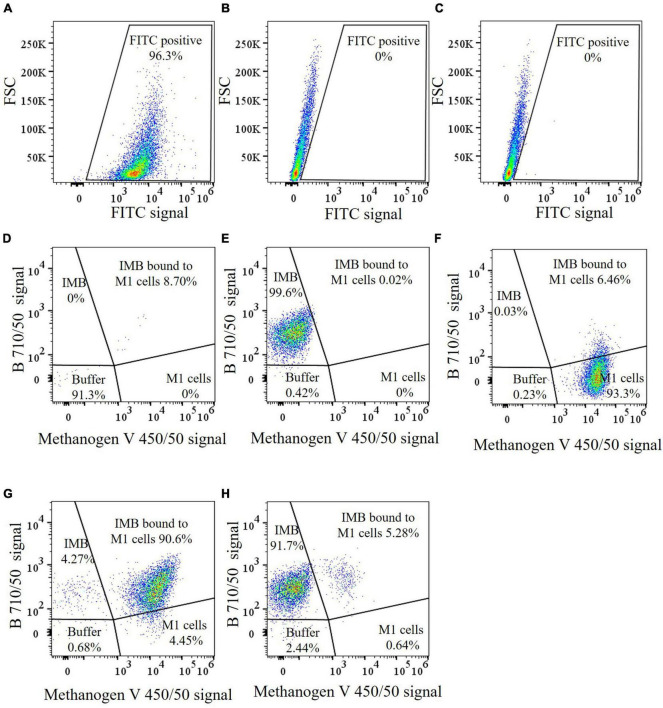
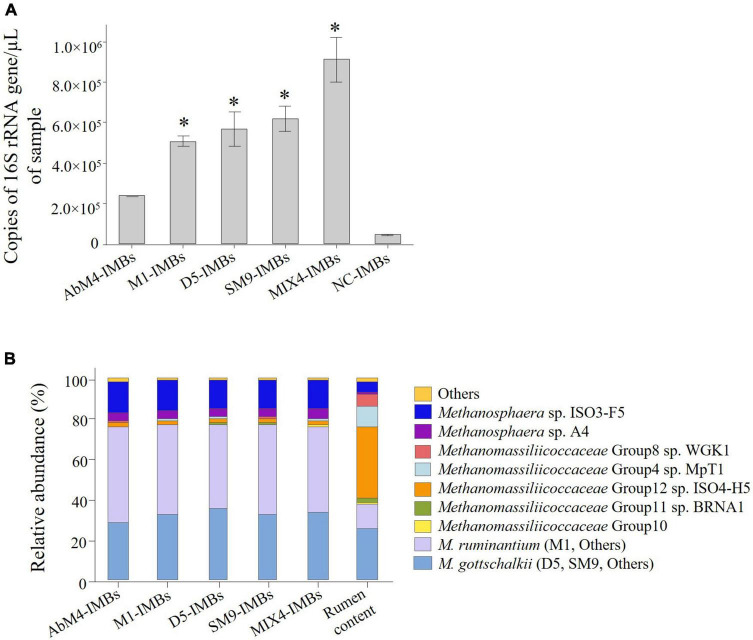
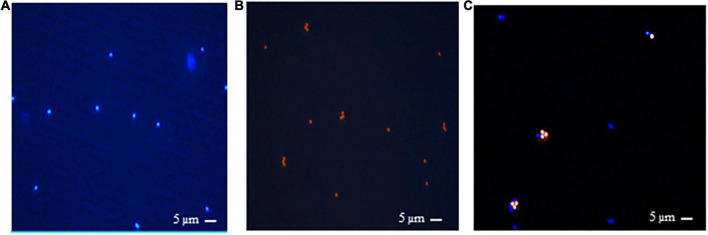
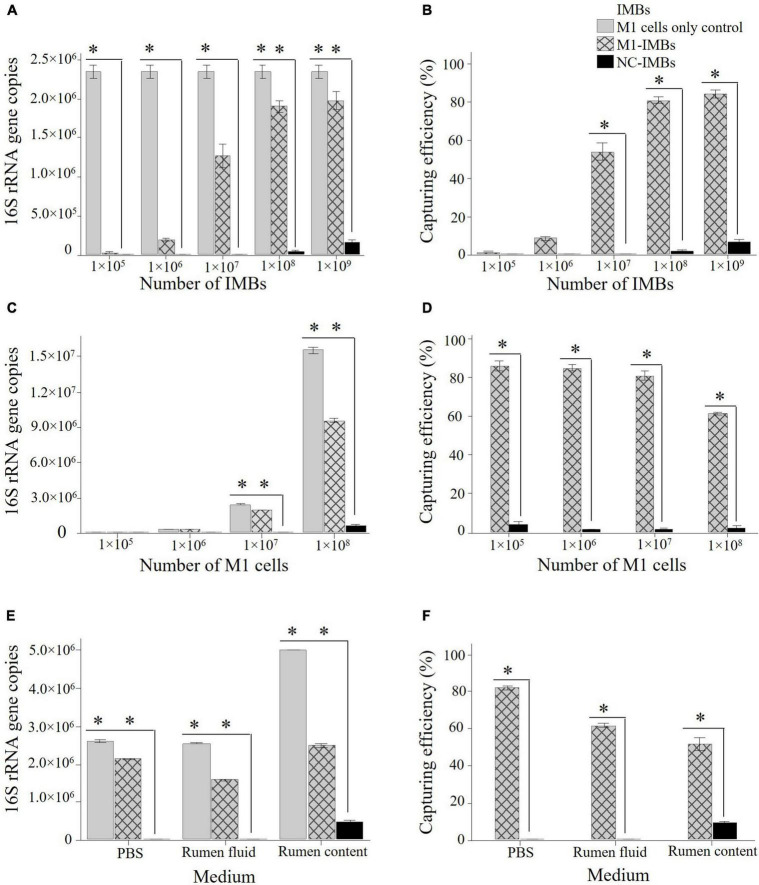
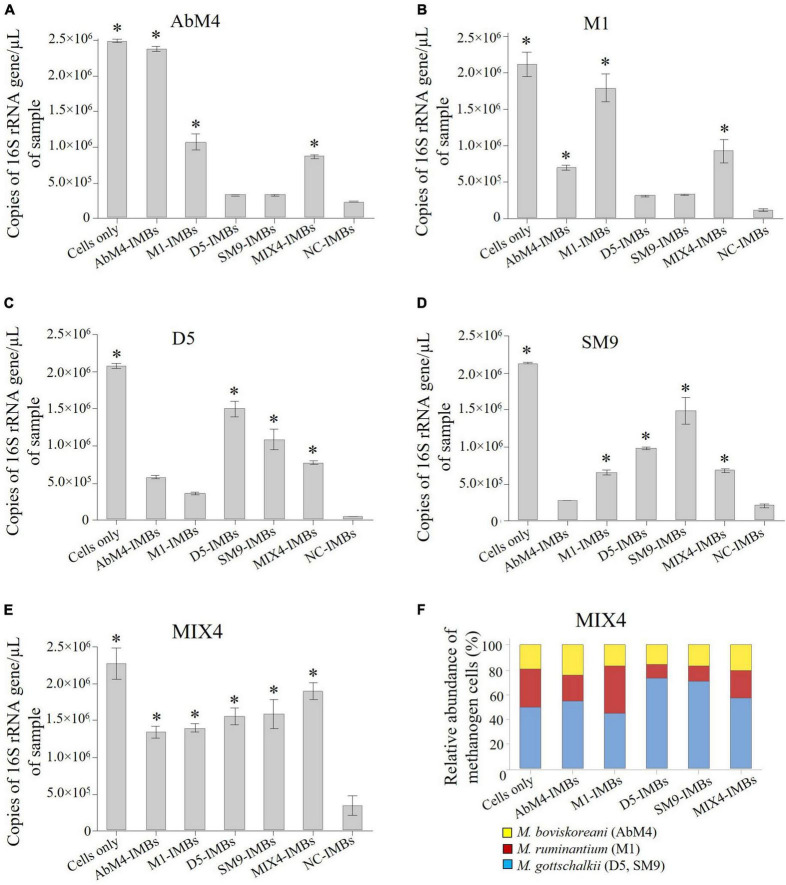
Methane is produced in the rumen of ruminant livestock by methanogens, accounting for approximately 14.5% of anthropogenic greenhouse gas emissions in terms of global warming potential. The rumen contains a diversity of methanogens species, and only a few of these have been cultured. Immunomagnetic capture technology (ICT) is a simple and effective method to capture and concentrate target organisms in samples containing complex microflora. We hypothesized that antibody-coated magnetic beads could be used to demonstrate antibody specificity and cross-reactivity to methanogens in rumen samples. Sheep polyclonal antibodies raised against four isolates of rumen dwelling methanogens, strain M1, sp. AbM4, sp. D5, and sp. SM9 or an equal mix of all four isolates, were used to coat paramagnetic beads. ICT was used together with flow cytometry and qPCR to optimize key parameters: the ratio of antibody to beads, coupling time between antibody and paramagnetic beads to produce immunomagnetic beads (IMBs), and optimal incubation time for the capture of methanogen cells by IMBs. Under optimized conditions, IMBs bound strongly to their respective isolates and showed a degree of cross-reactivity with isolates of other spp. in buffer and in rumen fluid, and with resident methanogens in rumen content samples. The evidence provided here indicates that this method can be used to study the interaction of antibodies with antigens of rumen methanogens, to understand antigen cross-reactivity and antibody binding efficiency for the evaluation of antigens used for the development of a broad-spectrum anti-methanogen vaccine for the abatement of methane production.
反刍动物瘤胃中的产甲烷菌可产生甲烷,就全球变暖潜能而言,甲烷约占人为温室气体排放的14.5%。瘤胃中存在多种产甲烷菌,其中只有少数已被培养。免疫磁捕获技术(ICT)是一种在含有复杂微生物群落的样本中捕获和浓缩目标生物的简单有效方法。我们假设包被抗体的磁珠可用于证明抗体对瘤胃样本中产甲烷菌的特异性和交叉反应性。用针对四种瘤胃产甲烷菌分离株(菌株M1、AbM4菌、D5菌和SM9菌)或这四种分离株的等量混合物制备的绵羊多克隆抗体包被顺磁性磁珠。将ICT与流式细胞术和定量PCR结合使用,以优化关键参数:抗体与磁珠的比例、抗体与顺磁性磁珠的偶联时间以制备免疫磁珠(IMB),以及IMB捕获产甲烷菌细胞的最佳孵育时间。在优化条件下,IMB与各自的分离株紧密结合,并在缓冲液和瘤胃液中与其他菌属的分离株以及瘤胃内容物样本中的常驻产甲烷菌表现出一定程度的交叉反应性。此处提供的证据表明,该方法可用于研究抗体与瘤胃产甲烷菌抗原的相互作用,了解抗原交叉反应性和抗体结合效率,以评估用于开发减少甲烷产生的广谱抗产甲烷菌疫苗的抗原。