Lemos Tucker, Merchant Akil
Samuel Oschin Comprehensive Cancer Institute, Cedars-Sinai Medical Center, Los Angeles, CA, United States.
Front Oncol. 2022 Aug 25;12:960943. doi: 10.3389/fonc.2022.960943. eCollection 2022.
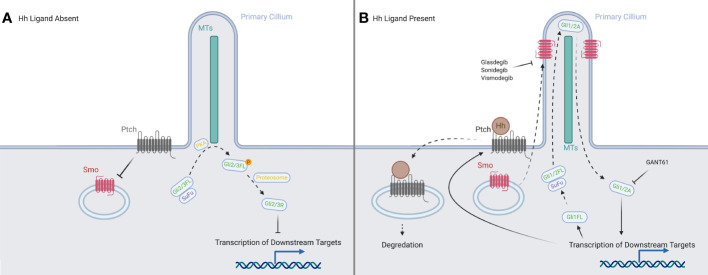
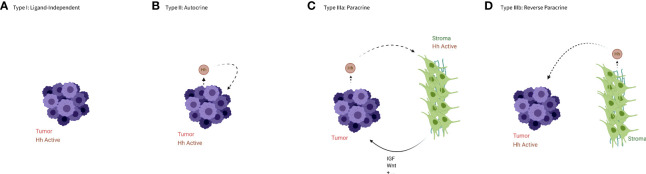
The Hedgehog (HH) pathway is a promising therapeutic target in hematological malignancies. Activation of the pathway has been tied to greater chances of relapse and poorer outcomes in several hematological malignancies and inhibiting the pathway has improved outcomes in several clinical trials. One inhibitor targeting the pathway the protein Smoothened (SMO), glasdegib, has been approved by the FDA for use with a low dose cytarabine regiment in some high-risk acute myeloid leukemia patients (AML). If further clinical trials in glasdegib produce positive results, there may soon be more general use of HH inhibitors in the treatment of hematological malignancies.While there is clinical evidence that HH inhibitors may improve outcomes and help prevent relapse, a full understanding of any mechanism of action remains elusive. The bulk of AML cells exhibit primary resistance to SMO inhibition (SMOi), leading some to hypothesize that that clinical activity of SMOi is mediated through modulation of self-renewal and chemoresistance in rare cancer stem cells (CSC). Direct evidence that CSC are being targeted in patients by SMOi has proven difficult to produce, and here we present data to support the alternative hypothesis that suggests the clinical benefit observed with SMOi is being mediated through stromal cells in the tumor microenvironment.This paper's aims are to review the history of the HH pathway in hematopoiesis and hematological malignancy, to highlight the pre-clinical and clinical evidence for its use a therapeutic target, and to explore the evidence for stromal activation of the pathway acting to protect CSCs and enable self-renewal of AML and other diseases. Finally, we highlight gaps in the current data and present hypotheses for new research directions.
刺猬(HH)信号通路是血液系统恶性肿瘤中一个很有前景的治疗靶点。该信号通路的激活与多种血液系统恶性肿瘤的复发几率增加和预后较差有关,而抑制该信号通路已在多项临床试验中改善了预后。一种靶向该信号通路蛋白 smoothened(SMO)的抑制剂 glasdegib 已被美国食品药品监督管理局(FDA)批准,可与低剂量阿糖胞苷方案联合用于某些高危急性髓系白血病(AML)患者。如果 glasdegib 的进一步临床试验产生阳性结果,HH 抑制剂可能很快会更广泛地用于血液系统恶性肿瘤的治疗。虽然有临床证据表明 HH 抑制剂可能改善预后并有助于预防复发,但对其任何作用机制的全面了解仍然难以捉摸。大多数 AML 细胞对 SMO 抑制(SMOi)表现出原发性耐药,这使得一些人推测 SMOi 的临床活性是通过调节罕见癌症干细胞(CSC)的自我更新和化疗耐药性来介导的。已证明很难获得直接证据表明 SMOi 在患者中靶向 CSC,在此我们提供数据支持另一种假设,即认为观察到的 SMOi 的临床益处是通过肿瘤微环境中的基质细胞介导的。本文的目的是回顾 HH 信号通路在造血和血液系统恶性肿瘤中的历史,强调其作为治疗靶点的临床前和临床证据,并探讨该信号通路的基质激活保护 CSC 并使 AML 和其他疾病能够自我更新的证据。最后,我们强调当前数据中的差距并提出新研究方向的假设。