Department of Otolaryngology-Head and Neck Surgery, School of Medicine, Stanford University, Palo Alto, CA, 94305, USA.
Department of Pathology, Shandong Provincial Hospital Affiliated to Shandong First Medical University, Jinan, Shandong Province, China.
J Neuroinflammation. 2022 Sep 12;19(1):224. doi: 10.1186/s12974-022-02585-w.
Chronic suppurative otitis media (CSOM) is the most common cause of permanent hearing loss in children in the developing world. A large component of the permanent hearing loss is sensory in nature and our understanding of the mechanism of this has so far been limited to post-mortem human specimens or acute infection models that are not representative of human CSOM. In this report, we assess cochlear injury in a validated Pseudomonas aeruginosa (PA) CSOM mouse model.
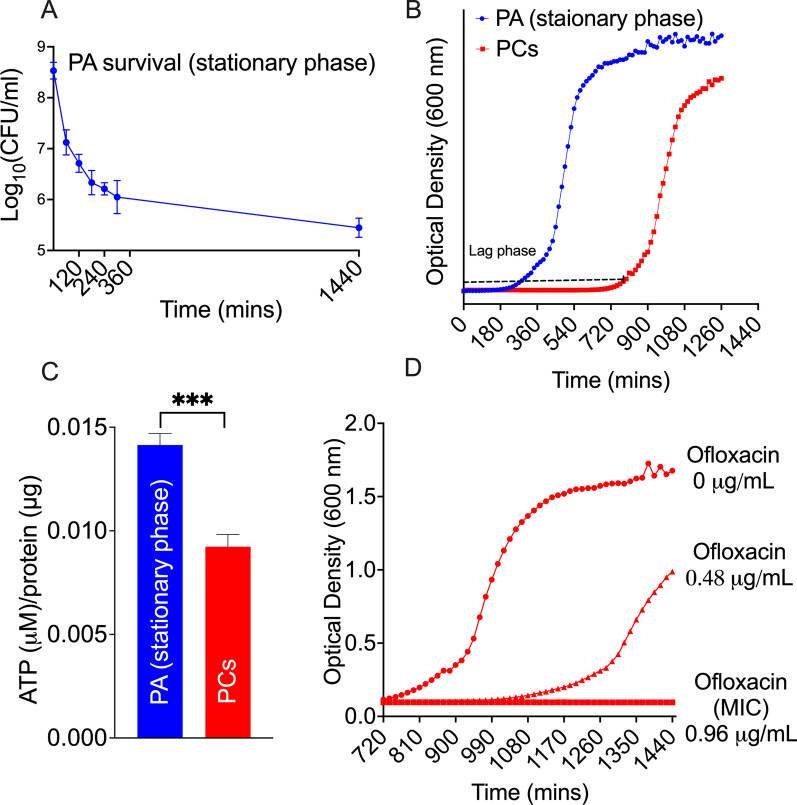
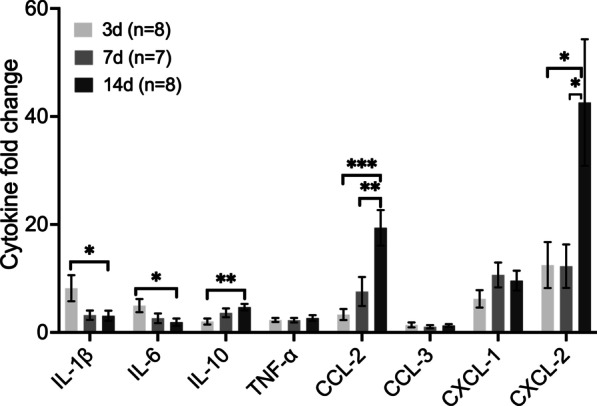
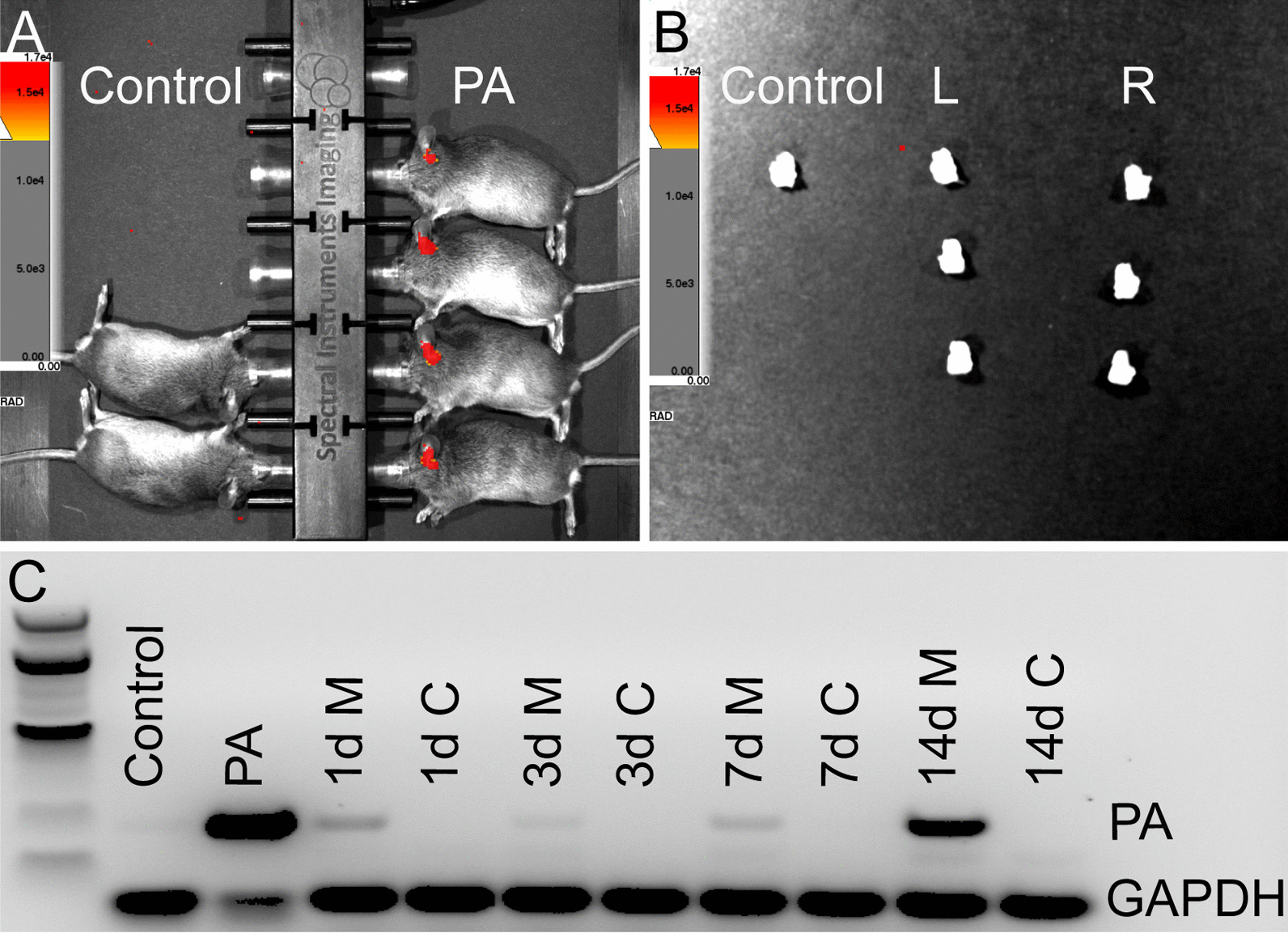
We generated persisters (PCs) and inoculated them into the mouse middle ear cavity. We tracked infection with IVIS and detected PA using RT-PCR. We assessed cochlear damage and innate immunity by Immunohistochemistry. Finally, we evaluated cytokines with multiplex assay and quantitative real-time PCR.
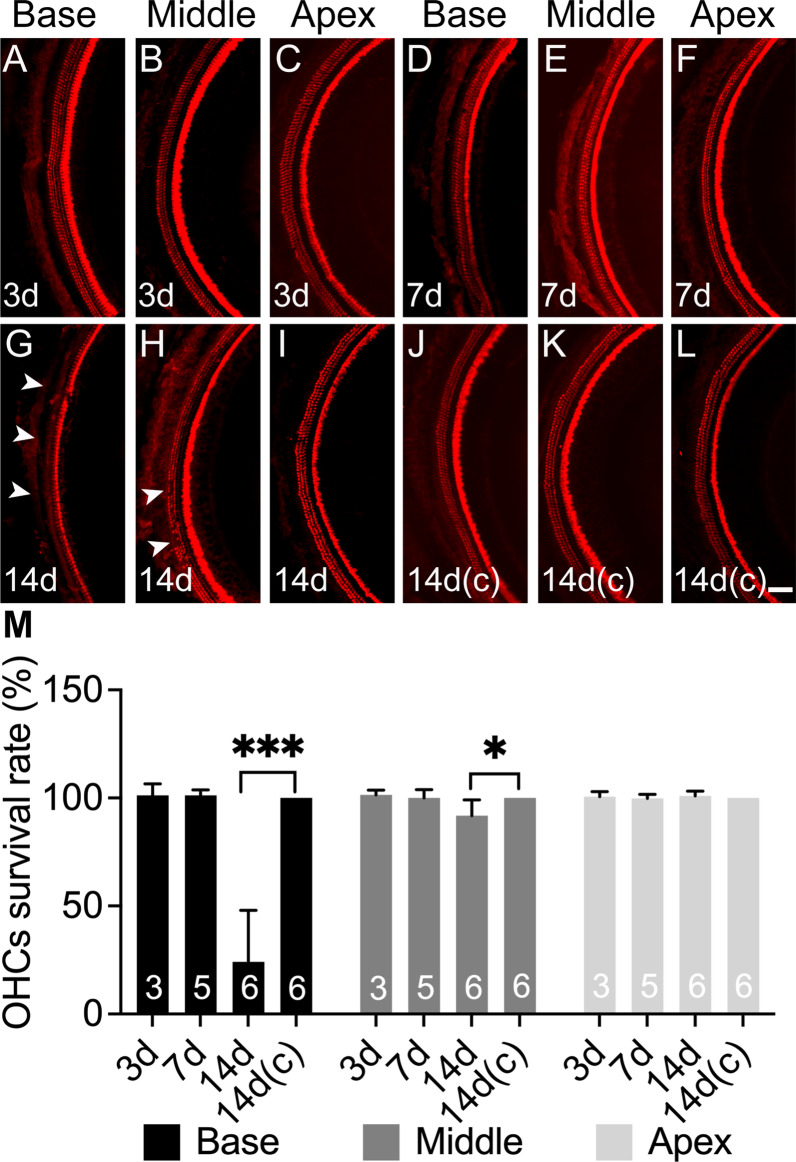
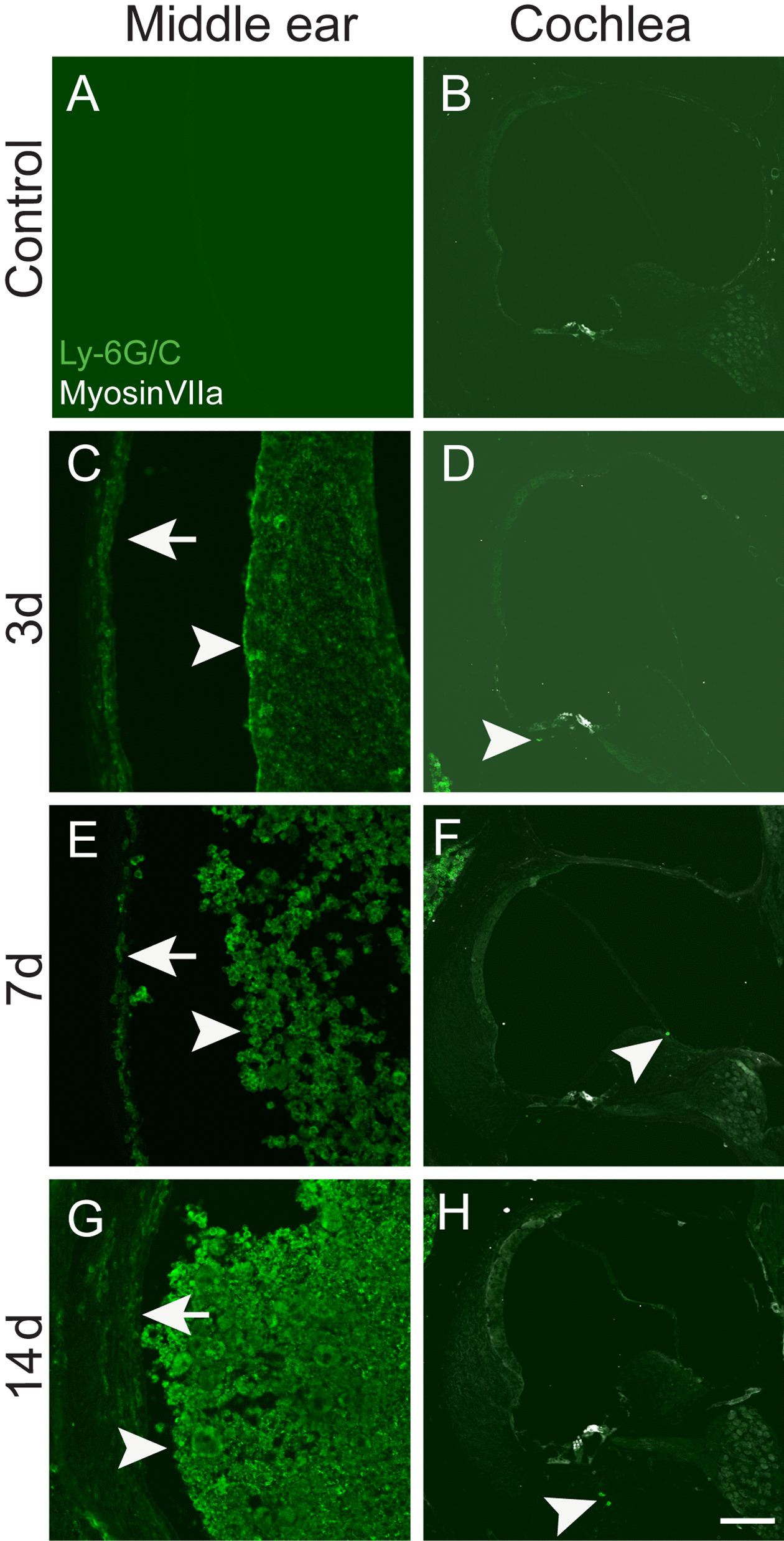
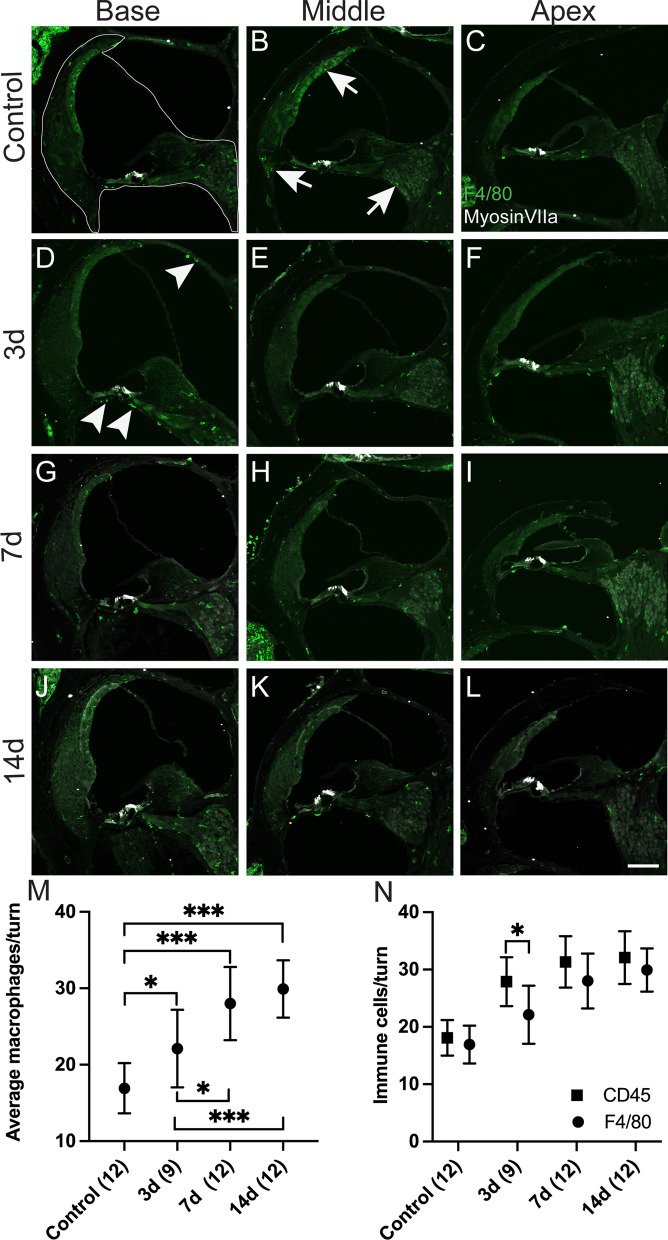
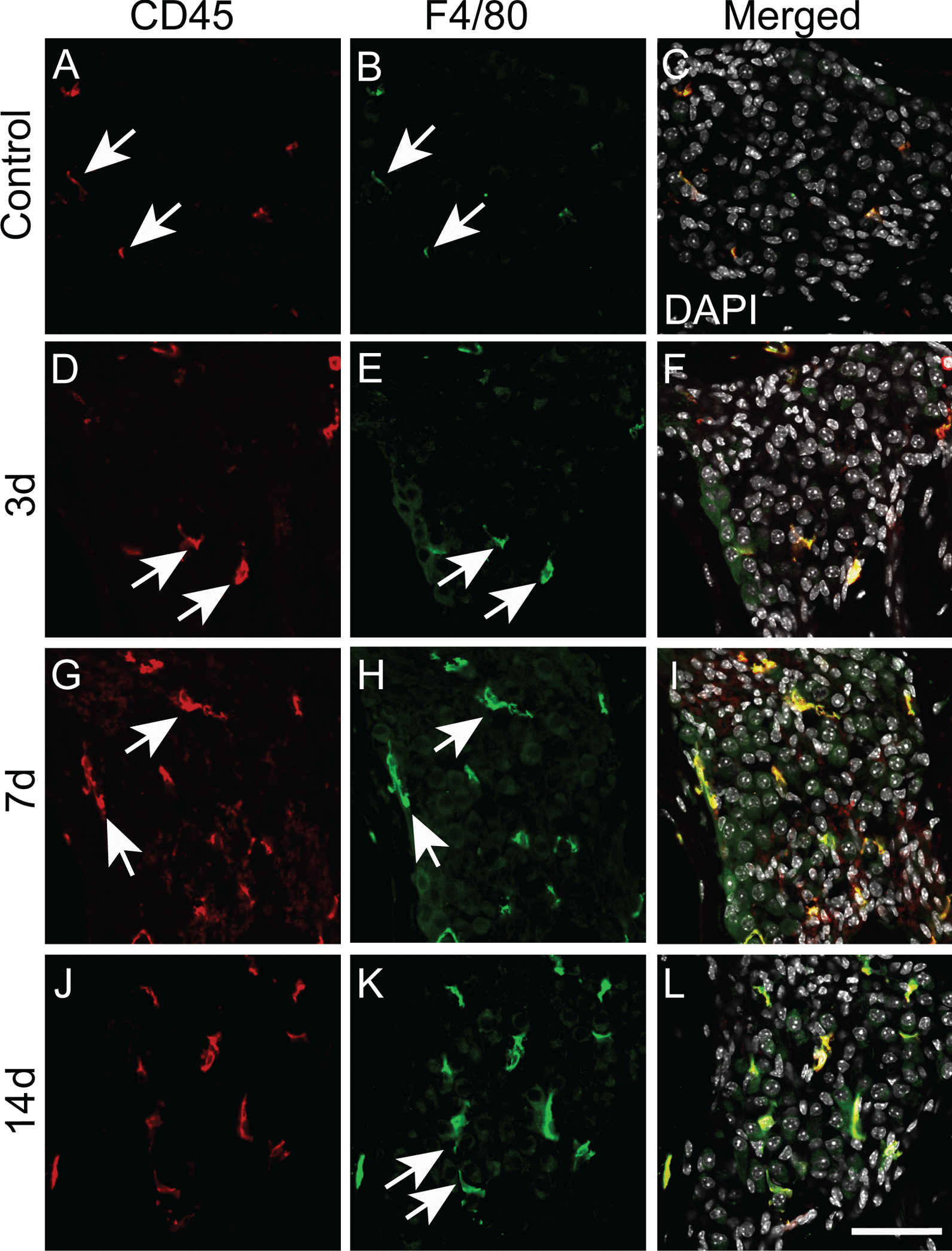
We observed outer hair cell (OHC) loss predominantly in the basal turn of the cochlear at 14 days after bacterial inoculation. Macrophages, not neutrophils are the major immune cells in the cochlea in CSOM displaying increased numbers and a distribution correlated with the observed cochlear injury. The progression of the morphological changes suggests a transition from monocytes into tissue macrophages following infection. We also show that PA do not enter the cochlea and live bacteria are required for cochlear injury. We characterized cytokine activity in the CSOM cochlea.
Taken together, this data shows a critical role for macrophages in CSOM-mediated sensorineural hearing loss (SNHL).
慢性化脓性中耳炎(CSOM)是发展中国家儿童永久性听力损失的最常见原因。永久性听力损失的很大一部分是感觉性的,我们对其机制的理解迄今为止仅限于尸检人类标本或不代表人类 CSOM 的急性感染模型。在本报告中,我们评估了经验证的铜绿假单胞菌(PA)CSOM 小鼠模型中的耳蜗损伤。
我们生成了持久性(PC)并将其接种到小鼠中耳腔中。我们使用 IVIS 跟踪感染,并使用 RT-PCR 检测 PA。我们通过免疫组织化学评估耳蜗损伤和固有免疫。最后,我们使用多重分析和定量实时 PCR 评估细胞因子。
我们观察到在细菌接种后 14 天,外毛细胞(OHC)主要在耳蜗的基底转丢失。在 CSOM 中,巨噬细胞而不是中性粒细胞是耳蜗中的主要免疫细胞,其数量增加,并且分布与观察到的耳蜗损伤相关。形态变化的进展表明感染后从单核细胞向组织巨噬细胞的转变。我们还表明,PA 不会进入耳蜗,并且活细菌是耳蜗损伤所必需的。我们对 CSOM 耳蜗中的细胞因子活性进行了表征。
综上所述,这些数据表明巨噬细胞在 CSOM 介导的感觉神经性听力损失(SNHL)中起关键作用。