Instituto de Investigaciones Biotecnológicas, Universidad Nacional San Martín (UNSAM), Consejo Nacional de Investigaciones Científicas y Técnicas (CONICET). Escuela de Bio y Nanotecnologías (EByN), Universidad Nacional de San Martín, Argentina.
Instituto de Investigaciones Biotecnológicas, Universidad Nacional San Martín (UNSAM), Consejo Nacional de Investigaciones Científicas y Técnicas (CONICET). Escuela de Bio y Nanotecnologías (EByN), Universidad Nacional de San Martín, Argentina.
Int J Parasitol Drugs Drug Resist. 2022 Dec;20:54-64. doi: 10.1016/j.ijpddr.2022.08.003. Epub 2022 Aug 19.
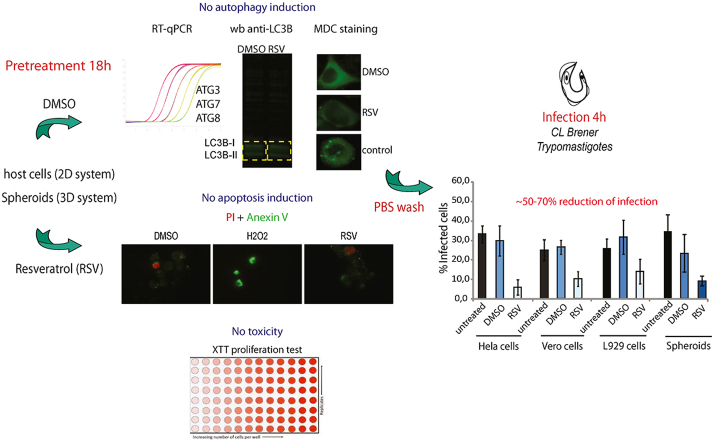
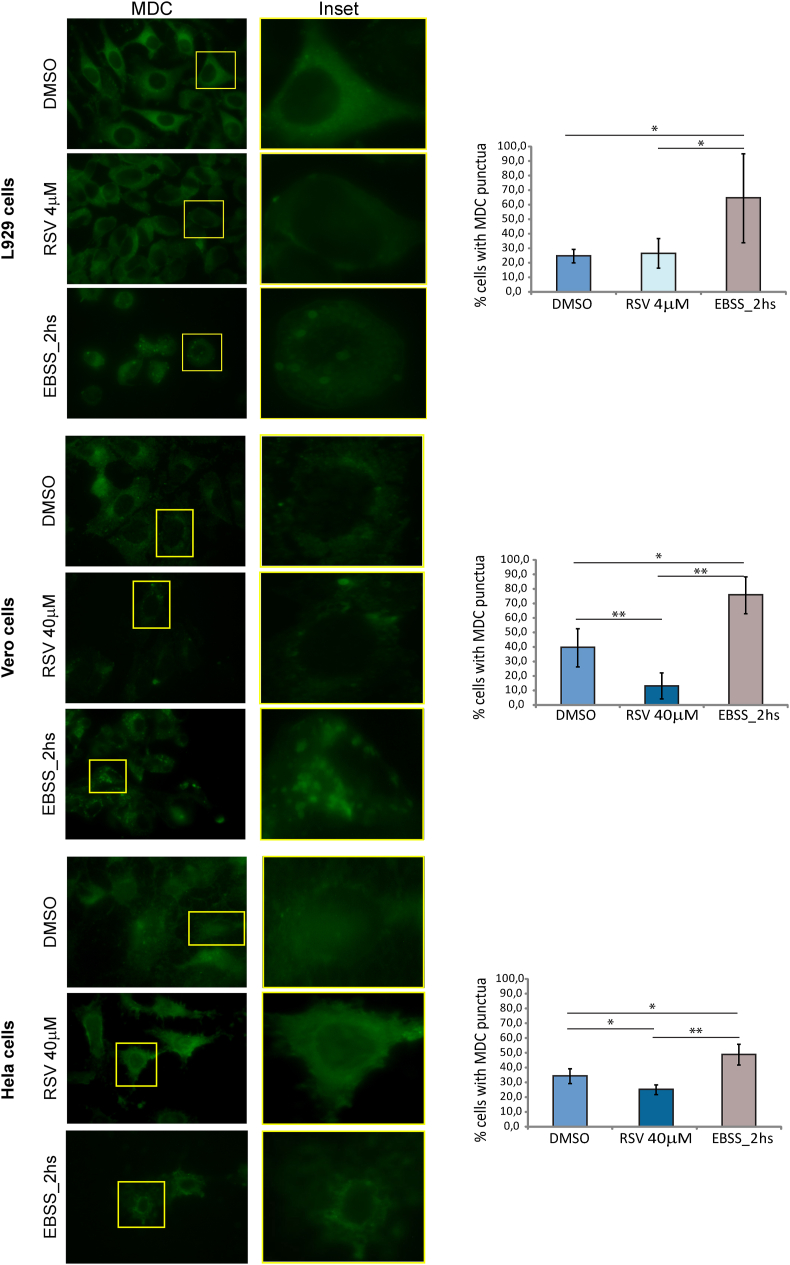
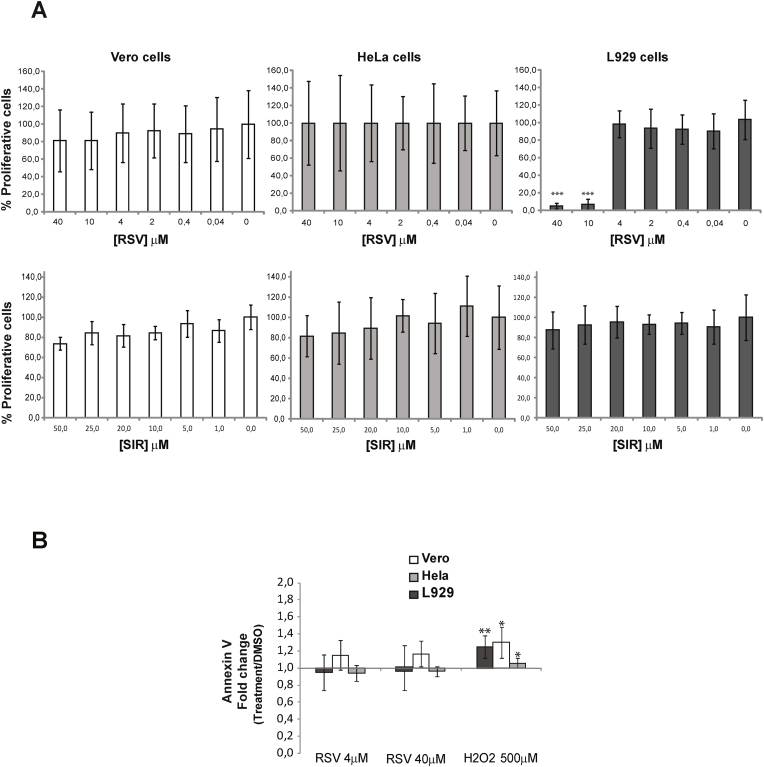
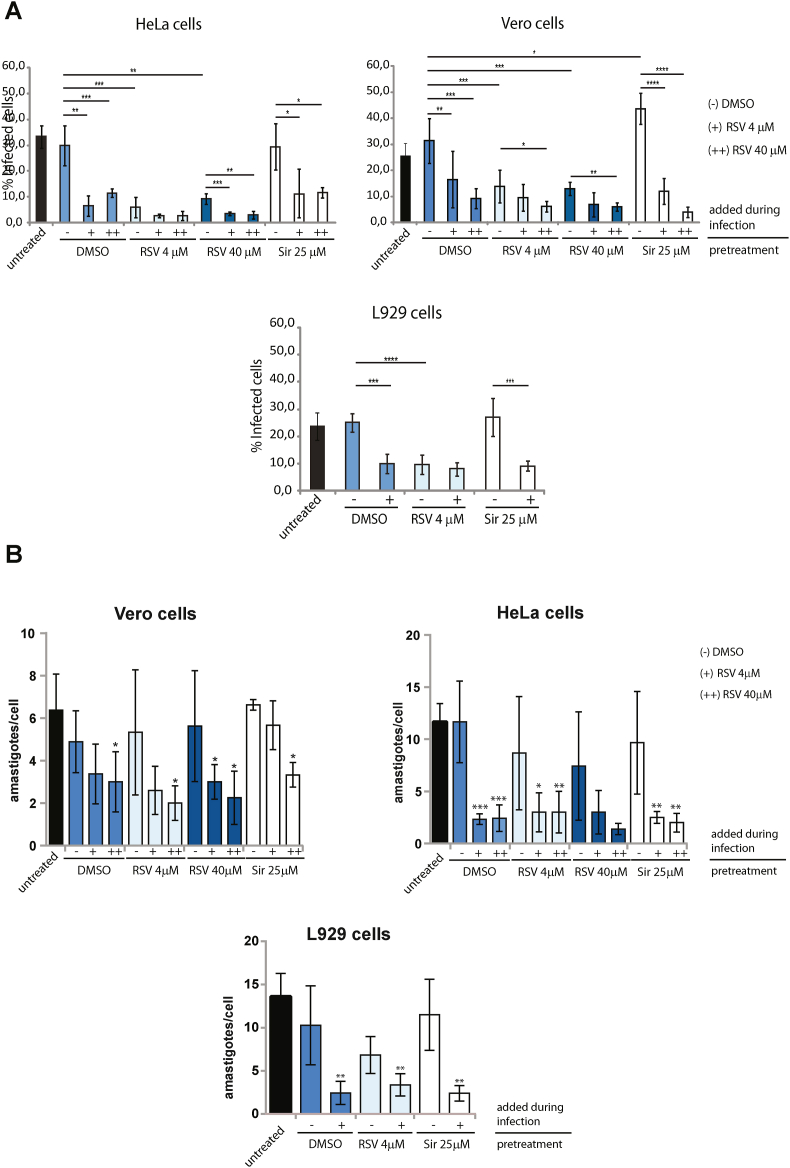
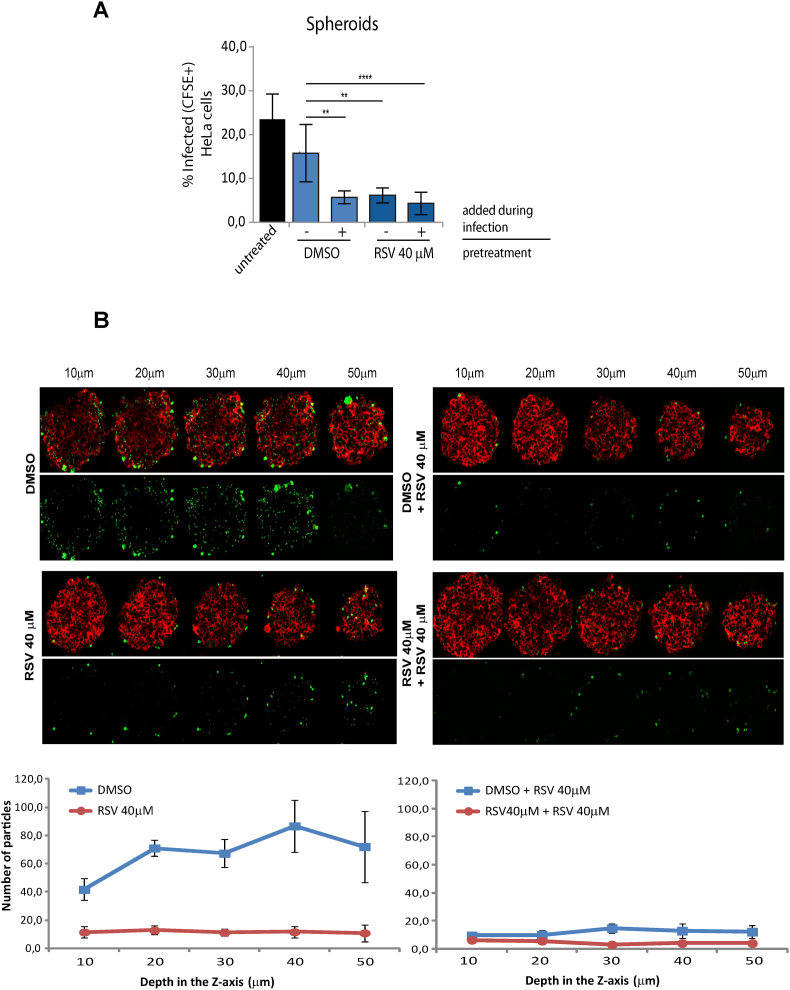
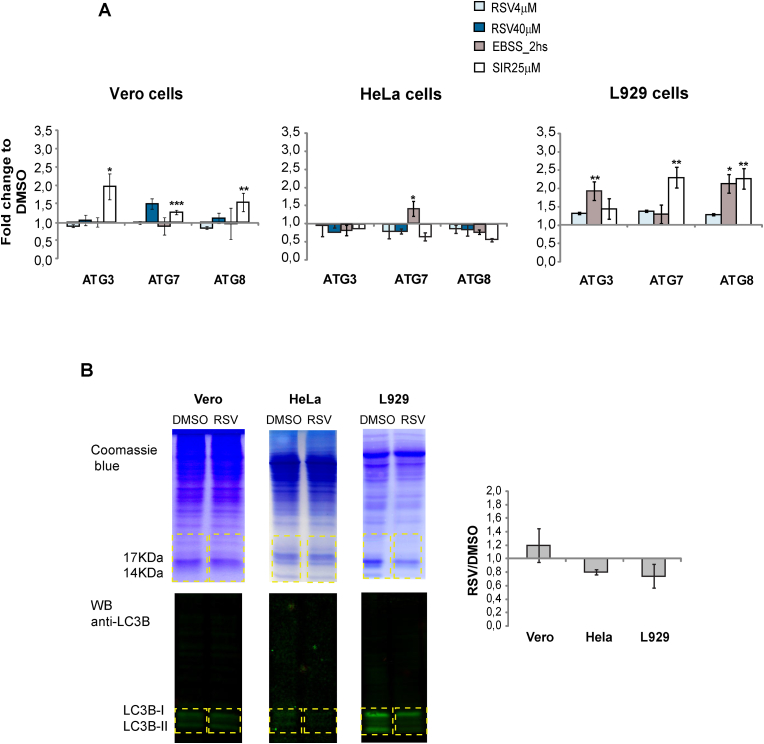
Chagas' disease or American trypanosomiasis, caused by Trypanosoma cruzi infection, is an endemic disease in Latin America, which has spread worldwide in the past years. The drugs presently used for treatment have shown limited efficacy due to the appearance of resistant parasites and severe side effects. Some of the most recent studies on anti-parasitic drugs have been focused on protein acetylation, a reversible reaction modulated by Acetyl Transferases (KATs) and Deacetylases (KDACs). We have previously reported the anti-parasite activity of resveratrol (RSV), an activator of KDACs type III (or sirtuins), and showed that this drug can reduce the growth of T. cruzi epimastigotes and the infectivity of trypomastigotes. Since RSV is now widely used in humans due to its beneficial effects as an antioxidant, it has become an attractive candidate as a repurposing drug. In this context, the aim of the present study was to evaluate the ability of this drug to protect three different types of host cells from parasite infection. RSV treatment before parasite infection reduced the percentage of infected cells by 50-70% depending on the cell type. Although the mammalian cell lines tested showed different sensitivity to RSV, apoptosis was not significantly affected, showing that RSV was able to protect cells from infection without the activation of this process. Since autophagy has been described as a key process in parasite invasion, we also monitored this process on host cells pretreated with RSV. The results showed that, at the concentrations and incubation times tested, autophagy was not induced in any of the cell types evaluated. Our results show a partial protective effect of RSV in vitro, which justifies extending studies to an in vivo model to elucidate the mechanism by which this effect occurs.
恰加斯病或美洲锥虫病是由克氏锥虫感染引起的,是拉丁美洲的一种地方病,近年来已在全球范围内传播。目前用于治疗的药物由于寄生虫出现耐药性和严重的副作用,疗效有限。最近的一些抗寄生虫药物研究集中在蛋白质乙酰化上,这是一种由乙酰转移酶(KATs)和去乙酰化酶(KDACs)调节的可逆反应。我们之前报道了白藜芦醇(RSV)的抗寄生虫活性,RSV 是一种 III 型 KDACs(或沉默调节蛋白)激活剂,表明该药物可以减少 T. cruzi 滋养体的生长和繁殖体的感染性。由于 RSV 作为抗氧化剂具有有益的作用,现在已被广泛用于人类,因此它已成为一种有吸引力的再利用药物候选。在这种情况下,本研究的目的是评估该药物保护三种不同类型宿主细胞免受寄生虫感染的能力。在寄生虫感染之前用 RSV 处理可使受感染细胞的百分比降低 50-70%,具体取决于细胞类型。尽管测试的哺乳动物细胞系对 RSV 的敏感性不同,但细胞凋亡没有受到显著影响,表明 RSV 能够在不激活该过程的情况下保护细胞免受感染。由于自噬已被描述为寄生虫入侵的关键过程,我们还监测了 RSV 预处理的宿主细胞中的该过程。结果表明,在所测试的浓度和孵育时间内,评估的任何细胞类型均未诱导自噬。我们的结果显示 RSV 在体外具有部分保护作用,这证明有必要将研究扩展到体内模型,以阐明这种作用发生的机制。