Department of Emergency Medicine, School of Medicine, Isfahan University of Medical Sciences, Isfahan, Iran.
Department of Clinical Pharmacy, School of Pharmacy, Shahid Beheshti University of Medical Sciences, Tehran, Iran.
Front Immunol. 2022 Aug 29;13:940357. doi: 10.3389/fimmu.2022.940357. eCollection 2022.
To evaluate the immunogenicity of COVID-19 vaccines in patients with diabetes mellitus (DM) through a systematic approach.
A comprehensive search was conducted in PubMed, Scopus, and Web of Science with no time restrictions. The search was based on the three main concepts: Covid-19, Vaccine immunogenicity and Diabetes Mellitus.
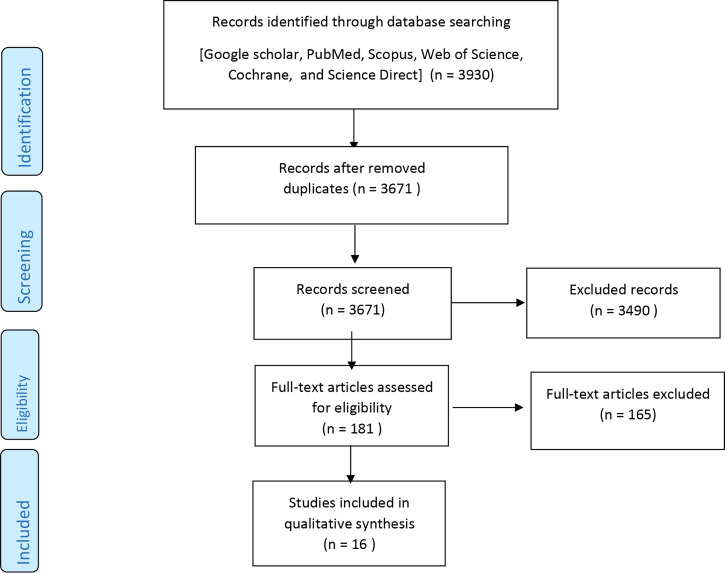
After excluding irrelevant studies, 16 studies remained for the quantitative assay. Among the sixteen studies, eleven had controls. Type of diabetes was specifically mentioned in six studies (T2DM; n=4, T1DM and T2DM; n=2). Twelve of the included studies were conducted on the immunogenicity of vaccines that included mRNA vaccines (i.e. BNT162b2 and mRNA-1273) in DM, five studies included vector-based vaccines (i.e. Ad5-nCoV and ChAdOx1-S), and five studies assessed the immunogenicity of vaccines in DM, including inactivated vaccines (i.e. BBV-152, CoronaVac, Sinopharm or SinoVac). Most of the current studies indicate lower antibody response in patients with DM compared to individuals without DM, after the second dose of vaccine and irrespective of vaccine type. Several studies have shown that higher age and higher BMI are associated with lower antibody response, while optimum glycemic control and higher GFR are associated with higher antibody response among patients with DM.
Immunogenicity of the vaccines has mostly been reported to be lower among patients with DM compared to healthy controls. There are also few studies assessing variables that significantly affect this association, including age, type of diabetes, BMI, glycemic control and eGFR. Investigating these associations could help us provide the most advantageous condition for patients with DM before, during and after vaccination for optimum antibody response. Many unresolved issues concerning potential factors affecting vaccine immunogenicity, including type of vaccine, numbers of administered doses, re-vaccination intervals and hyperglycemia in patients with DM need to be addressed through future research.
通过系统评价评估糖尿病(DM)患者 COVID-19 疫苗的免疫原性。
在 PubMed、Scopus 和 Web of Science 中进行了全面检索,没有时间限制。该检索基于三个主要概念:Covid-19、疫苗免疫原性和糖尿病。
排除不相关的研究后,有 16 项研究用于定量分析。在这 16 项研究中,有 11 项有对照。有 6 项研究特别提到了糖尿病的类型(T2DM;n=4,T1DM 和 T2DM;n=2)。12 项纳入研究评估了包括 mRNA 疫苗(即 BNT162b2 和 mRNA-1273)在内的 DM 疫苗的免疫原性,5 项研究包括基于载体的疫苗(即 Ad5-nCoV 和 ChAdOx1-S),5 项研究评估了 DM 疫苗的免疫原性,包括灭活疫苗(即 BBV-152、CoronaVac、国药或科兴)。大多数现有研究表明,与非糖尿病个体相比,DM 患者在接种第二剂疫苗后,无论疫苗类型如何,抗体反应均较低。几项研究表明,较高的年龄和较高的 BMI 与较低的抗体反应相关,而 DM 患者的最佳血糖控制和较高的肾小球滤过率(GFR)与较高的抗体反应相关。
与健康对照者相比,DM 患者疫苗的免疫原性大多较低。也有一些研究评估了显著影响这种关联的变量,包括年龄、糖尿病类型、BMI、血糖控制和 eGFR。研究这些关联可以帮助我们在接种疫苗之前、期间和之后为 DM 患者提供最佳条件,以获得最佳的抗体反应。许多尚未解决的问题涉及影响疫苗免疫原性的潜在因素,包括疫苗类型、接种剂量、再接种间隔以及 DM 患者的高血糖,需要通过未来的研究来解决。