Jiangsu Province Key Laboratory of Neurodegeneration, Center for Global Health, Nanjing Medical University, Nanjing, China.
Brain Institute, the Affiliated Nanjing Brain Hospital of Nanjing Medical University, Nanjing, China.
Int J Neuropsychopharmacol. 2022 Nov 17;25(11):951-967. doi: 10.1093/ijnp/pyac061.
Cooperative defect is 1 of the earliest manifestations of disease patients with Alzheimer disease (AD) exhibit, but the underlying mechanism remains unclear.
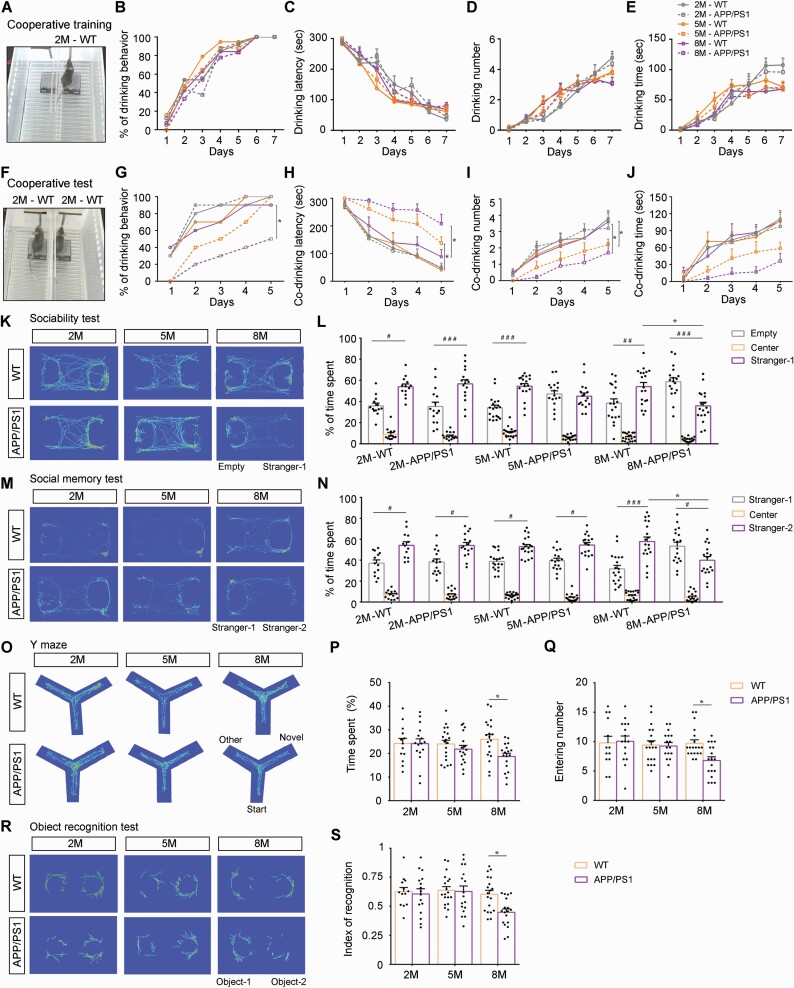
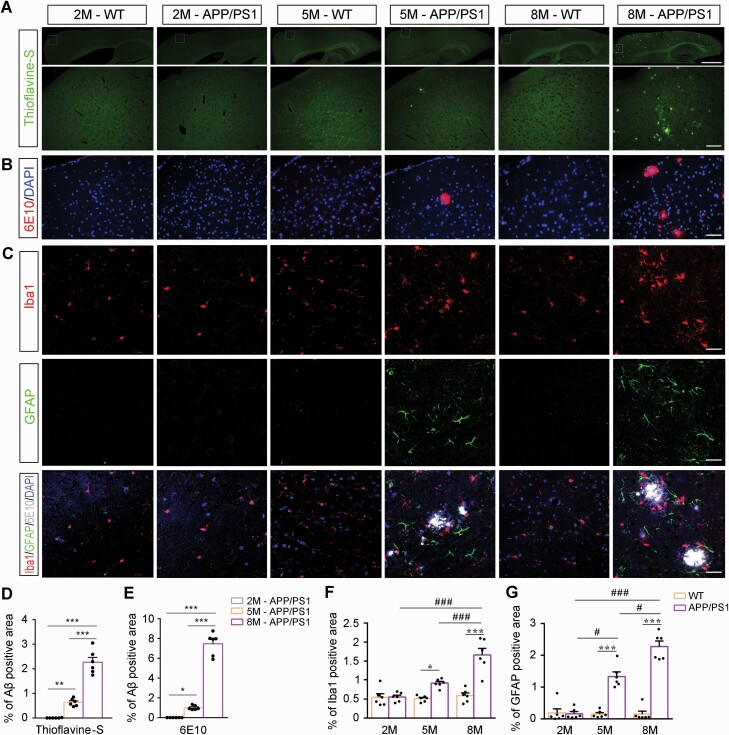
We evaluated the cooperative function of APP/PS1 transgenic AD model mice at ages 2, 5, and 8 months by using a cooperative drinking task. We examined neuropathologic changes in the medial prefrontal cortex (mPFC). Another experiment was designed to observe whether miconazole, which has a repairing effect on myelin sheath, could promote the cooperative ability of APP/PS1 mice in the early AD-like stage. We also investigated the protective effects of miconazole on cultured mouse cortical oligodendrocytes exposed to human amyloid β peptide (Aβ1-42).
We observed an age-dependent impairment of cooperative water drinking behavior in APP/PS1 mice. The AD mice with cooperative dysfunction showed decreases in myelin sheath thickness, oligodendrocyte nuclear heterochromatin percentage, and myelin basic protein expression levels in the mPFC. The cooperative ability was significantly improved in APP/PS1 mice treated with miconazole. Miconazole treatment increased oligodendrocyte maturation and myelin sheath thickness without reducing Aβ plaque deposition, reactive gliosis, and inflammatory factor levels in the mPFC. Miconazole also protected cultured oligodendrocytes from the toxicity of Aβ1-42.
These results demonstrate that mPFC hypomyelination is involved in the cooperative deficits of APP/PS1 mice. Improving myelination through miconazole therapy may offer a potential therapeutic approach for early intervention in AD.
协同缺陷是阿尔茨海默病(AD)患者最早出现的疾病表现之一,但潜在机制尚不清楚。
我们通过合作性饮水任务评估了 APP/PS1 转基因 AD 模型小鼠在 2、5 和 8 个月龄时的协同功能。我们检查了内侧前额叶皮质(mPFC)的神经病理学变化。另一个实验旨在观察米康唑(一种修复髓鞘的药物)是否能促进 APP/PS1 小鼠在早期 AD 样阶段的合作能力。我们还研究了米康唑对暴露于人淀粉样β肽(Aβ1-42)的培养的小鼠皮质少突胶质细胞的保护作用。
我们观察到 APP/PS1 小鼠的合作性饮水行为随年龄的依赖性损伤。具有协同功能障碍的 AD 小鼠在 mPFC 中表现出髓鞘厚度、少突胶质细胞核异染色质百分比和髓鞘碱性蛋白表达水平的降低。米康唑治疗显著改善了 APP/PS1 小鼠的合作能力。米康唑治疗增加了少突胶质细胞的成熟和髓鞘厚度,而不会减少 mPFC 中 Aβ斑块沉积、反应性神经胶质增生和炎症因子水平。米康唑还保护培养的少突胶质细胞免受 Aβ1-42 的毒性。
这些结果表明,mPFC 少突胶质细胞髓鞘形成不良参与了 APP/PS1 小鼠的合作缺陷。通过米康唑治疗改善髓鞘形成可能为 AD 的早期干预提供一种潜在的治疗方法。