Anele Christopher O, Omon Henry E, Balogun Simon A, Ajekwu Temitope O, Komolafe Edward O
Neurosurgery Unit, Department of Surgery, Obafemi Awolowo University Teaching Hospital Complex, Ile Ife, Osun State, Nigeria.
J West Afr Coll Surg. 2021 Jul-Sep;11(3):29-34. doi: 10.4103/jwas.jwas_57_21. Epub 2022 Jul 22.
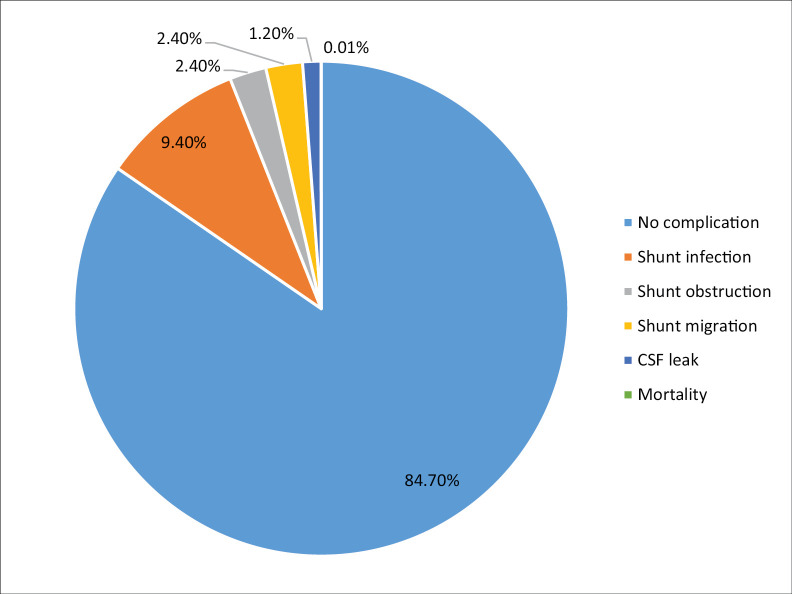
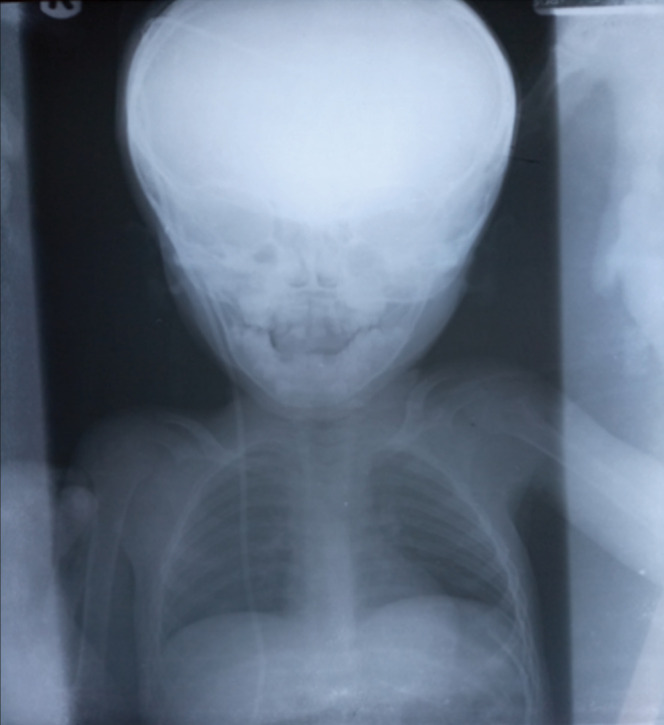
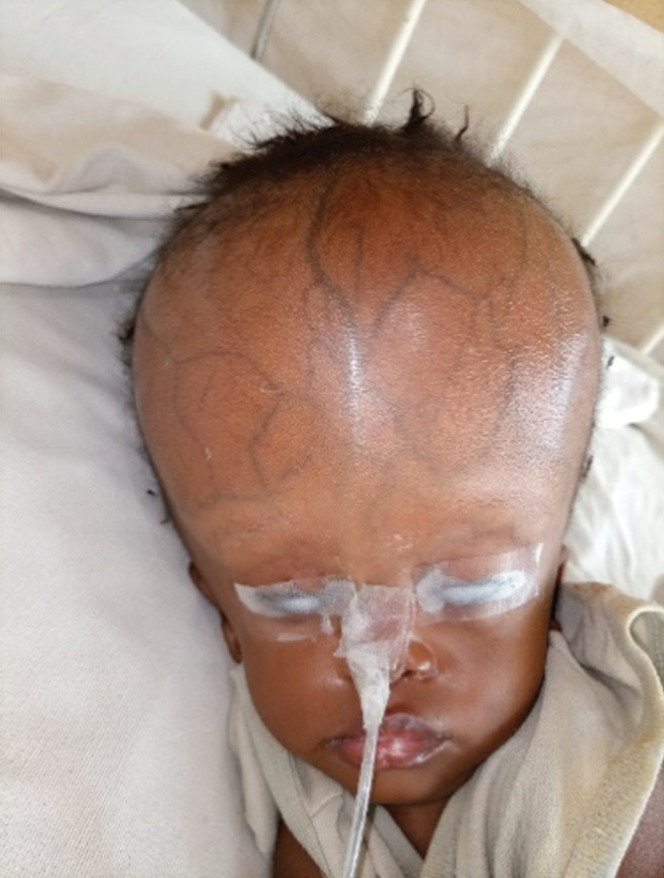
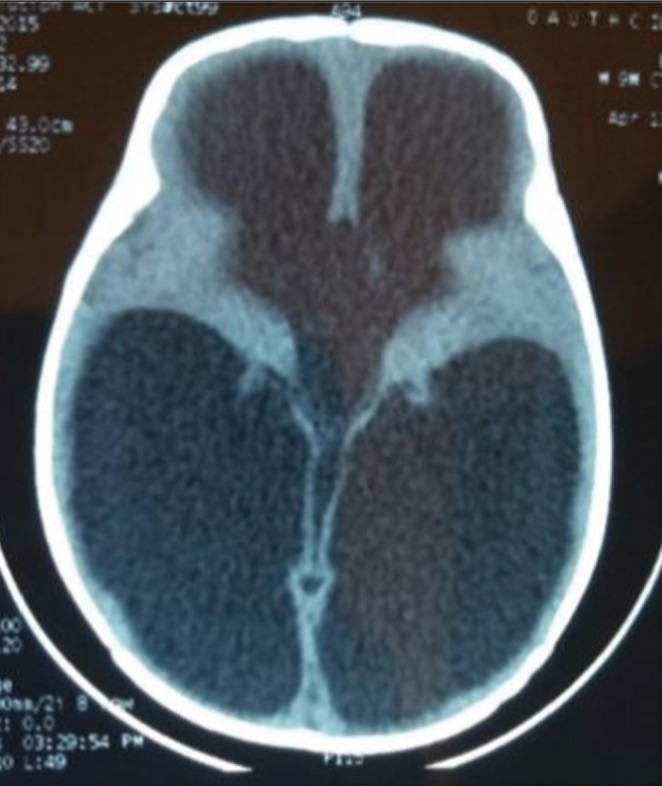
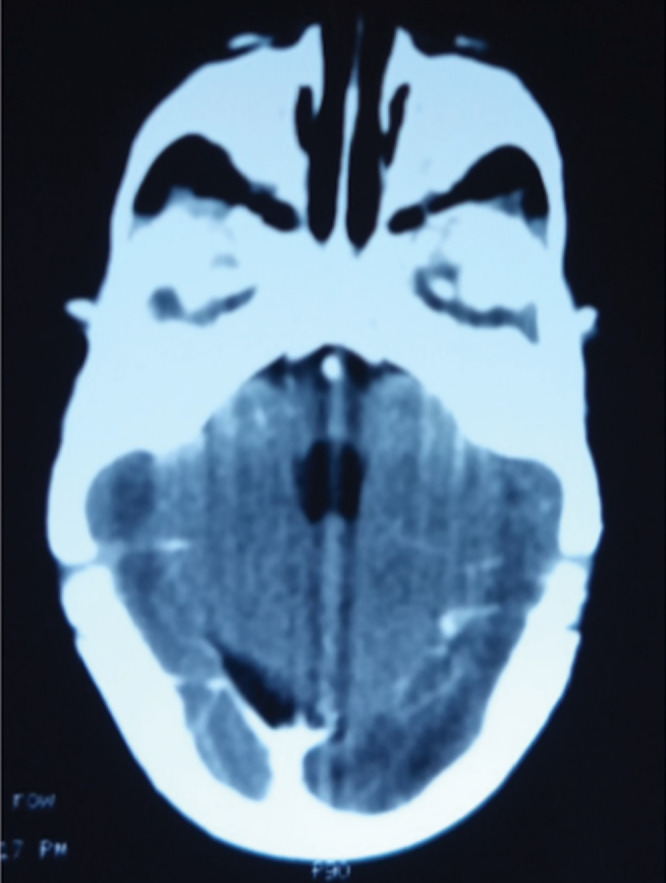
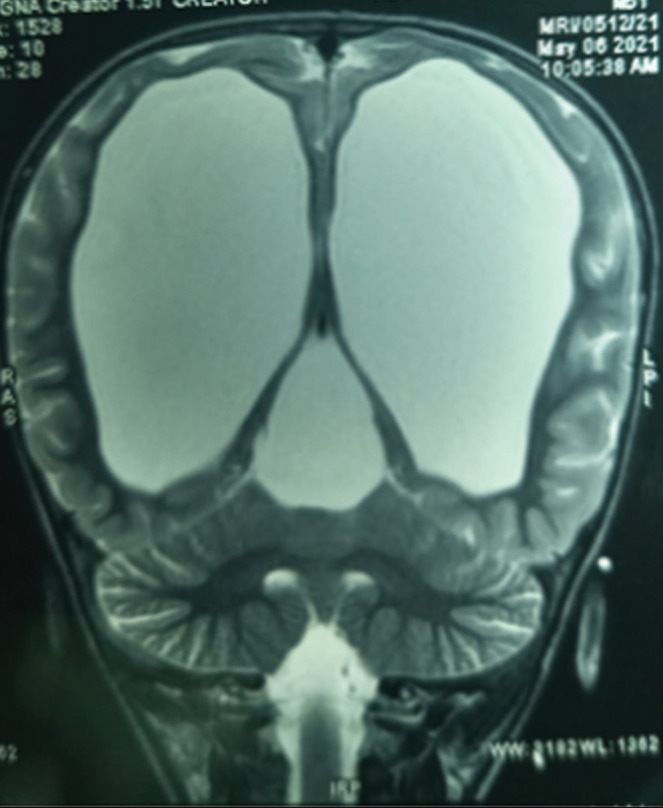
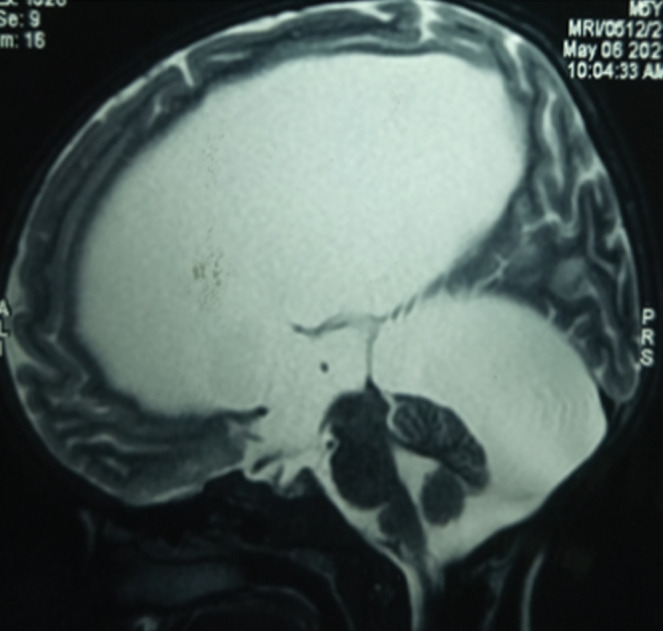
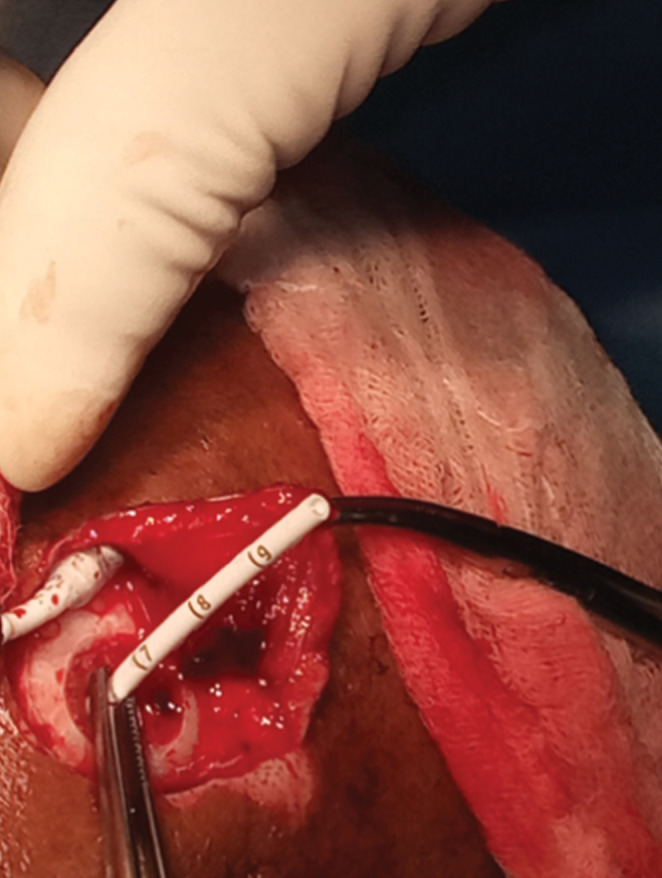
Hydrocephalus is a very common brain disorder affecting both children and adult populations. Its global burden has been well documented in the literature, and its management is not without challenges and complications, especially in low-income countries. This study aims at reviewing the management of hydrocephalus in a tertiary hospital in Nigeria and illustrating two cases managed with peculiar challenges. This study is a retrospective clinical review of 170 patients with hydrocephalus amenable to ventriculoperitoneal shunting as primary treatment. Two cases of hydrocephalus with peculiar management challenges were illustrated. The first case was that of an abandoned infant with hydrocephalus. The second case was that of a 5-year-old boy with post-meningitic hydrocephalus with delays in having cerebrospinal fluid (CSF) shunting. Majority of the patients with hydrocephalus were infants (71.2%), and the top two most common etiologies were aqueductal stenosis (64.7%) and post-meningitic hydrocephalus (11.2%), respectively. Shunt infection was the most common complication (9.4%), which was within the lower limit of rates reported in the literature (8.6%-50%). Approximately 84% of shunting had no complication. In conclusion, ventriculoperitoneal shunting is the preferred treatment option for hydrocephalus in low-income countries, and it is not without management challenges that are peculiar to these climes. Shunt infection appeared to be the most common complication.
脑积水是一种非常常见的脑部疾病,影响儿童和成人。其全球负担在文献中已有充分记载,其治疗并非没有挑战和并发症,尤其是在低收入国家。本研究旨在回顾尼日利亚一家三级医院对脑积水的治疗情况,并举例说明两例面临特殊挑战的病例。本研究是对170例适合行脑室腹腔分流术作为主要治疗方法的脑积水患者的回顾性临床研究。举例说明了两例面临特殊治疗挑战的脑积水病例。第一例是一名被遗弃的脑积水婴儿。第二例是一名5岁男孩,患有脑膜炎后脑积水,脑脊液分流延迟。大多数脑积水患者为婴儿(71.2%),最常见的两种病因分别是导水管狭窄(64.7%)和脑膜炎后脑积水(11.2%)。分流感染是最常见的并发症(9.4%),在文献报道的发生率下限范围内(8.6%-50%)。约84%的分流术无并发症。总之,脑室腹腔分流术是低收入国家治疗脑积水的首选方法,这些地区也面临着特殊的治疗挑战。分流感染似乎是最常见的并发症。