
转录组和代谢组的综合分析揭示了患肝胰腺坏死病的[对象未提及]的分子反应。
Integrative Analysis of Transcriptome and Metabolome Reveals Molecular Responses in with Hepatopancreatic Necrosis Disease.
作者信息
Zhan Ming, Wen Lujie, Zhu Mengru, Gong Jie, Xi Changjun, Wen Haibo, Xu Gangchun, Shen Huaishun
机构信息
Wuxi Fisheries College, Nanjing Agricultural University, Nanjing 210095, China.
Key Laboratory of Integrated Rice-Fish Farming Ecology, Ministry of Agriculture and Rural Affairs, Freshwater Fisheries Research Center, Chinese Academy of Fishery Sciences, Wuxi 214081, China.
出版信息
Biology (Basel). 2022 Aug 26;11(9):1267. doi: 10.3390/biology11091267.
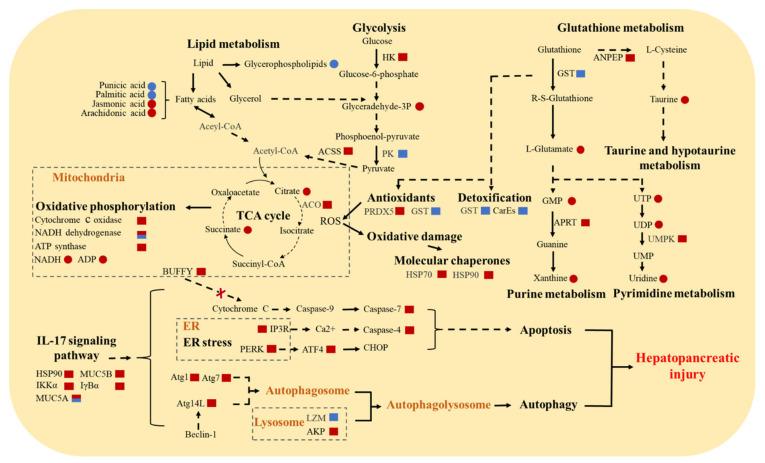
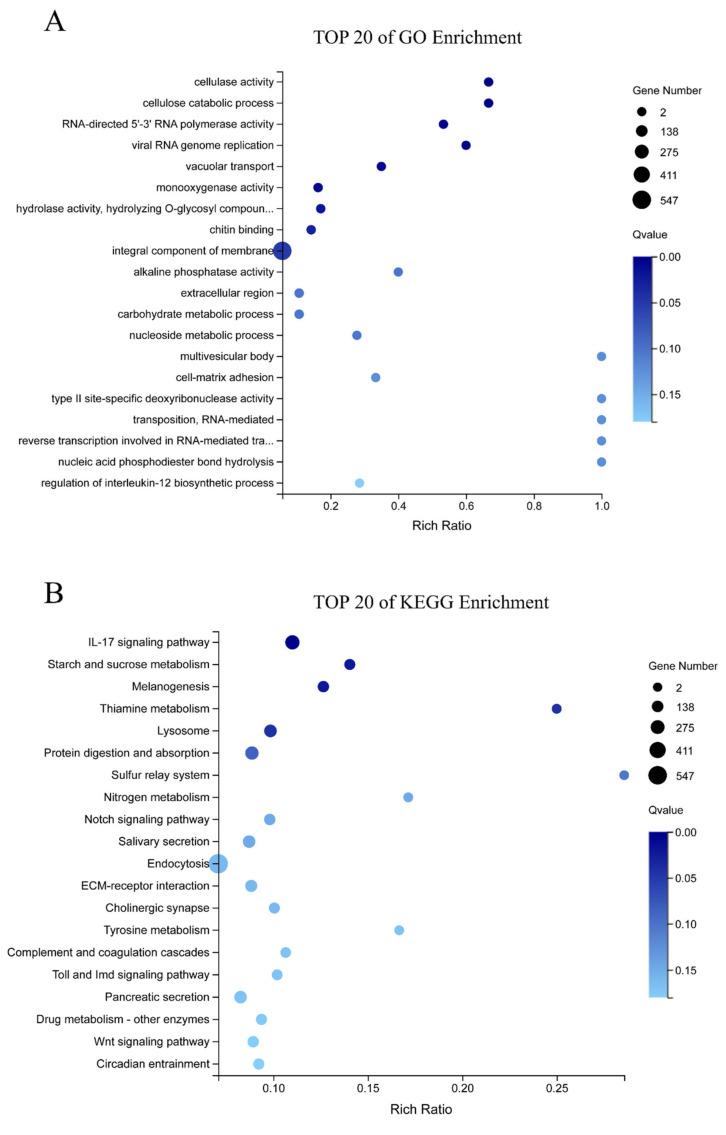
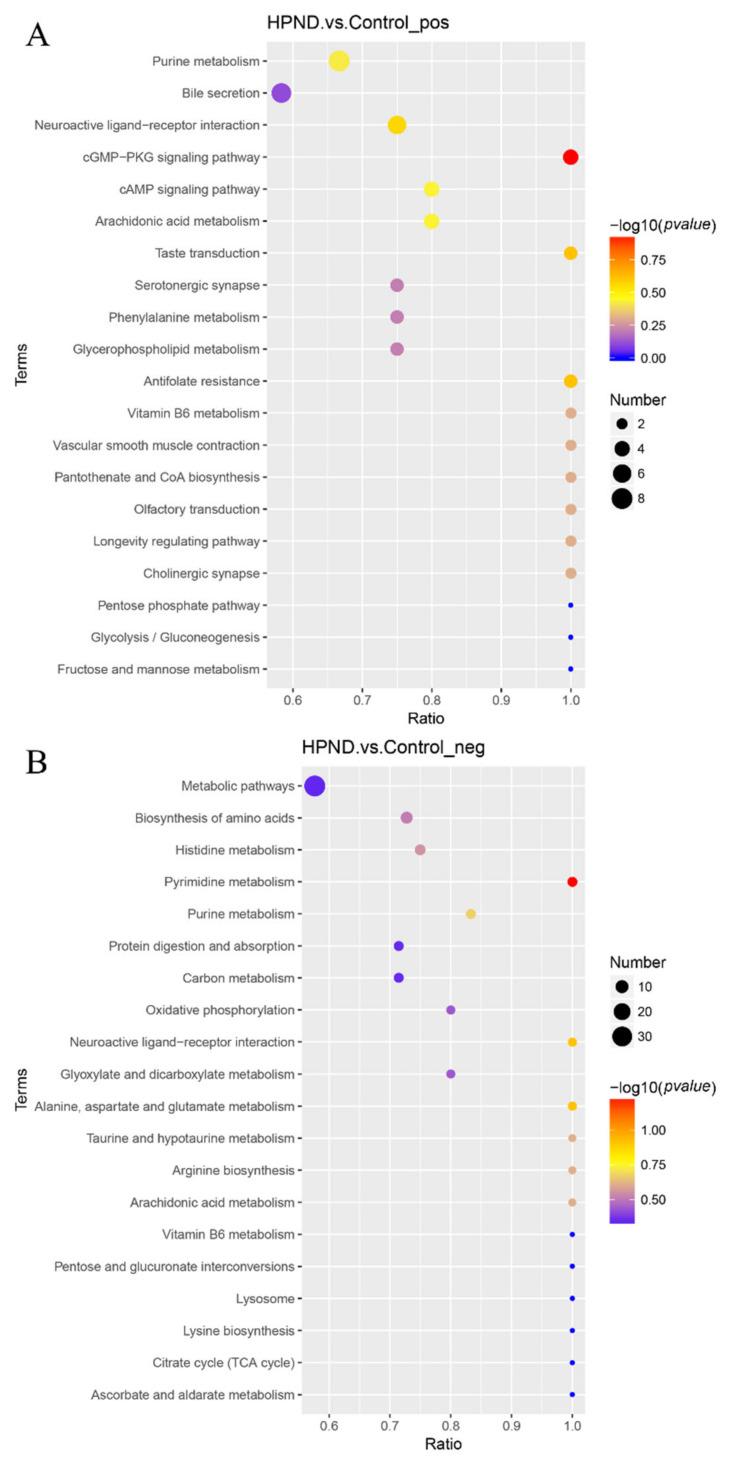
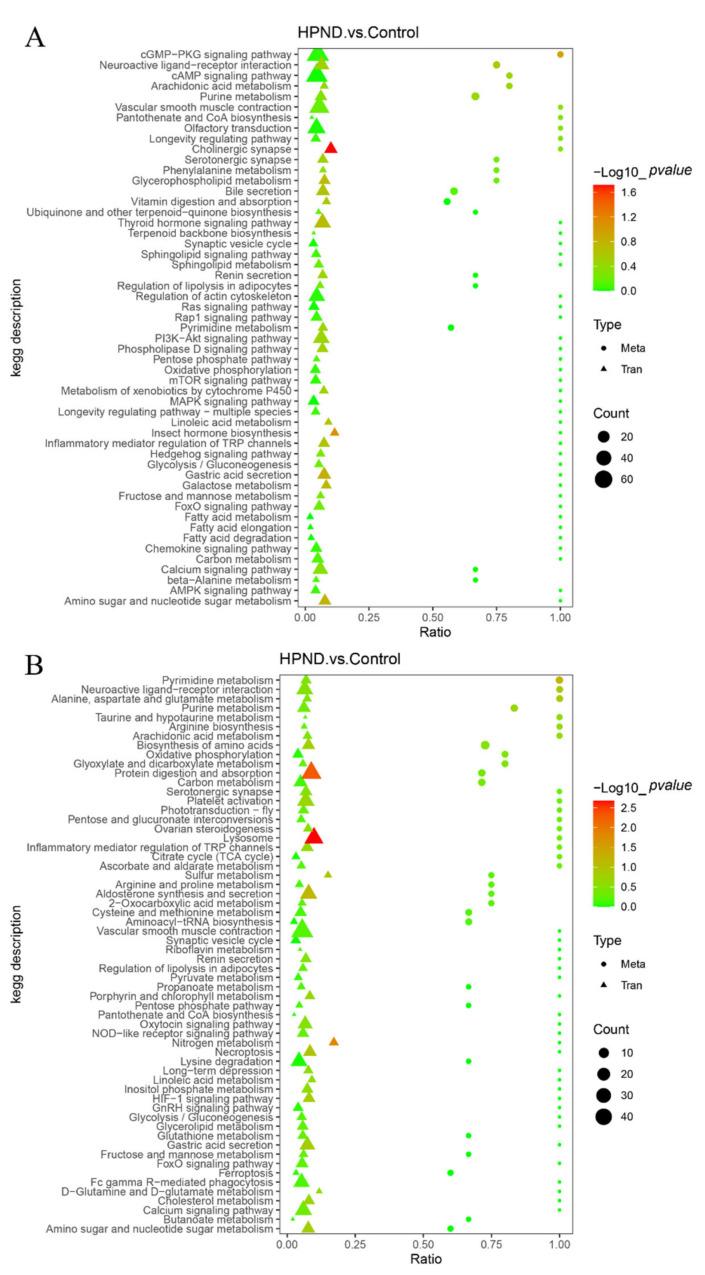
Hepatopancreatic necrosis disease (HPND) is a highly lethal disease that first emerged in 2015 in Jiangsu Province, China. So far, most researchers believe that this disease is caused by abiotic factors. However, its true pathogenic mechanism remains unknown. In this study, the effects of HPND on the metabolism and other biological indicators of the Chinese mitten crab () were evaluated by integrating transcriptomics and metabolomics. Our findings demonstrate that the innate immunity, antioxidant activity, detoxification ability, and nervous system of the diseased crabs were affected. Additionally, metabolic pathways such as lipid metabolism, nucleotide metabolism, and protein metabolism were dysregulated, and energy production was slightly increased. Moreover, the IL-17 signaling pathway was activated and high levels of autophagy and apoptosis occurred in diseased crabs, which may be related to hepatopancreas damage. The abnormal mitochondrial function and possible anaerobic metabolism observed in our study suggested that functional hypoxia may be involved in HPND progression. Furthermore, the activities of carboxylesterase and acetylcholinesterase were significantly inhibited, indicating that the diseased crabs were likely stressed by pesticides such as pyrethroids. Collectively, our findings provide new insights into the molecular mechanisms altered in diseased crabs, as well as the etiology and pathogenic mechanisms of HPND.
肝胰腺坏死病(HPND)是一种高致死性疾病,于2015年首次在中国江苏省出现。到目前为止,大多数研究人员认为这种疾病是由非生物因素引起的。然而,其真正的致病机制仍然未知。在本研究中,通过整合转录组学和代谢组学,评估了HPND对中华绒螯蟹()的代谢和其他生物学指标的影响。我们的研究结果表明,患病螃蟹的先天免疫、抗氧化活性、解毒能力和神经系统受到了影响。此外,脂质代谢、核苷酸代谢和蛋白质代谢等代谢途径失调,能量产生略有增加。此外,患病螃蟹中IL-17信号通路被激活,自噬和凋亡水平较高,这可能与肝胰腺损伤有关。我们研究中观察到的线粒体功能异常和可能的无氧代谢表明,功能性缺氧可能参与了HPND的进展。此外,羧酸酯酶和乙酰胆碱酯酶的活性受到显著抑制,表明患病螃蟹可能受到拟除虫菊酯等农药的胁迫。总的来说,我们的研究结果为患病螃蟹中改变的分子机制以及HPND的病因和致病机制提供了新的见解。



 Zotero 插件