Pitz Megan, Elpers Margaret, Nukovic Alexandra, Wilde Sarah, Gregory Arica Jordan, Alexander-Bryant Angela
Nanobiotechnology Lab, Department of Bioengineering, Clemson University, Clemson, SC 29634, USA.
Biomedicines. 2022 Sep 2;10(9):2164. doi: 10.3390/biomedicines10092164.
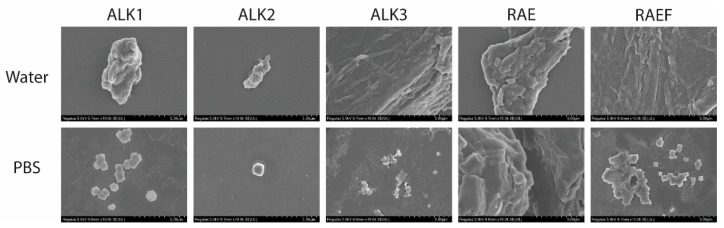
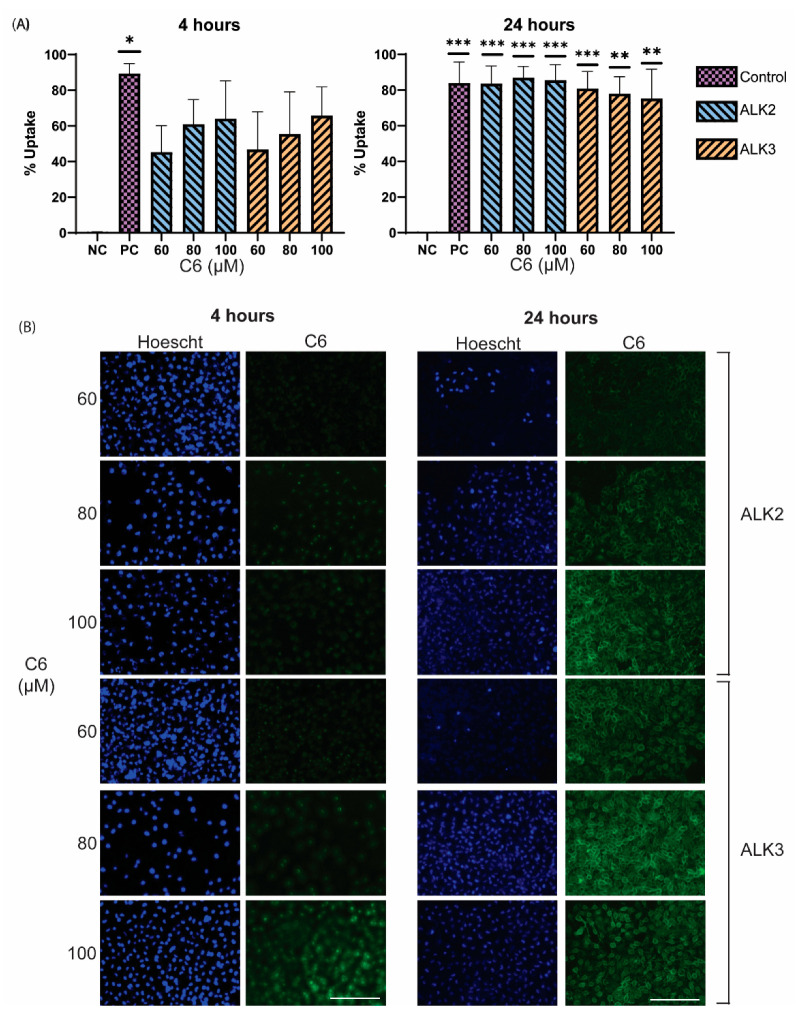
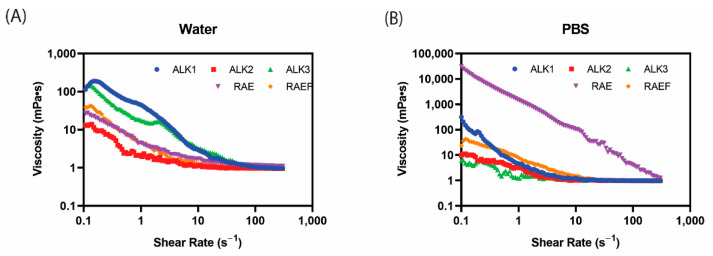
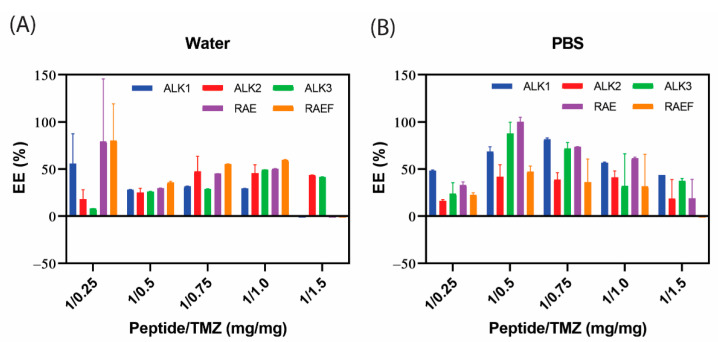
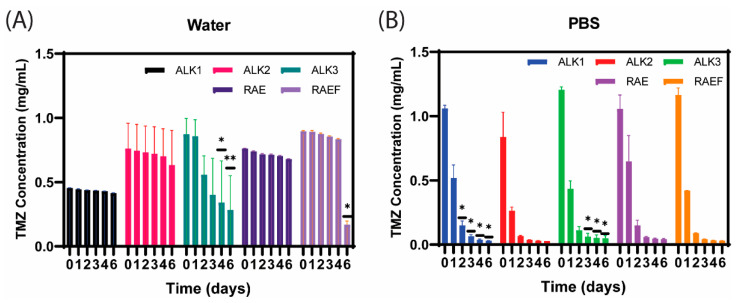
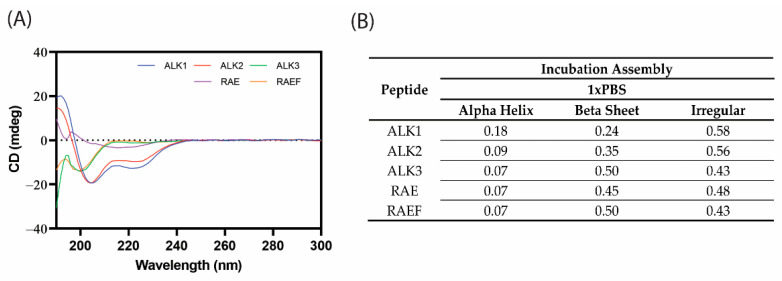
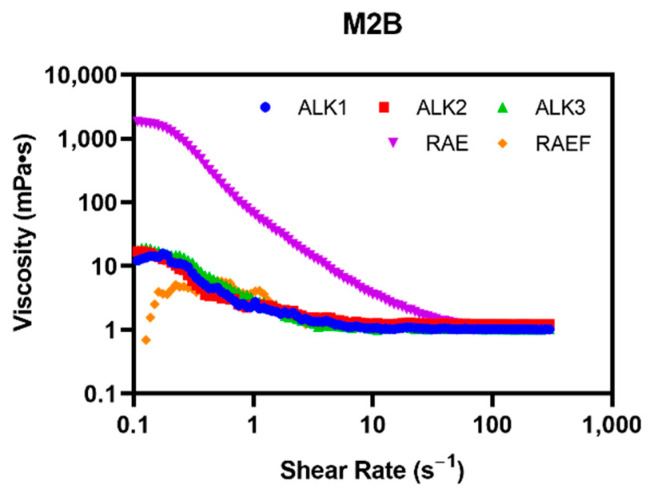
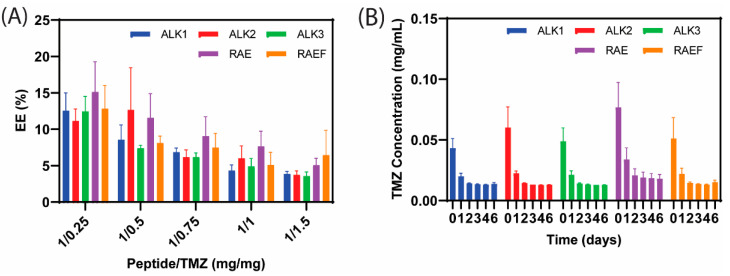
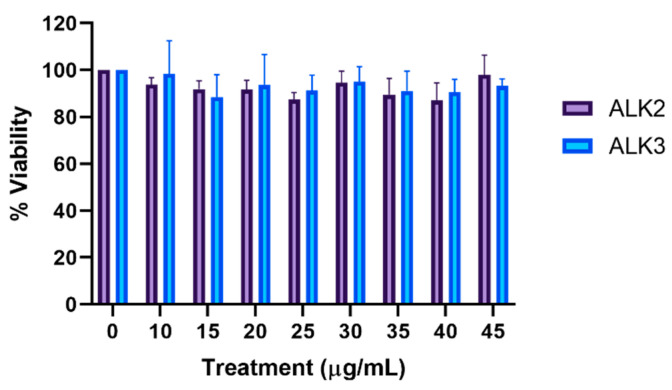
Glioblastoma multiforme (GBM) is the most aggressive central nervous system tumor, and standard treatment, including surgical resection, radiation, and chemotherapy, has not significantly improved patient outcomes over the last 20 years. Temozolomide (TMZ), the prodrug most commonly used to treat GBM, must pass the blood-brain barrier and requires a basic pH to convert to its active form. Due to these barriers, less than 30% of orally delivered TMZ reaches the central nervous system and becomes bioactive. In this work, we have developed a novel biomaterial delivery system to convert TMZ to its active form and that shows promise for intracellular TMZ delivery. Self-assembling peptides were characterized under several different assembly conditions and evaluated for TMZ loading and conversion. Both solvent and method of assembly were found to affect the supramolecular and secondary structure of peptide assemblies. Additionally, as peptides degraded in phosphate-buffered saline, TMZ was rapidly converted to its active form. This work demonstrates that peptide-based drug delivery systems can effectively create a local stimulus during drug delivery while remaining biocompatible. This principle could be used in many future biomedical applications in addition to cancer treatment, such as wound healing and regenerative medicine.
多形性胶质母细胞瘤(GBM)是最具侵袭性的中枢神经系统肿瘤,在过去20年里,包括手术切除、放疗和化疗在内的标准治疗方法并未显著改善患者的预后。替莫唑胺(TMZ)是最常用于治疗GBM的前体药物,它必须穿过血脑屏障,并且需要碱性pH才能转化为其活性形式。由于这些障碍,口服给药的TMZ只有不到30%到达中枢神经系统并具有生物活性。在这项工作中,我们开发了一种新型生物材料递送系统,可将TMZ转化为其活性形式,并显示出细胞内递送TMZ的前景。在几种不同的组装条件下对自组装肽进行了表征,并评估了TMZ的负载和转化情况。发现溶剂和组装方法都会影响肽组装体的超分子结构和二级结构。此外,随着肽在磷酸盐缓冲盐水中降解,TMZ迅速转化为其活性形式。这项工作表明,基于肽的药物递送系统可以在药物递送过程中有效地产生局部刺激,同时保持生物相容性。除癌症治疗外,这一原理还可用于许多未来的生物医学应用,如伤口愈合和再生医学。