
KRAS 扩增的 BRCA 缺陷型高级别浆液性卵巢癌中,PLK1 和 PARP1 的序贯靶向逆转了对 PARP 抑制剂的耐药性,并增强了铂类化疗。
Sequential Targeting of PLK1 and PARP1 Reverses the Resistance to PARP Inhibitors and Enhances Platin-Based Chemotherapy in BRCA-Deficient High-Grade Serous Ovarian Cancer with KRAS Amplification.
机构信息
Department of Gynecology, University Hospital, 60590 Frankfurt am Main, Germany.
German Cancer Consortium (DKTK), German Cancer Research Center, 69120 Heidelberg, Germany.
出版信息
Int J Mol Sci. 2022 Sep 17;23(18):10892. doi: 10.3390/ijms231810892.
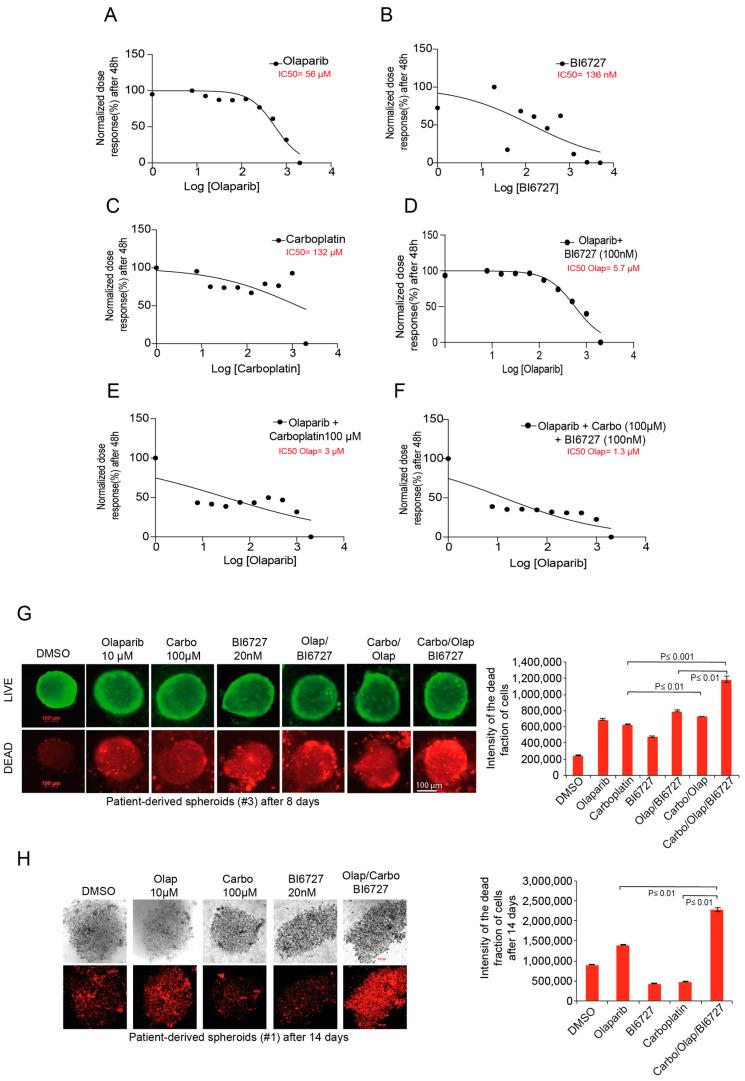
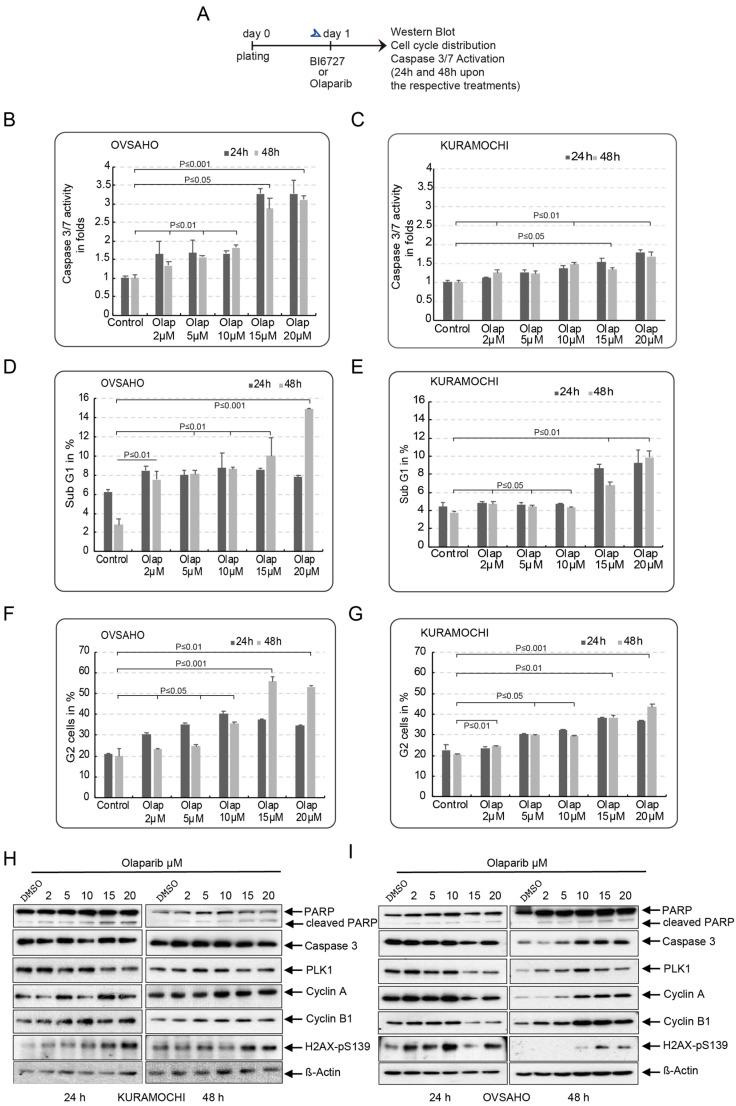
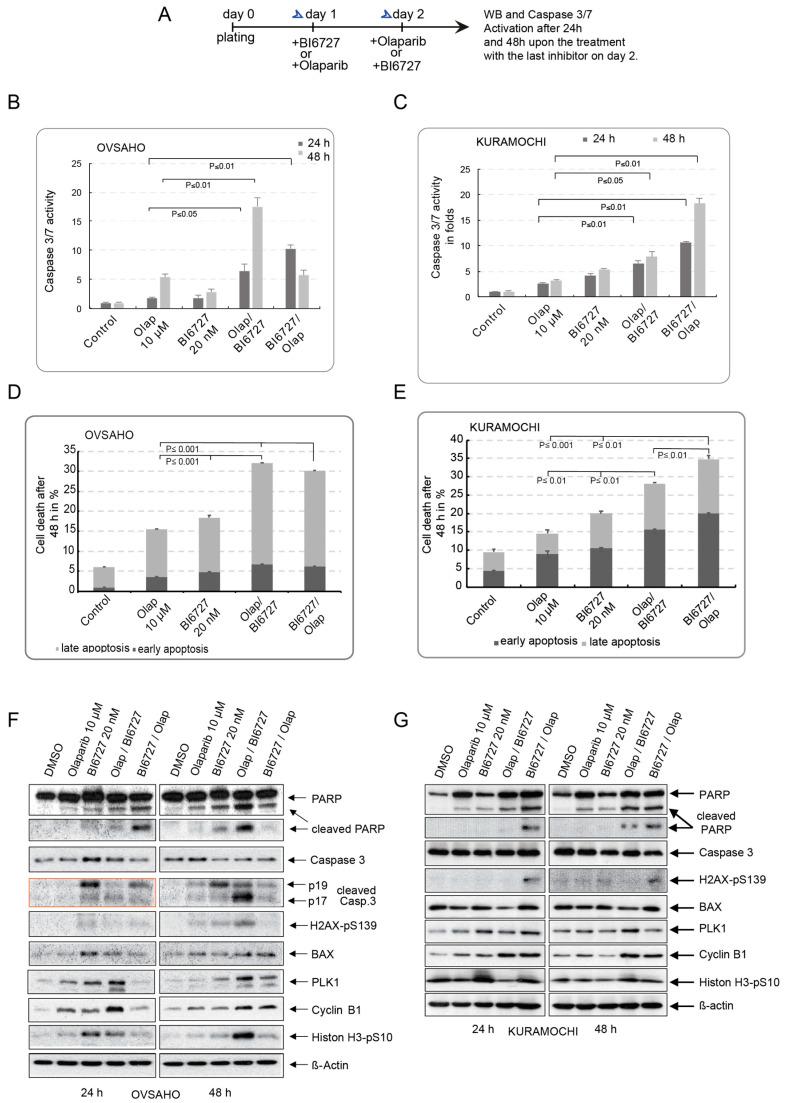
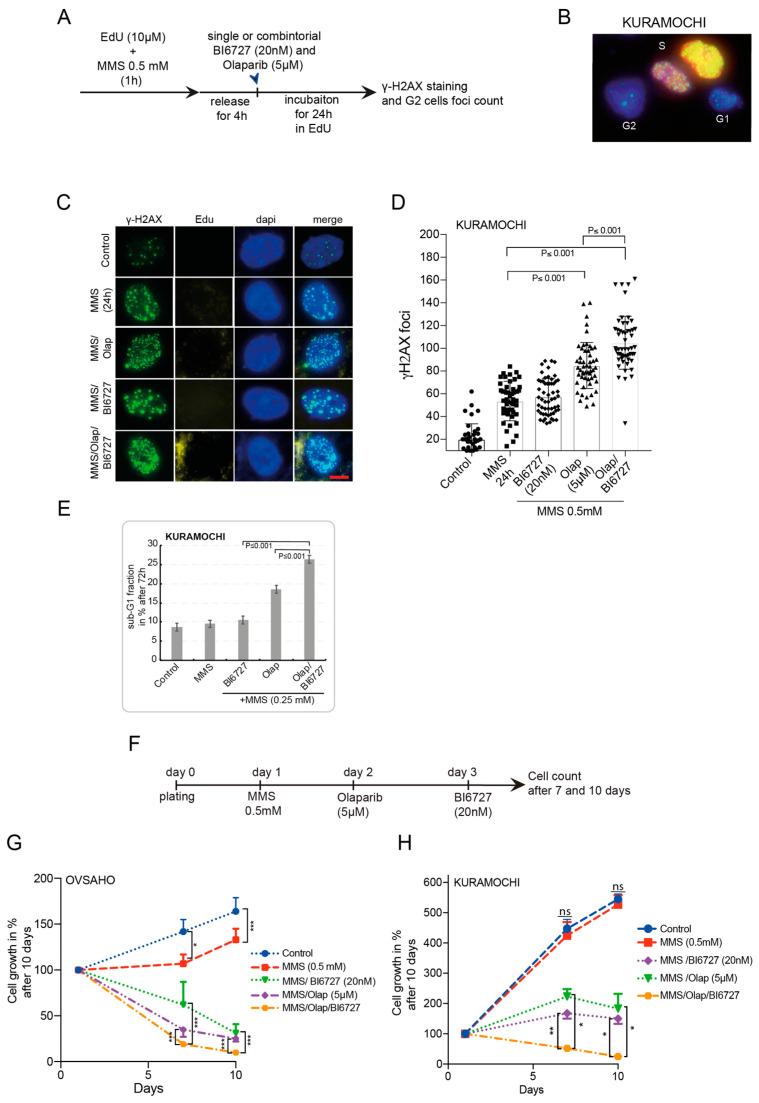
Ovarian cancer (OC) accounts for approximately 4% of cancer deaths in women worldwide and is the deadliest gynecologic malignancy. High-grade serous ovarian cancer (HGSOC) is the most predominant ovarian cancer, in which BRCA1/2 gene mutation ranges from 3 to 27%. PARP inhibitors (PARPi) have shown promising results as a synthetically lethal therapeutic approach for BRCA mutant and recurrent OC in clinical use. However, emerging data indicate that BRCA-deficient cancers may be resistant to PARPi, and the mechanisms of this resistance remain elusive. We found that amplification of KRAS likely underlies PARPi resistance in BRCA2-deficient HGSOC. Our data suggest that PLK1 inhibition restores sensitivity to PARPi in HGSOC with KRAS amplification. The sequential combination of PLK1 inhibitor (PLK1i) and PARPi drastically reduces HGSOC cell survival and increases apoptosis. Furthermore, we were able to show that a sequential combination of PLK1i and PARPi enhanced the cellular apoptotic response to carboplatin-based chemotherapy in KRAS-amplified resistant HGSOC cells and 3D spheroids derived from recurrent ovarian cancer patients. Our results shed new light on the critical role of PLK1 in reversing PARPi resistance in KRAS-amplified HGSOC, and offer a new therapeutic strategy for this class of ovarian cancer patients where only limited options currently exist.
卵巢癌(OC)约占全球女性癌症死亡人数的 4%,是最致命的妇科恶性肿瘤。高级别浆液性卵巢癌(HGSOC)是最常见的卵巢癌,其中 BRCA1/2 基因突变范围为 3%至 27%。PARP 抑制剂(PARPi)已被证明是一种有前途的合成致死治疗方法,可用于 BRCA 突变和复发性 OC 的临床应用。然而,新出现的数据表明,BRCA 缺陷型癌症可能对 PARPi 产生耐药性,而这种耐药性的机制仍不清楚。我们发现 KRAS 扩增可能是 BRCA2 缺陷型 HGSOC 中 PARPi 耐药的基础。我们的数据表明,PLK1 抑制可恢复 KRAS 扩增的 HGSOC 对 PARPi 的敏感性。PLK1 抑制剂(PLK1i)和 PARPi 的序贯联合大大降低了 HGSOC 细胞的存活并增加了细胞凋亡。此外,我们能够表明,PLK1i 和 PARPi 的序贯联合增强了 KRAS 扩增的耐药性 HGSOC 细胞和源自复发性卵巢癌患者的 3D 球体对基于卡铂的化疗的细胞凋亡反应。我们的研究结果为 PLK1 在逆转 KRAS 扩增的 HGSOC 中 PARPi 耐药方面的关键作用提供了新的认识,并为这一类卵巢癌患者提供了新的治疗策略,目前此类患者的治疗选择有限。


 Zotero 插件