Center for Cancer Research, Department of Medicine, Massachusetts General Hospital, Boston, MA, USA; Broad Institute of MIT and Harvard, Cambridge, MA, USA; Program in Health Sciences and Technology, Harvard Medical School & Massachusetts Institute of Technology, Boston, MA, USA.
Center for Cancer Research, Department of Medicine, Massachusetts General Hospital, Boston, MA, USA; Broad Institute of MIT and Harvard, Cambridge, MA, USA.
Cell Rep Med. 2022 Oct 18;3(10):100779. doi: 10.1016/j.xcrm.2022.100779. Epub 2022 Sep 26.
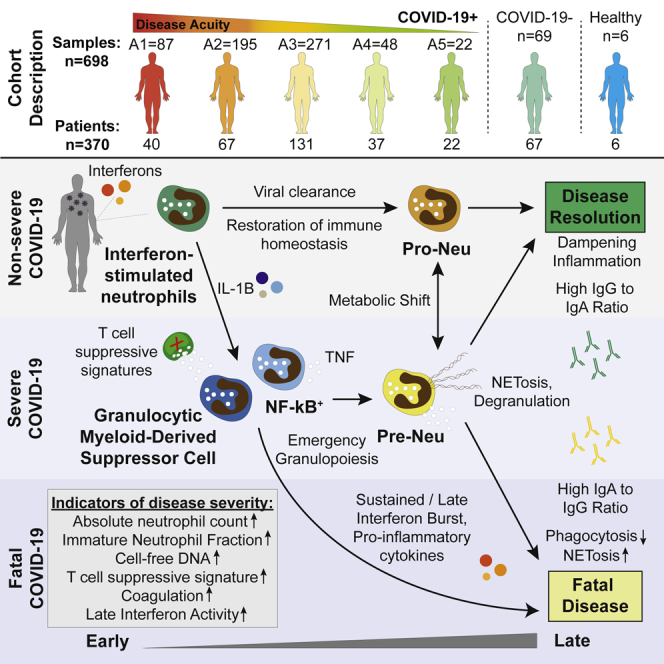
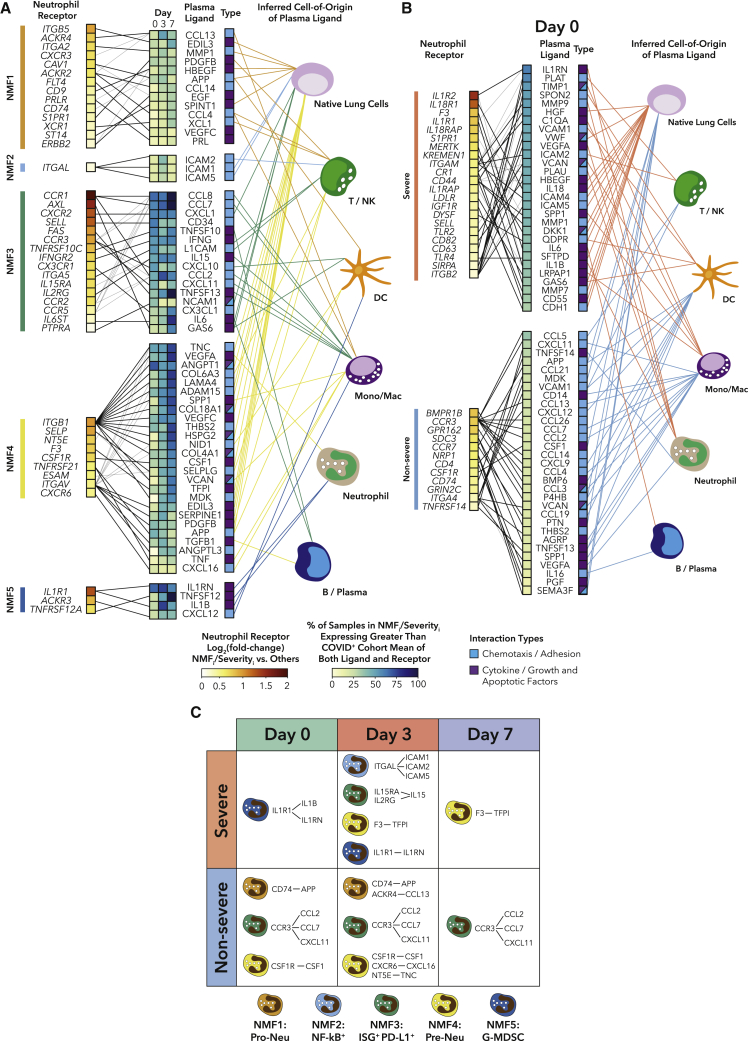
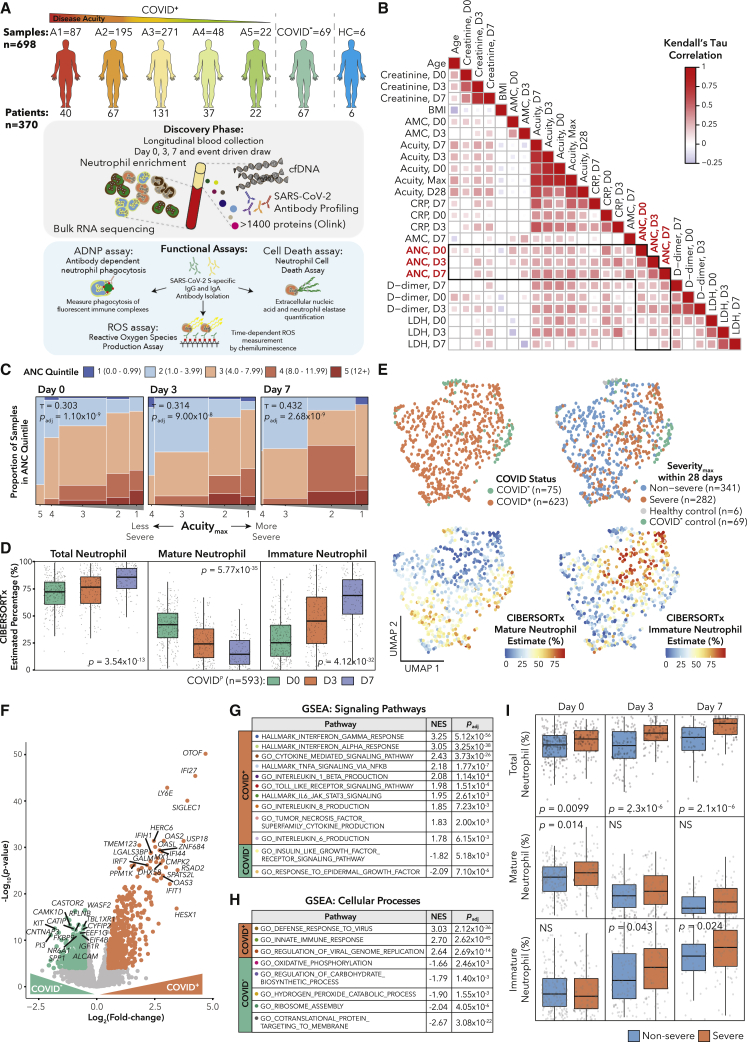
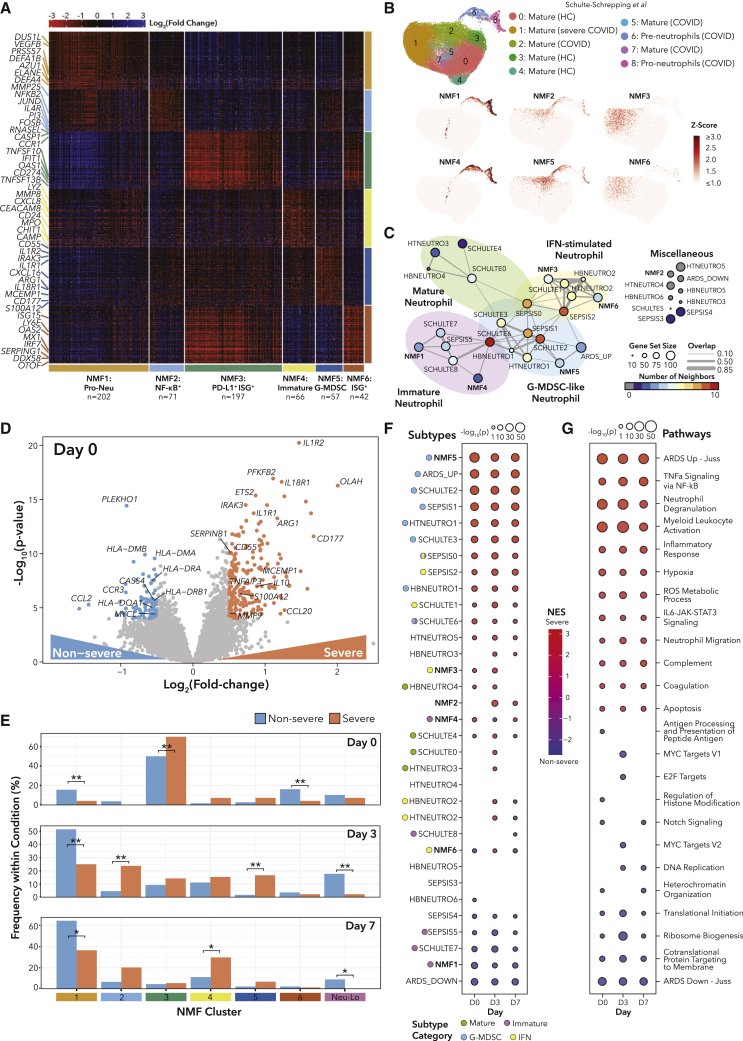
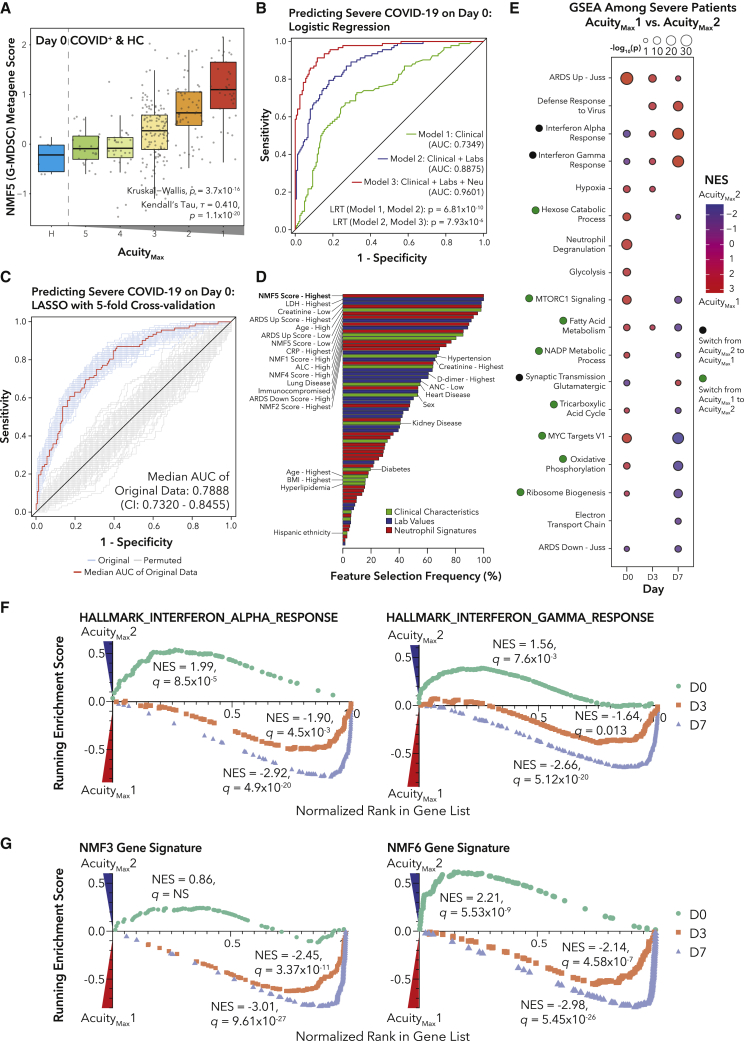
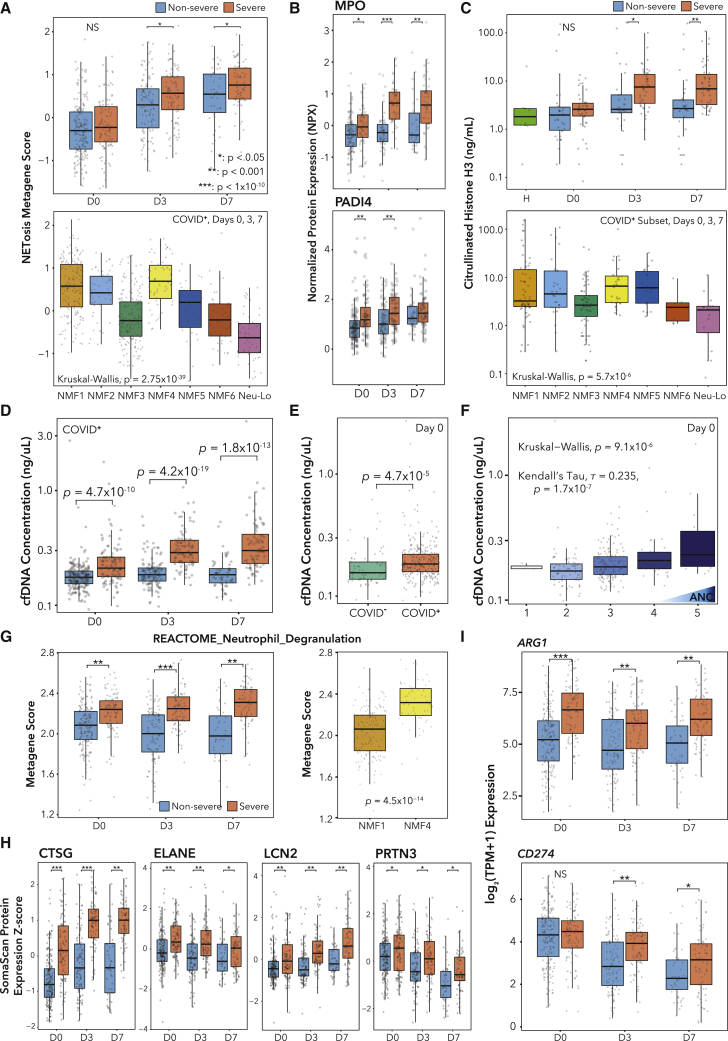
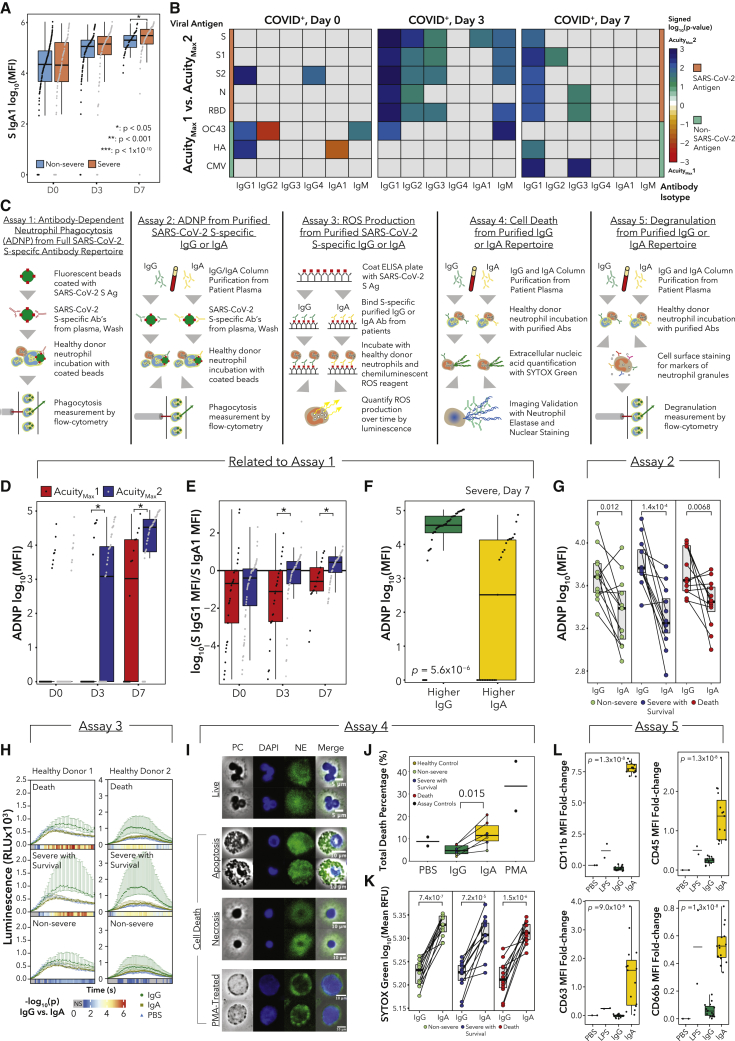
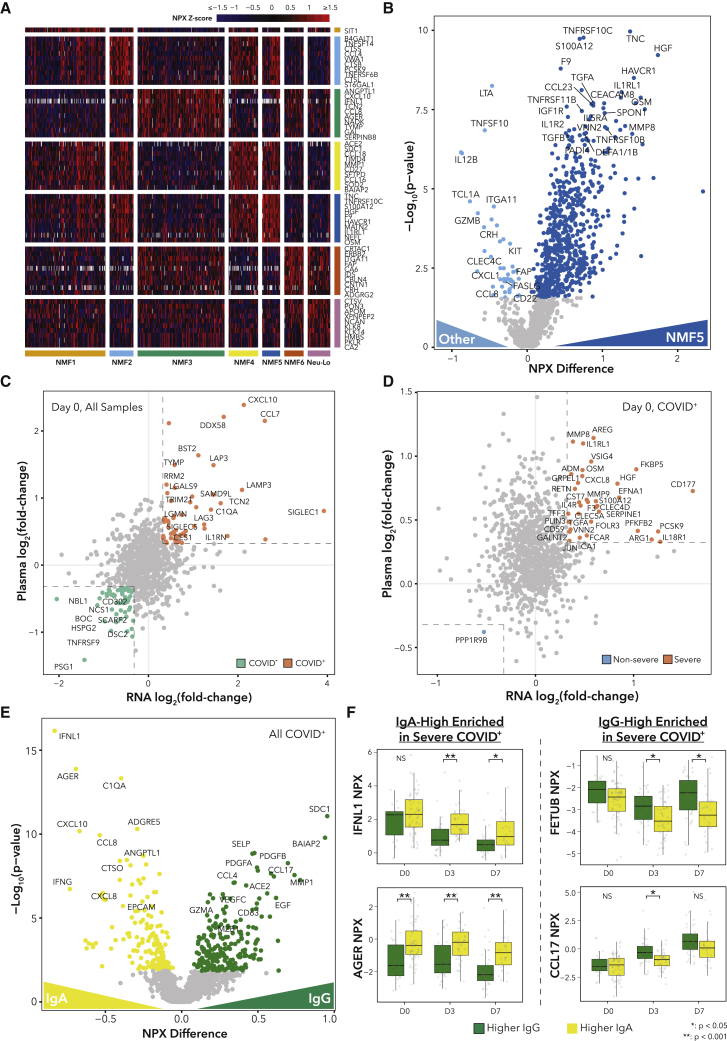
Mechanisms of neutrophil involvement in severe coronavirus disease 2019 (COVID-19) remain incompletely understood. Here, we collect longitudinal blood samples from 306 hospitalized COVID-19 patients and 86 controls and perform bulk RNA sequencing of enriched neutrophils, plasma proteomics, and high-throughput antibody profiling to investigate relationships between neutrophil states and disease severity. We identify dynamic switches between six distinct neutrophil subtypes. At days 3 and 7 post-hospitalization, patients with severe disease display a granulocytic myeloid-derived suppressor cell-like gene expression signature, while patients with resolving disease show a neutrophil progenitor-like signature. Humoral responses are identified as potential drivers of neutrophil effector functions, with elevated severe acute respiratory syndrome coronavirus 2 (SARS-CoV-2)-specific immunoglobulin G1 (IgG1)-to-IgA1 ratios in plasma of severe patients who survived. In vitro experiments confirm that while patient-derived IgG antibodies induce phagocytosis in healthy donor neutrophils, IgA antibodies predominantly induce neutrophil cell death. Overall, our study demonstrates a dysregulated myelopoietic response in severe COVID-19 and a potential role for IgA-dominant responses contributing to mortality.
中性粒细胞在严重 2019 冠状病毒病(COVID-19)中的作用机制仍不完全清楚。在这里,我们收集了 306 名住院 COVID-19 患者和 86 名对照者的纵向血液样本,并对富集的中性粒细胞进行了批量 RNA 测序、血浆蛋白质组学和高通量抗体分析,以研究中性粒细胞状态与疾病严重程度之间的关系。我们确定了六种不同中性粒细胞亚型之间的动态转换。在住院后第 3 天和第 7 天,重症患者表现出粒细胞髓系来源抑制细胞样基因表达特征,而缓解患者则表现出中性粒细胞祖细胞样特征。体液反应被确定为中性粒细胞效应功能的潜在驱动因素,在幸存的重症患者的血浆中,严重急性呼吸综合征冠状病毒 2(SARS-CoV-2)特异性免疫球蛋白 G1(IgG1)与 IgA1 的比值升高。体外实验证实,虽然患者来源的 IgG 抗体诱导健康供体中性粒细胞的吞噬作用,但 IgA 抗体主要诱导中性粒细胞死亡。总体而言,我们的研究表明严重 COVID-19 中存在失调的髓样生成反应,以及 IgA 主导的反应可能导致死亡率增加。