Institute for Clinical and Molecular Virology, FAU Erlangen-Nürnberg, 91054 Erlangen, Germany.
Division of Bioinformatics, Institute of Biochemistry, FAU Erlangen-Nürnberg, 91054 Erlangen, Germany.
Int J Mol Sci. 2022 Oct 5;23(19):11814. doi: 10.3390/ijms231911814.
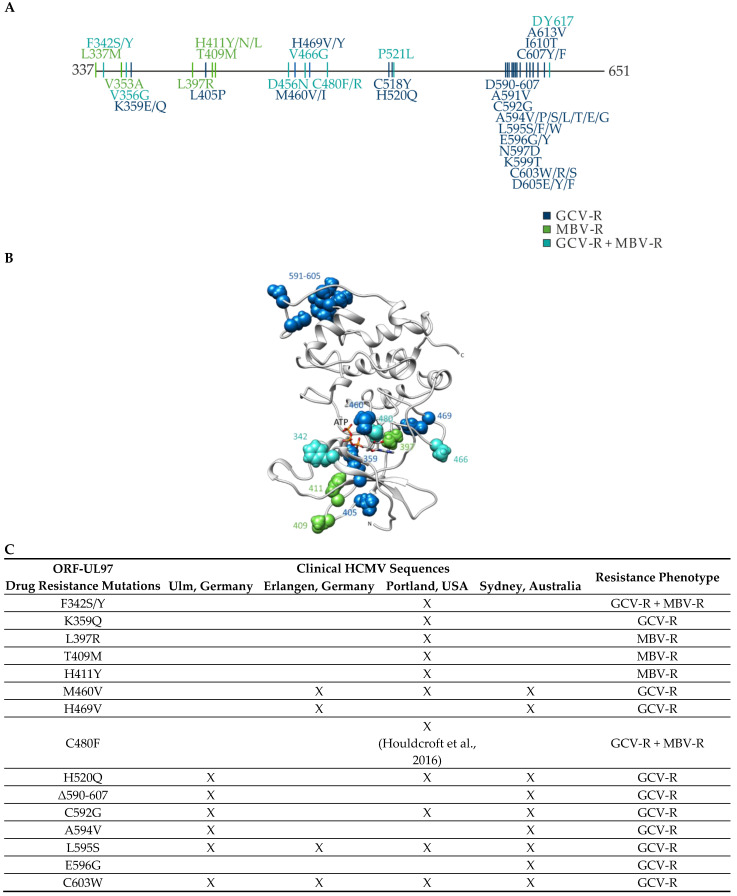
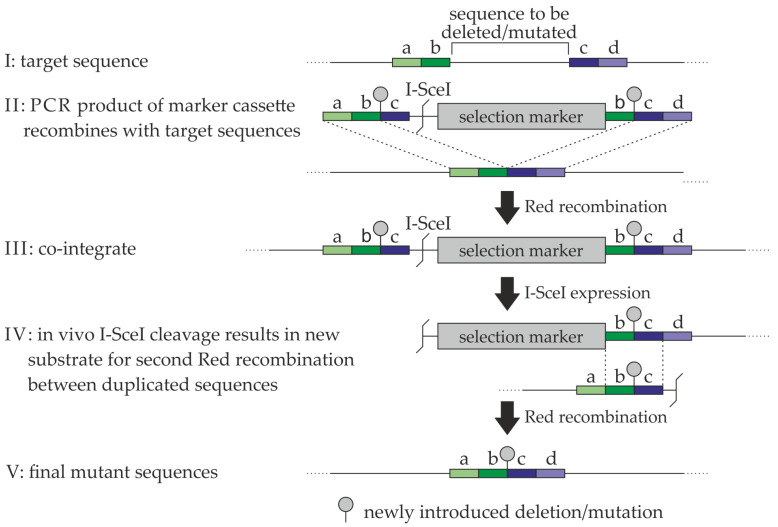
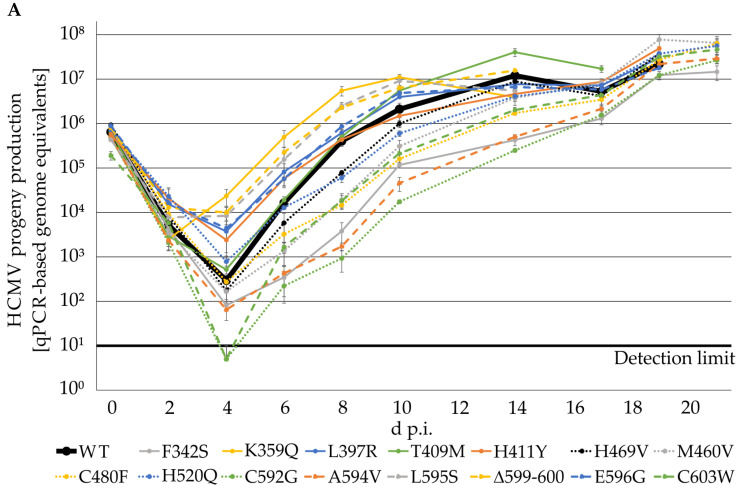
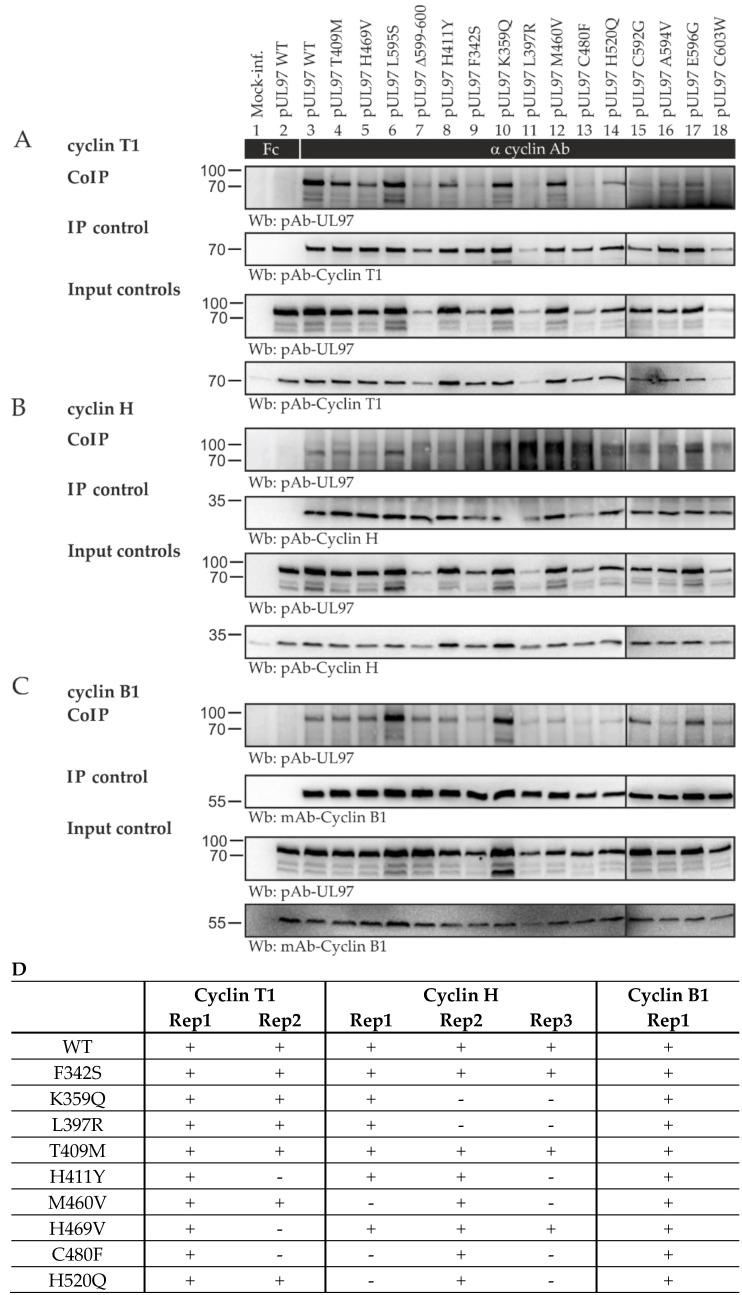
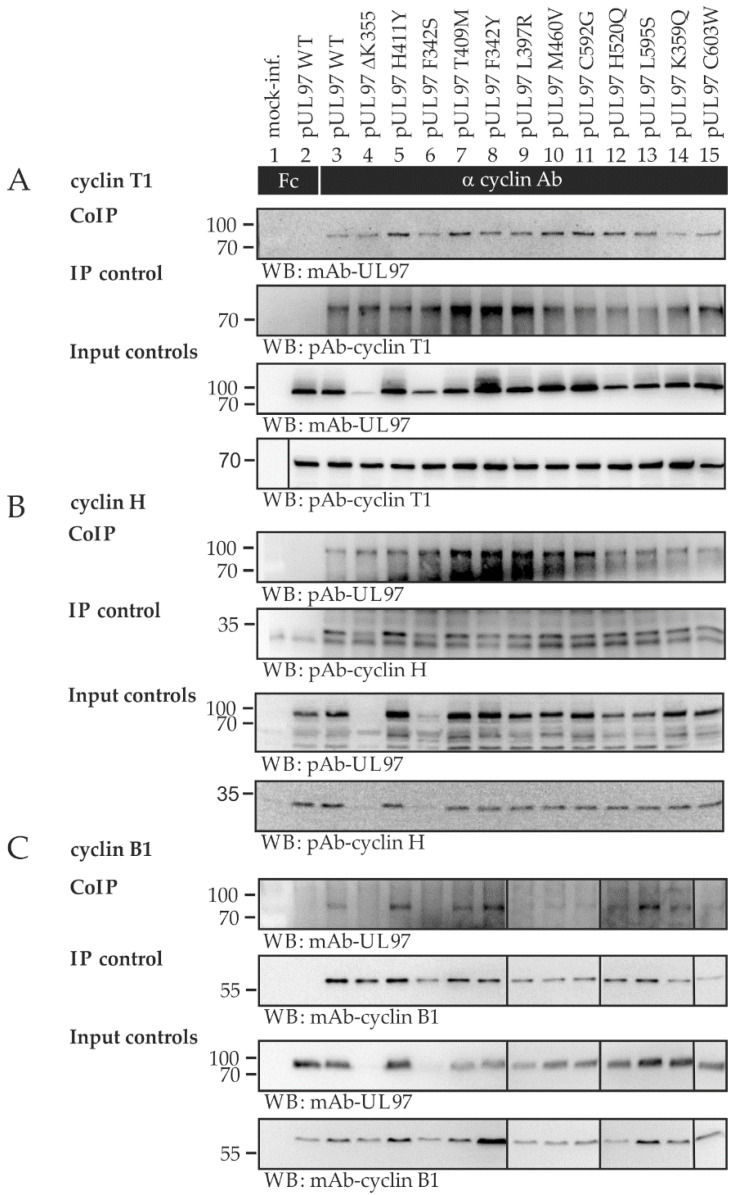
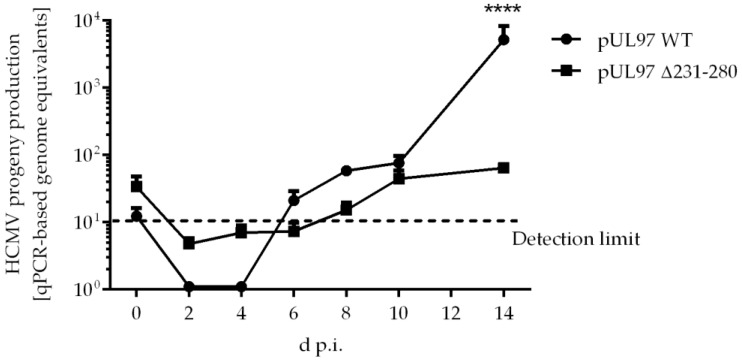
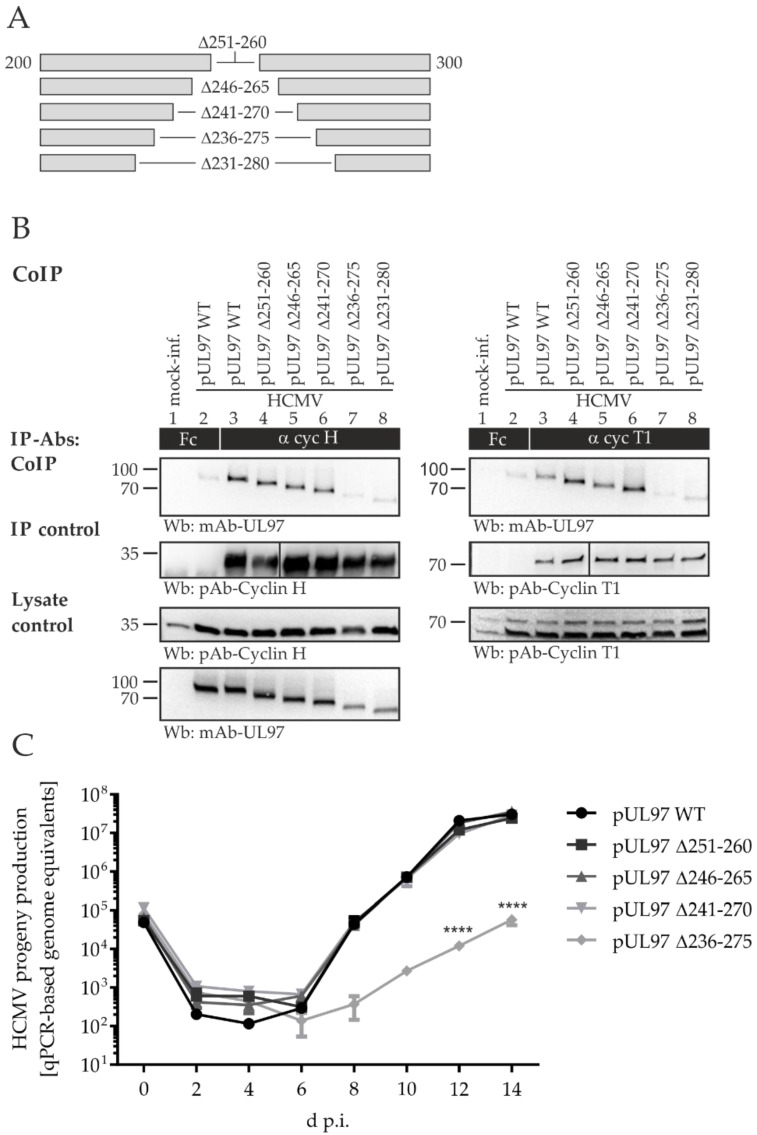
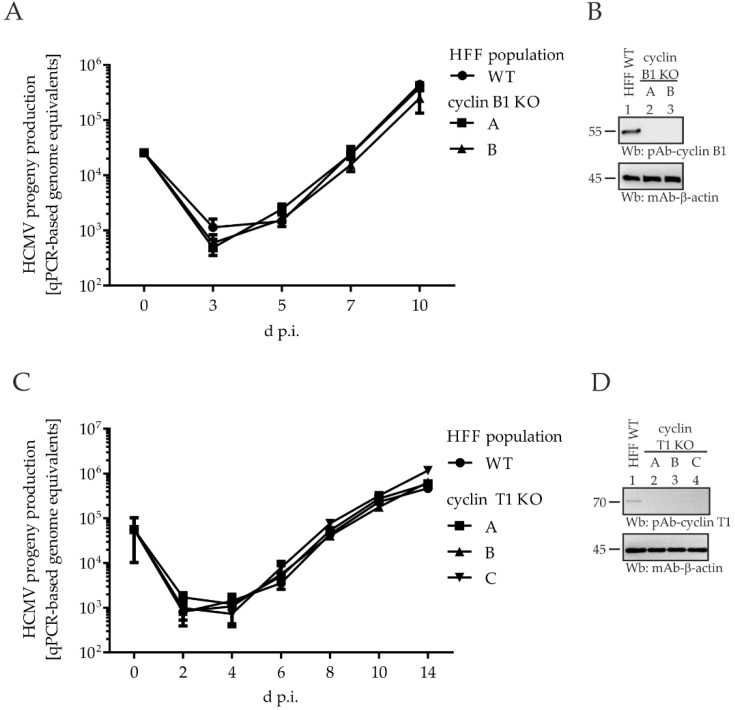
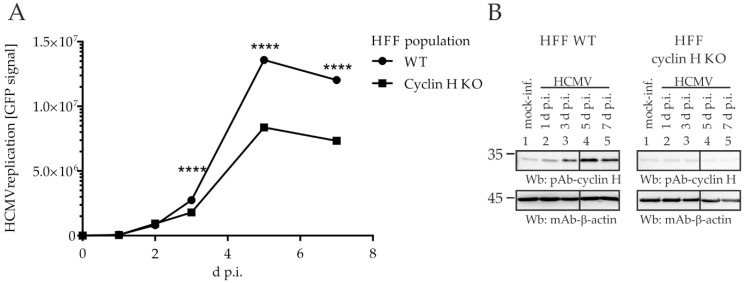
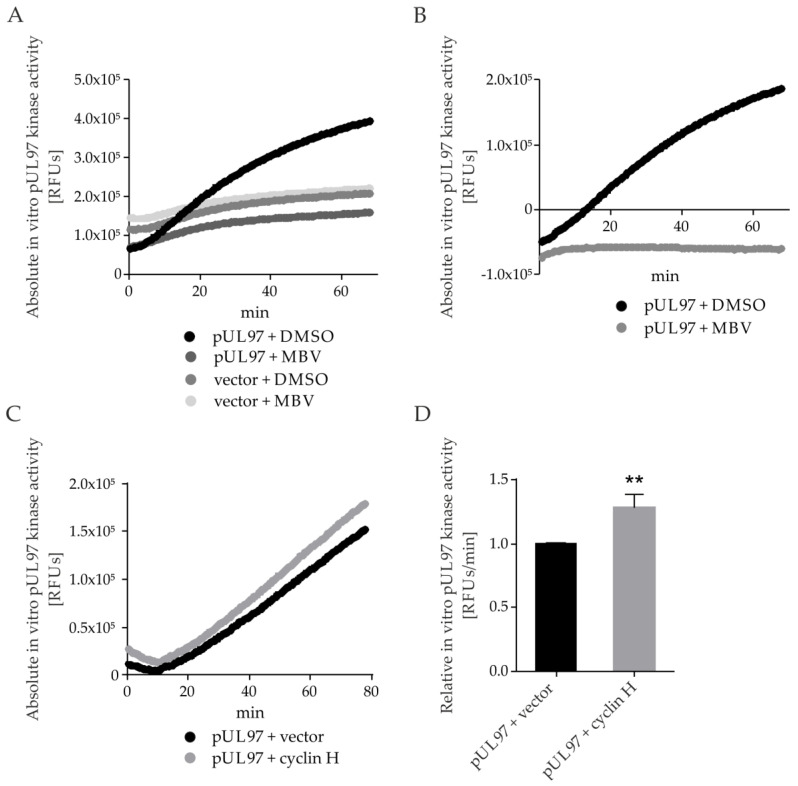
The complex host interaction network of human cytomegalovirus (HCMV) involves the regulatory protein kinase pUL97, which represents a viral cyclin-dependent kinase (CDK) ortholog. pUL97 interacts with the three human cyclin types T1, H, and B1, whereby the binding region of cyclin T1 and the pUL97 oligomerization region were both assigned to amino acids 231-280. We further addressed the question of whether HCMVs harboring mutations in ORF-UL97, i.e., short deletions or resistance-conferring point mutations, are affected in the interaction with human cyclins and viral replication. To this end, clinically relevant UL97 drug-resistance-conferring mutants were analyzed by whole-genome sequencing and used for genetic marker transfer experiments. The recombinant HCMVs indicated conservation of pUL97-cyclin interaction, since all viral UL97 point mutants continued to interact with the analyzed cyclin types and exerted wild-type-like replication fitness. In comparison, recombinant HCMVs UL97 Δ231-280 and also the smaller deletion Δ236-275, but not Δ241-270, lost interaction with cyclins T1 and H, showed impaired replication efficiency, and also exhibited reduced kinase activity. Moreover, a cellular knock-out of cyclins B1 or T1 did not alter HCMV replication phenotypes or pUL97 kinase activity, possibly indicating alternative, compensatory pUL97-cyclin interactions. In contrast, however, cyclin H knock-out, similar to virus deletion mutants in the pUL97-cyclin H binding region, exhibited strong defective phenotypes of HCMV replication, as supported by reduced pUL97 kinase activity in a cyclin H-dependent coexpression setting. Thus, cyclin H proved to be a very relevant determinant of pUL97 kinase activity and viral replication efficiency. As a conclusion, the results provide evidence for the functional importance of pUL97-cyclin interaction. High selective pressure on the formation of pUL97-cyclin complexes was identified by the use of clinically relevant mutants.
人类巨细胞病毒(HCMV)的复杂宿主相互作用网络涉及调节蛋白激酶 pUL97,它代表了一种病毒细胞周期蛋白依赖性激酶(CDK)同源物。pUL97 与三种人类细胞周期蛋白 T1、H 和 B1 相互作用,其中细胞周期蛋白 T1 的结合区域和 pUL97 寡聚化区域均被分配到氨基酸 231-280。我们进一步探讨了是否存在 ORF-UL97 突变的 HCMV,即短缺失或耐药性赋予点突变,是否会影响与人类细胞周期蛋白的相互作用和病毒复制。为此,通过全基因组测序分析了具有临床相关性的 UL97 耐药性赋予突变体,并将其用于遗传标记转移实验。重组 HCMV 表明 pUL97-细胞周期蛋白相互作用得到了保留,因为所有病毒 UL97 点突变体继续与分析的细胞周期蛋白类型相互作用,并发挥出类似于野生型的复制适应性。相比之下,重组 HCMV UL97 Δ231-280 以及较小的缺失 Δ236-275,但不是 Δ241-270,与细胞周期蛋白 T1 和 H 失去相互作用,表现出复制效率降低,并且激酶活性降低。此外,细胞周期蛋白 B1 或 T1 的敲除不会改变 HCMV 复制表型或 pUL97 激酶活性,可能表明存在替代的、补偿性的 pUL97-细胞周期蛋白相互作用。然而,相反,细胞周期蛋白 H 的敲除,类似于 pUL97-细胞周期蛋白 H 结合区域的病毒缺失突变体,表现出 HCMV 复制的强烈缺陷表型,这在细胞周期蛋白 H 依赖性共表达设置中 pUL97 激酶活性降低的情况下得到支持。因此,细胞周期蛋白 H 被证明是 pUL97 激酶活性和病毒复制效率的非常重要决定因素。通过使用具有临床相关性的突变体,鉴定了对 pUL97-细胞周期蛋白复合物形成的高选择性压力。