Centro de Investigación en Dinámica Celular, Instituto de Investigación en Ciencias Básicas y Aplicadas, Universidad Autónoma del Estado de Morelos, Cuernavaca, Mexico.
Department of Viral Transformation, Leibniz Institute of Virology, Hamburg, Germany.
Front Cell Infect Microbiol. 2022 Sep 27;12:1016200. doi: 10.3389/fcimb.2022.1016200. eCollection 2022.
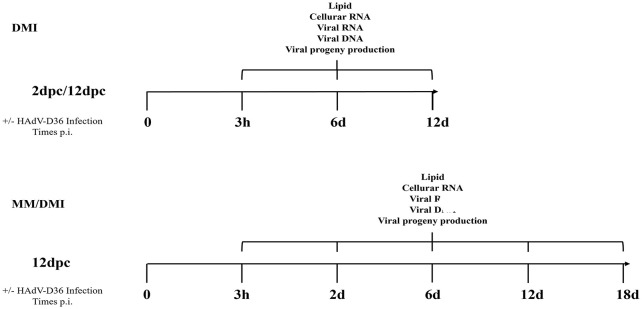
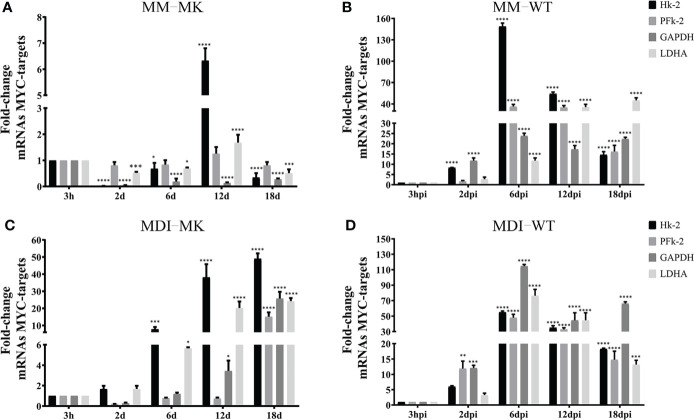
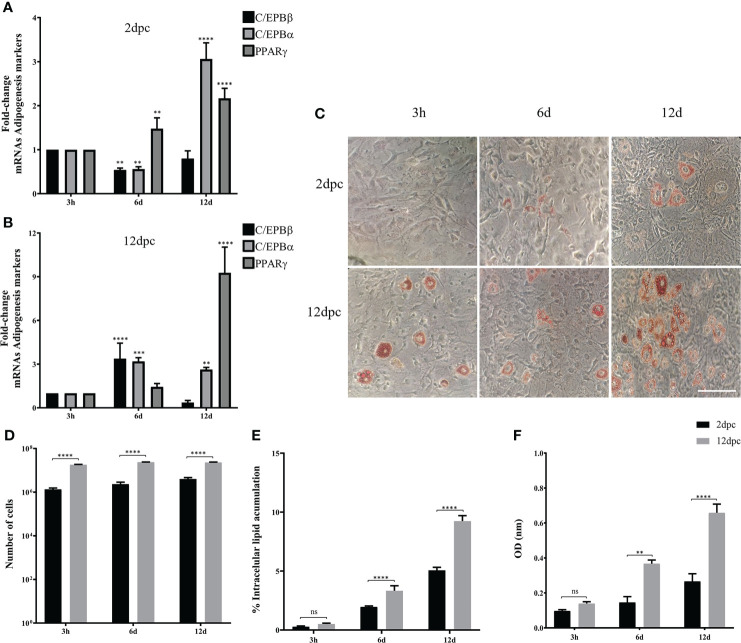
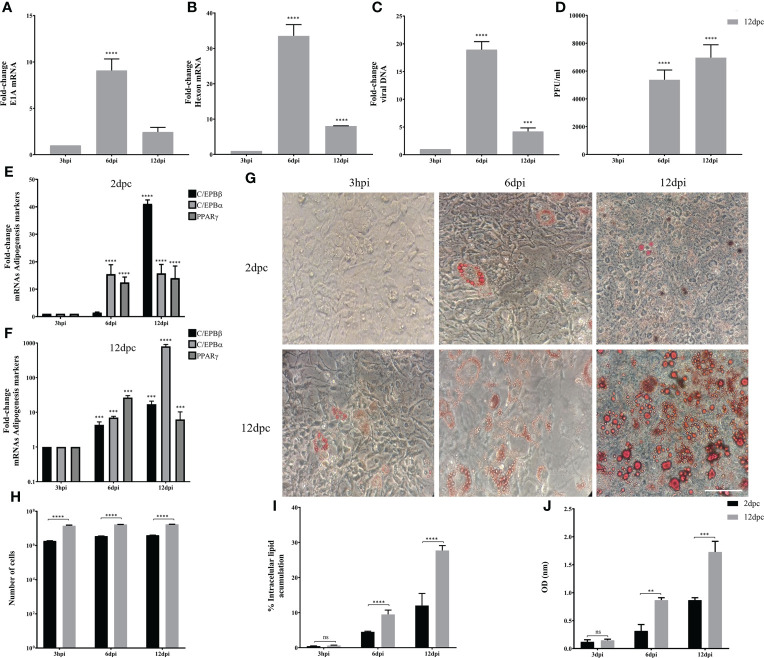
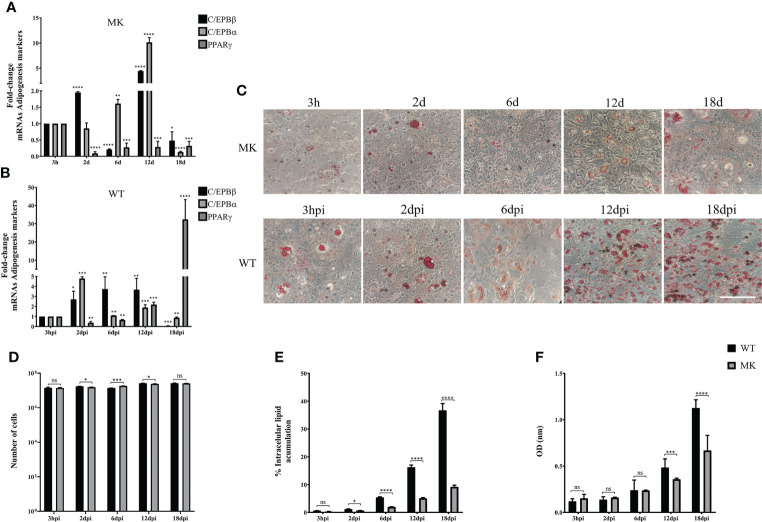
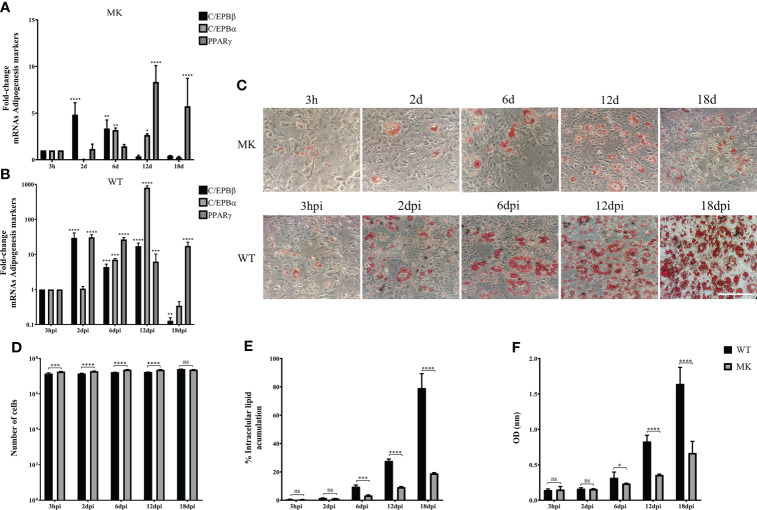
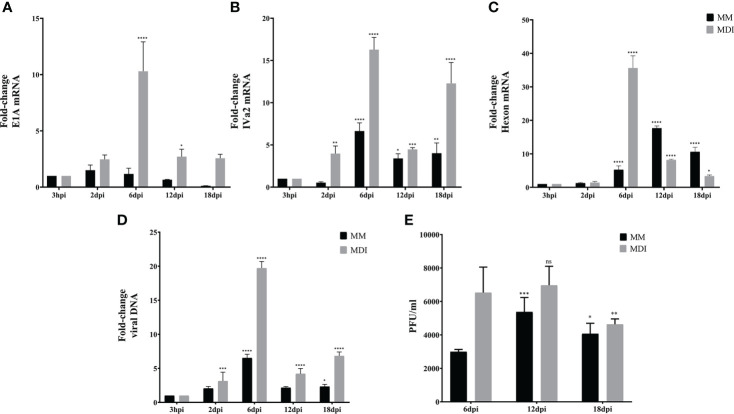
Human adenovirus 36 (HAdV-D36) can cause obesity in animal models, induces an adipogenic effect and increased adipocyte differentiation in cell culture. HAdV-D36 infection alters gene expression and the metabolism of the infected cells resulting in increased glucose internalization and triglyceride accumulation. Although HAdV-D36 prevalence correlates with obesity in humans, whether human preadipocytes may be targeted has not been determined and metabolic reprogramming of preadipocytes has not been explored in the context of the viral replication cycle. HAdV-D36 infection of the mouse fibroblasts, 3T3-L1 cells, which can differentiate into adipocytes, promotes proliferation and differentiation, but replication of the virus in these cells is abortive as indicated by short-lived transient expression of viral mRNA and a progressive loss of viral DNA. Therefore, we have evaluated whether a productive viral replication cycle can be established in the 3T3-L1 preadipocyte model under conditions that drive the cell differentiation process. For this purpose, viral mRNA levels and viral DNA replication were measured by RT-qPCR and qPCR, respectively, and viral progeny production was determined by plaque assay. The lipogenic effect of infection was evaluated with Oil Red O (ORO) staining, and expression of genes that control lipid and glucose metabolism was measured by RT-qPCR. In the context of a viral productive cycle, HAdV-D36 modulated the expression of the adipogenic genes, C/EBPα, C/EBPβ and PPARγ, as well as intracellular lipid accumulation, and the infection was accompanied by altered expression of glucolytic genes. The results show that only adipocyte-committed 3T3-L1 cells are permissive for the expression of early and late viral mRNAs, as well as viral DNA replication and progeny production, supporting productive HAdV-D36 viral replication, indicating that a greater effect on adipogenesis occurs in adipocytes that support productive viral replication.
人腺病毒 36(HAdV-D36)可在动物模型中引起肥胖,在细胞培养中诱导脂肪生成作用和增加脂肪细胞分化。HAdV-D36 感染改变了感染细胞的基因表达和代谢,导致葡萄糖内吞和甘油三酯积累增加。尽管 HAdV-D36 的流行与人类肥胖相关,但人类前脂肪细胞是否可能成为靶标尚未确定,并且在病毒复制周期的背景下,前脂肪细胞的代谢重编程尚未得到探索。HAdV-D36 感染可分化为脂肪细胞的小鼠成纤维细胞 3T3-L1 细胞,促进增殖和分化,但病毒在这些细胞中的复制是流产的,表现为病毒 mRNA 的短暂瞬时表达和病毒 DNA 的逐渐丧失。因此,我们评估了在驱动细胞分化过程的条件下,3T3-L1 前脂肪细胞模型中是否可以建立有复制能力的病毒复制周期。为此,通过 RT-qPCR 和 qPCR 分别测量病毒 mRNA 水平和病毒 DNA 复制,通过噬菌斑测定确定病毒子代产生。通过油红 O(ORO)染色评估感染的脂生成作用,通过 RT-qPCR 测量控制脂质和葡萄糖代谢的基因的表达。在病毒有复制能力的周期中,HAdV-D36 调节了脂肪生成基因 C/EBPα、C/EBPβ 和 PPARγ 的表达以及细胞内脂质积累,感染伴随着糖酵解基因表达的改变。结果表明,只有脂肪细胞定向的 3T3-L1 细胞允许早期和晚期病毒 mRNA 的表达,以及病毒 DNA 复制和子代产生,支持 HAdV-D36 病毒的有复制能力的复制,表明在支持有复制能力的病毒复制的脂肪细胞中,脂肪生成发生了更大的变化。