
使用森林象粪便样本优化十六烷基三甲基溴化铵(CTAB)DNA提取方案。
Optimization of the Cetyltrimethylammonium bromide (CTAB) DNA extraction protocol using forest elephant dung samples.
作者信息
Kouakou Jean-Louis, Gonedelé-Bi Sery, Assamoi Jean-Baptiste, Assanvo N'Guetta Simon-Pierre
机构信息
Laboratoire de Biotechnologie, Agriculture et Valorisation des Ressources Biologiques, Université Félix Houphouët-Boigny d'Abidjan-Cocody, Côte d'Ivoire; 22, BP 582 Abidjan, Côte d'Ivoire.
Centre Suisse de Recherches Scientifiques en Côte d'Ivoire; 01 BP 1303 Abidjan 01, Côte d'Ivoire.
出版信息
MethodsX. 2022 Sep 19;9:101867. doi: 10.1016/j.mex.2022.101867. eCollection 2022.
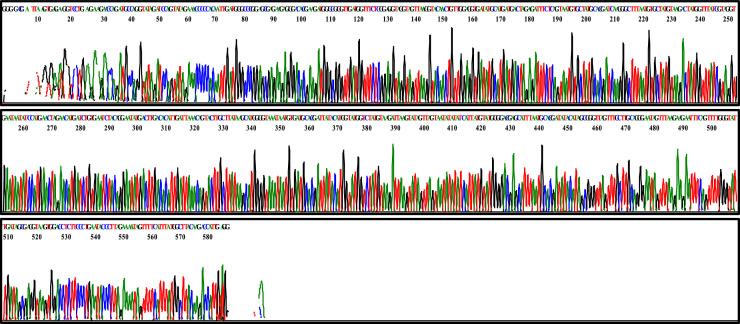
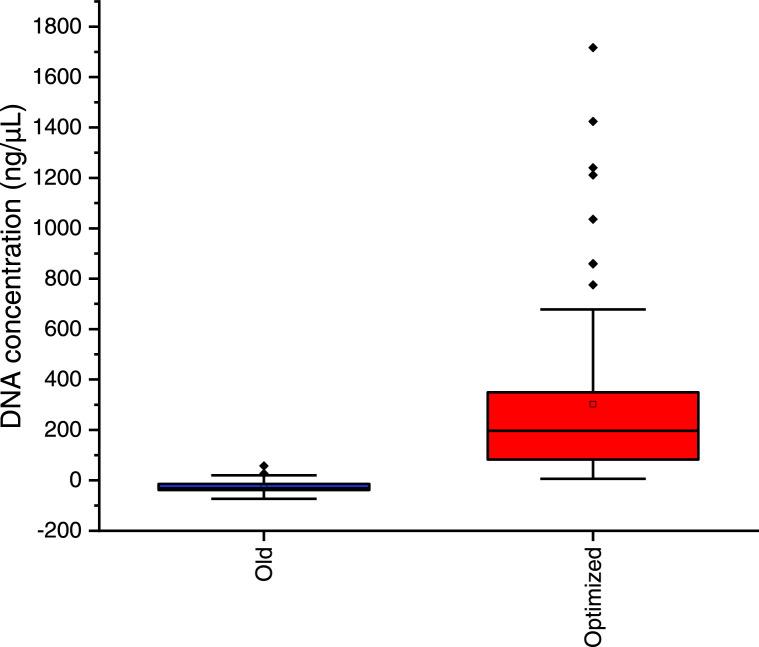
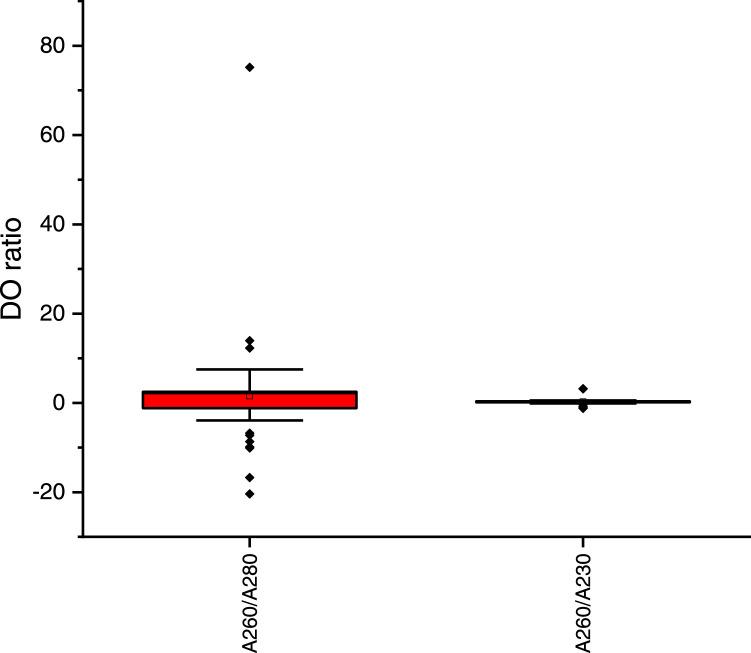
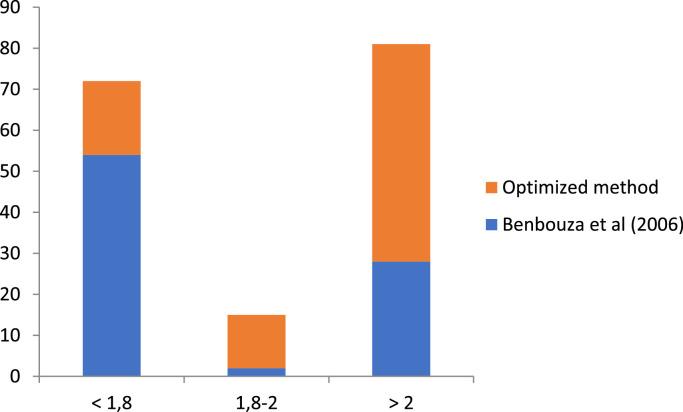
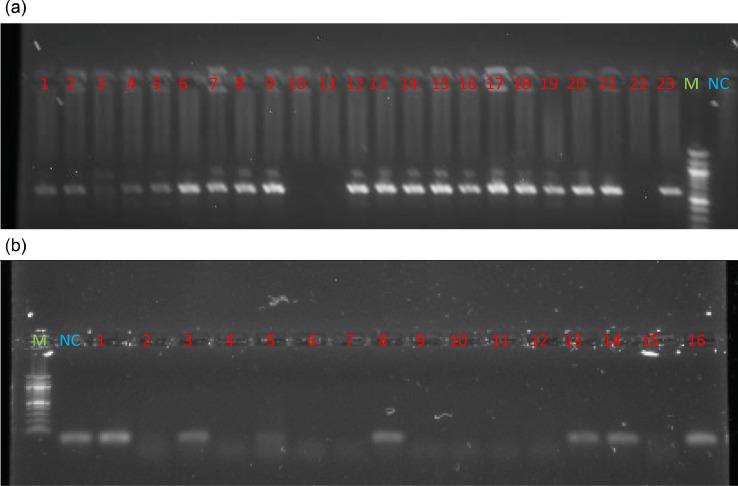
Among non-invasive biological samples, feces offer an important source of DNA and can easily be collected. However, working with fecal DNA from highly vegetarians species such as elephant is more challenging because plant secondary compounds have an inhibitory effect on PCR reactions. Working with forest elephant dung samples, we tested and adapted a protocol of DNA extraction developed on plants based on the Cetyltrimethylammonium bromide (CTAB) protocol. The protocol is relatively simple and yields a high DNA concentration. It is five-time less expensive compared to the methods of Benbouza et al. The extracted DNA is of good quality and easily amplified by PCR. The high-amplification percentage of mitochondrial genes in fecal DNA and subsequent sequencing of PCR products indicate that the proposed optimized method is reliable for molecular analysis of forest elephant dung samples.•Our optimized CTAB protocol has been adjusted by the addition of Sodium Dodecyl Sulfate (SDS) and proteinase K during the lysis phase. The combined effect of these reagents was capable of lysing cell walls and removing proteins efficiently.•Moreover, the prolonged time of incubation (overnight incubation at room temperature followed by 3 hours of incubation in a water bath) enhanced the increase of DNA yield but make the optimized protocol more time-consuming.
在非侵入性生物样本中,粪便提供了重要的DNA来源且易于采集。然而,处理来自高度素食物种(如大象)的粪便DNA更具挑战性,因为植物次生化合物对PCR反应有抑制作用。在处理森林象粪便样本时,我们测试并调整了一种基于十六烷基三甲基溴化铵(CTAB)法开发的、用于植物的DNA提取方案。该方案相对简单,DNA产量高。与Benbouza等人的方法相比,成本降低了五倍。提取的DNA质量良好,易于通过PCR扩增。粪便DNA中线粒体基因的高扩增率以及随后PCR产物的测序表明,所提出的优化方法对于森林象粪便样本的分子分析是可靠的。
•我们优化的CTAB方案在裂解阶段添加了十二烷基硫酸钠(SDS)和蛋白酶K进行了调整。这些试剂的联合作用能够有效裂解细胞壁并去除蛋白质。
•此外,延长孵育时间(室温过夜孵育,随后在水浴中孵育3小时)提高了DNA产量,但使优化方案更耗时。



 Zotero 插件