Aging and Metabolism Research Program, Oklahoma Medical Research Foundation, Oklahoma City, OK, 73104, United States; Oklahoma City VA Medical Center, Oklahoma City, OK, 73104, United States.
Aging and Metabolism Research Program, Oklahoma Medical Research Foundation, Oklahoma City, OK, 73104, United States.
Redox Biol. 2022 Nov;57:102518. doi: 10.1016/j.redox.2022.102518. Epub 2022 Oct 20.
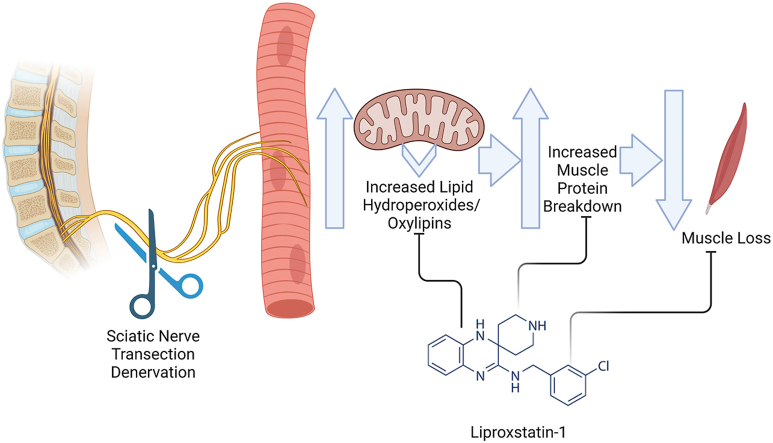
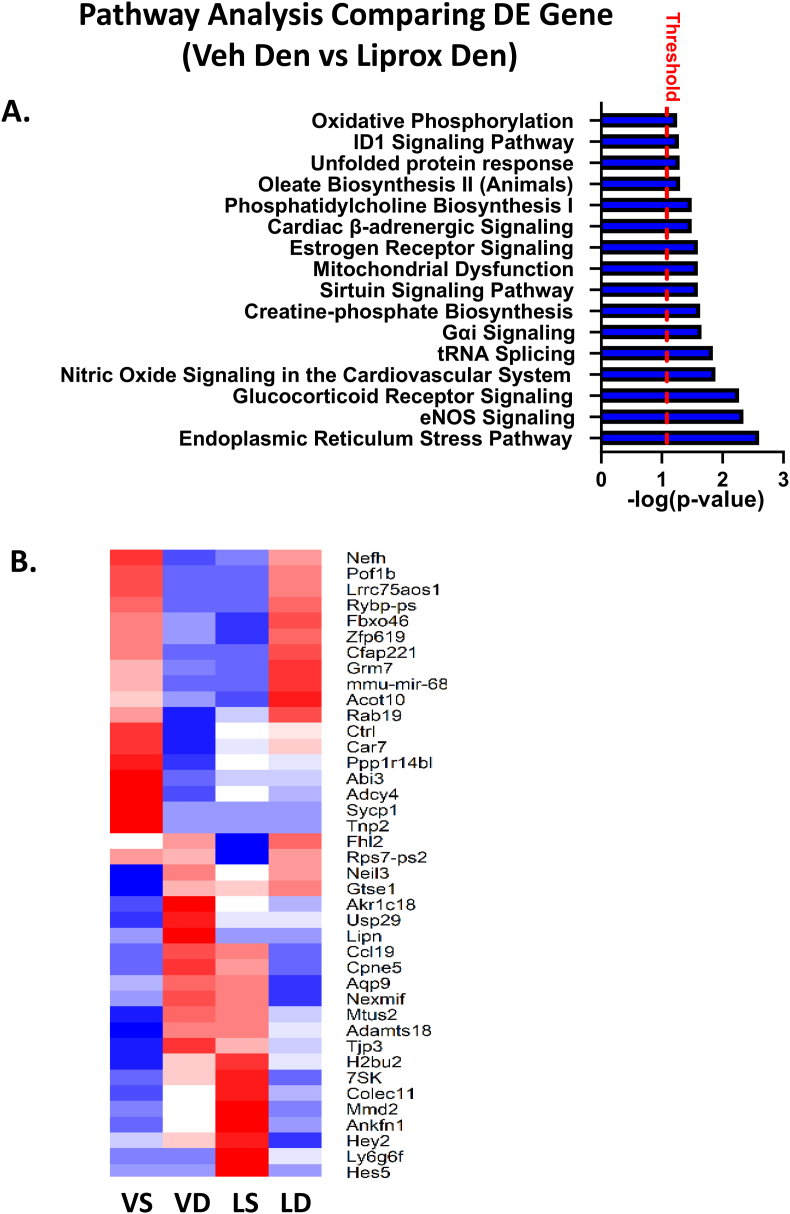
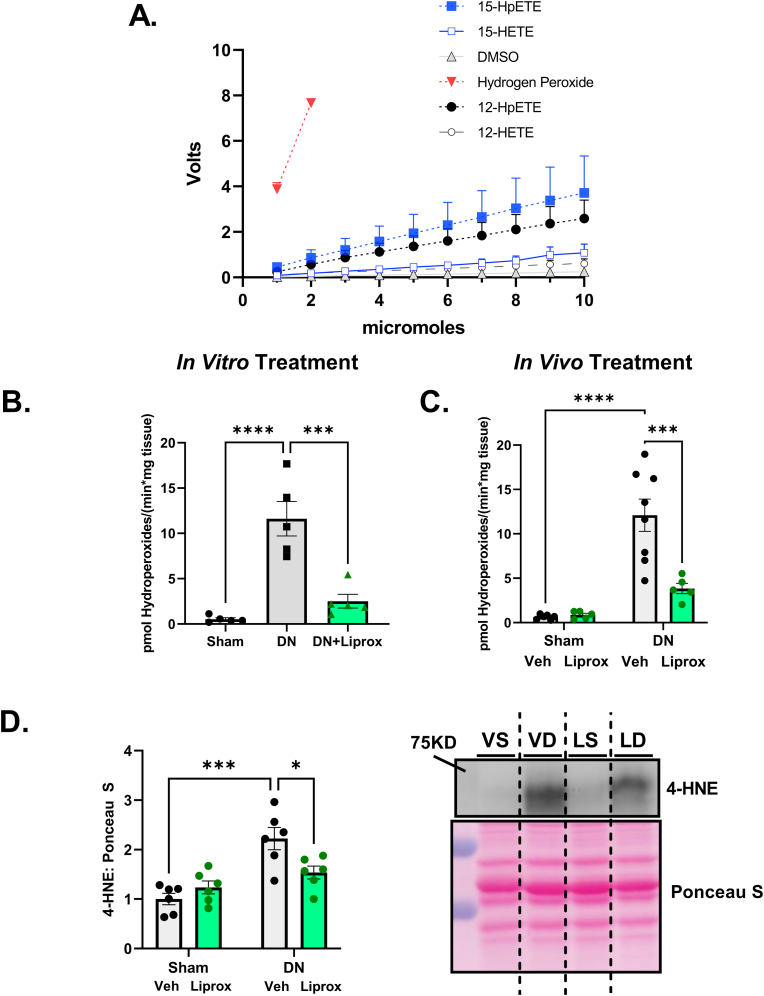
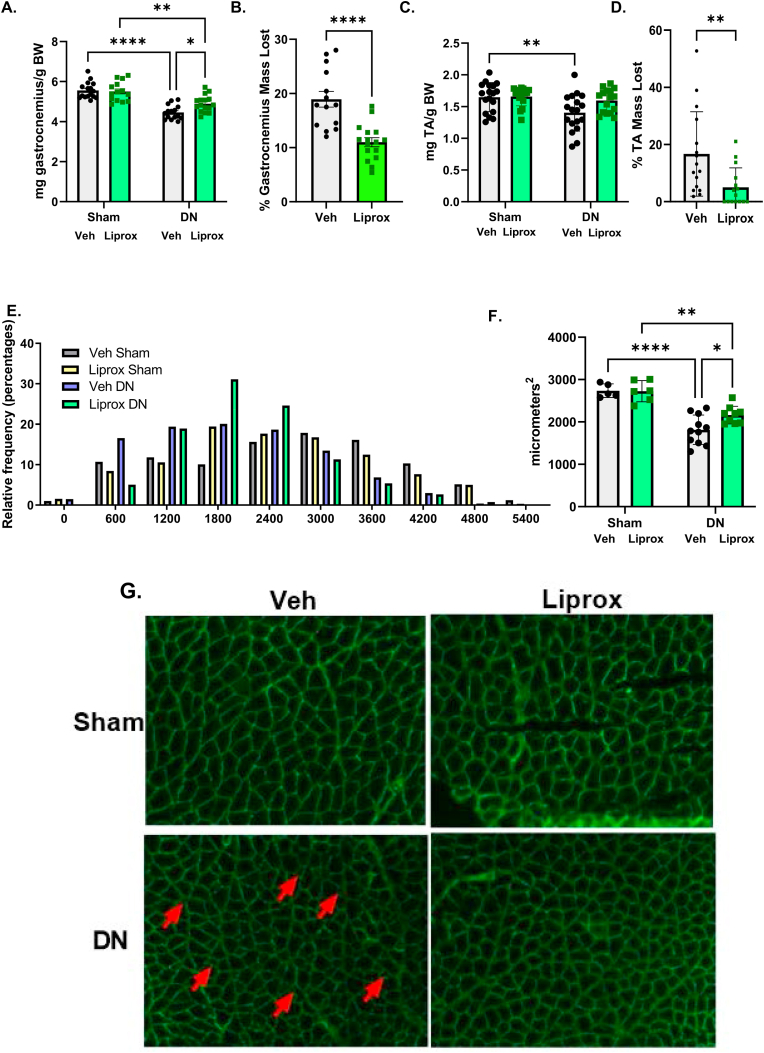
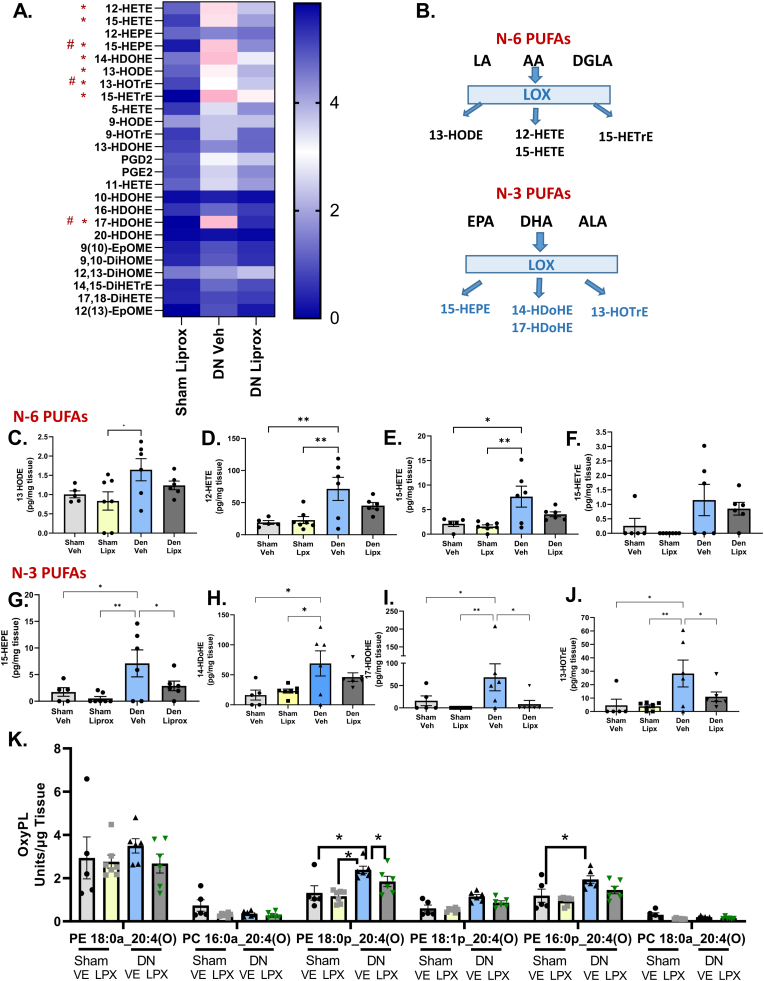
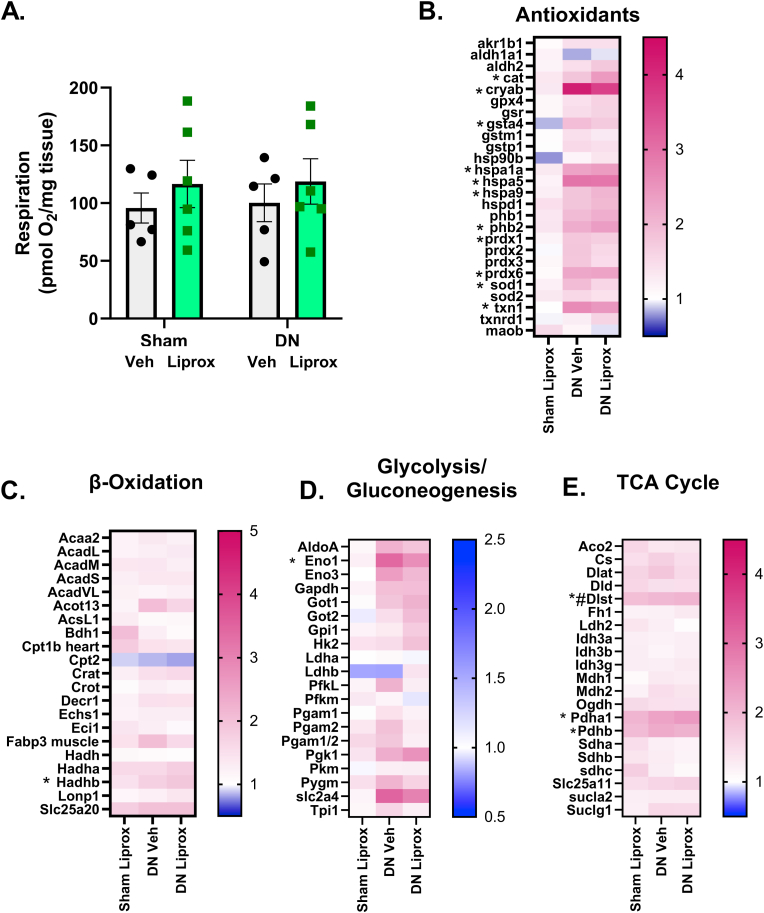
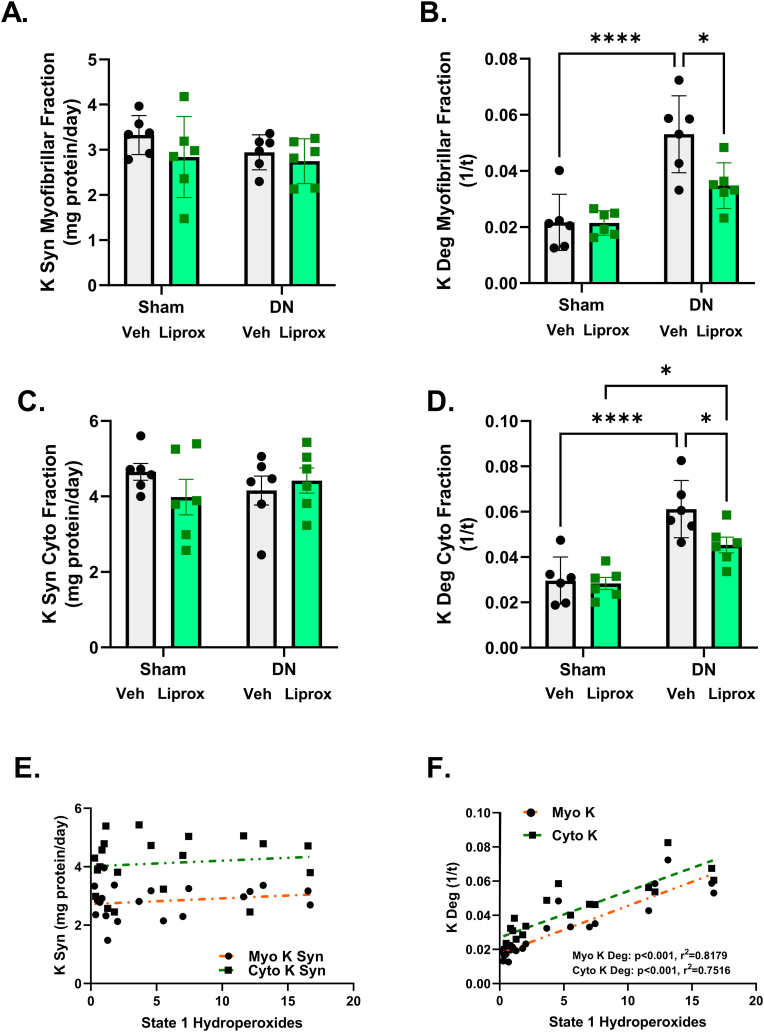
Loss of innervation is a key driver of age associated muscle atrophy and weakness (sarcopenia). Our laboratory has previously shown that denervation induced atrophy is associated with the generation of mitochondrial hydroperoxides and lipid mediators produced downstream of cPLA and 12/15 lipoxygenase (12/15-LOX). To define the pathological impact of lipid hydroperoxides generated in denervation-induced atrophy in vivo, we treated mice with liproxstatin-1, a lipid hydroperoxide scavenger. We treated adult male mice with 5 mg/kg liproxstain-1 or vehicle one day prior to sciatic nerve transection and daily for 7 days post-denervation before tissue analysis. Liproxstatin-1 treatment protected gastrocnemius mass and fiber cross sectional area (∼40% less atrophy post-denervation in treated versus untreated mice). Mitochondrial hydroperoxide generation was reduced 80% in vitro and by over 65% in vivo by liproxstatin-1 treatment in denervated permeabilized muscle fibers and decreased the content of 4-HNE by ∼25% post-denervation. Lipidomic analysis revealed detectable levels of 25 oxylipins in denervated gastrocnemius muscle and significantly increased levels for eight oxylipins that are generated by metabolism of fatty acids through 12/15-LOX. Liproxstatin-1 treatment reduced the level of three of the eight denervation-induced oxylipins, specifically 15-HEPE, 13-HOTrE and 17-HDOHE. Denervation elevated protein degradation rates in muscle and treatment with liproxstatin-1 reduced rates of protein breakdown in denervated muscle. In contrast, protein synthesis rates were unchanged by denervation. Targeted proteomics revealed a number of proteins with altered expression after denervation but no effect of liproxstain-1. Transcriptomic analysis revealed 203 differentially expressed genes in denervated muscle from vehicle or liproxstatin-1 treated mice, including ER stress, nitric oxide signaling, Gαi signaling, glucocorticoid receptor signaling, and other pathways. Overall, these data suggest lipid hydroperoxides and oxylipins are key drivers of increased protein breakdown and muscle loss associated with denervation induced atrophy and a potential target for sarcopenia intervention.
失神经支配是与年龄相关的肌肉萎缩和无力(肌少症)的关键驱动因素。我们的实验室之前已经表明,去神经诱导的萎缩与线粒体过氧化物的产生以及 cPLA 和 12/15 脂氧合酶(12/15-LOX)下游产生的脂质介质有关。为了确定体内去神经诱导萎缩中生成的脂质过氧化物对病理的影响,我们用脂氧素清除剂 liproxstatin-1 处理小鼠。我们用 5mg/kg liproxstain-1 或载体处理成年雄性小鼠,在坐骨神经横切前一天,并在去神经后 7 天每天处理一次,然后进行组织分析。Liproxstatin-1 处理保护了比目鱼肌的质量和纤维横截面积(与未处理的小鼠相比,去神经后萎缩减少了约 40%)。Liproxstatin-1 处理在体外将线粒体过氧化物的生成减少了 80%,在去神经的通透化肌纤维中减少了 65%以上,并使去神经后 4-HNE 的含量减少了约 25%。脂质组学分析显示,在去神经的比目鱼肌中可检测到 25 种氧化脂类,并且通过 12/15-LOX 代谢脂肪酸生成的 8 种氧化脂类的水平显著增加。Liproxstatin-1 处理降低了 8 种去神经诱导氧化脂类中的 3 种的水平,特别是 15-HEPE、13-HOTrE 和 17-HDOHE。去神经作用会提高肌肉中的蛋白降解率,而用 liproxstatin-1 处理会降低去神经肌肉中的蛋白分解率。相反,去神经对蛋白质合成率没有影响。靶向蛋白质组学揭示了许多在去神经后表达发生改变的蛋白质,但 liproxstatin-1 没有影响。转录组学分析显示,在接受载体或 liproxstatin-1 处理的去神经小鼠的肌肉中,有 203 个差异表达基因,包括 ER 应激、一氧化氮信号、Gαi 信号、糖皮质激素受体信号和其他途径。总的来说,这些数据表明,脂质过氧化物和氧化脂类是与去神经诱导萎缩相关的蛋白分解增加和肌肉损失的关键驱动因素,也是肌少症干预的潜在靶点。