Department of Neurosurgery, Qilu Hospital, Cheeloo College of Medicine and Institute of Brain and Brain-Inspired Science, Shandong University, Jinan, 250012, China.
Jinan Microecological Biomedicine Shandong Laboratory and Shandong Key Laboratory of Brain Function Remodeling, Jinan, 250117, China.
J Transl Med. 2022 Oct 29;20(1):494. doi: 10.1186/s12967-022-03713-z.
Small peptides encoded by long non-coding RNAs (lncRNAs) have attracted attention for their various functions. Recent studies indicate that these small peptides participate in immune responses and antigen presentation. However, the significance of RNA modifications remains unclear.
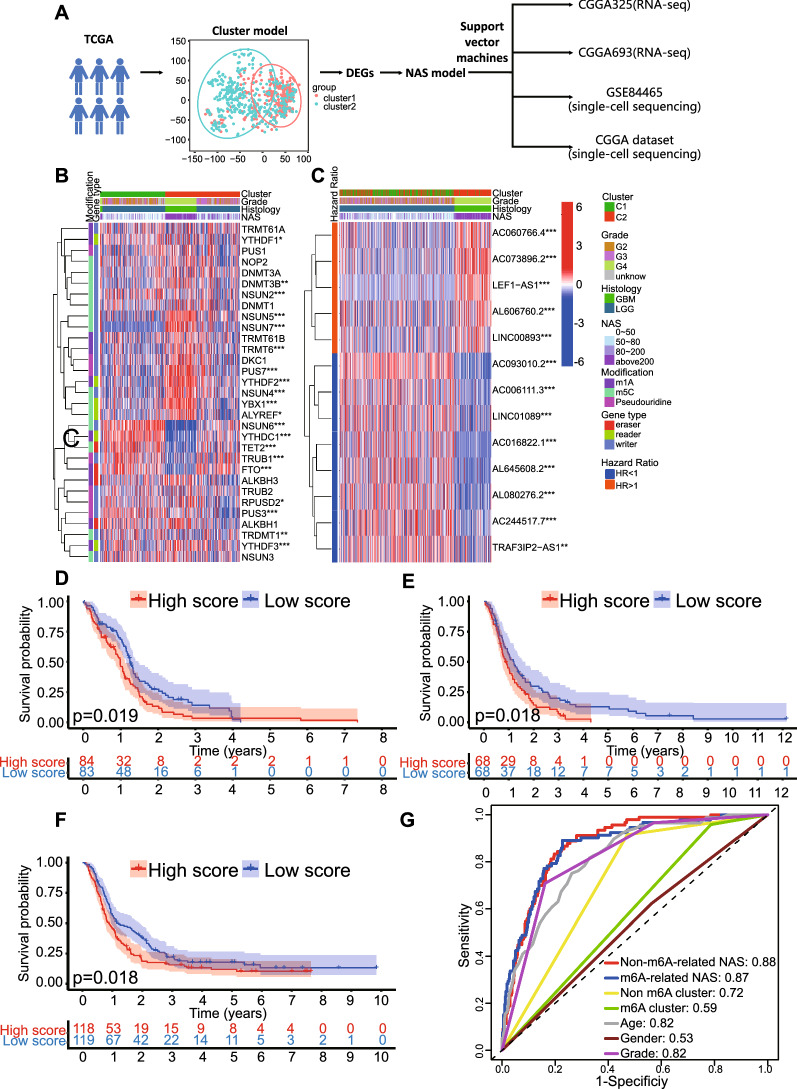
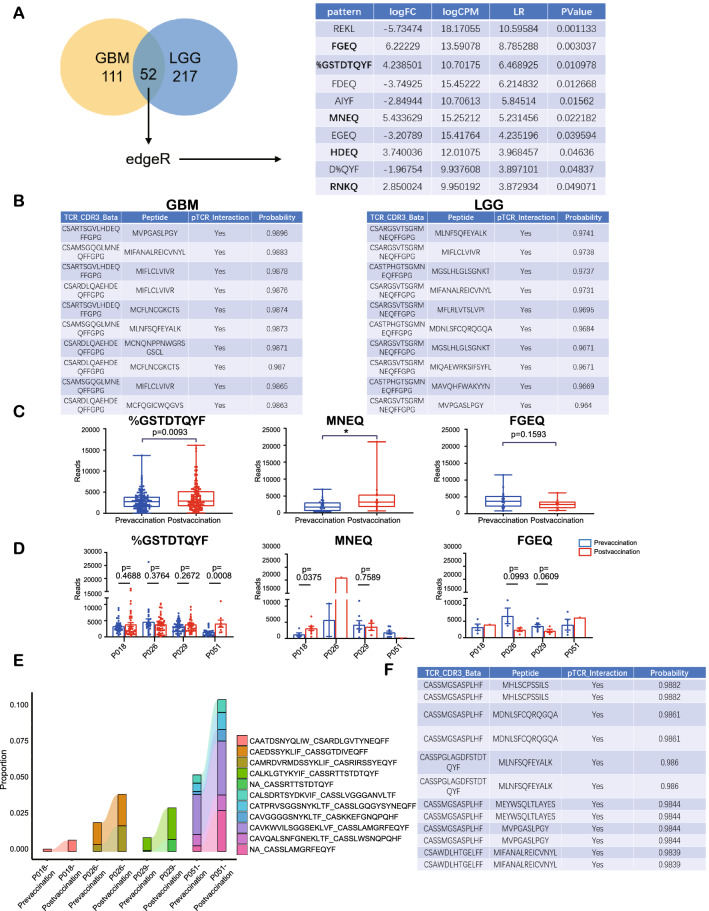
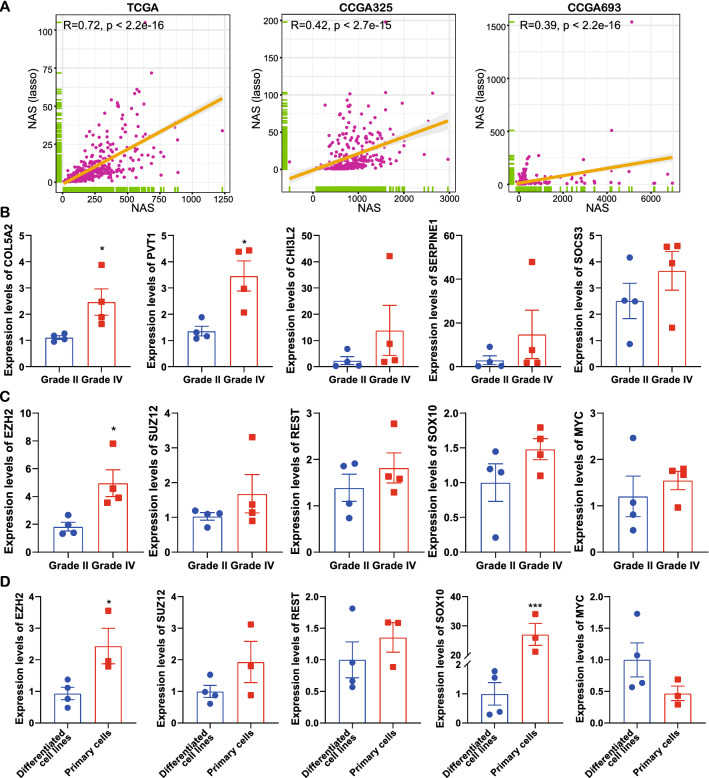
Thirteen non-m6A-related neoantigen-coding lncRNAs were selected for analysis from the TransLnc database. Next, a neoantigen activation score (NAS) model was established based on the characteristics of the lncRNAs. Machine learning was employed to expand the model to two additional RNA-seq and two single-cell sequencing datasets for further validation. The DLpTCR algorithm was used to predict T cell receptor (TCR)-peptide binding probability.
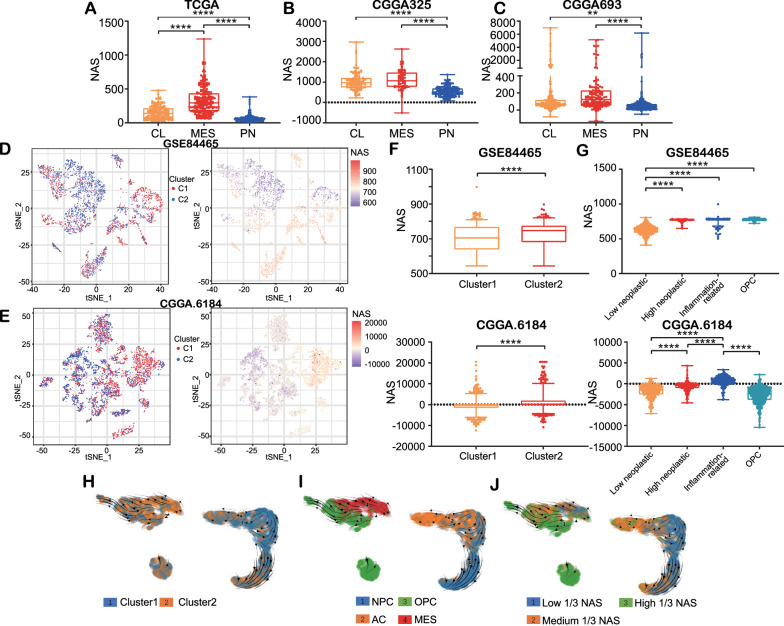
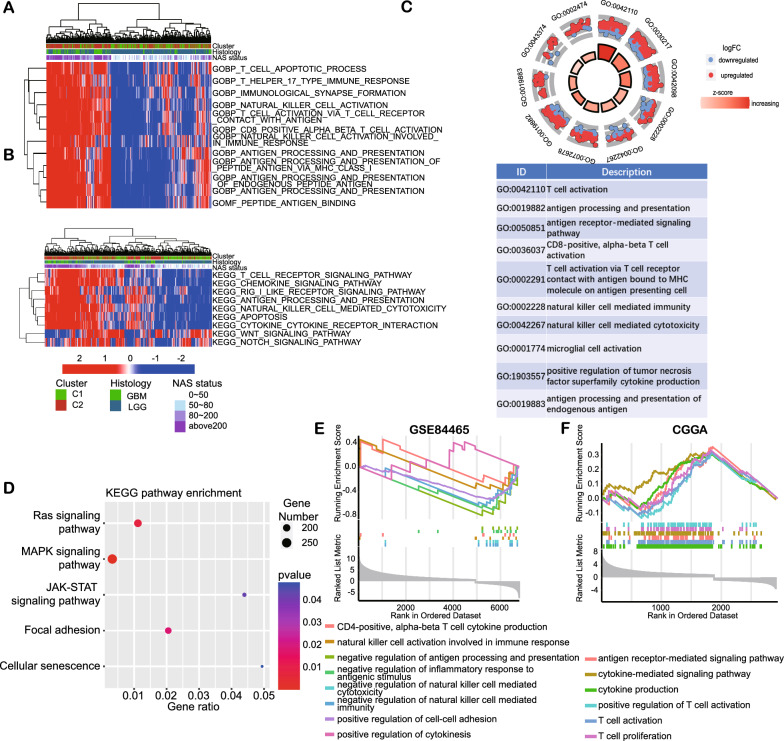
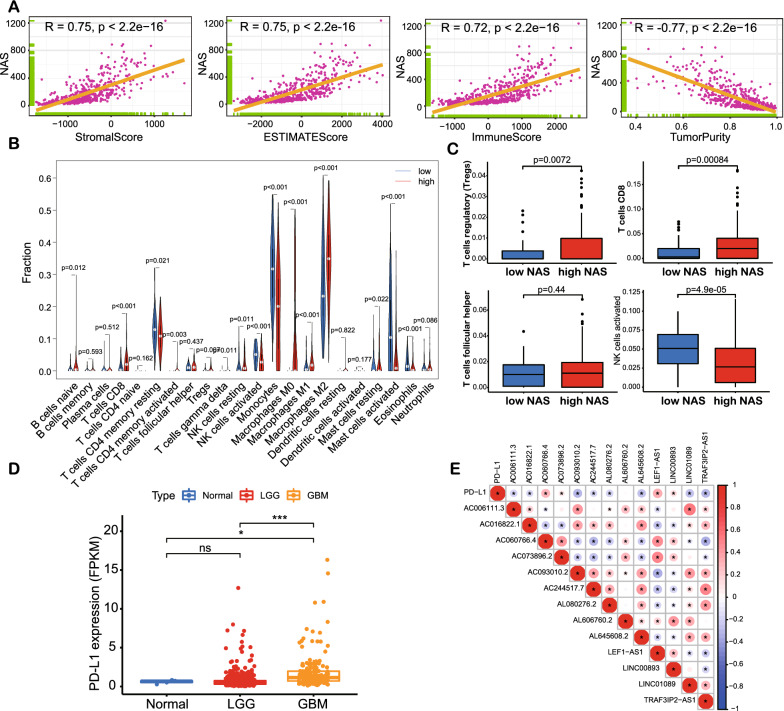
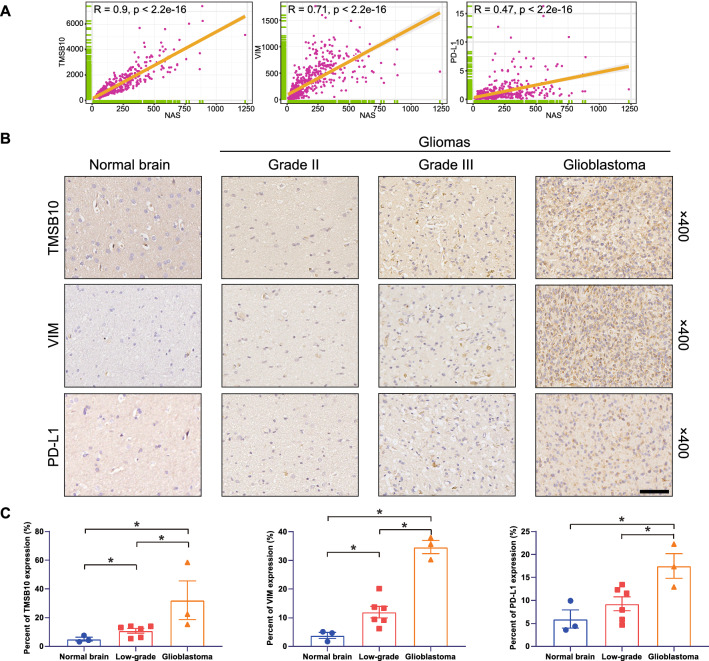
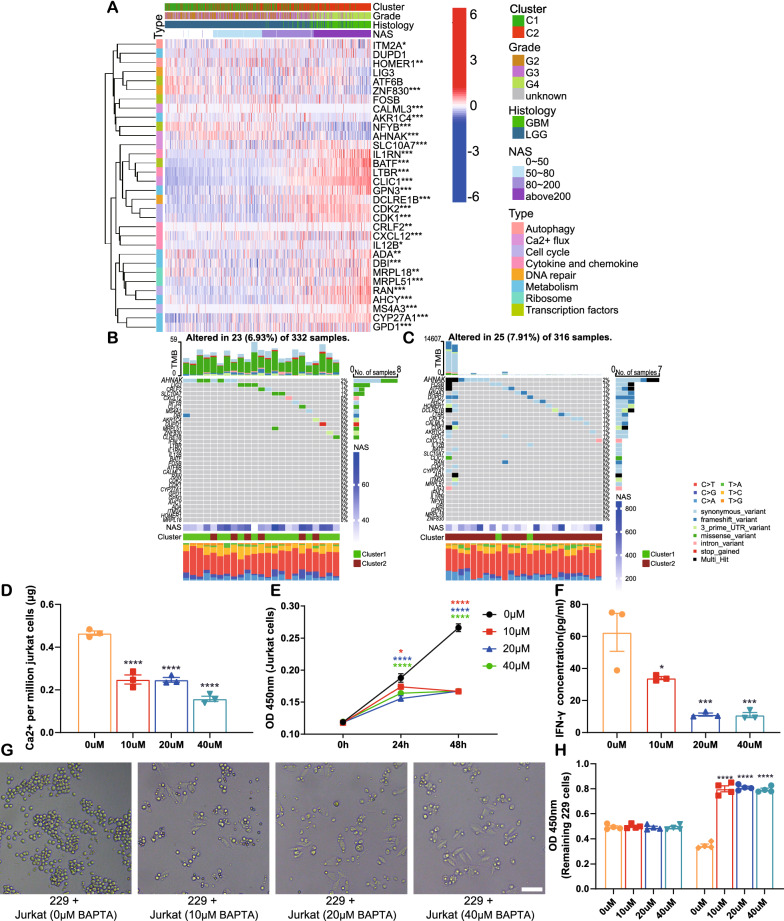
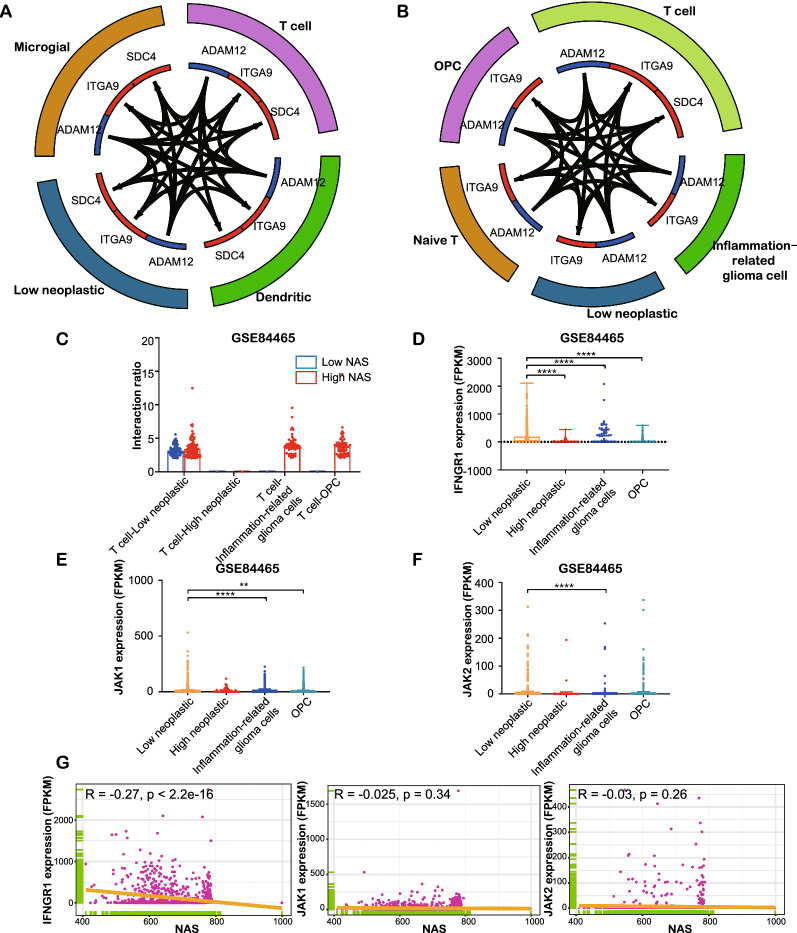
The non-m6A-related NAS model predicted patients' overall survival outcomes more precisely than the m6A-related NAS model. Furthermore, the non-m6A-related NAS was positively correlated with tumor cells' evolutionary level, immune infiltration, and antigen presentation. However, high NAS gliomas also showed more PD-L1 expression and high mutation frequencies of T-cell positive regulators. Interestingly, results of intercellular communication analysis suggest that T cell-high neoplastic cell interaction is weaker in both of the NAS groups which might arise from decreased IFNGR1 expression. Moreover, we identified unique TCR-peptide pairs present in all glioma samples based on peptides encoded by the 13 selected lncRNAs. And increased levels of neoantigen-active TCR patterns were found in high NAS gliomas.
Our work suggests that non-m6A-related neoantigen-coding lncRNAs play an essential role in glioma progression and that screened TCR clonotypes might provide potential avenues for chimeric antigen receptor T cell (CAR-T) therapy for gliomas.
长链非编码 RNA(lncRNA)编码的小肽因其多种功能而受到关注。最近的研究表明,这些小肽参与免疫反应和抗原呈递。然而,RNA 修饰的意义尚不清楚。
从 TransLnc 数据库中选择了 13 个非 m6A 相关的新抗原编码 lncRNA 进行分析。接下来,基于 lncRNA 的特征建立了新抗原激活评分(NAS)模型。采用机器学习方法将该模型扩展到另外两个 RNA-seq 和两个单细胞测序数据集,以进一步验证。DLpTCR 算法用于预测 T 细胞受体(TCR)-肽结合概率。
非 m6A 相关的 NAS 模型比 m6A 相关的 NAS 模型更准确地预测了患者的总生存结局。此外,非 m6A 相关的 NAS 与肿瘤细胞的进化水平、免疫浸润和抗原呈递呈正相关。然而,高 NAS 胶质瘤也表现出更高的 PD-L1 表达和 T 细胞阳性调节剂的高频突变。有趣的是,细胞间通讯分析的结果表明,两个 NAS 组中 T 细胞高肿瘤细胞相互作用较弱,这可能是由于 IFNGR1 表达降低所致。此外,我们基于 13 个选定的 lncRNA 编码的肽,鉴定了所有胶质瘤样本中存在的独特 TCR-肽对。并且在高 NAS 胶质瘤中发现了更多的新抗原活性 TCR 模式。
我们的工作表明,非 m6A 相关的新抗原编码 lncRNA 在胶质瘤进展中起着重要作用,筛选出的 TCR 克隆型可能为胶质瘤嵌合抗原受体 T 细胞(CAR-T)治疗提供潜在途径。