Zhang Chu-Ting, Sun Yu-Lin, Shi Wen-Bin, Yang Guang, Yeh Chien-Hung
School of Information and Electronics, Beijing Institute of Technology, Beijing, 100081, China.
Department of Pediatrics, The First Medical Center, Chinese PLA General Hospital, Beijing, 100853, China.
Neurol Ther. 2023 Feb;12(1):129-144. doi: 10.1007/s40120-022-00412-1. Epub 2022 Nov 3.
Infantile epileptic spasms syndrome (IESS) is an age-specific and severe epileptic encephalopathy. Although adrenocorticotropic hormone (ACTH) is currently considered the preferred first-line treatment, it is not always effective and may cause side effects. Therefore, seeking a reliable biomarker to predict the treatment response could benefit clinicians in modifying treatment options.
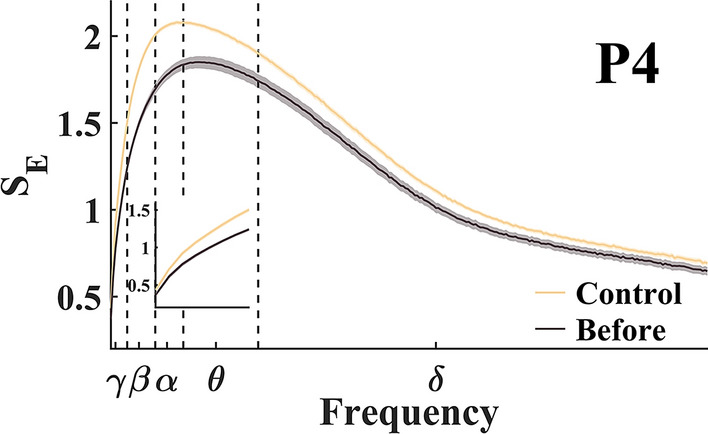
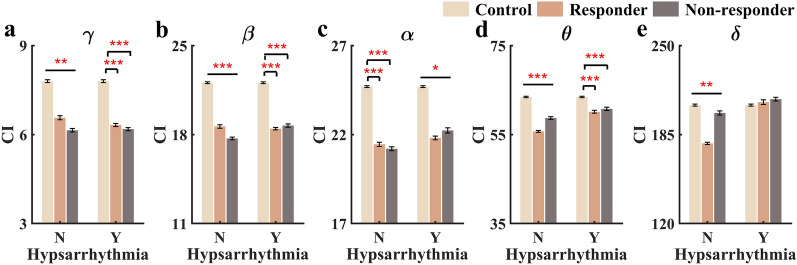
In this study, the complexities of electroencephalogram (EEG) recordings from 15 control subjects and 40 patients with IESS before and after ACTH therapy were retrospectively reviewed using multiscale entropy (MSE). These 40 patients were divided into responders and nonresponders according to their responses to ACTH.
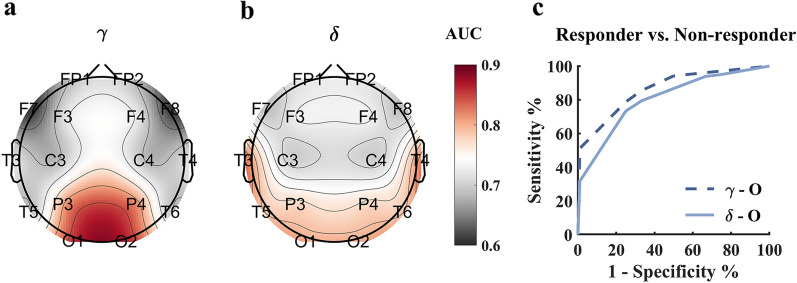
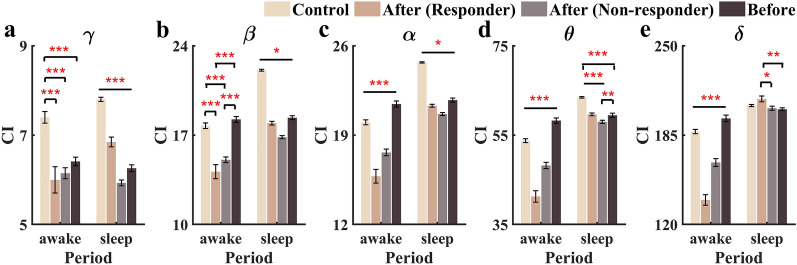
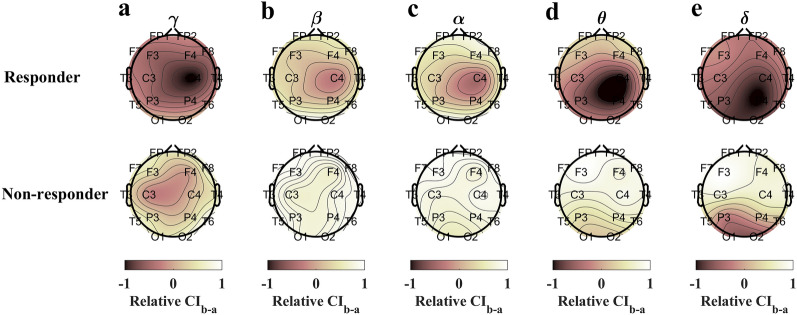
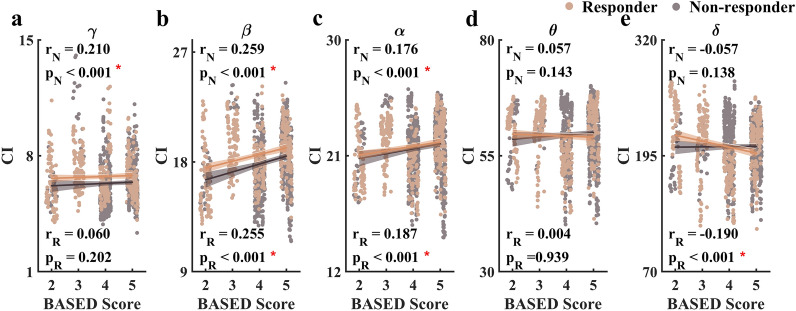
The EEG complexities of the patients with IESS were significantly lower than those of the healthy controls. A favorable response to treatment showed increasing complexity in the γ band but exhibited a reduction in the β/α-frequency band, and again significantly elevated in the δ band, wherein the latter was prominent in the parieto-occipital regions in particular. Greater reduction in complexity was significantly linked with poorer prognosis in general. Occipital EEG complexities in the γ band revealed optimized performance in recognizing response to the treatment, corresponding to the area under the receiver operating characteristic curves as 0.8621, while complexities of the δ band served as a fair predictor of unfavorable outcomes globally.
We suggest that optimizing frequency-specific complexities over critical brain regions may be a promising strategy to facilitate predicting treatment response in IESS.
婴儿痉挛症综合征(IESS)是一种特定年龄段的严重癫痫性脑病。尽管促肾上腺皮质激素(ACTH)目前被认为是首选的一线治疗方法,但它并非总是有效,且可能会引起副作用。因此,寻找一种可靠的生物标志物来预测治疗反应可能有助于临床医生调整治疗方案。
在本研究中,使用多尺度熵(MSE)对15名对照受试者和40名IESS患者在ACTH治疗前后的脑电图(EEG)记录的复杂性进行了回顾性分析。这40名患者根据其对ACTH的反应分为反应者和无反应者。
IESS患者的脑电图复杂性显著低于健康对照者。对治疗的良好反应表现为γ频段的复杂性增加,但β/α频段的复杂性降低,而δ频段再次显著升高,其中后者在顶枕区尤为突出。复杂性降低越大,总体预后越差。γ频段的枕叶脑电图复杂性在识别治疗反应方面表现出最佳性能,其受试者操作特征曲线下面积为0.8621,而δ频段的复杂性总体上可作为不良预后的合理预测指标。
我们认为,优化关键脑区特定频率的复杂性可能是一种有前景的策略,有助于预测IESS的治疗反应。