Jaques Victory Armida Janine, Zikmundová Eva, Holas Jiří, Zikmund Tomáš, Kaiser Jozef, Holcová Katarína
Institute of Geology and Palaeontology, Faculty of Science, Charles University, Albertov 6, 12843, Praha 2, Czech Republic.
CEITEC - Central European Institute of Technology, Brno University of Technology, Purkyňova 656/123, 612 00, Brno, Czech Republic.
Sci Rep. 2022 Nov 16;12(1):19650. doi: 10.1038/s41598-022-21882-1.
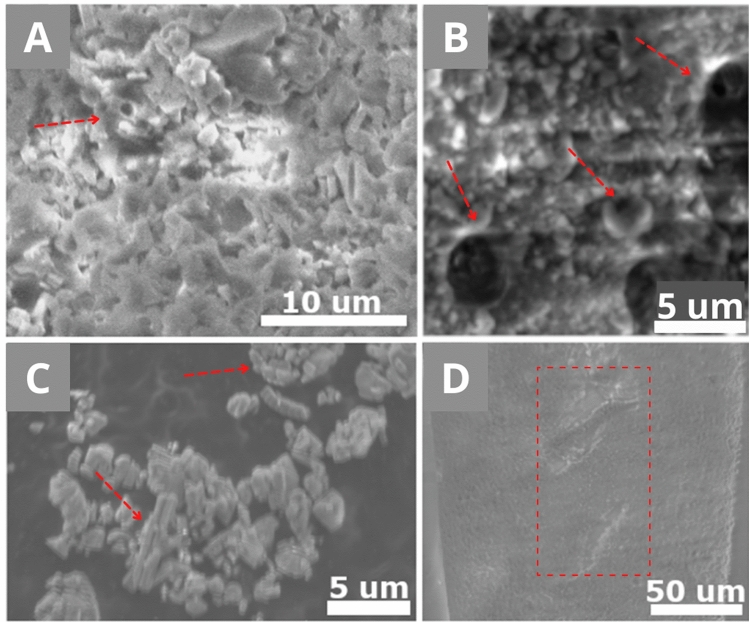
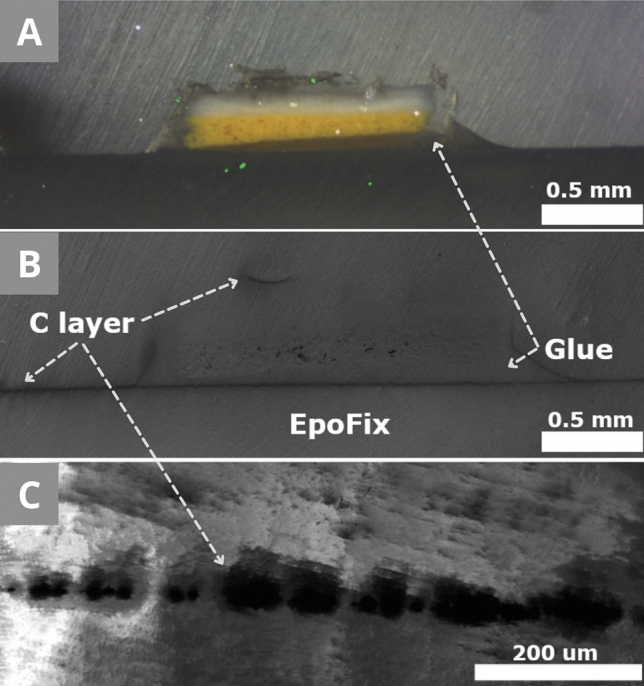
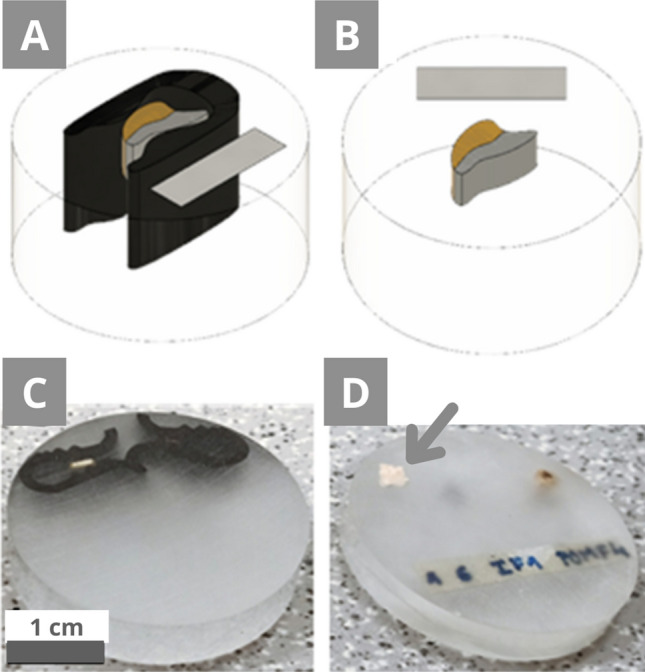
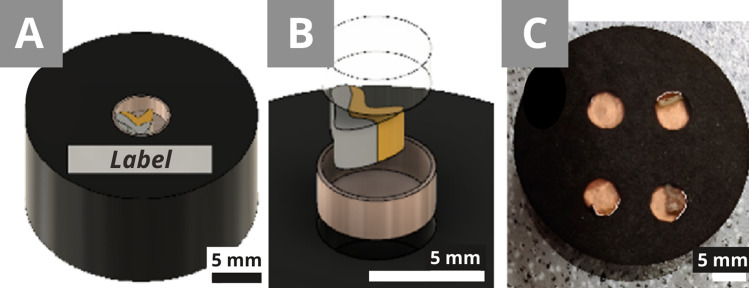
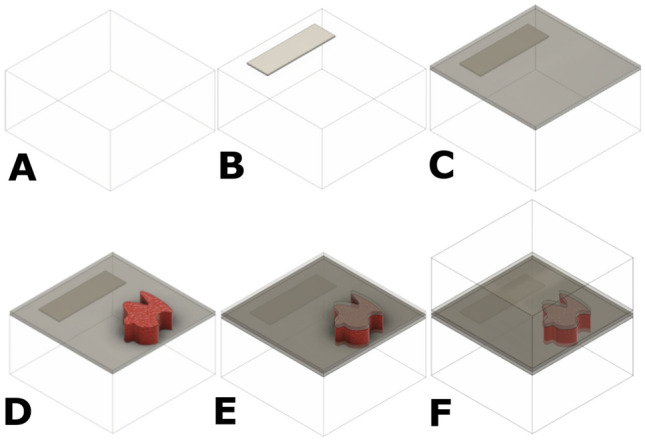
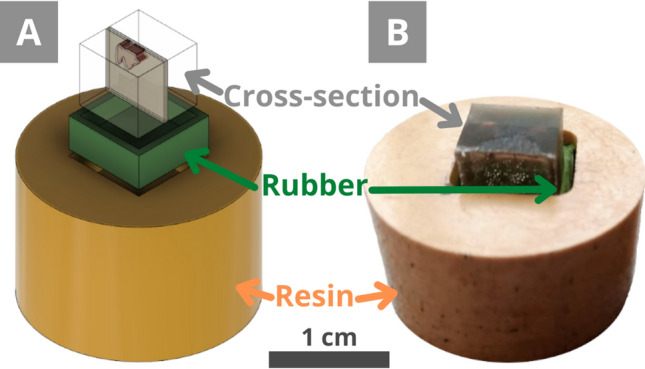
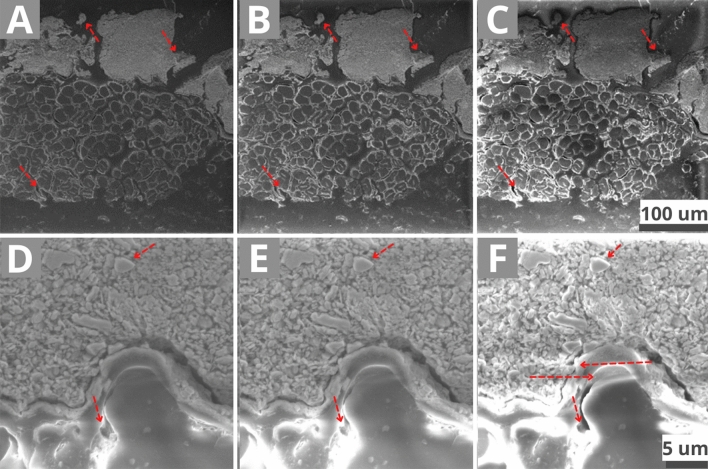
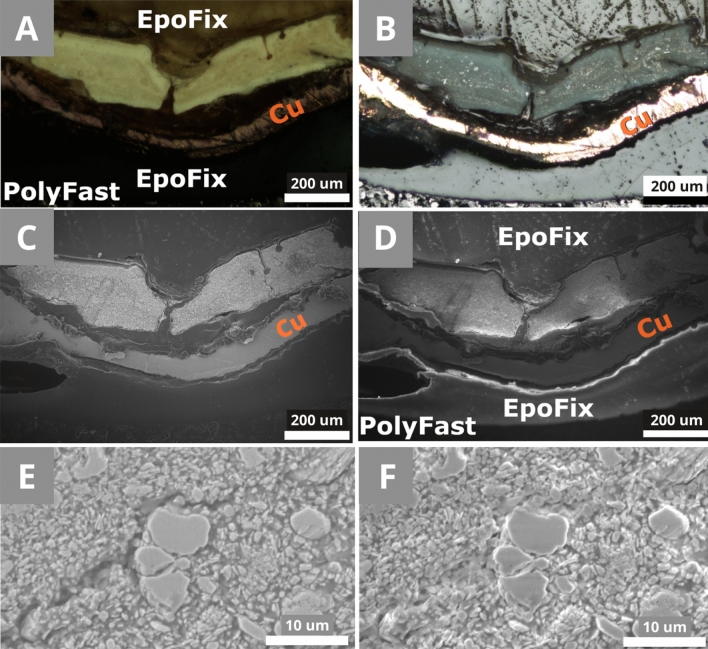
Scanning electron microscopy (SEM) is a common method for the analysis of painting micro-samples. The high resolution of this technique offers precise surface analysis and can be coupled with an energy-dispersive spectrometer for the acquisition of the elemental composition. For light microscopy and SEM analysis, the painting micro-samples are commonly prepared as cross-sections, where the micro-sample positioned on the side is embedded in a resin. Therefore, the sequence of its layers is exposed after the cross-section is polished. In common cases outside of cultural heritage, a conductive layer is applied on the polished side, but in this field, the measurements are mostly done in low-vacuum SEM (LV-SEM). Although the charging effect is reduced in LV-SEM, it can still occur, and can hardly be prevented even with carbon tape or paint. This work presents two conductive cross-section preparation methods for non-conductive samples, which reduce charging effects without impairing the sample integrity.
扫描电子显微镜(SEM)是分析绘画微样本的常用方法。该技术的高分辨率可提供精确的表面分析,并且可以与能量色散光谱仪联用,以获取元素组成。对于光学显微镜和扫描电子显微镜分析,绘画微样本通常制备成横截面,其中位于侧面的微样本嵌入树脂中。因此,在横截面抛光后,其层序就会暴露出来。在文化遗产领域之外的常见情况下,会在抛光面上施加导电层,但在该领域,测量大多在低真空扫描电子显微镜(LV-SEM)中进行。尽管在低真空扫描电子显微镜中充电效应会降低,但它仍然可能发生,即使使用碳带或涂料也很难防止。这项工作提出了两种用于非导电样本的导电横截面制备方法,它们在不损害样本完整性的情况下减少了充电效应。