Yi Xinzeyu, Wang Zheng, Hu Xiang, Yu Aixi
Department of Orthopedics Trauma and Microsurgery, Zhongnan Hospital of Wuhan University, Wuhan, China.
Front Oncol. 2022 Oct 27;12:1028493. doi: 10.3389/fonc.2022.1028493. eCollection 2022.
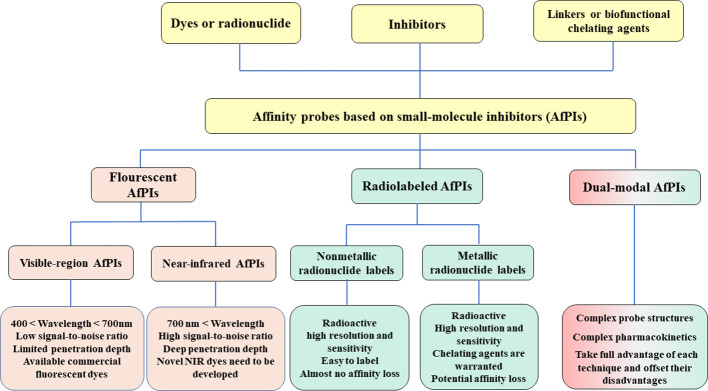
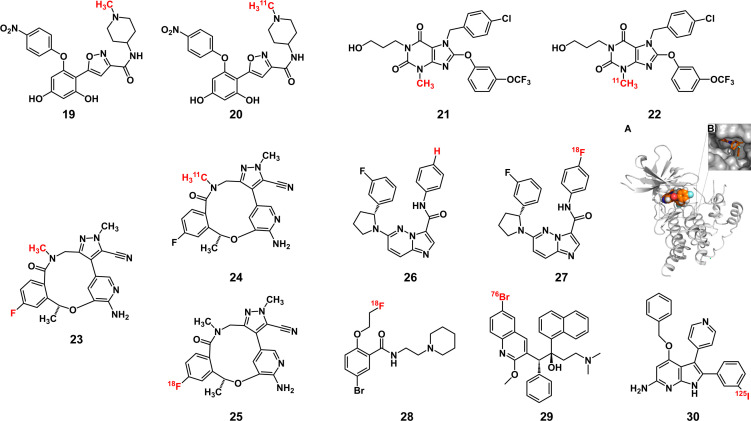
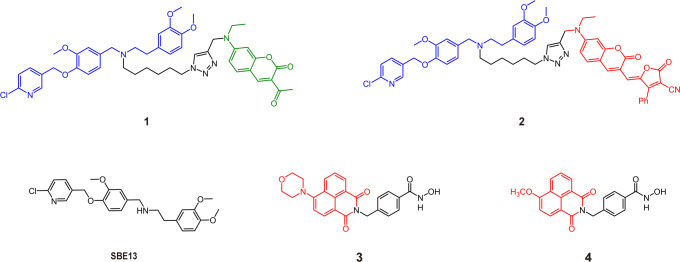
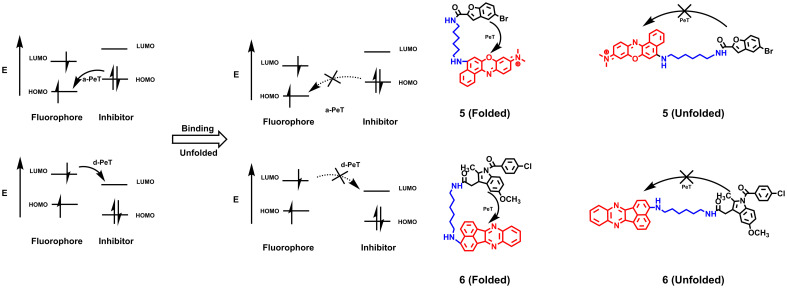
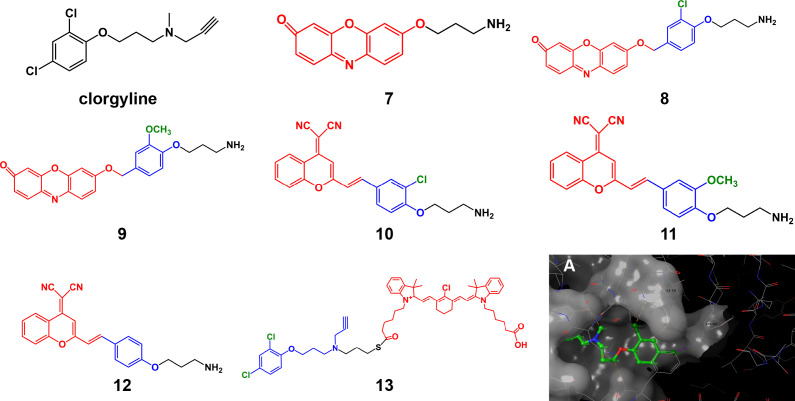
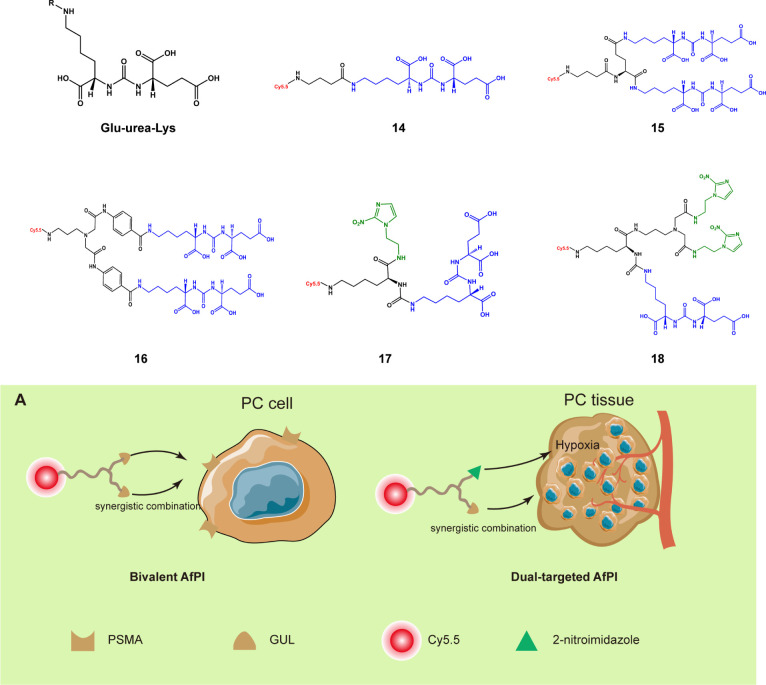
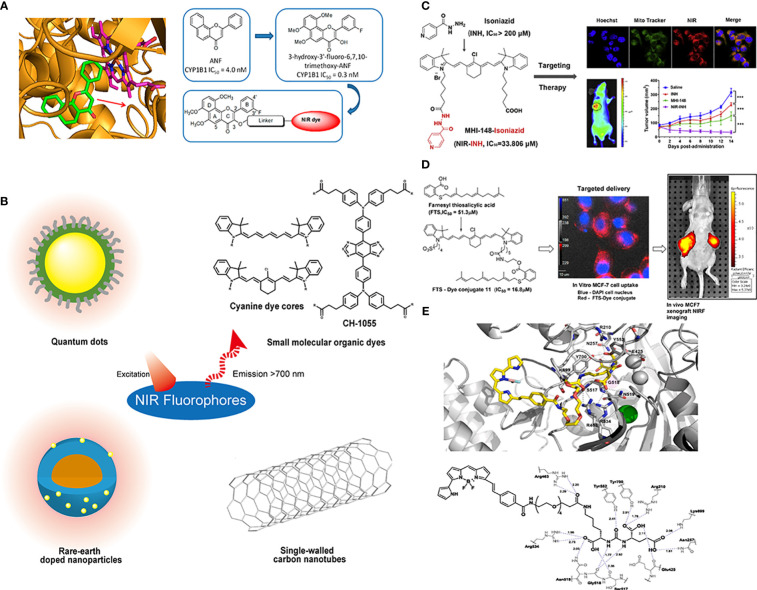
Methods for molecular imaging of target areas, including optical imaging, radionuclide imaging, magnetic resonance imaging and other imaging technologies, are helpful for the early diagnosis and precise treatment of cancers. In addition to cancer management, small-molecule inhibitors are also used for developing cancer target probes since they act as the tight-binding ligands of overexpressed proteins in cancer cells. This review aims to summarize the structural designs of affinity probes based on small-molecule inhibitors from the aspects of the inhibitor, linker, dye and radionuclide, and discusses the influence of the modification of these structures on affinity and pharmacokinetics. We also present examples of inhibitor affinity probes in clinical applications, and these summaries will provide insights for future research and clinical translations.
用于靶区分子成像的方法,包括光学成像、放射性核素成像、磁共振成像等成像技术,有助于癌症的早期诊断和精准治疗。除了癌症治疗外,小分子抑制剂还因其可作为癌细胞中过表达蛋白的紧密结合配体而被用于开发癌症靶向探针。本综述旨在从抑制剂、连接体、染料和放射性核素等方面总结基于小分子抑制剂的亲和探针的结构设计,并讨论这些结构修饰对亲和力和药代动力学的影响。我们还列举了抑制剂亲和探针在临床应用中的实例,这些总结将为未来的研究和临床转化提供思路。