Beck Tyler C, Arhontoulis Dimitrios C, Morningstar Jordan E, Hyams Nathaniel, Stoddard Andrew, Springs Kendra, Mukherjee Rupak, Helke Kris, Guo Lilong, Moore Kelsey, Gensemer Cortney, Biggs Rachel, Petrucci Taylor, Kwon Jennie, Stayer Kristina, Koren Natalie, Harvey Andrew, Holman Heather, Dunne Jaclyn, Fulmer Diana, Vohra Ayesha, Mai Le, Dooley Sarah, Weninger Julianna, Vaena Silvia, Romeo Martin, Muise-Helmericks Robin C, Mei Ying, Norris Russell A
College of Medicine, Medical University of South Carolina, Charleston, South Carolina, USA.
Department of Drug Discovery and Biomedical Sciences, Medical University of South Carolina, Charleston, South Carolina, USA.
JACC CardioOncol. 2022 Nov 15;4(4):535-548. doi: 10.1016/j.jaccao.2022.07.009. eCollection 2022 Nov.
Trametinib is a MEK1 (mitogen-activated extracellular signal-related kinase kinase 1) inhibitor used in the treatment of BRAF (rapid accelerated fibrosarcoma B-type)-mutated metastatic melanoma. Roughly 11% of patients develop cardiomyopathy following long-term trametinib exposure. Although described clinically, the molecular landscape of trametinib cardiotoxicity has not been characterized.
The aim of this study was to test the hypothesis that trametinib promotes widespread transcriptomic and cellular changes consistent with oxidative stress and impairs cardiac function.
Mice were treated with trametinib (1 mg/kg/d). Echocardiography was performed pre- and post-treatment. Gross, histopathologic, and biochemical assessments were performed to probe for molecular and cellular changes. Human cardiac organoids were used as an in vitro measurement of cardiotoxicity and recovery.
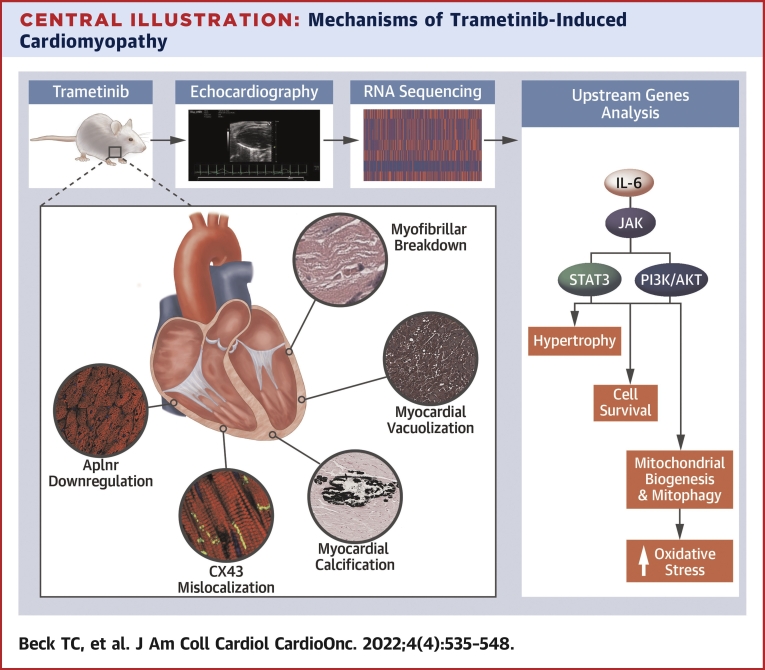
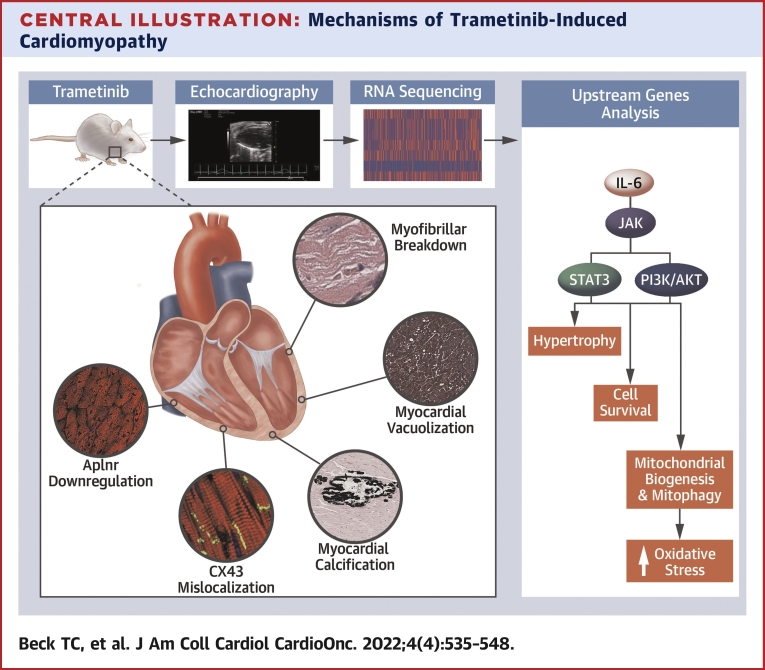
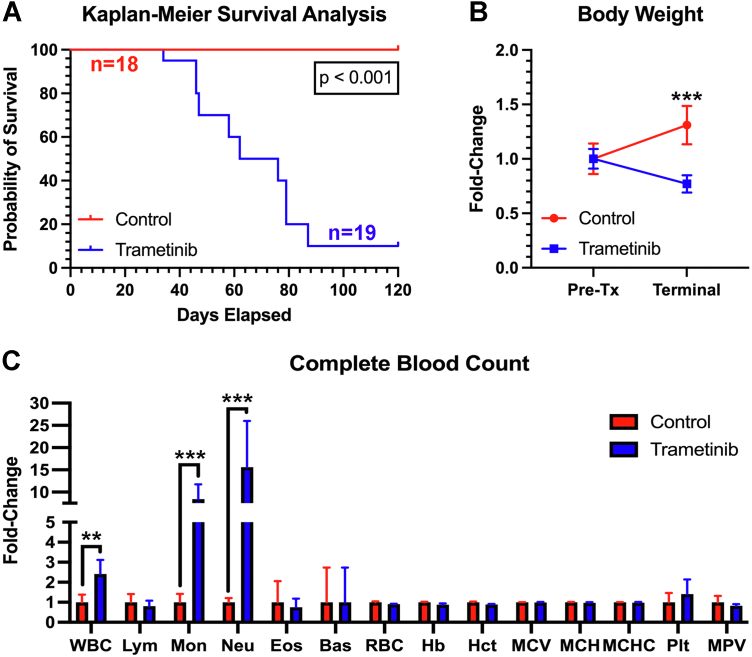
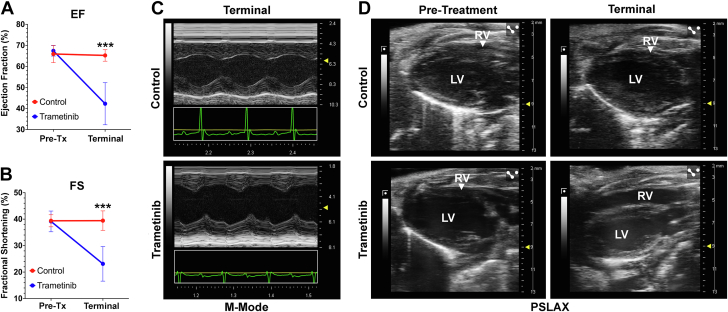
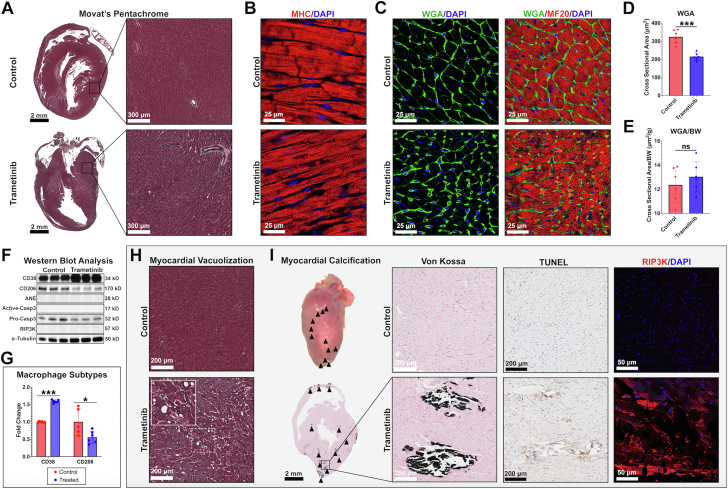
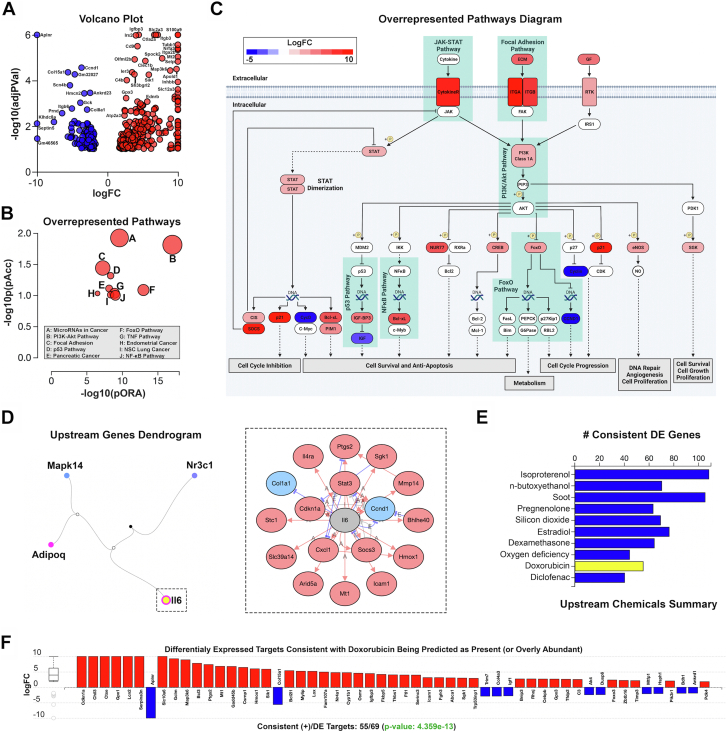
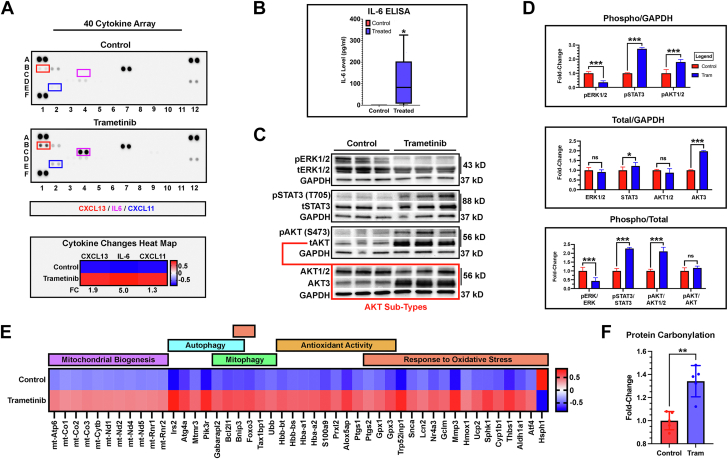
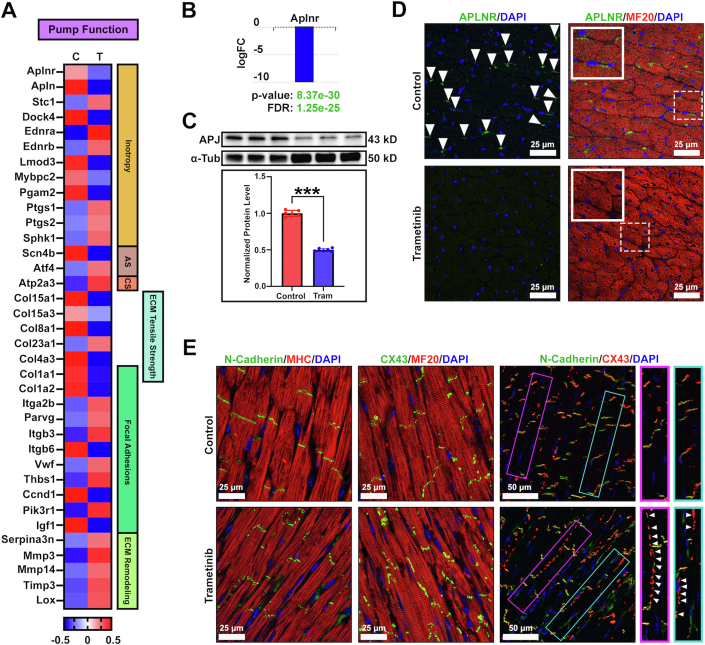
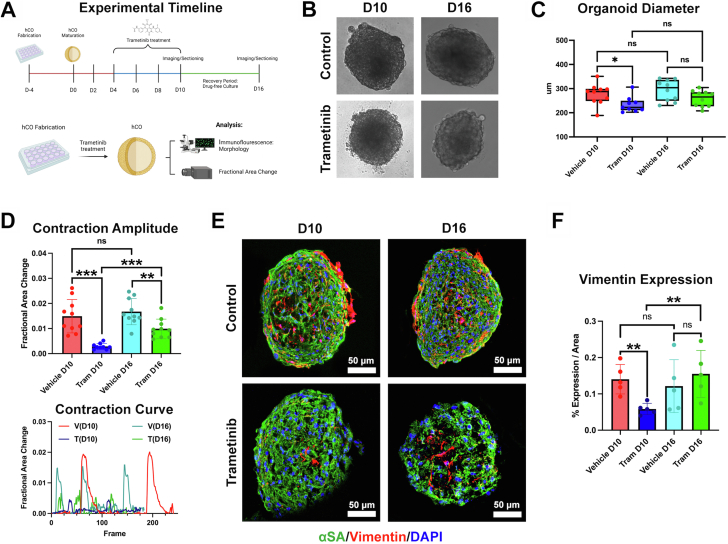
Long-term administration of trametinib was associated with significant reductions in survival and left ventricular ejection fraction. Histologic analyses of the heart revealed myocardial vacuolization and calcification in 28% of animals. Bulk RNA sequencing identified 435 differentially expressed genes and 116 differential signaling pathways following trametinib treatment. Upstream gene analysis predicted interleukin-6 as a regulator of 17 relevant differentially expressed genes, suggestive of PI3K/AKT and JAK/STAT activation, which was subsequently validated. Trametinib hearts displayed elevated markers of oxidative stress, myofibrillar degeneration, an 11-fold down-regulation of the apelin receptor, and connexin-43 mislocalization. To confirm the direct cardiotoxic effects of trametinib, human cardiac organoids were treated for 6 days, followed by a 6-day media-only recovery. Trametinib-treated organoids exhibited reductions in diameter and contractility, followed by partial recovery with removal of treatment.
These data describe pathologic changes observed in trametinib cardiotoxicity, supporting the exploration of drug holidays and alternative pharmacologic strategies for disease prevention.
曲美替尼是一种MEK1(丝裂原活化细胞外信号相关激酶激酶1)抑制剂,用于治疗BRAF(B型快速进展性纤维肉瘤)突变的转移性黑色素瘤。长期使用曲美替尼后,约11%的患者会发生心肌病。尽管临床上已有描述,但曲美替尼心脏毒性的分子机制尚未明确。
本研究旨在验证曲美替尼是否会引发与氧化应激一致的广泛转录组和细胞变化并损害心脏功能这一假说。
用曲美替尼(1mg/kg/d)处理小鼠。在处理前后进行超声心动图检查。进行大体、组织病理学和生化评估以探究分子和细胞变化。使用人类心脏类器官作为心脏毒性和恢复的体外测量指标。
长期给予曲美替尼与生存率和左心室射血分数显著降低有关。心脏组织学分析显示,28%的动物出现心肌空泡化和钙化。批量RNA测序确定了曲美替尼治疗后435个差异表达基因和116条差异信号通路。上游基因分析预测白细胞介素-6是17个相关差异表达基因的调节因子,提示PI3K/AKT和JAK/STAT激活,随后得到验证。曲美替尼处理的心脏显示氧化应激标志物升高、肌原纤维变性、apelin受体下调11倍以及连接蛋白-43定位错误。为了证实曲美替尼的直接心脏毒性作用,对人类心脏类器官进行6天处理,然后仅用培养基恢复6天。经曲美替尼处理的类器官直径和收缩性降低,去除处理后部分恢复。
这些数据描述了曲美替尼心脏毒性中观察到的病理变化,支持探索停药期和预防疾病的替代药物策略。