Nash Family Department of Neuroscience, Icahn School of Medicine at Mount Sinai, New York, NY, USA.
Friedman Brain Institute, Icahn School of Medicine at Mount Sinai, New York, NY, USA.
Nature. 2023 Jan;613(7945):696-703. doi: 10.1038/s41586-022-05484-5. Epub 2022 Nov 30.
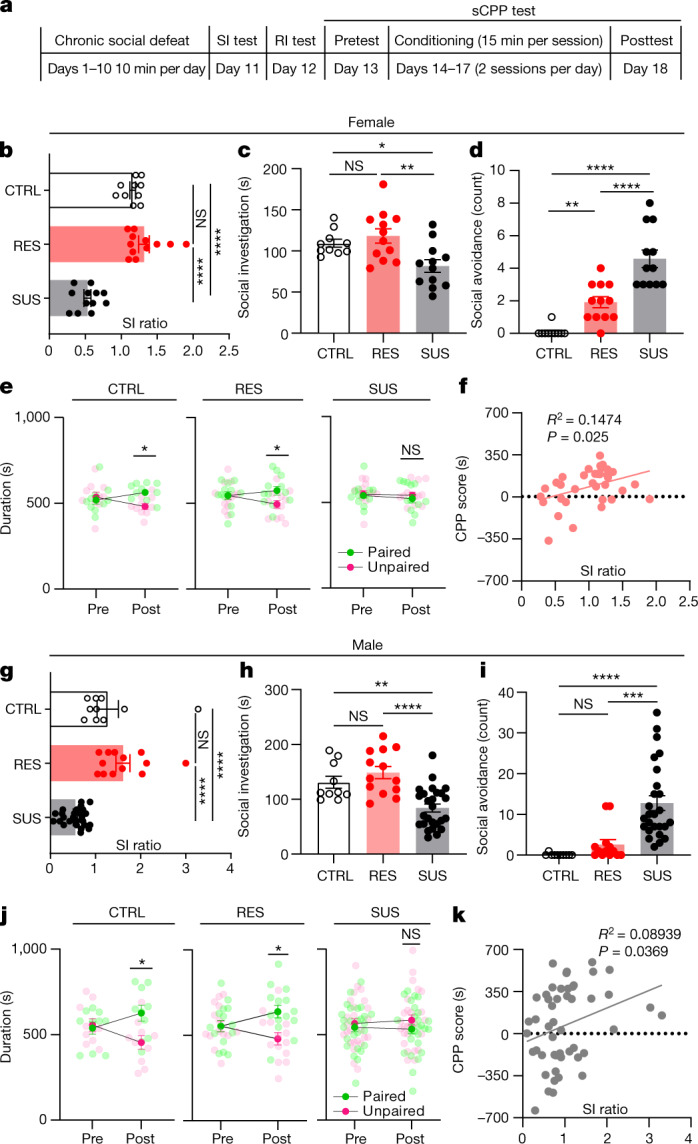
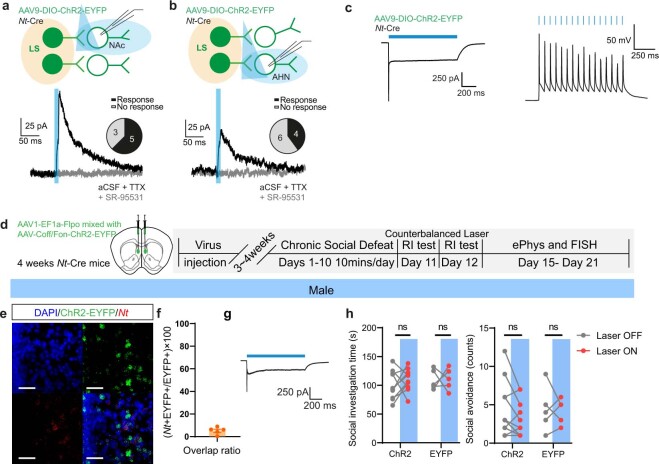
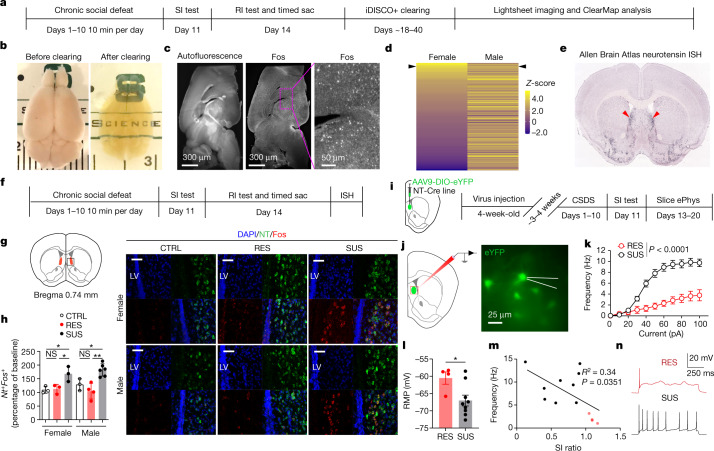
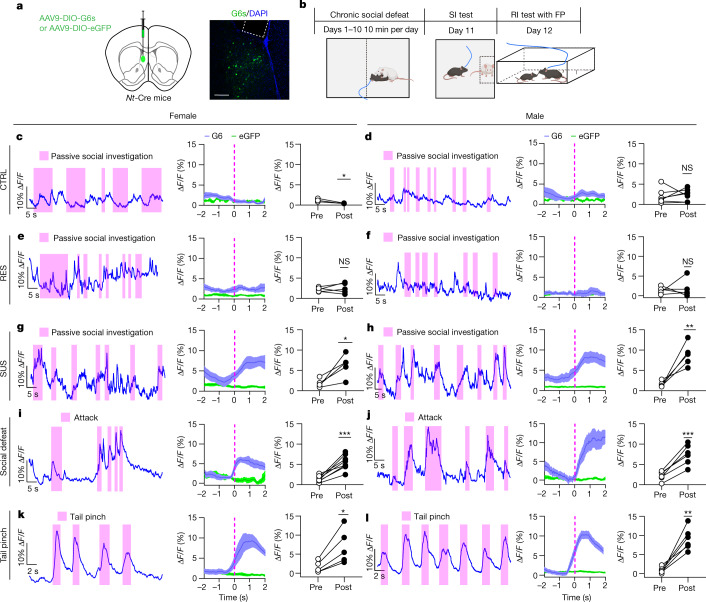
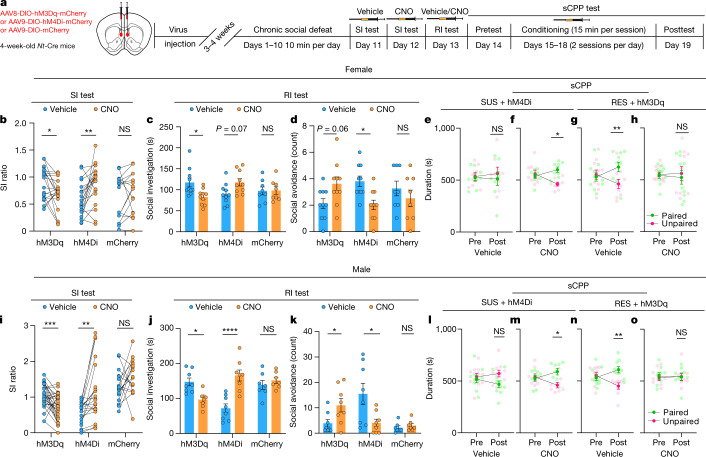
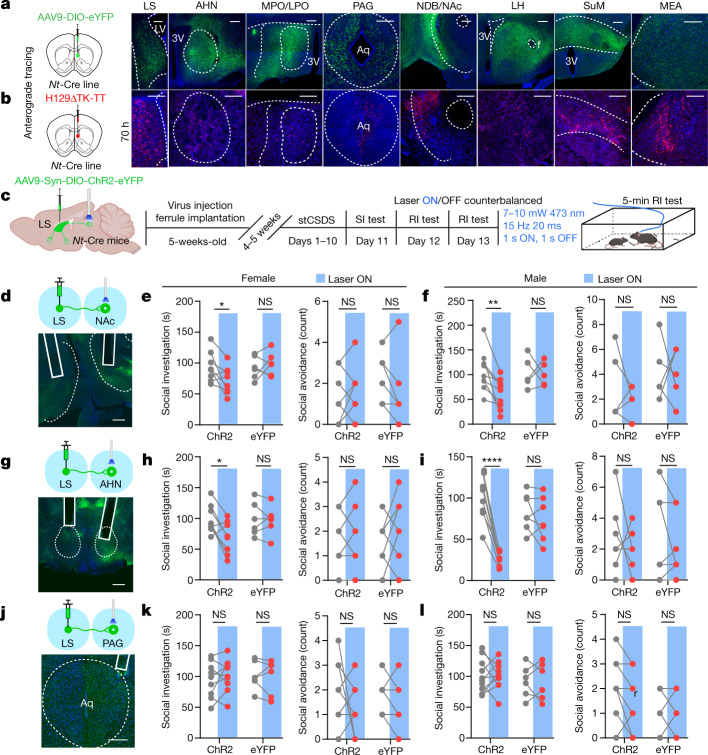
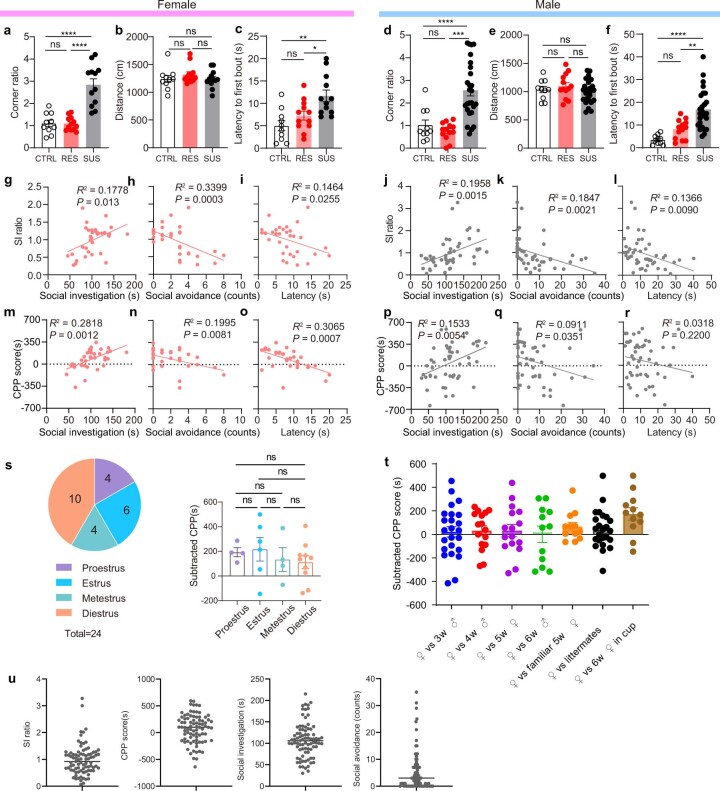
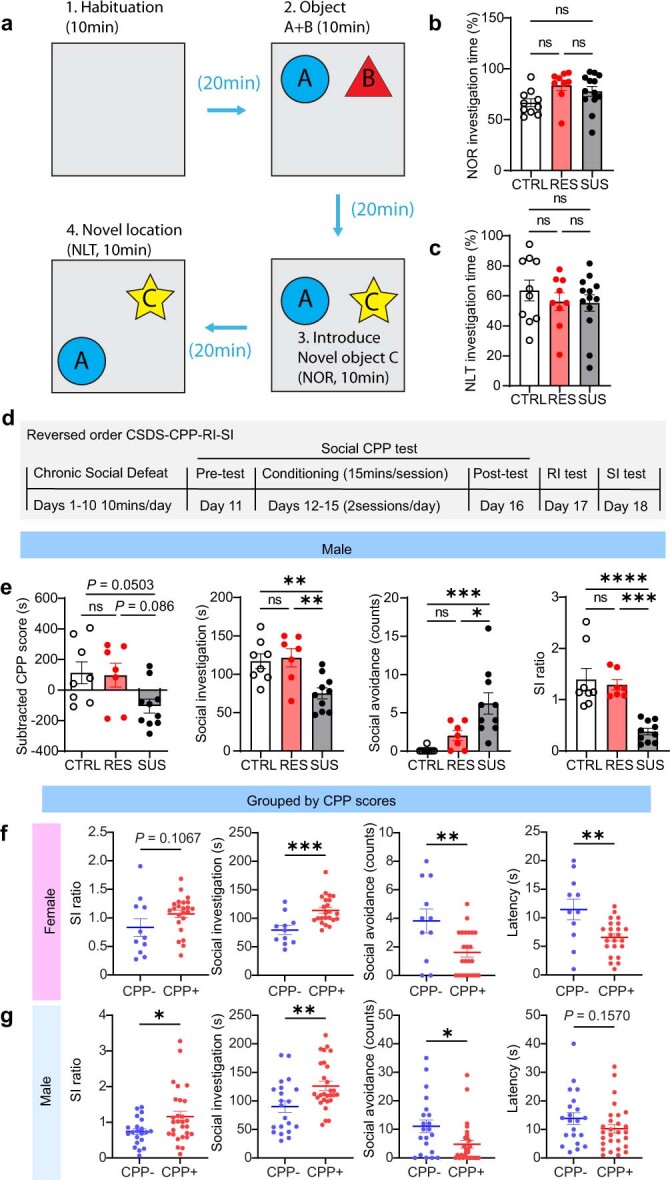
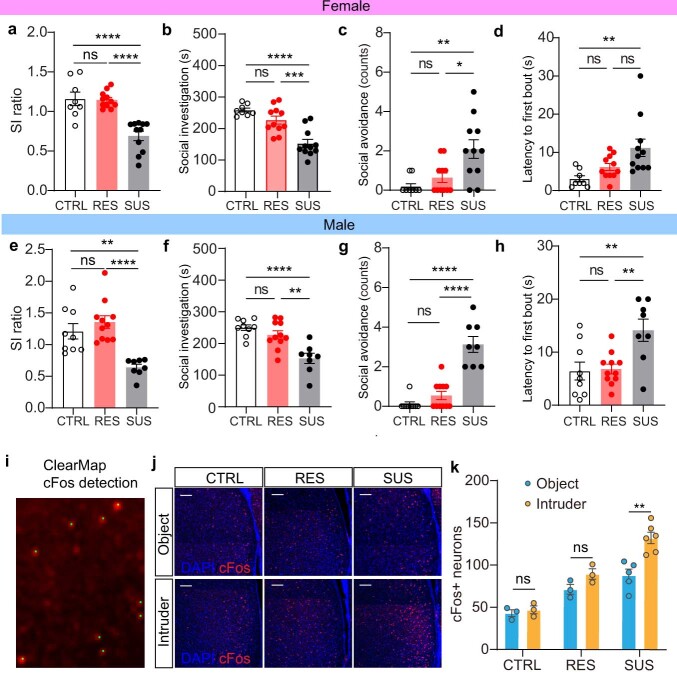
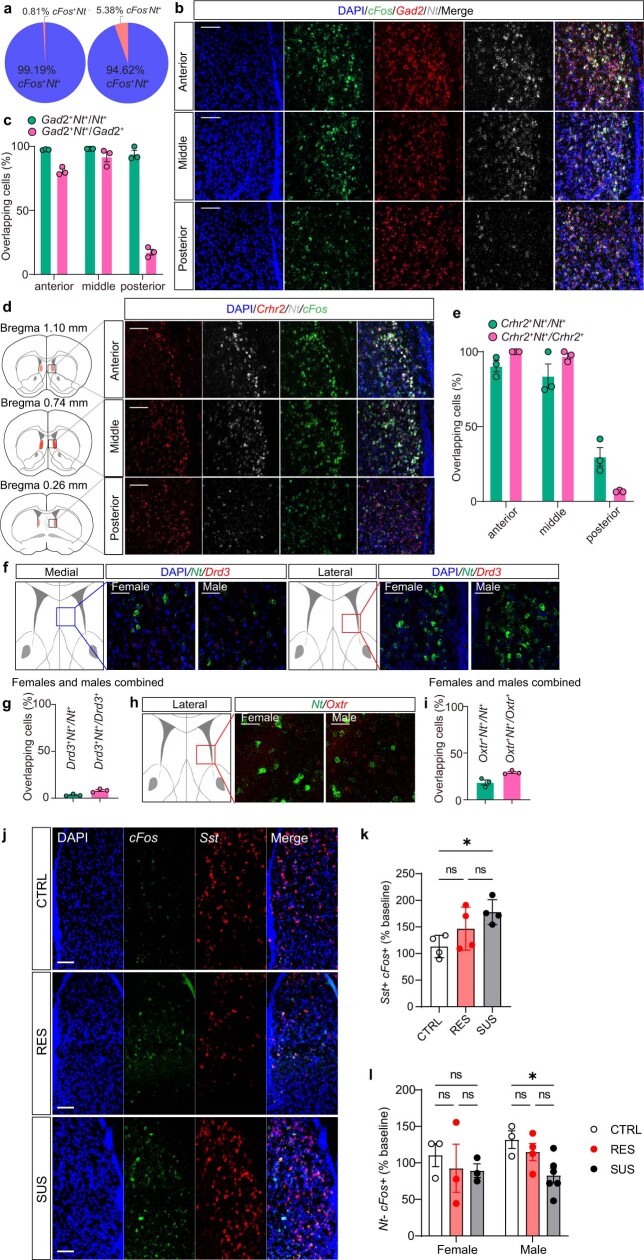
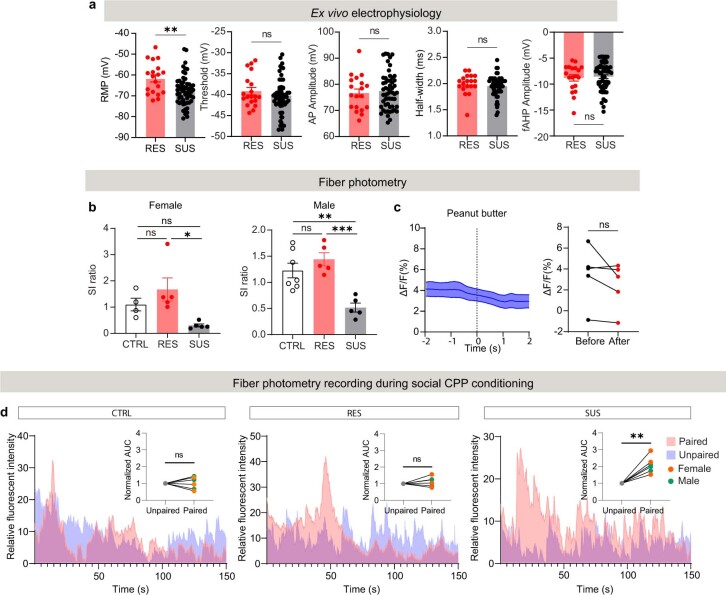
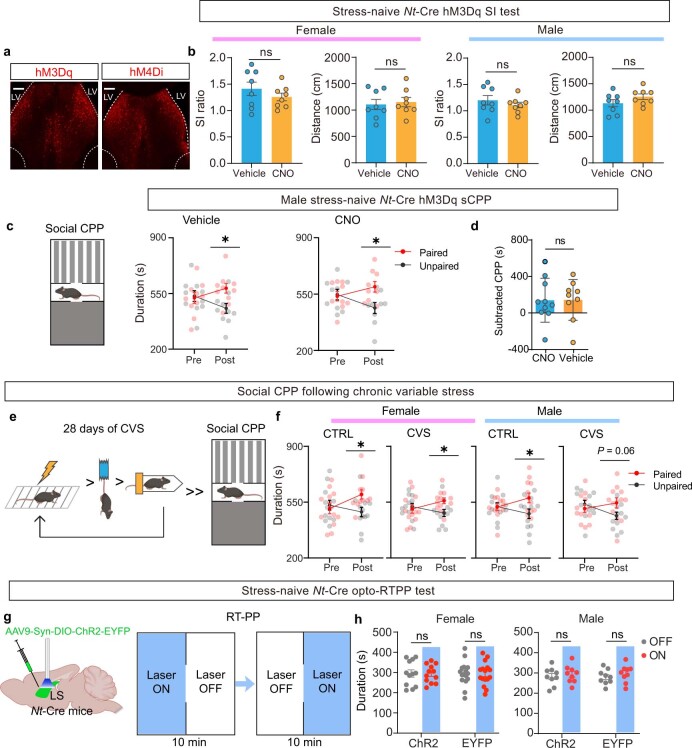
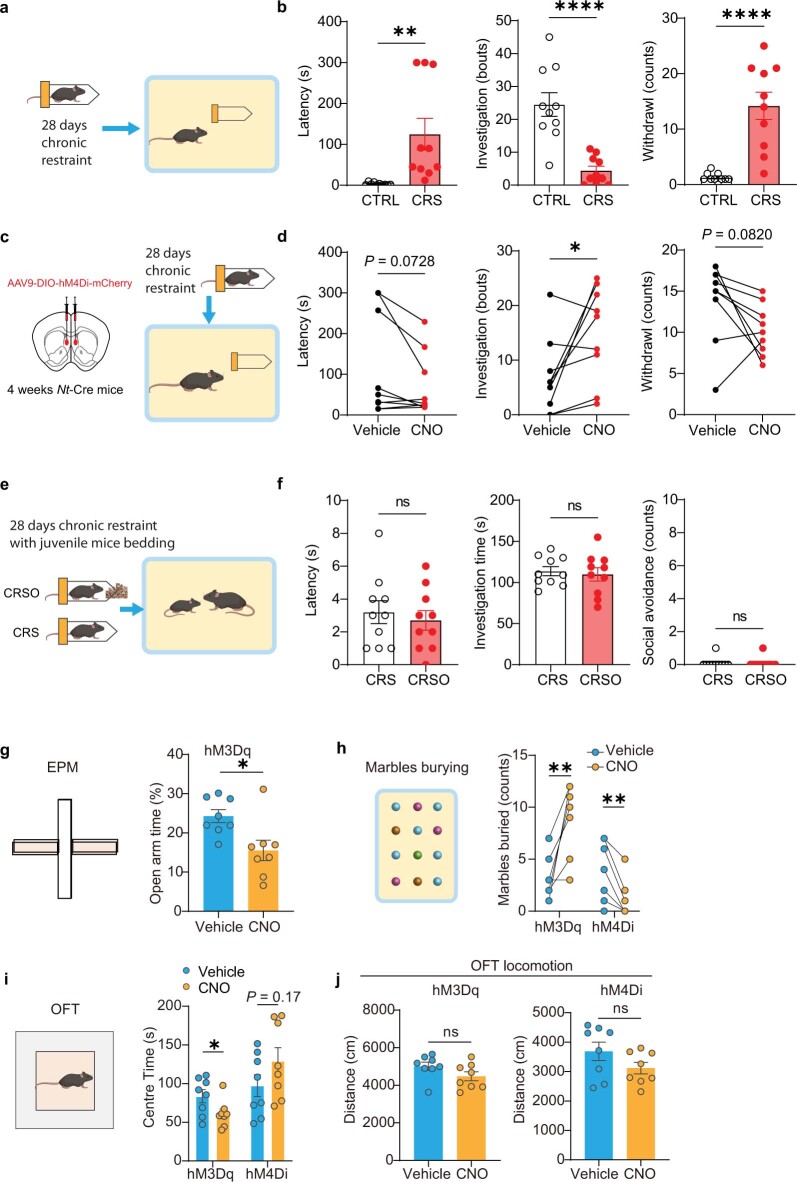
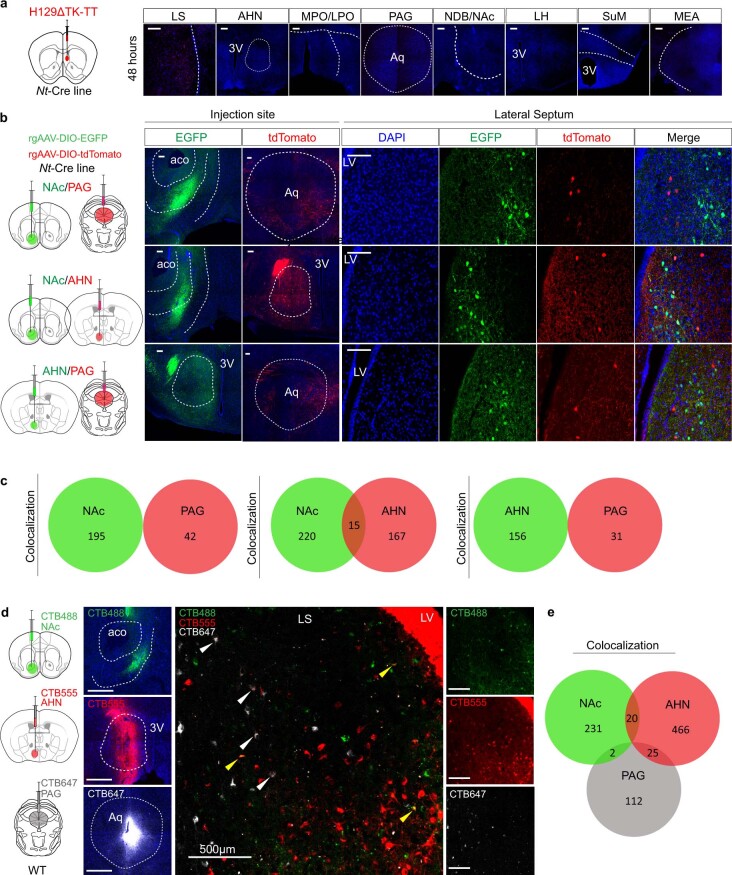
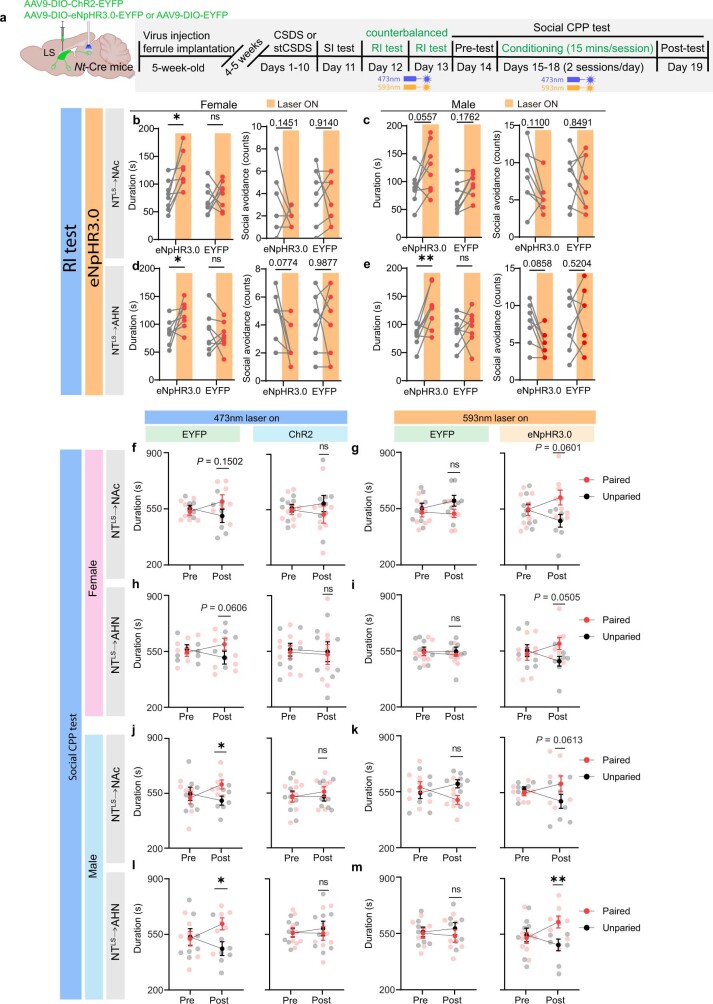
In humans, traumatic social experiences can contribute to psychiatric disorders. It is suggested that social trauma impairs brain reward function such that social behaviour is no longer rewarding, leading to severe social avoidance. In rodents, the chronic social defeat stress (CSDS) model has been used to understand the neurobiology underlying stress susceptibility versus resilience following social trauma, yet little is known regarding its impact on social reward. Here we show that, following CSDS, a subset of male and female mice, termed susceptible (SUS), avoid social interaction with non-aggressive, same-sex juvenile C57BL/6J mice and do not develop context-dependent social reward following encounters with them. Non-social stressors have no effect on social reward in either sex. Next, using whole-brain Fos mapping, in vivo Ca imaging and whole-cell recordings, we identified a population of stress/threat-responsive lateral septum neurotensin (NT) neurons that are activated by juvenile social interactions only in SUS mice, but not in resilient or unstressed control mice. Optogenetic or chemogenetic manipulation of NT neurons and their downstream connections modulates social interaction and social reward. Together, these data suggest that previously rewarding social targets are possibly perceived as social threats in SUS mice, resulting from hyperactive NT neurons that occlude social reward processing.
在人类中,创伤性的社会经历可能导致精神疾病。有研究表明,社会创伤会损害大脑的奖励功能,从而导致社交行为不再具有奖励性,进而导致严重的社交回避。在啮齿动物中,慢性社会挫败应激(CSDS)模型被用于了解社会创伤后应激易感性和韧性的神经生物学基础,但对于其对社会奖励的影响知之甚少。在这里,我们表明,在 CSDS 之后,一小部分雄性和雌性小鼠,称为易感(SUS),会避免与非攻击性的同性幼年 C57BL/6J 小鼠进行社交互动,并且在与它们相遇后不会发展出情境依赖性的社交奖励。非社交应激源对两性的社交奖励均无影响。接下来,通过全脑 Fos 映射、在体钙成像和全细胞记录,我们发现了一群应激/威胁反应性的侧脑室神经降压素(NT)神经元,这些神经元仅在 SUS 小鼠中被幼年社交互动激活,而在有韧性或未受应激的对照小鼠中则不会被激活。NT 神经元及其下游连接的光遗传或化学遗传操作调节社交互动和社交奖励。综上所述,这些数据表明,先前有奖励的社交目标在 SUS 小鼠中可能被视为社交威胁,这是由于 NT 神经元过度活跃,从而阻断了社交奖励处理。