Yumanity Therapeutics, Boston, MA, United States of America.
Department of Neurology, Brigham and Women's Hospital and Harvard Medical School, Ann Romney Center for Neurologic Disease, Boston, MA, United States of America.
PLoS One. 2022 Dec 1;17(12):e0277532. doi: 10.1371/journal.pone.0277532. eCollection 2022.
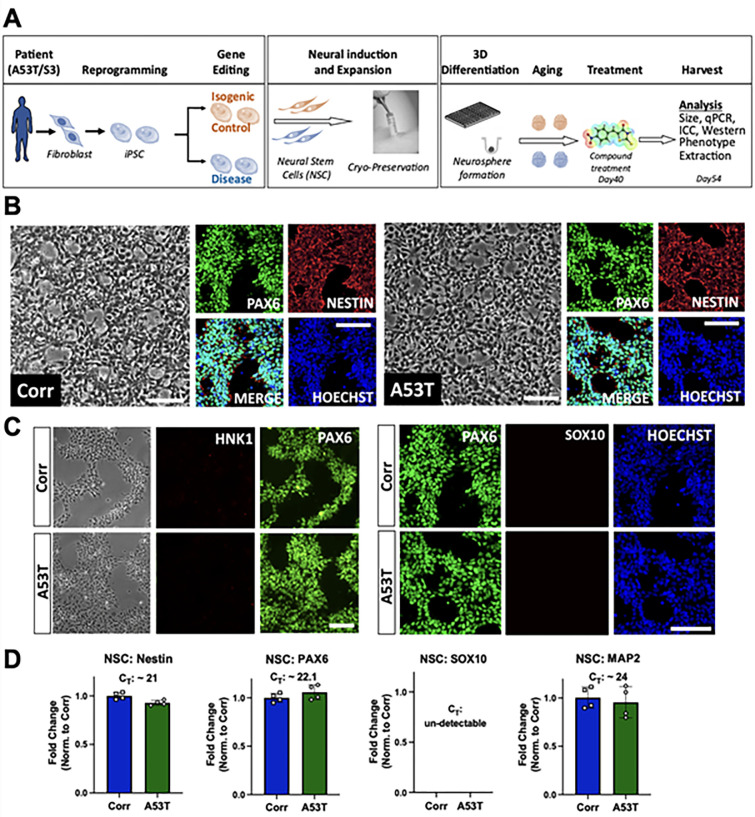
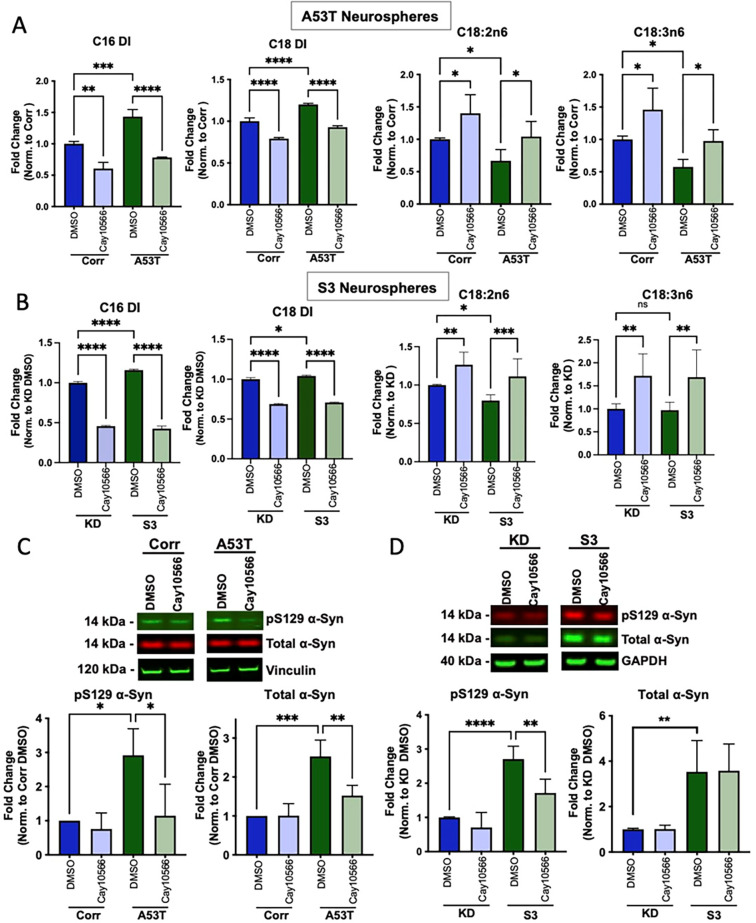
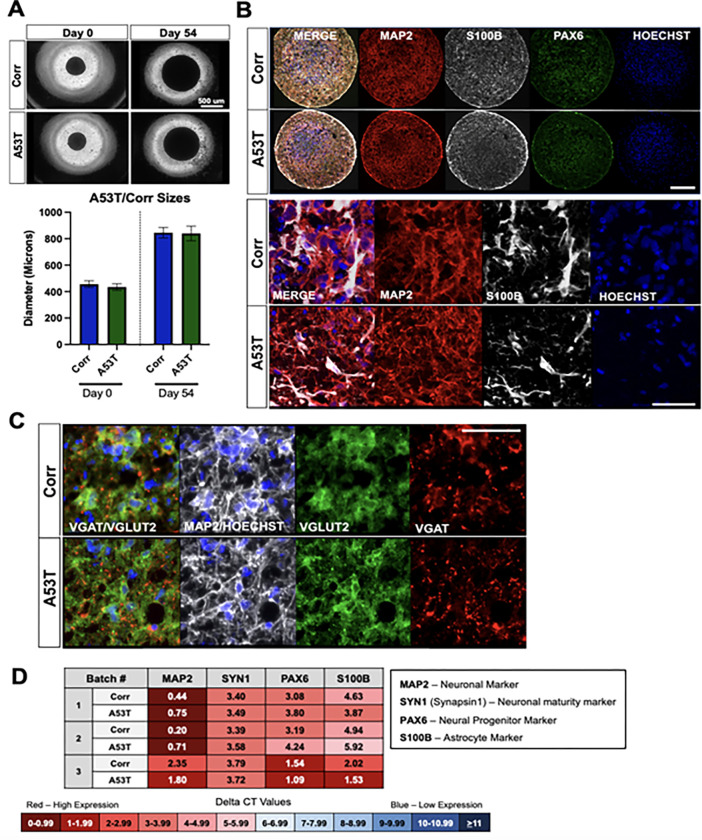
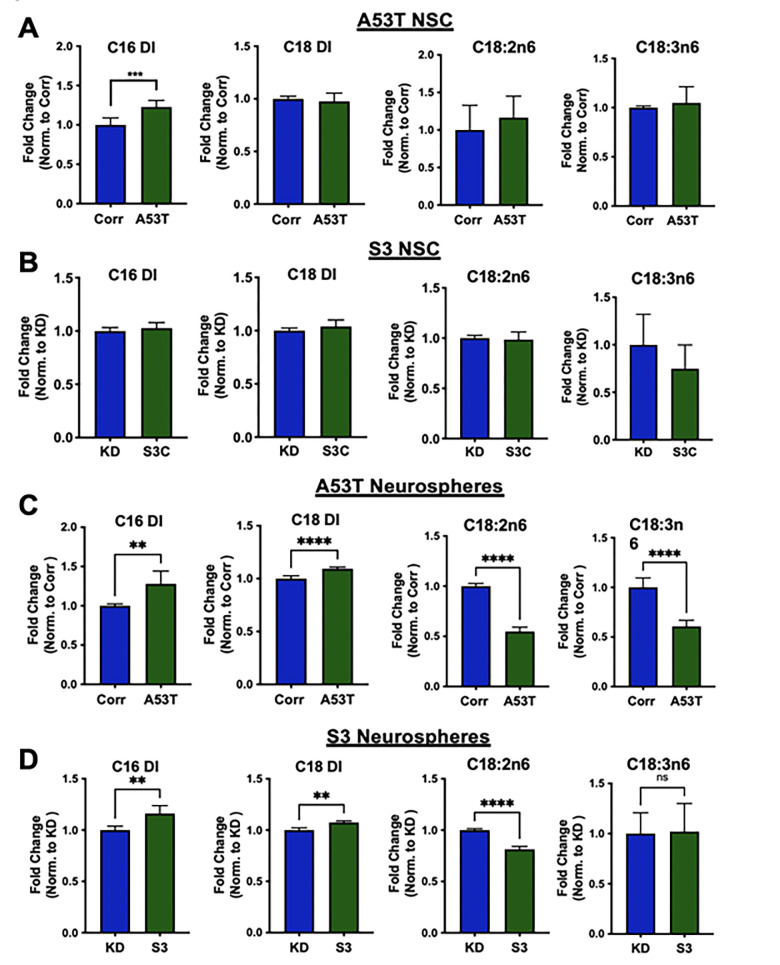
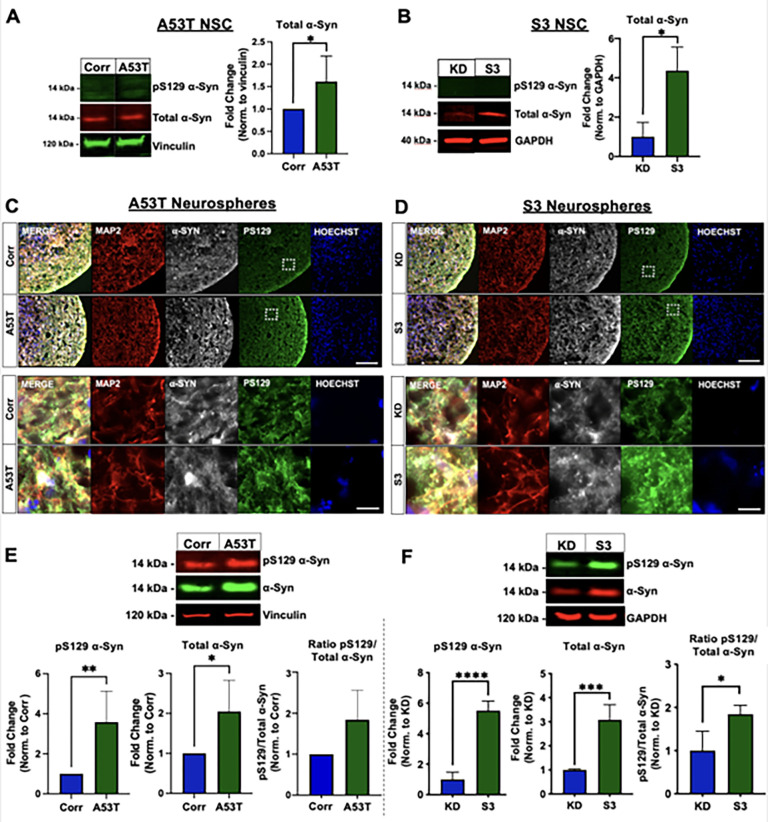
There are currently no preventive or disease-modifying therapies for Parkinson's Disease (PD). Failures in clinical trials necessitate a re-evaluation of existing pre-clinical models in order to adopt systems that better recapitulate underlying disease mechanisms and better predict clinical outcomes. In recent years, models utilizing patient-derived induced pluripotent stem cells (iPSC) have emerged as attractive models to recapitulate disease-relevant neuropathology in vitro without exogenous overexpression of disease-related pathologic proteins. Here, we utilized iPSC derived from patients with early-onset PD and dementia phenotypes that harbored either a point mutation (A53T) or multiplication at the α-synuclein/SNCA gene locus. We generated a three-dimensional (3D) cortical neurosphere culture model to better mimic the tissue microenvironment of the brain. We extensively characterized the differentiation process using quantitative PCR, Western immunoblotting and immunofluorescence staining. Differentiated and aged neurospheres revealed alterations in fatty acid profiles and elevated total and pathogenic phospho-α-synuclein levels in both A53T and the triplication lines compared to their isogenic control lines. Furthermore, treatment of the neurospheres with a small molecule inhibitor of stearoyl CoA desaturase (SCD) attenuated the protein accumulation and aberrant fatty acid profile phenotypes. Our findings suggest that the 3D cortical neurosphere model is a useful tool to interrogate targets for PD and amenable to test small molecule therapeutics.
目前尚无预防或改变帕金森病(PD)进程的疗法。临床试验的失败需要重新评估现有的临床前模型,以便采用更好地再现潜在疾病机制和更好地预测临床结果的系统。近年来,利用患者来源的诱导多能干细胞(iPSC)的模型已经成为体外再现与疾病相关的神经病理学的有吸引力的模型,而无需过度表达与疾病相关的病理蛋白。在这里,我们利用源自具有早发性 PD 和痴呆表型的患者的 iPSC,这些患者携带 α-突触核蛋白/SNCA 基因座的点突变(A53T)或倍增。我们生成了一个三维(3D)皮质神经球培养模型,以更好地模拟大脑的组织微环境。我们使用定量 PCR、Western 免疫印迹和免疫荧光染色对分化过程进行了广泛的表征。与同基因对照系相比,分化和老化的神经球显示脂肪酸谱发生改变,并且在 A53T 和三倍体系中总磷酸化-α-突触核蛋白和致病性磷酸化-α-突触核蛋白水平升高。此外,用硬脂酰辅酶 A 去饱和酶(SCD)的小分子抑制剂处理神经球可减轻蛋白积累和异常脂肪酸谱表型。我们的研究结果表明,3D 皮质神经球模型是研究 PD 靶点的有用工具,并且适合测试小分子治疗药物。