U.S. PMI Impact Malaria Project, Population Services International, Niamey, Niger.
Programme National de Lutte Contre le Paludisme, Niamey, Niger.
Malar J. 2022 Dec 6;21(1):375. doi: 10.1186/s12936-022-04407-z.
Seasonal malaria chemoprevention (SMC) consists of the intermittent administration of a 3 day course of anti-malarial medications during the months of highest malaria risk in the Sahel region, where malaria transmission is highly seasonal. SMC is an effective intervention to reduce episodes of uncomplicated and severe malaria in children. However, morbidity cannot be lowered without adherence to medications. The objective of this study was to examine SMC medication adherence and to identify the attitudes and practices of caregivers during the 2020 SMC campaign in the Dosso region.
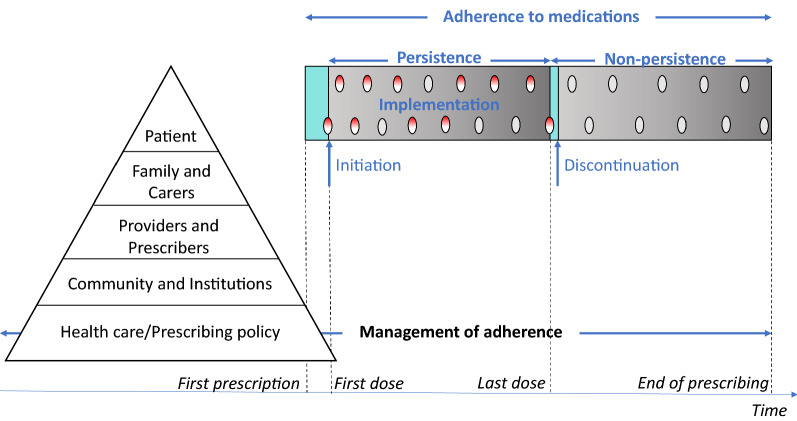
This study was conducted based on data from independent monitoring using random cluster sampling. Adherence levels and the attitudes and practices of caregivers were evaluated using data from caregivers' self-reports and analysed according to Bernard Vrijens' taxonomy.
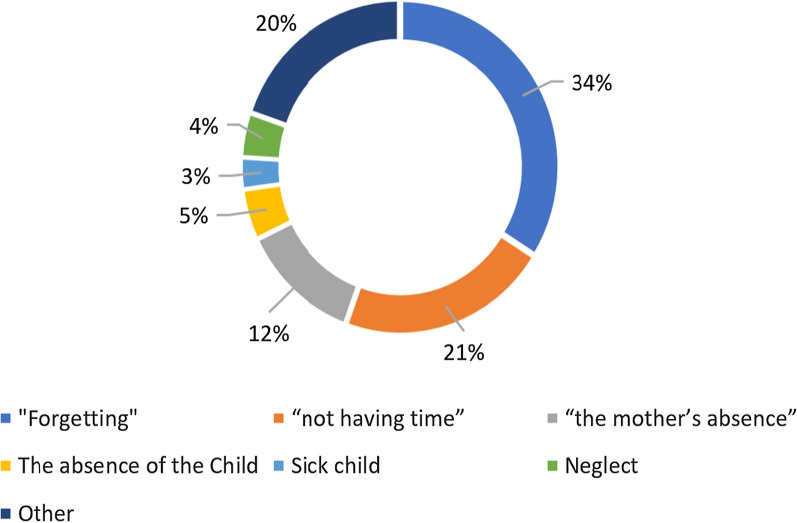
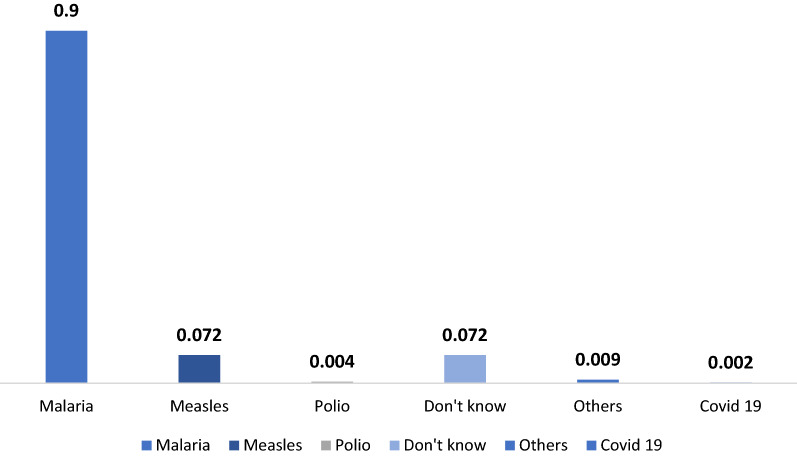
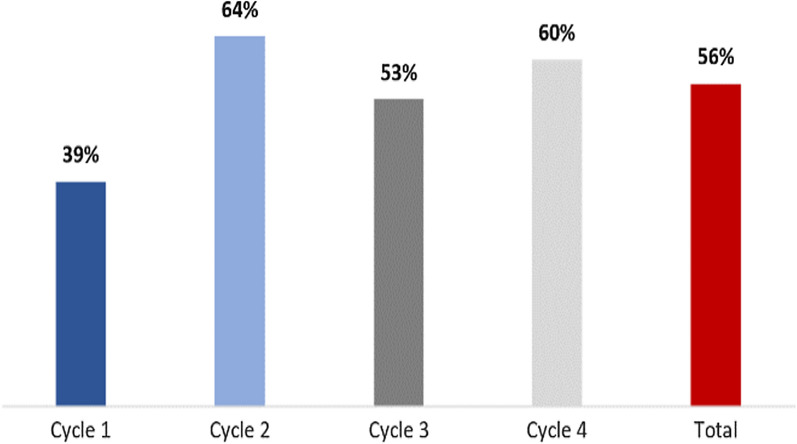
At the initiation of treatment phase, 99% of children (N = 2296) received their first administration of medication, with 90% of caregivers (N = 1436) knowing that the medications help prevent malaria. However, only 56% of caregivers (N = 1856) reported that treatment initiation took place under direct observation by the distributor. At the implementation of treatment phase, 90% of children (N = 2132) took their medication on the second day and 84% (N = 1068) took it the third day. "Forgetting," "not having time," and "the mother's absence" were the main reasons caregivers gave to explain discontinuation of the 3 day course of medication.
This simple, low-cost survey demonstrated that coverage of SMC and adherence by caregivers to completing the full 3 day medication course was high. The survey also showed that knowledge, attitudes, and practices of some caregivers regarding adherence to medications during the SMC campaign could be improved. Expanding distributors' training, developing and providing them with tools for interpersonal communication, and strengthening supervision could lead to even higher adherence.
季节性疟疾化学预防(SMC)包括在萨赫勒地区疟疾传播高度季节性的最高疟疾风险月份中,间歇性给予 3 天疗程的抗疟药物。SMC 是一种有效干预措施,可以减少儿童中非复杂性和严重疟疾的发作。然而,如果不遵守药物治疗,发病率就无法降低。本研究的目的是检查 2020 年在多索地区进行的 SMC 运动期间的 SMC 药物依从性,并确定照顾者的态度和做法。
本研究基于使用随机聚类抽样进行独立监测的数据。使用照顾者的自我报告数据评估依从水平以及照顾者的态度和做法,并根据 Bernard Vrijens 的分类法进行分析。
在治疗阶段开始时,99%的儿童(N=2296)接受了第一剂药物治疗,90%的照顾者(N=1436)知道药物有助于预防疟疾。然而,只有 56%的照顾者(N=1856)报告说治疗的开始是在分销商的直接观察下进行的。在治疗阶段实施时,90%的儿童(N=2132)在第二天服用药物,84%的儿童(N=1068)在第三天服用药物。“忘记”、“没有时间”和“母亲不在”是照顾者解释中断 3 天疗程的主要原因。
这项简单、低成本的调查表明,SMC 的覆盖率和照顾者完成整个 3 天疗程的药物依从性都很高。调查还表明,一些照顾者在 SMC 运动期间对药物治疗的依从性的知识、态度和做法可以得到改善。扩大分销商的培训,开发并为他们提供人际沟通工具,以及加强监督,可以提高依从性。