Department of Gastroenterology and Hepatology, Erasmus MC-University Medical Center, Rotterdam, the Netherlands.
Department of Biostatistics and Records Room, Medical Quality Management Office, the First Affiliated Hospital of Wenzhou Medical University, Wenzhou, China.
EBioMedicine. 2023 Jan;87:104392. doi: 10.1016/j.ebiom.2022.104392. Epub 2022 Dec 8.
Statin use could benefit patients with non-alcoholic fatty liver disease (NAFLD), but the evidence is segmented and inconclusive. This multidimensional study comprehensively investigated the potential benefits and mechanism-of-action of statins in NAFLD.
A cross-sectional investigation was performed within the Rotterdam Study (general population; n = 4.576) and the PERSONS cohort (biopsy-proven NAFLD patients; n = 569). Exclusion criteria were secondary causes for steatosis and insufficient data on alcohol, dyslipidemia or statin use. Associations of statin use with NAFLD (among entire general population), fibrosis and NASH (among NAFLD individuals and patients) were quantified. These results were pooled with available literature in meta-analysis. Last, we assessed statins' anti-lipid and anti-inflammatory effects in 3D cultured human liver organoids and THP-1 macrophages, respectively.
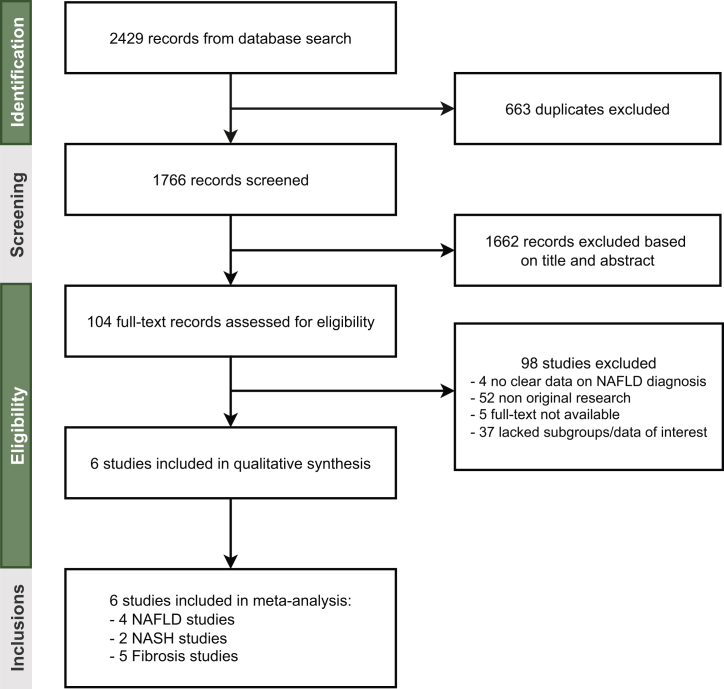
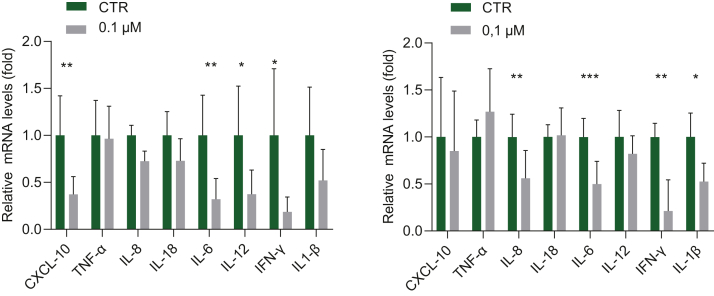
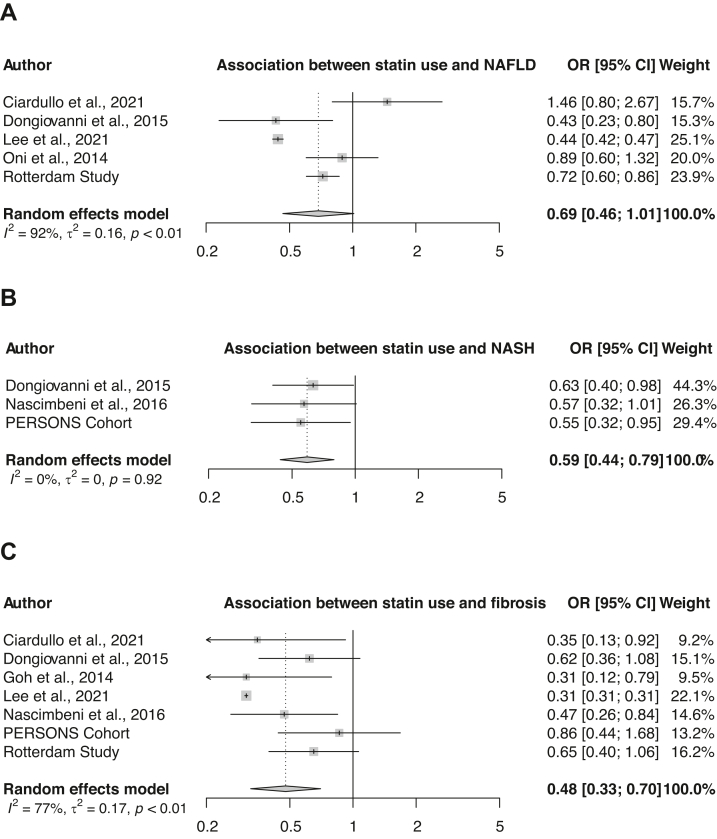
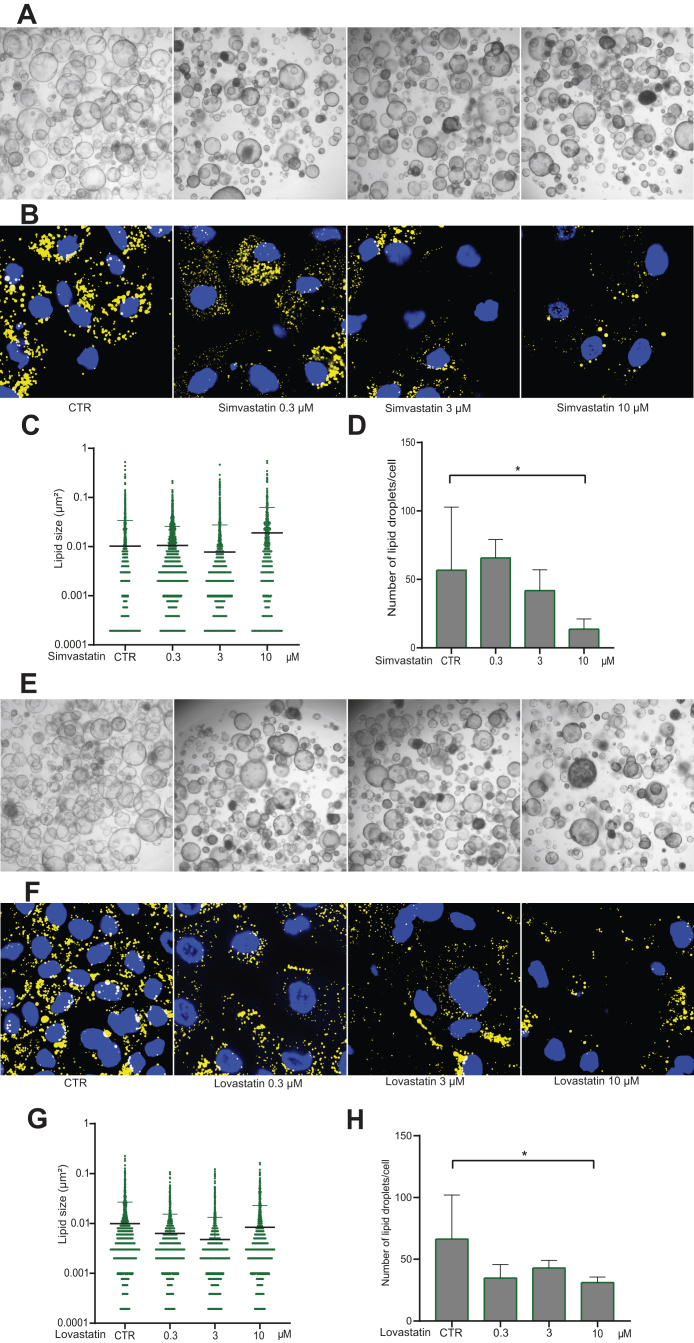
Statin use was inversely associated with NAFLD in the Rotterdam study compared to participants with untreated dyslipidemia. In the PERSONS cohort, statin use was inversely associated with NASH, but not with fibrosis. The meta-analysis included 7 studies and indicated a not significant inverse association for statin use with NAFLD (pooled-Odds Ratio: 0.69, 95% Confidence Interval: 0.46-1.01) and significant inverse associations with NASH (pooled-OR: 0.59, 95% CI: 0.44-0.79) and fibrosis (pooled-OR: 0.48, 95% CI: 0.33-0.70). In vitro, statins significantly reduced lipid droplet accumulation in human liver organoids and downregulated expression of pro-inflammatory cytokines in macrophages.
Pooled results demonstrated that statin use was associated with a lower prevalence of NASH and fibrosis and might prevent NAFLD. This may be partially attributed to the anti-lipid and anti-inflammatory characteristics of statins. Given their under-prescription, adequate prescription of statins may limit the disease burden of NAFLD.
ZonMw, KWF, NWO, SLO, DGXII, RIDE, National and regional government, Erasmus MC and Erasmus University.
他汀类药物的使用可能有益于非酒精性脂肪性肝病(NAFLD)患者,但证据零散且不明确。本项多维研究全面调查了他汀类药物在 NAFLD 中的潜在益处和作用机制。
在鹿特丹研究(一般人群;n=4576)和 PERSONS 队列(经活检证实的 NAFLD 患者;n=569)中进行了横断面研究。排除标准为脂肪变性的继发原因和酒精、血脂异常或他汀类药物使用的数据不足。他汀类药物的使用与整个一般人群中的 NAFLD、纤维化和 NASH(NAFLD 个体和患者中)之间的相关性进行了量化。这些结果与文献中的可用数据进行了荟萃分析。最后,我们分别在 3D 培养的人肝类器官和 THP-1 巨噬细胞中评估了他汀类药物的抗脂质和抗炎作用。
与未经治疗的血脂异常患者相比,他汀类药物的使用与鹿特丹研究中的 NAFLD 呈负相关。在 PERSONS 队列中,他汀类药物的使用与 NASH 呈负相关,但与纤维化无关。荟萃分析纳入了 7 项研究,表明他汀类药物的使用与 NAFLD 呈无显著负相关(汇总优势比:0.69,95%置信区间:0.46-1.01),与 NASH(汇总优势比:0.59,95%置信区间:0.44-0.79)和纤维化(汇总优势比:0.48,95%置信区间:0.33-0.70)呈显著负相关。在体外,他汀类药物可显著减少人肝类器官中的脂滴堆积,并下调巨噬细胞中促炎细胞因子的表达。
汇总结果表明,他汀类药物的使用与 NASH 和纤维化的发生率较低相关,并且可能预防 NAFLD。这可能部分归因于他汀类药物的降脂和抗炎特性。鉴于他汀类药物的处方不足,适当的处方可能会限制 NAFLD 的疾病负担。
ZonMw、KWF、NWO、SLO、DGXII、RIDE、国家和地区政府、伊拉斯姆斯大学医学中心和伊拉斯姆斯大学。