Alicic Radica Z, Neumiller Joshua J, Galindo Rodolfo J, Tuttle Katherine R
Providence Medical Research Center, Providence Health Care, Spokane, Washington, USA.
Department of Medicine, University of Washington School of Medicine, Spokane and Seattle, Washington, USA.
Kidney Int Rep. 2022 Sep 29;7(12):2589-2607. doi: 10.1016/j.ekir.2022.09.018. eCollection 2022 Dec.
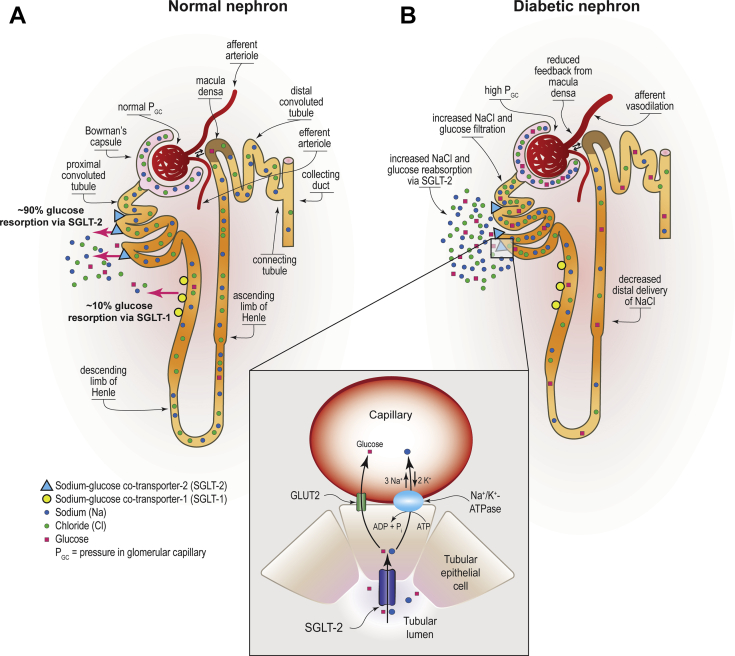
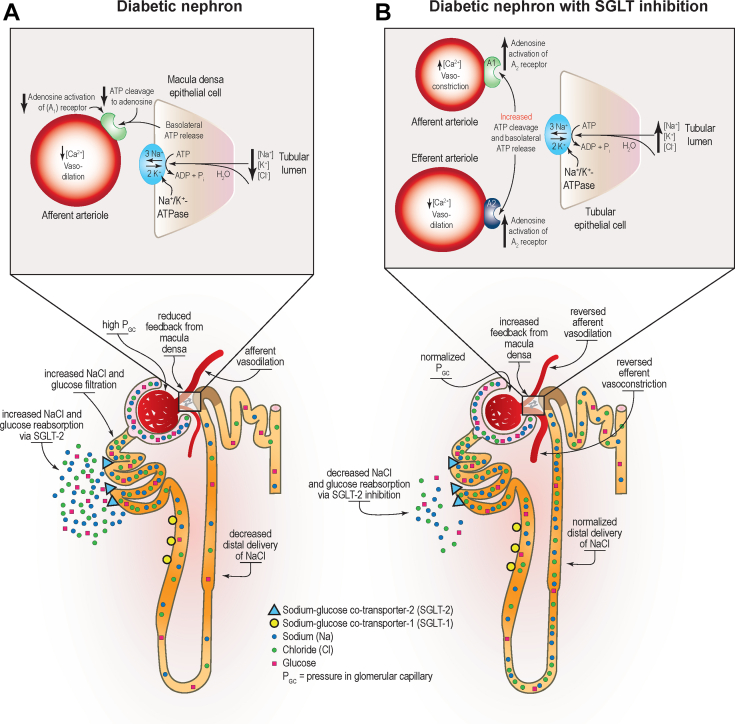
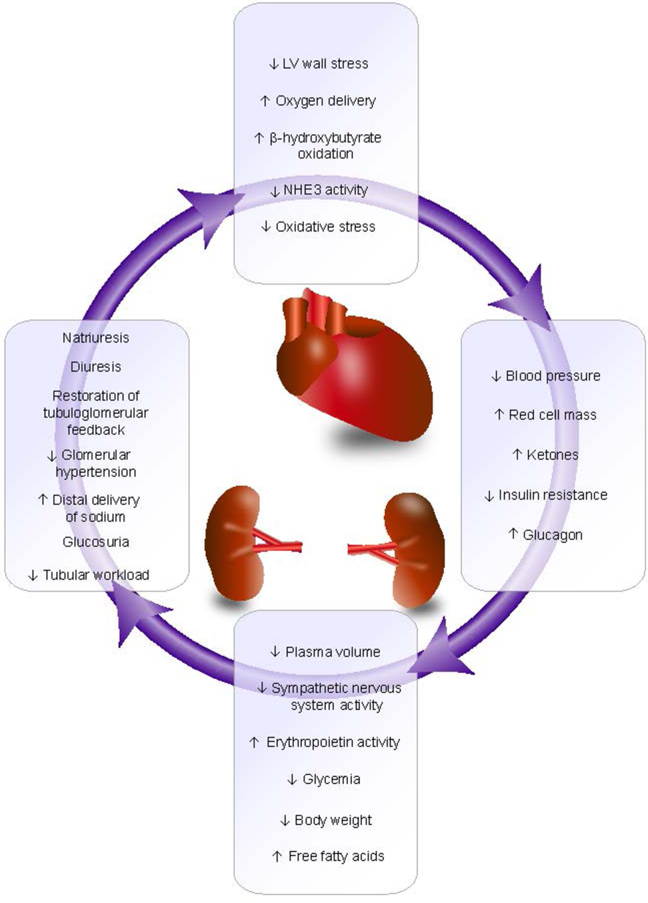
Diabetes is the most common cause of kidney failure worldwide. Patients with diabetes and chronic kidney disease (CKD) are also at markedly higher risk of cardiovascular disease, particularly heart failure (HF), and death. Through the processes of gluconeogenesis and glucose reabsorption, the kidney plays a central role in glucose homeostasis. Insulin resistance is an early alteration observed in CKD, worsened by the frequent presence of hypertension, obesity, and ongoing chronic inflammation, and oxidative stress. Management of diabetes in moderate to severe CKD warrants special consideration because of changes in glucose and insulin homeostasis and altered metabolism of glucose-lowering therapies. Kidney failure and initiation of kidney replacement therapy by dialysis adds to management complexity by further limiting therapeutic options, and predisposing individuals to hypoglycemia and hyperglycemia. Glycemic goals should be individualized, considering CKD severity, presence of macrovascular and microvascular complications, and life expectancy. A general hemoglobin A1c (HbA1c) goal of approximately 7% may be appropriate in earlier stages of CKD, with more relaxed targets often appropriate in later stages. Use of sodium glucose cotransporter2 (SGLT2) inhibitors and glucagon like peptide-1 receptor agonists (GLP-1RAs) meaningfully improves kidney and heart outcomes for patients with diabetes and CKD, irrespective of HbA1c targets, and are now part of guideline-directed medical therapy in this high-risk population. Delivery of optimal care for patients with diabetes and CKD will require collaboration across health care specialties and disciplines.
糖尿病是全球肾衰竭最常见的病因。糖尿病和慢性肾脏病(CKD)患者发生心血管疾病尤其是心力衰竭(HF)以及死亡的风险也显著更高。通过糖异生和葡萄糖重吸收过程,肾脏在葡萄糖稳态中发挥核心作用。胰岛素抵抗是CKD中观察到的早期改变,因高血压、肥胖、持续慢性炎症以及氧化应激的频繁存在而恶化。由于葡萄糖和胰岛素稳态的变化以及降糖治疗代谢的改变,中重度CKD患者的糖尿病管理需要特别考虑。肾衰竭以及开始透析进行肾脏替代治疗会进一步限制治疗选择,使个体易发生低血糖和高血糖,从而增加管理的复杂性。血糖目标应个体化,要考虑CKD的严重程度、大血管和微血管并发症的存在情况以及预期寿命。在CKD早期,糖化血红蛋白(HbA1c)总体目标约为7%可能是合适的,而在后期通常更宽松的目标可能合适。使用钠-葡萄糖协同转运蛋白2(SGLT2)抑制剂和胰高血糖素样肽-1受体激动剂(GLP-1RAs)可显著改善糖尿病和CKD患者的肾脏和心脏结局,无论HbA1c目标如何,目前它们已成为这一高危人群指南指导下药物治疗的一部分。为糖尿病和CKD患者提供最佳护理需要跨医疗保健专业和学科的协作。