Department of Biomaterials, School of Dentistry, National and Kapodistrian University of Athens, Athens, Greece.
Clinic of Orthodontics and Pediatric Dentistry, Center of Dental Medicine, University of Zurich, Plattenstrasse 11, 8032, Zurich, Switzerland.
Prog Orthod. 2022 Dec 15;23(1):54. doi: 10.1186/s40510-022-00449-w.
The aim of the study was to investigate the effect of three aligner cleaners on the composition and mechanical properties of two types of orthodontic aligners.
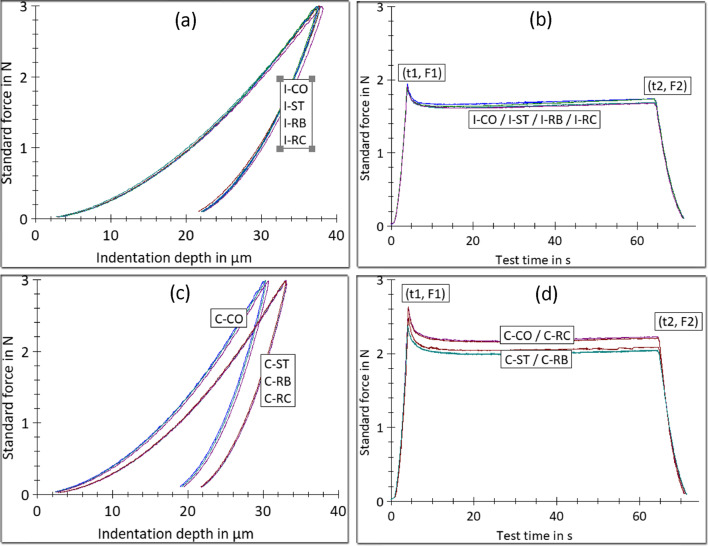
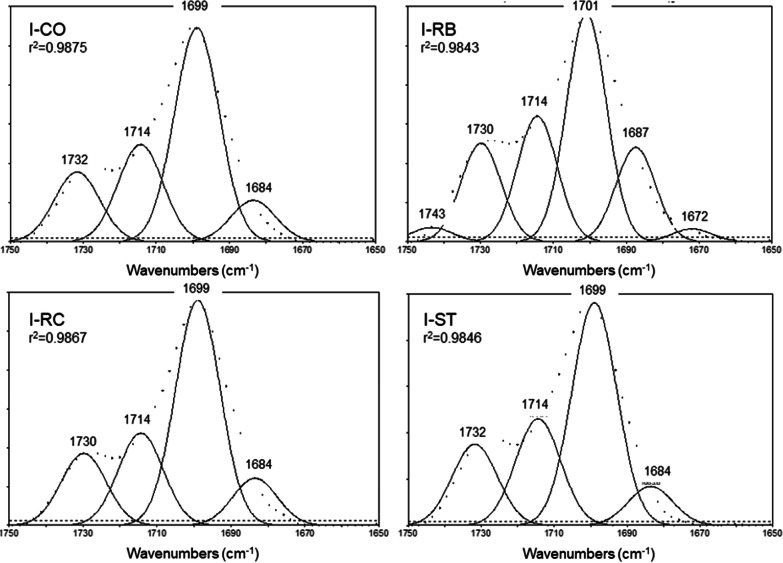
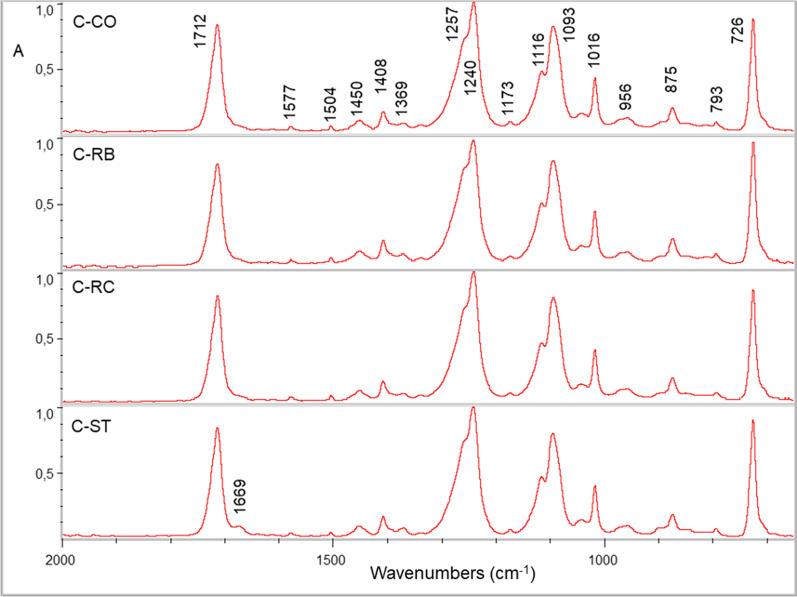
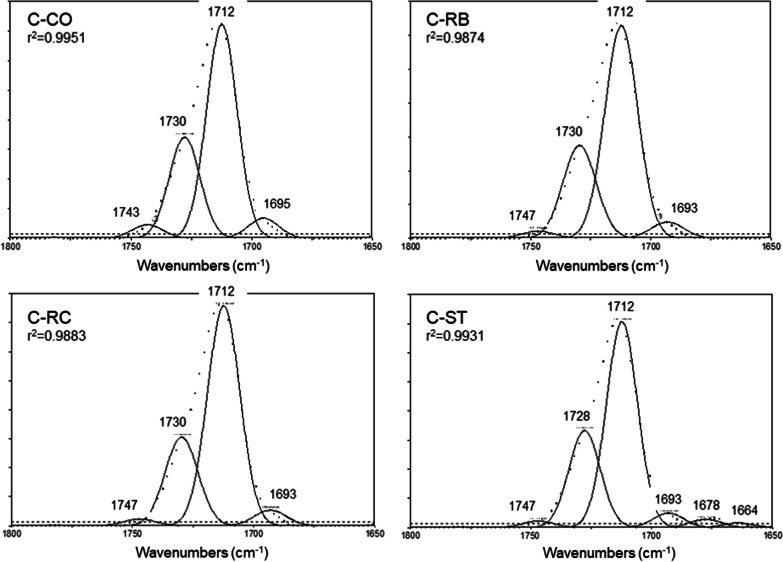
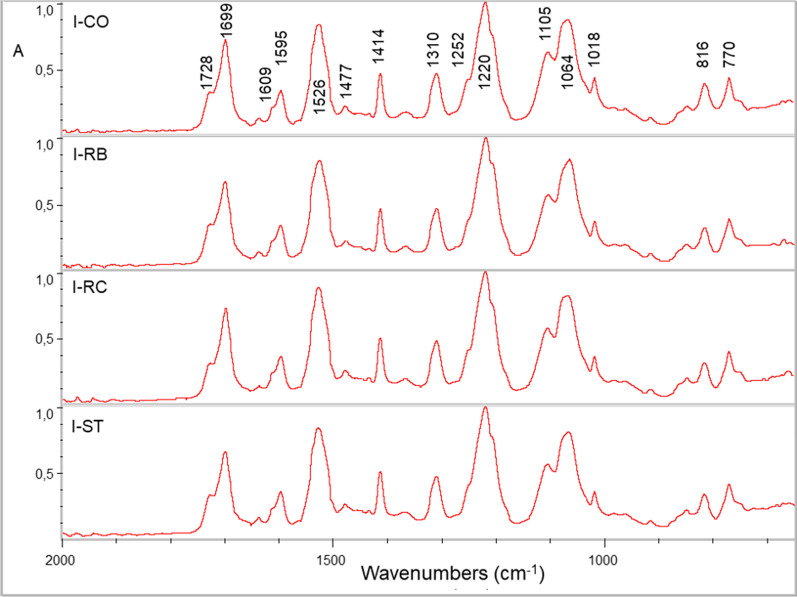
The cleaners tested were two alkaline peroxide solutions (Retainer Brite-RB; Retainer Cleaner-RC) and one peroxide-free (Steraligner-ST) and the aligners Clear Aligner (C, polyester) and Invisalign (I, polyester-urethane). The aligners were immersed in the cleaner solutions as instructed every day (15 min for RB, RC; 5 min for ST) for a two-week period. The acidity of the solutions was tested with a pH meter. The changes in the chemical composition of the aligners were studied by attenuated total-reflection Fourier transform infrared spectrometry (ATR-FTIR), while Instrumented Indentation Testing (IIT) was used for assessment of changes in Martens Hardness (HM), modulus (E), elastic index (n) and relaxation (R).
RB and RC were weakly acidic (pH = 6.3), whereas ST was mildly acidic (pH = 4.8). The ATR-FTIR analysis demonstrated evidence of acidic hydrolysis of C in ST and I in RB. The IIT-derived properties of I were not affected by the cleaners. However, for C a significant change was found in HM (all cleaners), n (all cleaners) and R (RB, ST). Although the chemical changes support a hydrolytic material deterioration, the results of mechanical properties may interfere with the material residual stresses during fabrication.
Caution should be exerted in the selection of aligner cleaners. The mild acidic cleanser was more aggressive to the polyester, whereas an alkaline peroxide to the polyester-urethane aligner.
本研究旨在探讨三种隐形矫正器清洁剂对两种类型的正畸隐形矫正器的组成和机械性能的影响。
所测试的清洁剂为两种碱性过氧化物溶液(护牙素清洁剂-RB;护牙素清洁剂-RC)和一种无过氧化物溶液(Steraligner-ST),以及两种隐形矫正器Clear Aligner(C,聚酯)和 Invisalign(I,聚酯-氨酯)。将隐形矫正器按照说明每天浸入清洁剂溶液中(RB、RC 为 15 分钟;ST 为 5 分钟),为期两周。使用 pH 计测试溶液的酸度。通过衰减全反射傅里叶变换红外光谱法(ATR-FTIR)研究隐形矫正器化学成分的变化,同时使用仪器压痕测试(IIT)评估马氏硬度(HM)、模量(E)、弹性指数(n)和松弛(R)的变化。
RB 和 RC 呈弱酸性(pH = 6.3),而 ST 呈微酸性(pH = 4.8)。ATR-FTIR 分析表明 ST 中的 C 和 RB 中的 I 存在酸性水解的证据。清洁剂对 I 的 IIT 衍生性能没有影响。然而,对于 C,HM(所有清洁剂)、n(所有清洁剂)和 R(RB、ST)都发生了显著变化。尽管化学变化支持材料水解劣化,但机械性能的结果可能会干扰制造过程中的材料残余应力。
在选择隐形矫正器清洁剂时应谨慎。微酸性清洁剂对聚酯的腐蚀性更强,而碱性过氧化物对聚酯-氨酯隐形矫正器的腐蚀性更强。