Guérin Pierre, Suntheim Felix
International Monetary Fund, 700 19th St NW, Washington DC 20431, USA.
Econ Lett. 2021 Aug;205:109956. doi: 10.1016/j.econlet.2021.109956. Epub 2021 Jun 10.
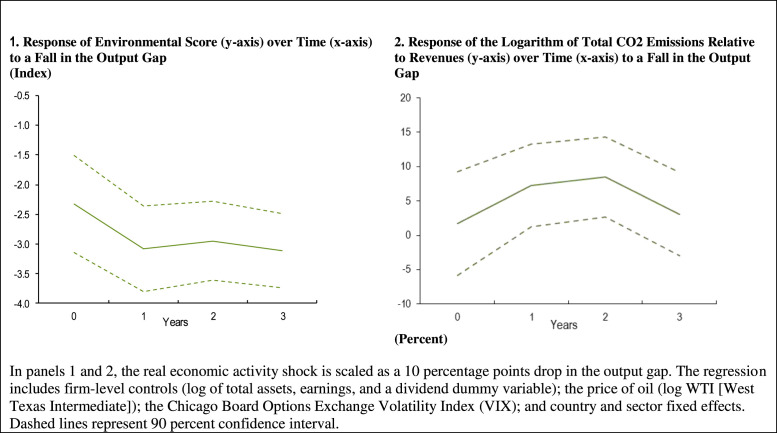
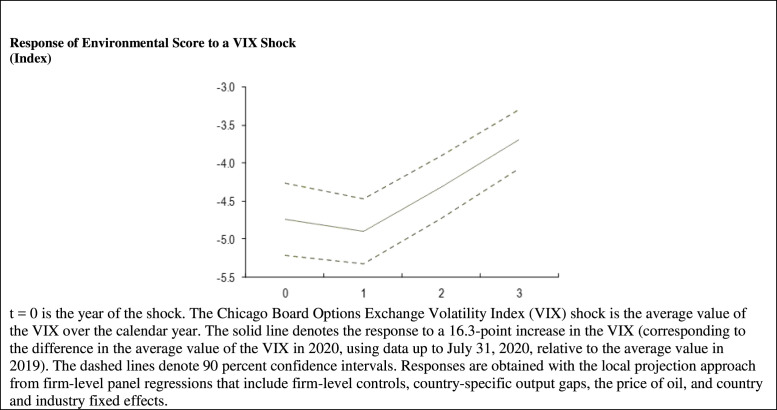
The shutdown in economic activity due to the coronavirus disease (COVID-19) crisis has resulted in a short-term decline in global carbon emissions, but the long-term impact of the pandemic on the transition to a low-carbon economy is uncertain. Looking at previous episodes of financial and economic stress to draw implications for the current crisis, we find that tighter financial constraints and adverse economic conditions are generally detrimental to firms' environmental performance, reducing green investments. The COVID-19 crisis could thus potentially slow down the transition to a low-carbon economy. These findings underline the importance of climate policies and green recovery packages to boost green investment and support the energy transition.
由于冠状病毒病(COVID-19)危机导致的经济活动停摆,已造成全球碳排放量短期下降,但这场大流行病对向低碳经济转型的长期影响尚不确定。通过审视以往金融和经济压力事件来推断当前危机的影响,我们发现更严格的金融约束和不利的经济状况通常不利于企业的环境绩效,会减少绿色投资。因此,COVID-19危机可能会减缓向低碳经济的转型。这些发现凸显了气候政策和绿色复苏计划对于促进绿色投资及支持能源转型的重要性。